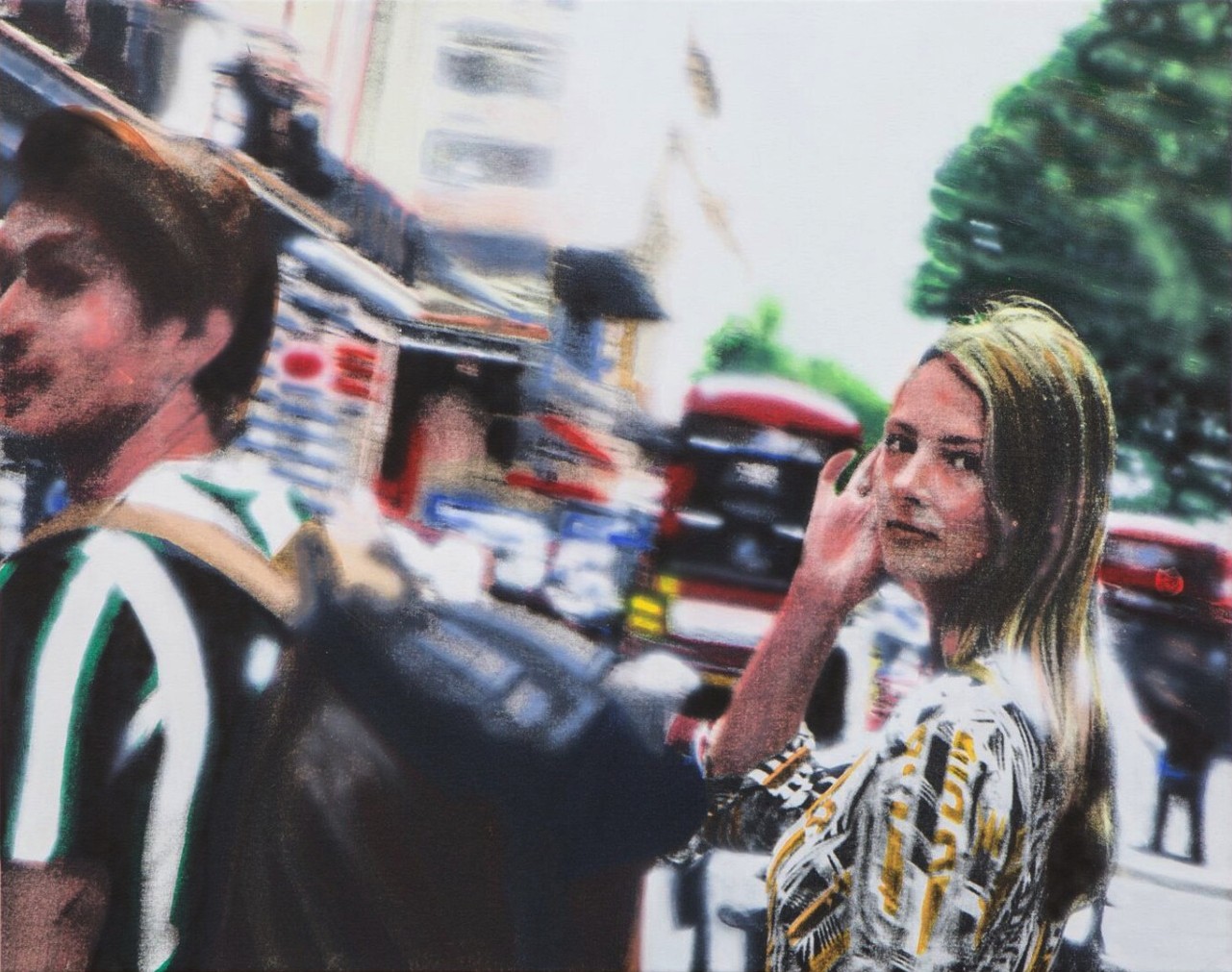
Alan Michael, "Untitled" (2018).
Scottish painter Alan Michael is no stranger to confounding his audience. The London-based artist, who is best known for his paintings of appropriated imagery such as kitsch fashion editorials and car advertisements, refuses to clearly explain his work, making them aloof and evasive at times. For example, at his 2008 Tate show, Mood Casual, he presented a series of paintings of bottles with the word “Grassroots” written in the background of each. When pressed to explain these images, he responded by saying that they were to be read as though they contained “particles of sarcasm” and that the text in the background is the name of his local health food shop. See what I mean about evasive?
Last weekend, Michael perplexed his audience once again by his choice of film screening at his current solo show, Astrology and the City, at the Cell Project Space in London. Alongside his new body of work exploring the subject of street photography, Michael screened the harrowing 2013 documentary Bridgend about the epidemic of teen suicide that swept through the eponymous Welsh town between 2007 and 2008. Directed by American filmmaker John Michael Williams, the documentary tries to uncover — through interviews with the friends and families involved — what could have happened in this sleepy town to influence 99 teenagers to take their own lives. To screen Bridgend is an odd — even disturbing — choice of film for the painter, so what motivated his decision, particularly as at first glance it seems entirely unrelated to his practice?
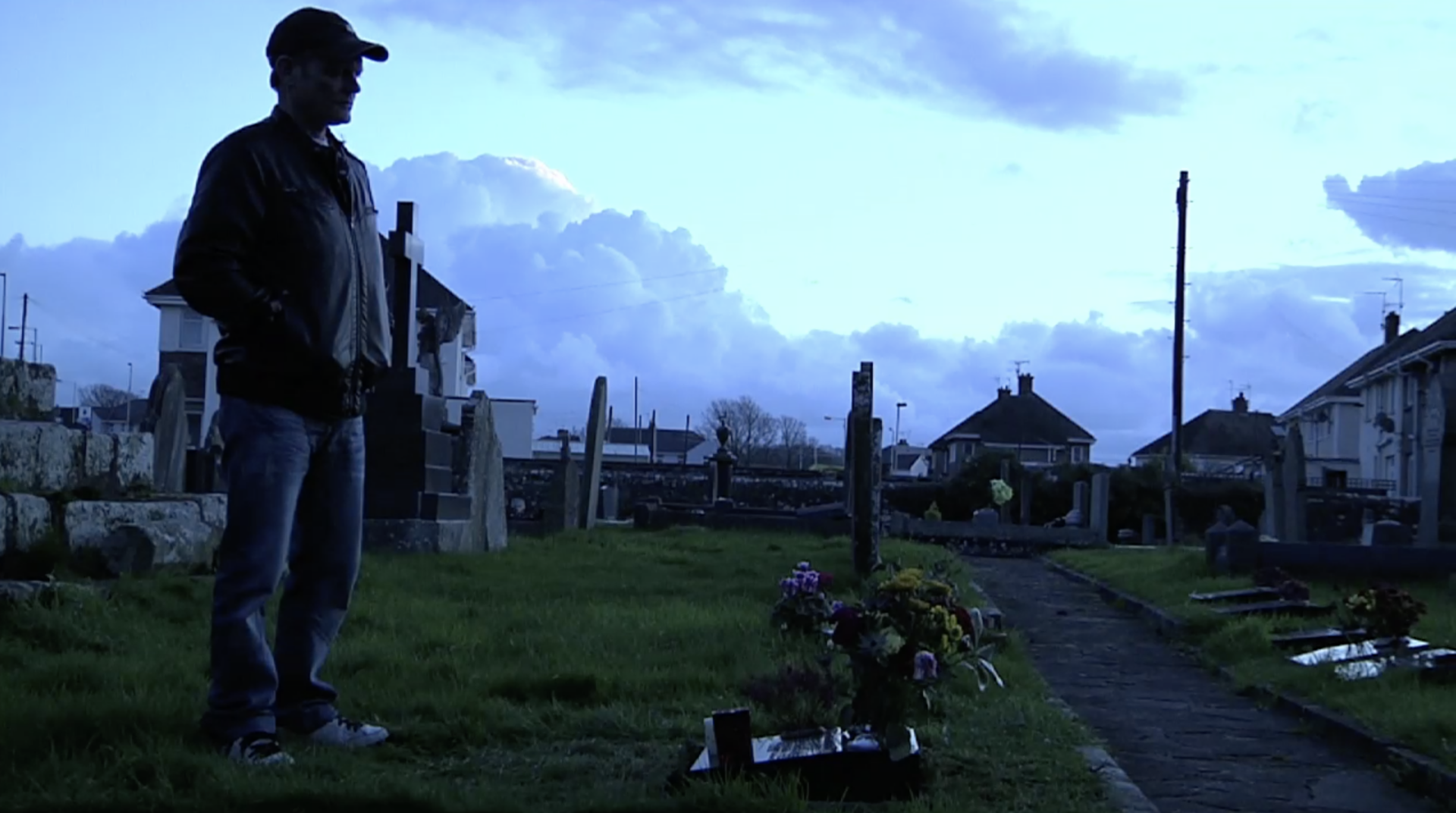
In the years following the epidemic, the town of Bridgend has assumed a kind of macabre cult status. The internet is flooded with articles and YouTube videos speculating on what could have caused these unfortunate events. Bridgend itself has gained a sombre reputation as a ‘suicide hotspot’ and was also the subject of a dramatised feature film in 2015. Most reports point to alcohol and the lack of opportunities in the locality as the primary reason for the deaths, but in darker corners of the Web, you’ll find conspiracies about serial killers, or even a theory that the local water supply was contaminated to chemically imbalance the individuals involved. The most interesting idea and most convincing link between this story and Alan Michael’s exhibition, however, emerges through the interviews with the family members involved. They propose that it wasn’t the dearth of future prospects or the water supply, not even the alcohol, but that it was the media, who is partly to blame for the wave of young deaths.
With front-page headlines such as “Another Girl Hangs Herself in Death Town” and “Suicide is ‘cool’ says a friend of death cult gang”, it is no wonder that many of the family members argue that it was hostile newspaper coverage of their children’s deaths that created a narrative for many of the vulnerable groups in Bridgend to validate suicide. The British National Press printed full-page spreads about the recently deceased to drum up hysteria and outrage. It does not take a huge leap of the imagination to see that this coverage might have enabled rather than discouraged young members of the Bridgend community, who were already struggling with their mental health.
One of the saddest parts of Bridgend is a scene where a young man called Justin Beecham is interviewed at home with his mother. Beecham was a good friend of at least two of the deceased teens and explains why he believes his friends might have done this. He turns to his mother and swears outright that he would never kill himself as he had seen the horrendous consequences for himself. Despite this, at the end of the documentary, you find out that in the subsequent months after shooting Bridgend, Justin Beecham ended his own life a day before the funeral of his friend, Tom Davies.
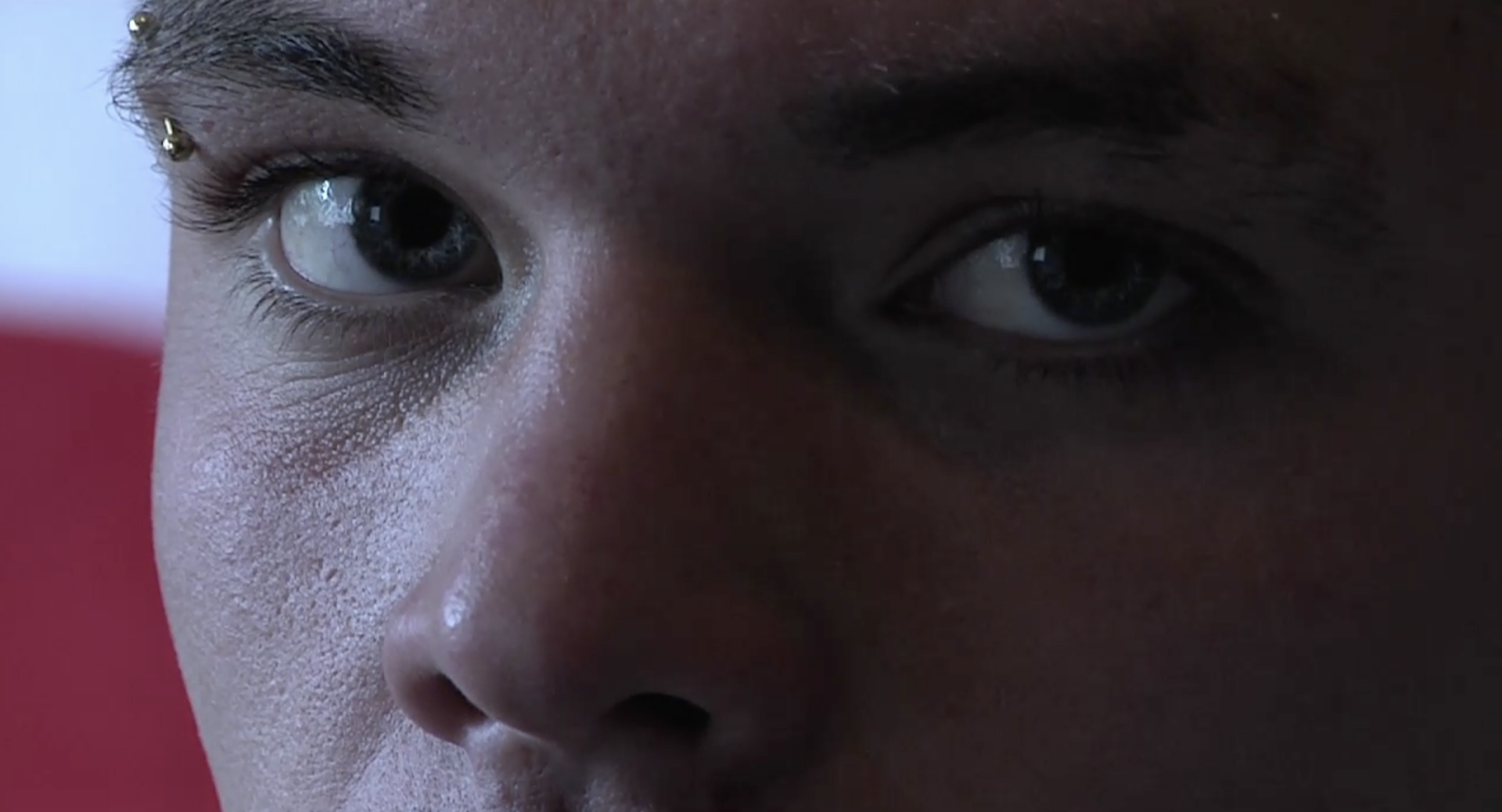
What is significant about this tragic turn of events is the way in which the film itself is complicit in the Bridgend epidemic, if only because of how it portrays this town. This is not a thoughtful or particularly empathetic documentary: the director is very present and offers no real insight into why this tragedy might have occurred. Instead, it comes across as invasive and one-sided, capitalising on the vulnerability and grief of the devastated families. The result is a film that tries to push the cynical idea that ‘there is a mystery in this strange town’, which is a lot easier for audiences to digest then sincerely acknowledging the suffering of this group of people.
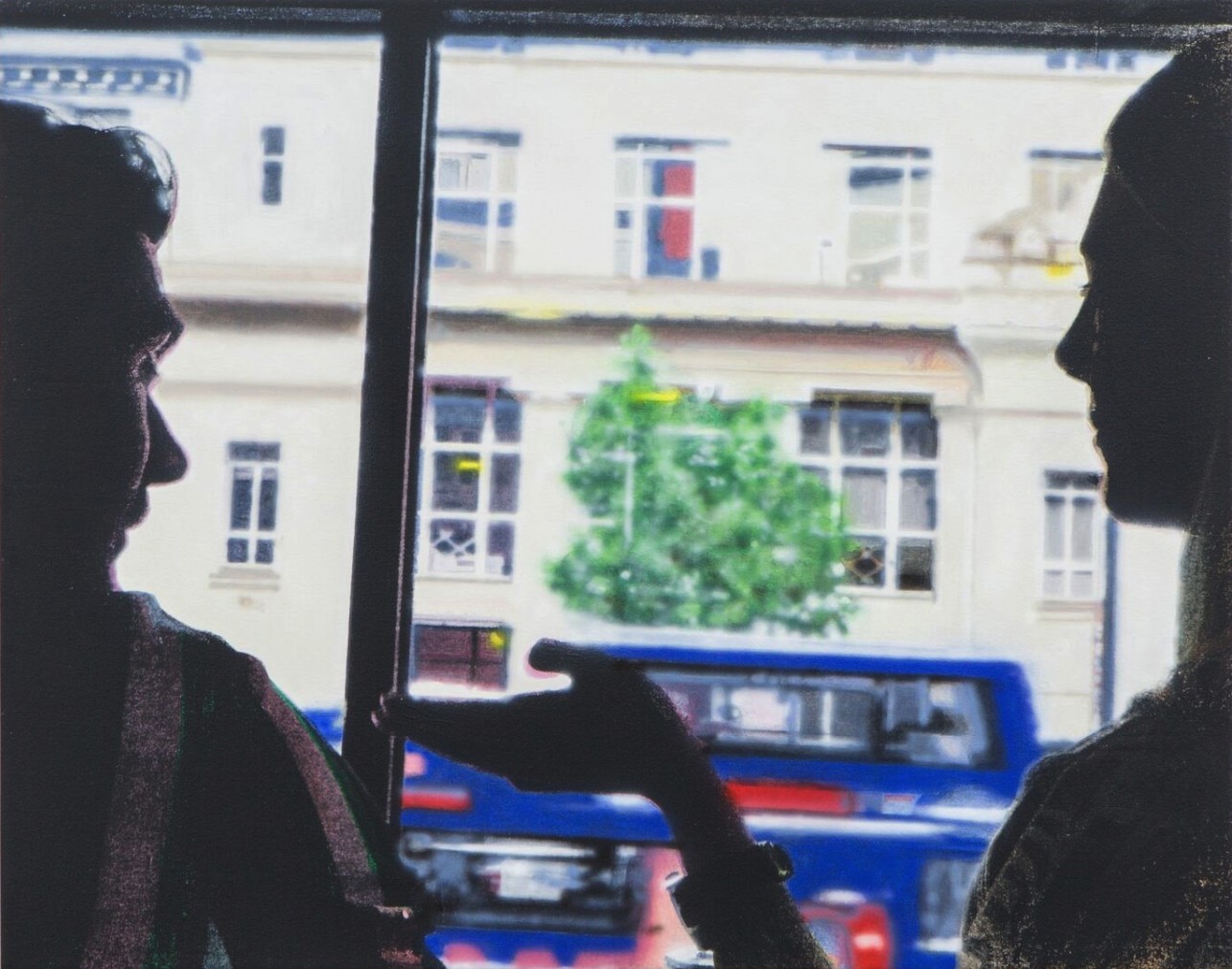
As a documentary, Bridgend reveals how a place is described and presented can dramatically alter its nature — as the families testify, their town has been misunderstood and reduced to a single horrific association. Arguably, this is the link that Allan Michael is trying to forge between his paintings and the screening of the documentary. His recent work, based on photographs of models hired from an agency, depicted wandering through central London, in the clichéd manner of classic fashion editorials, could be said to exemplify the same reductive qualities of representation. The paintings depict places and people, who seem familiar, except that they are devoid of nuance and complexity — their multiplicity is compressed and flattened to meaningless ‘representation’. One painting depicts the highly recognisable scene of a London bus passing outside a window where two shadowy figures chat. There’s nothing revealed about these people, no interior life or visceral feeling, only the brevity of their representation.
We live in a culture saturated with this type of imagery. We see so many representations of people every day on billboards and in advertisements that they’ve become unreal to us, embedded in the visual fabric of our daily lives. By painting these types of scenes in a photo-realistic style, Michael gives new depth to this style of imagery, shining a light on how we can miss things, how we reduce and over-simplify. Instead, Michael invites the viewer to overcome their familiarity and rethink what they are looking at. Even if this idea isn’t overtly apparent to an audience, most people will get close to his work just to make sure that they are in fact paintings. This means that his paintings warrant more than a cursory glance. While it is an unsettling choice to screen Bridgend, it seems likely that Michael decided to screen this distressing documentary to illustrate how we can reduce people to shadows and signifiers to suit our own narratives. The same goes in the case of the town of Bridgend. It’s not a ‘death town’, it’s a place where people live and share their lives together. Like with Michael’s paintings, it demands a second look.
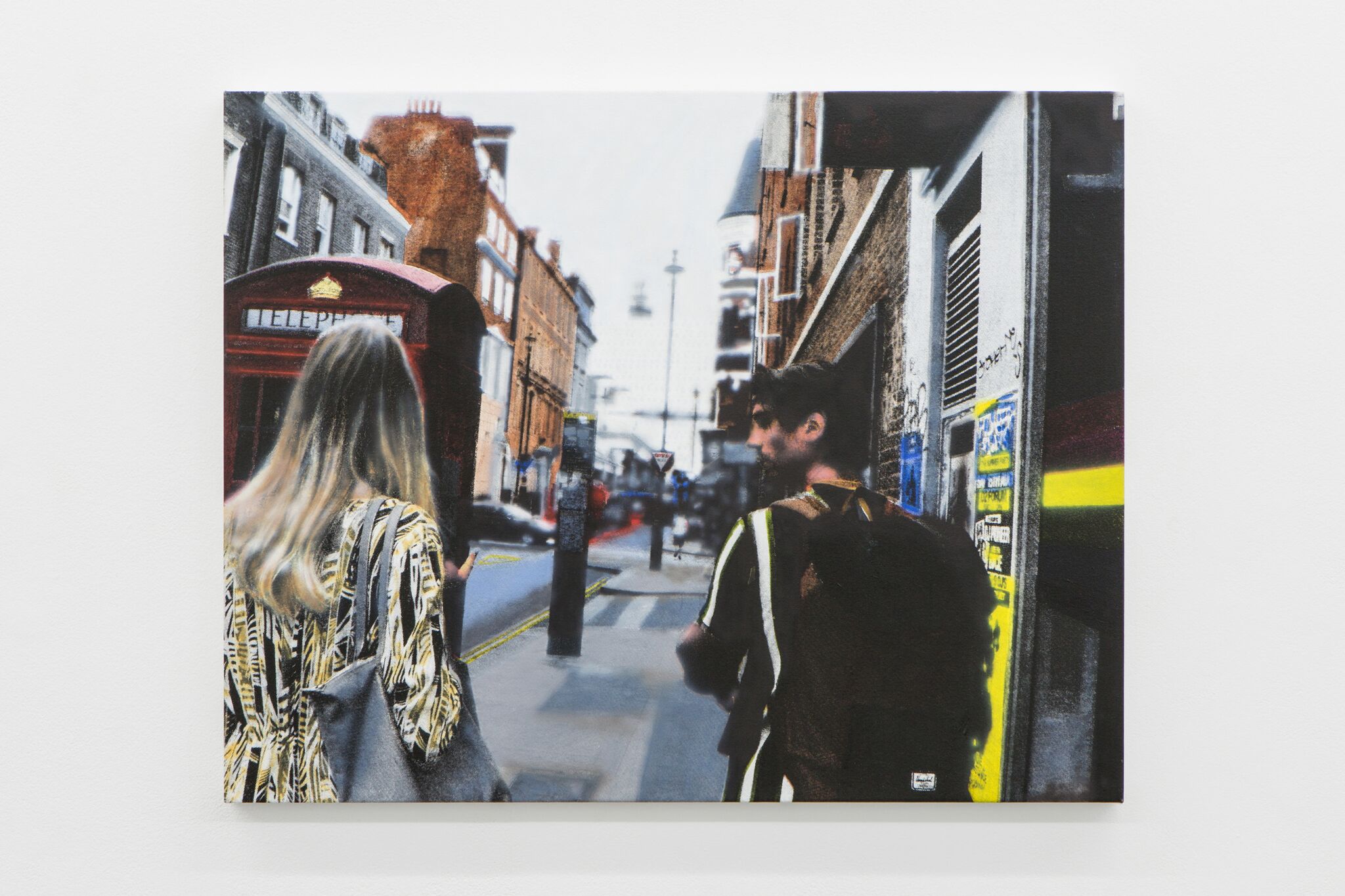
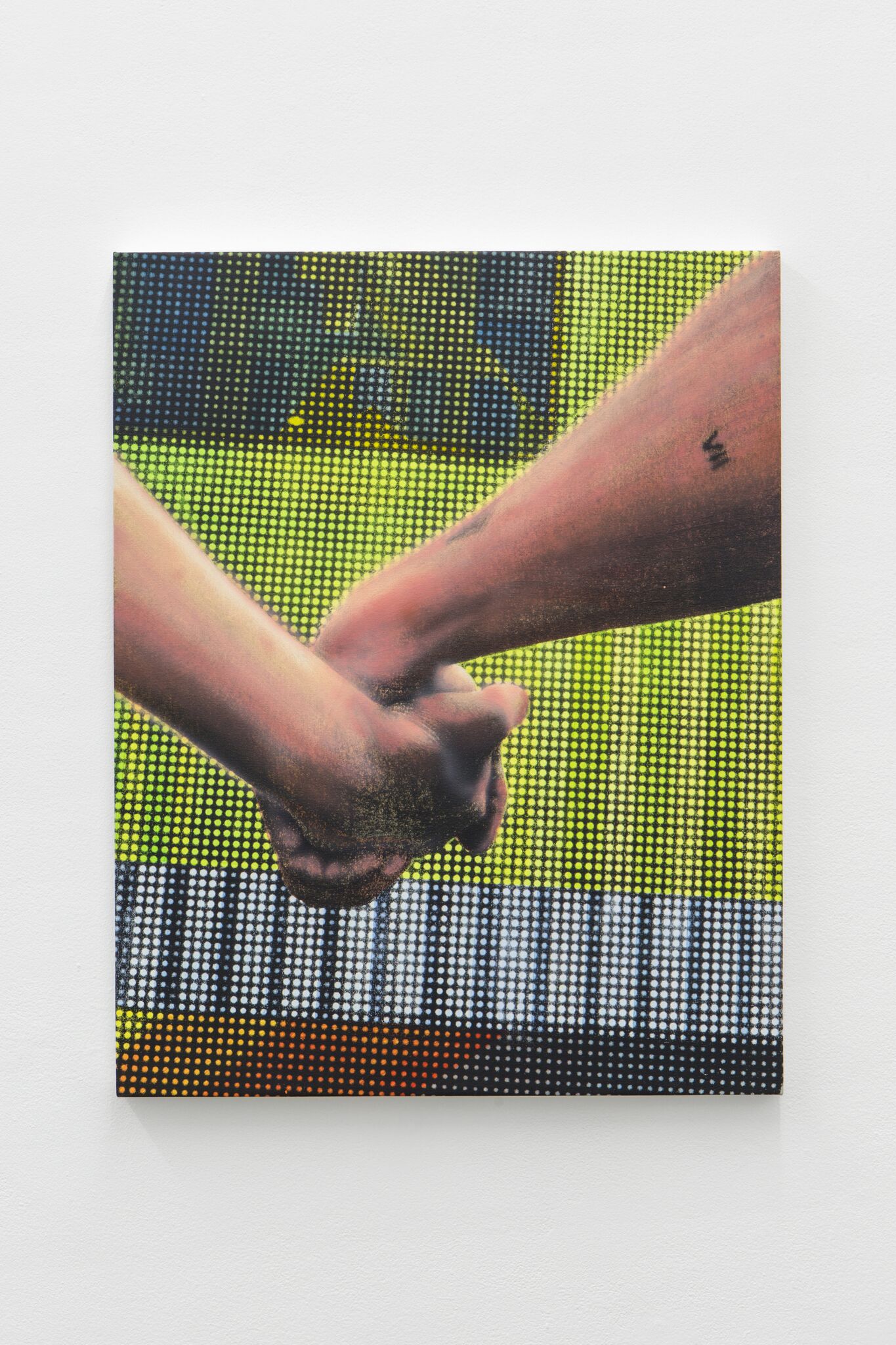
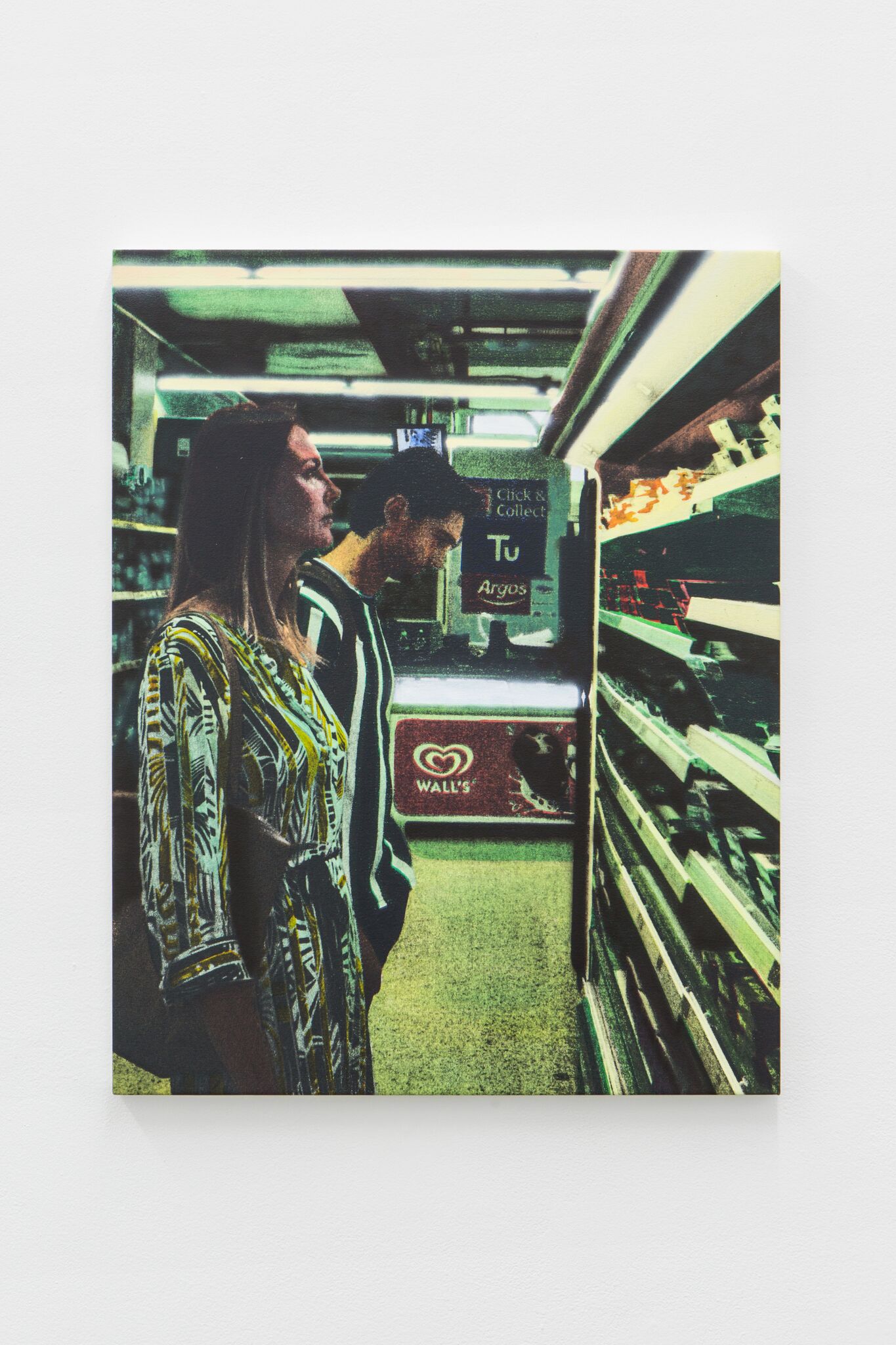
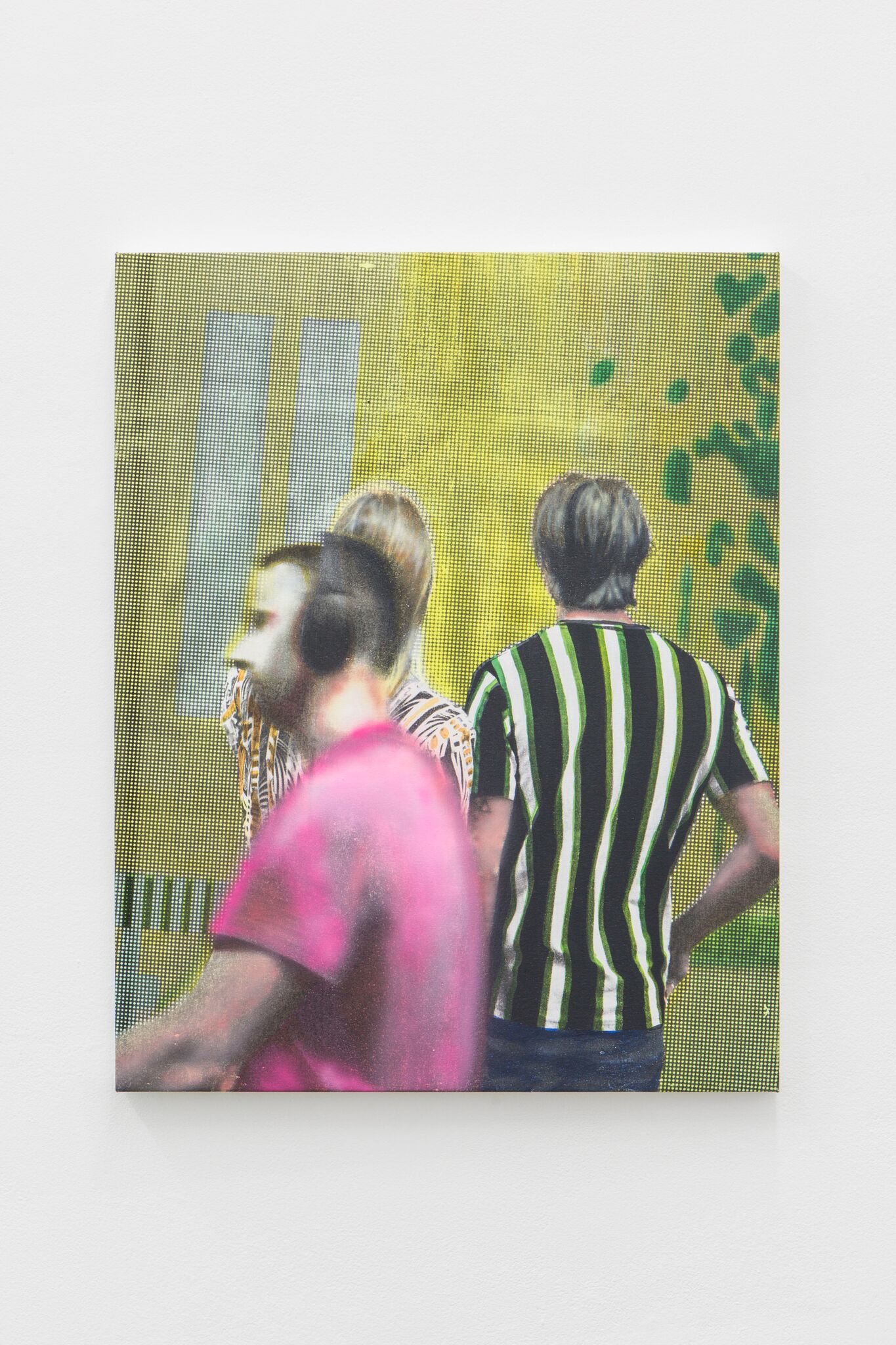
“Astrology and the City” runs until the 11th of November at Cell Project Space.
Paintings courtesy of Cell Project Space.