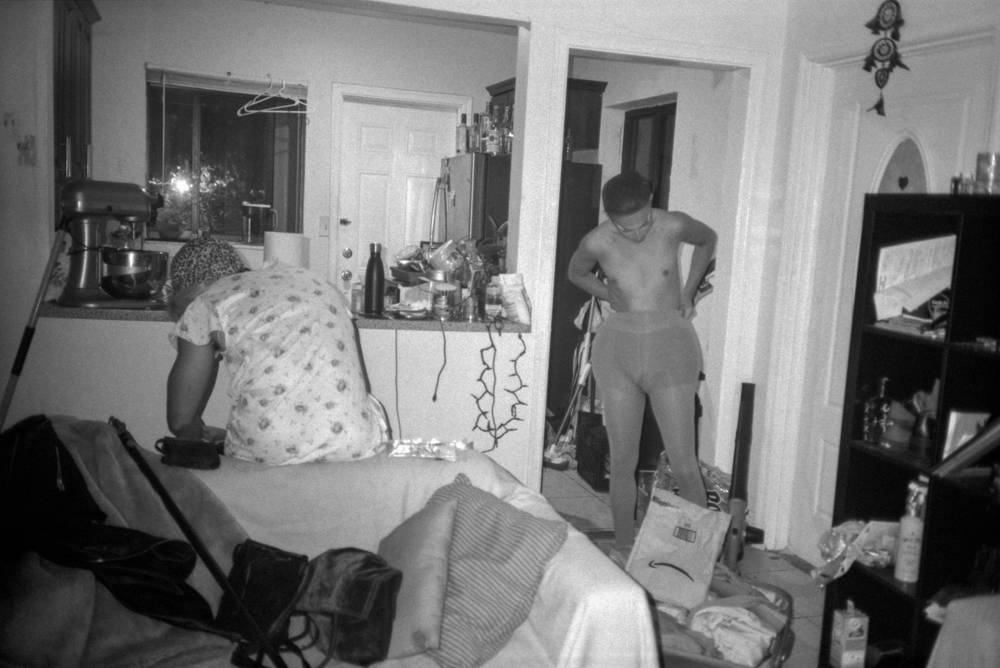
Photography by Ardelle Schneider
Ardelle Schneider is a German photographer capturing the intimate insight into today’s drag scene in the U.S. Now, she releases her new book ‘Butterflies and Caterpillars,’ which was shortlisted for the Kassel Dummy Award in 2020, that examines the meaning of identity and construction of ‘self’ removed from the gender-specific role expectations. Following the lives of various individuals through their every day balancing between their dual-existent ‘self,’ Schneider poses these questions: Does clothing change our behaviour? What does it reveal from the inside out? Can a curated outward appearance affect the interaction with others? Who is behind the layers?
SLEEK caught up with the photographer to speak about her first introduction to drag, how it’s changing and why it’s important for her to share her observations.
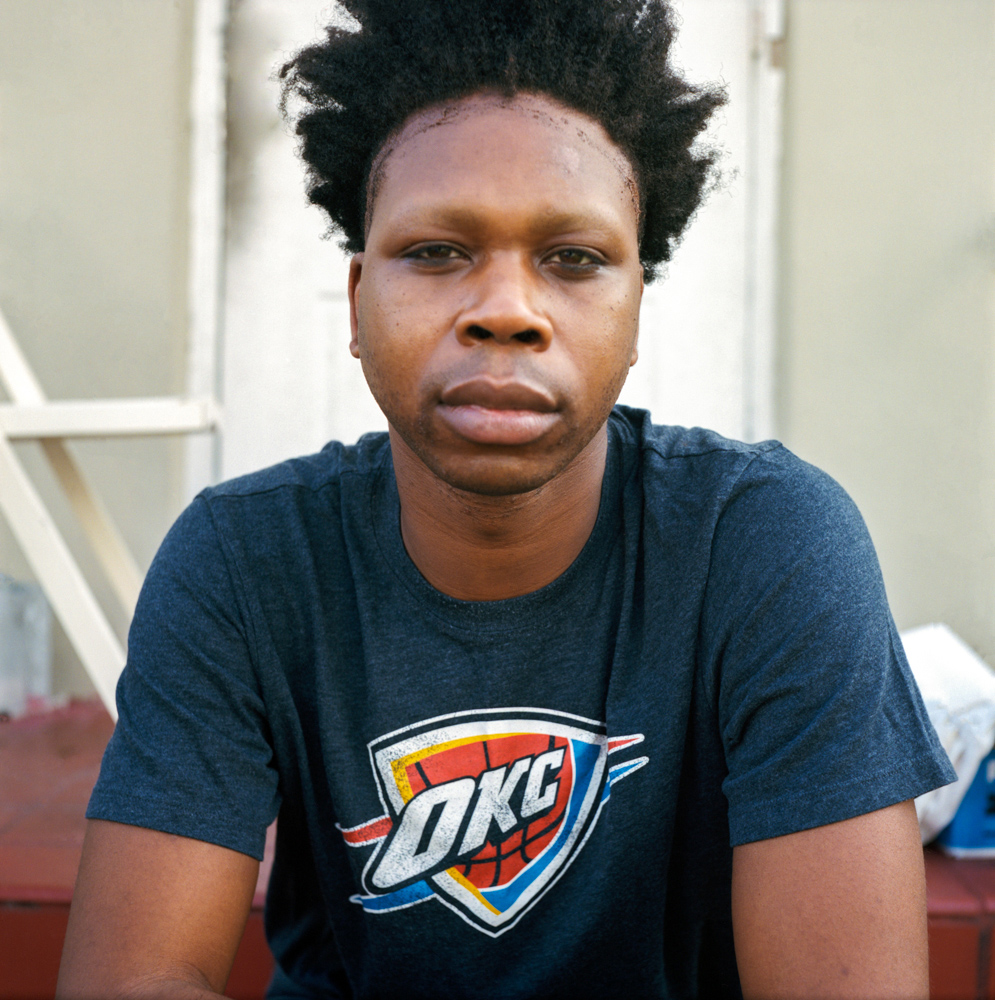
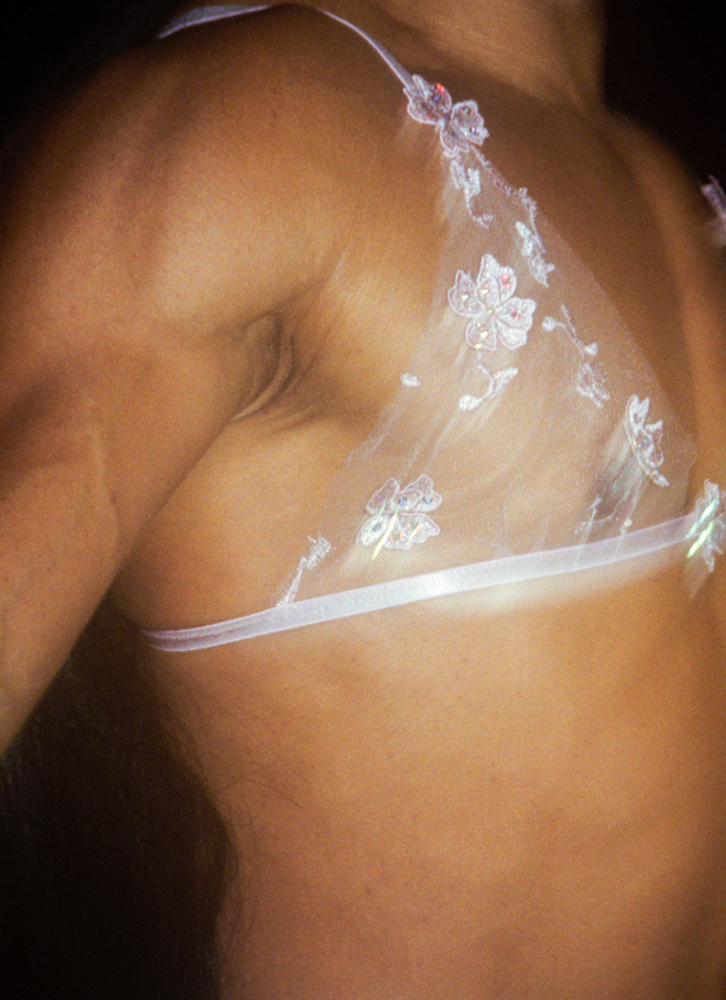
Photography by Ardelle Schneider
Can you tell us about what first attracted you to the drag scene? Specifically, the U.S. What was the introduction?
RuPaul’s Drag Race, among other things, has helped the drag community become more present and popular in mainstream culture. That’s how I became more aware of the drag scene at the end of 2018. In connection with a photo seminar I attended, I wanted to deal more intensively with the drag community. I’ve seen Jennie Livingston’s documentary Paris is Burning (1990), looked and looked Nan Goldin’s “The Other Side,” and delved deeper into the history of the ballrooms (drag balls). I was fascinated by the art form, the act of transformation, and the duality between self-representation and the perception of others It is a kind of dual-interaction between the act of covering and revealing.
The New York drag balls from the 70s are legendary and is often the point of reference for ball culture. Comparing it to your more contemporary experience, what do you think has changed?
In the age of the internet, social media in particular have emerged as a platform for the free development of genderless identities. Digitality creates a new dimension of identity in that it can be liberated from the body. The visual confrontation with the ego leads to new forms of identity. She deals with self-staging, one’s own body image, and at the same time enables self-reflection. That’s how I noticed that global networking, the dissemination of images in real-time, and the reaction of others, as well as the subsequent exchange in social networks, is of great importance in today’s drag community. The network is growing and is publicly accessible to everyone.
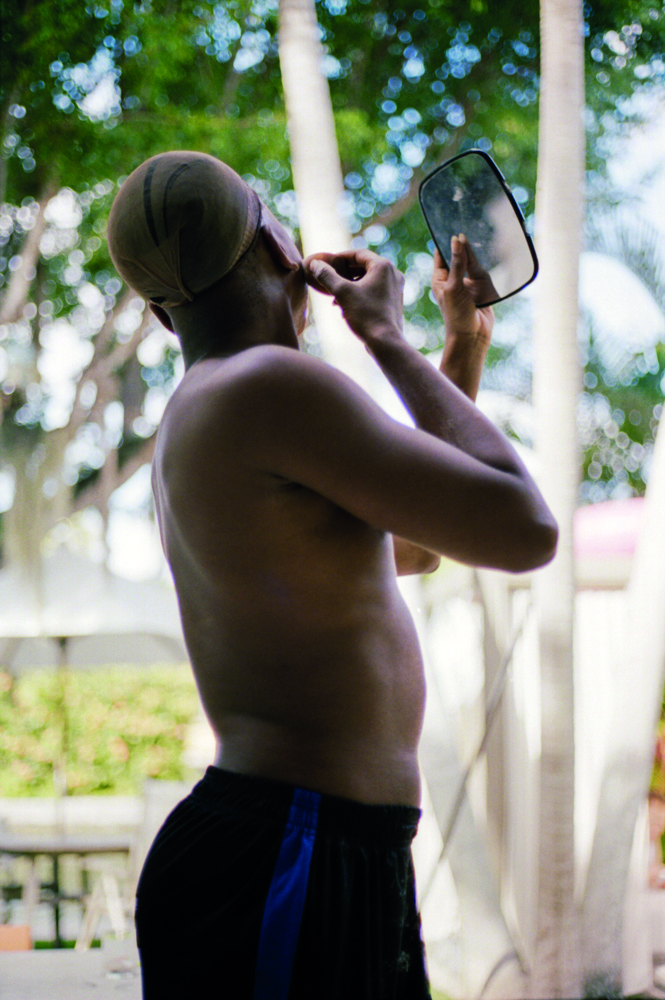
Photography by Ardelle Schneider
As you mentioned, most of our introduction to drag culture is likely through RuPaul’s Drag Race or Paris is Burning. With your book, what is most important for you to express from the observations through your project?
The work is intended to provide an intimate insight into the subculture, which we might otherwise not have access to in everyday life. Over a longer period of time, I accompanied the protagonists in their everyday life and photographed them in private moments as well as during their performances. In addition to the act of transformation, the duality of man, which is determined by the image of self-design and the image of the outside, is addressed. The photographs in the book bring us closer to the passion, the joy, the diversity of art, and at the same time the vulnerability of the people. This is supported by quotes and interviews that allow us to delve into the protagonists’ world of thought. It was important to me to get to know the people outside of their performances. Photography has served me as a means of revealing the intricacies of the characters hidden behind the loud masquerade.
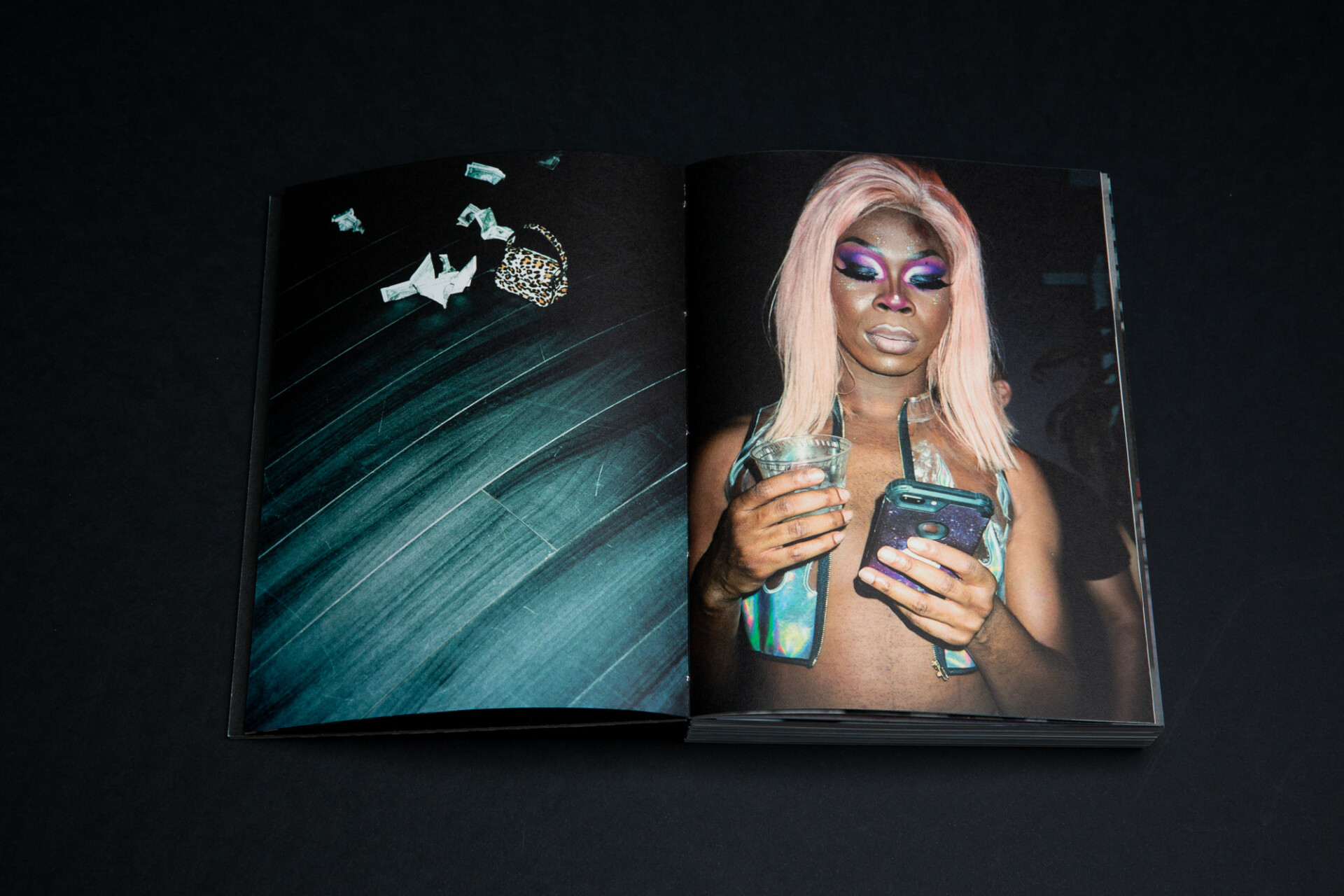
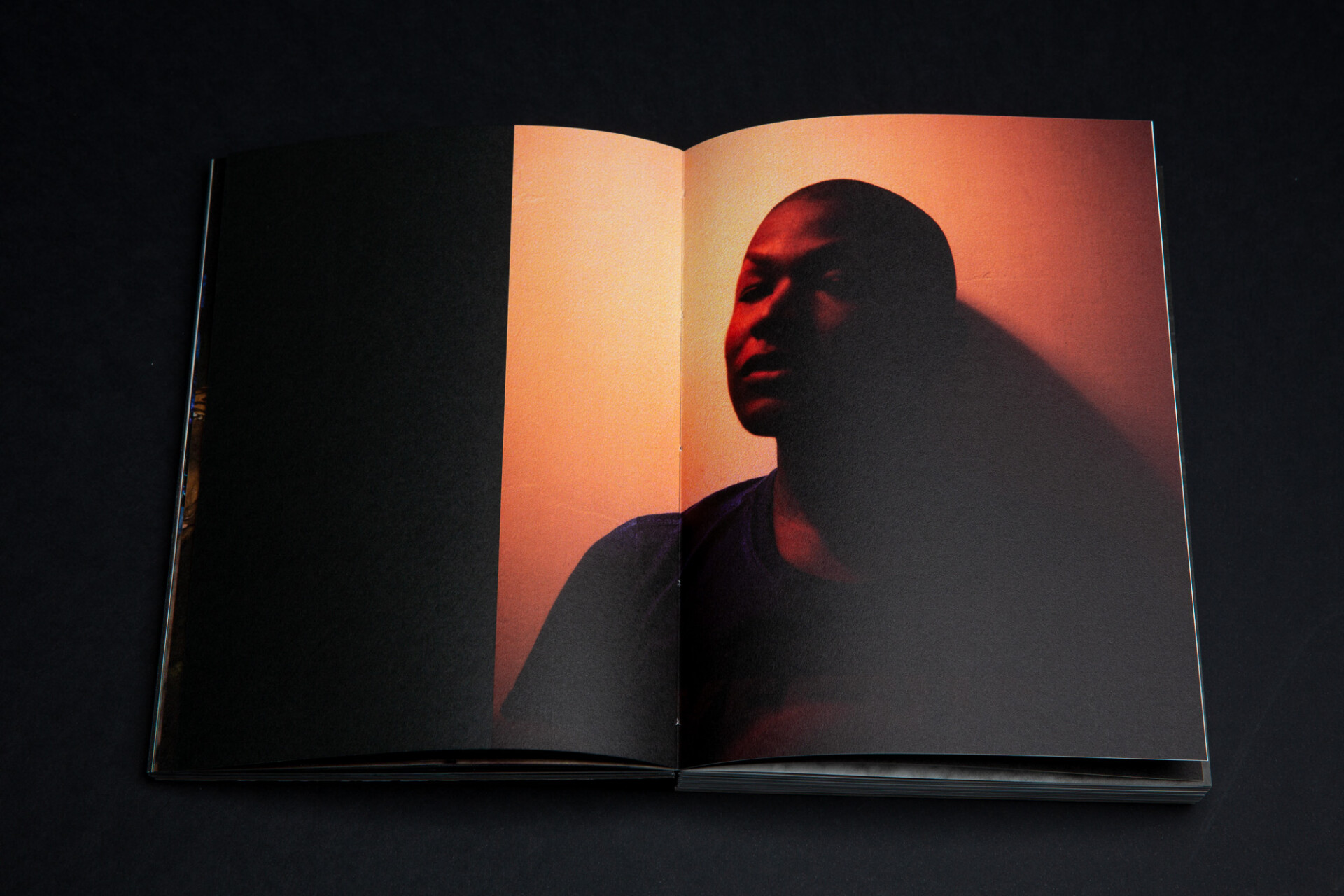
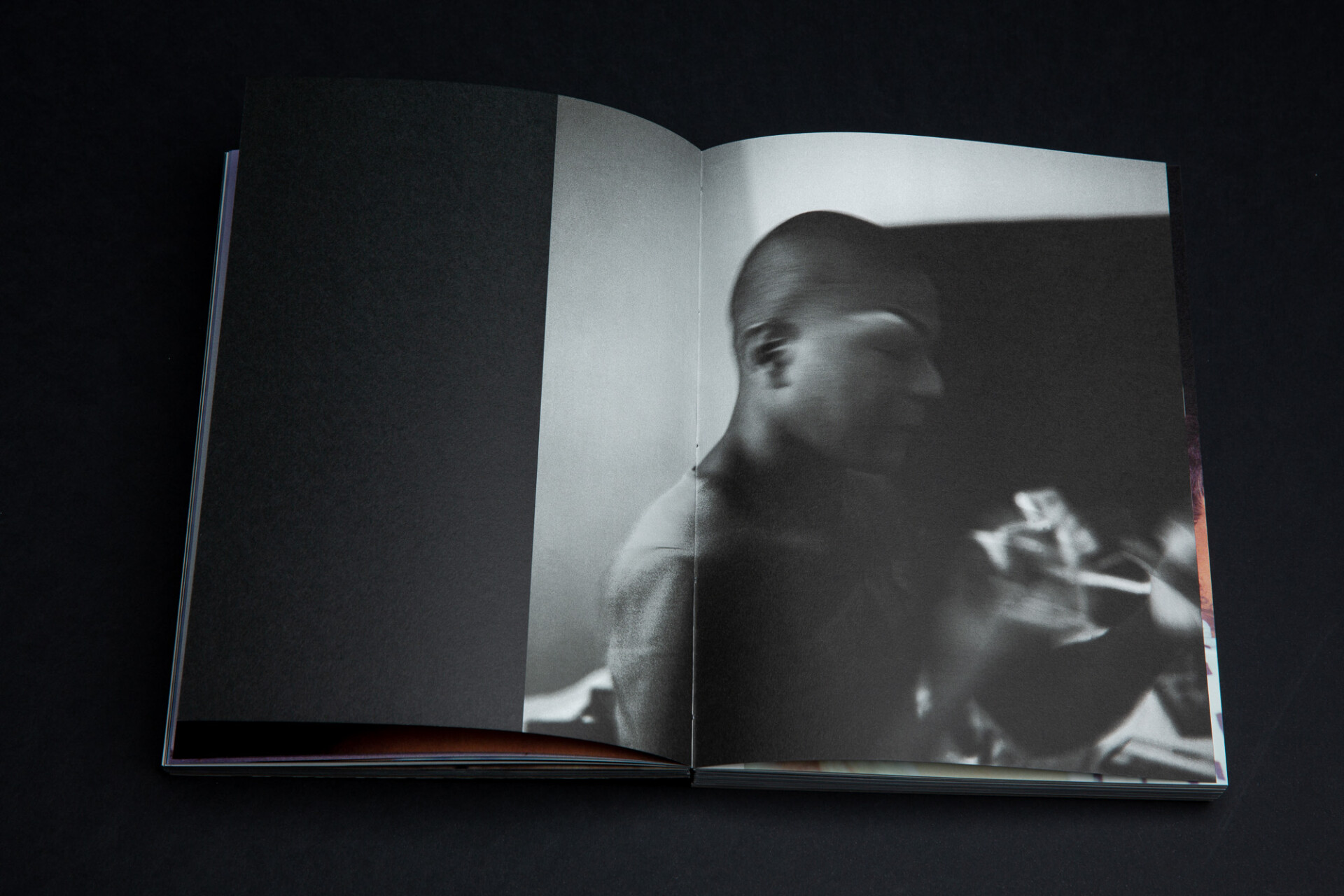
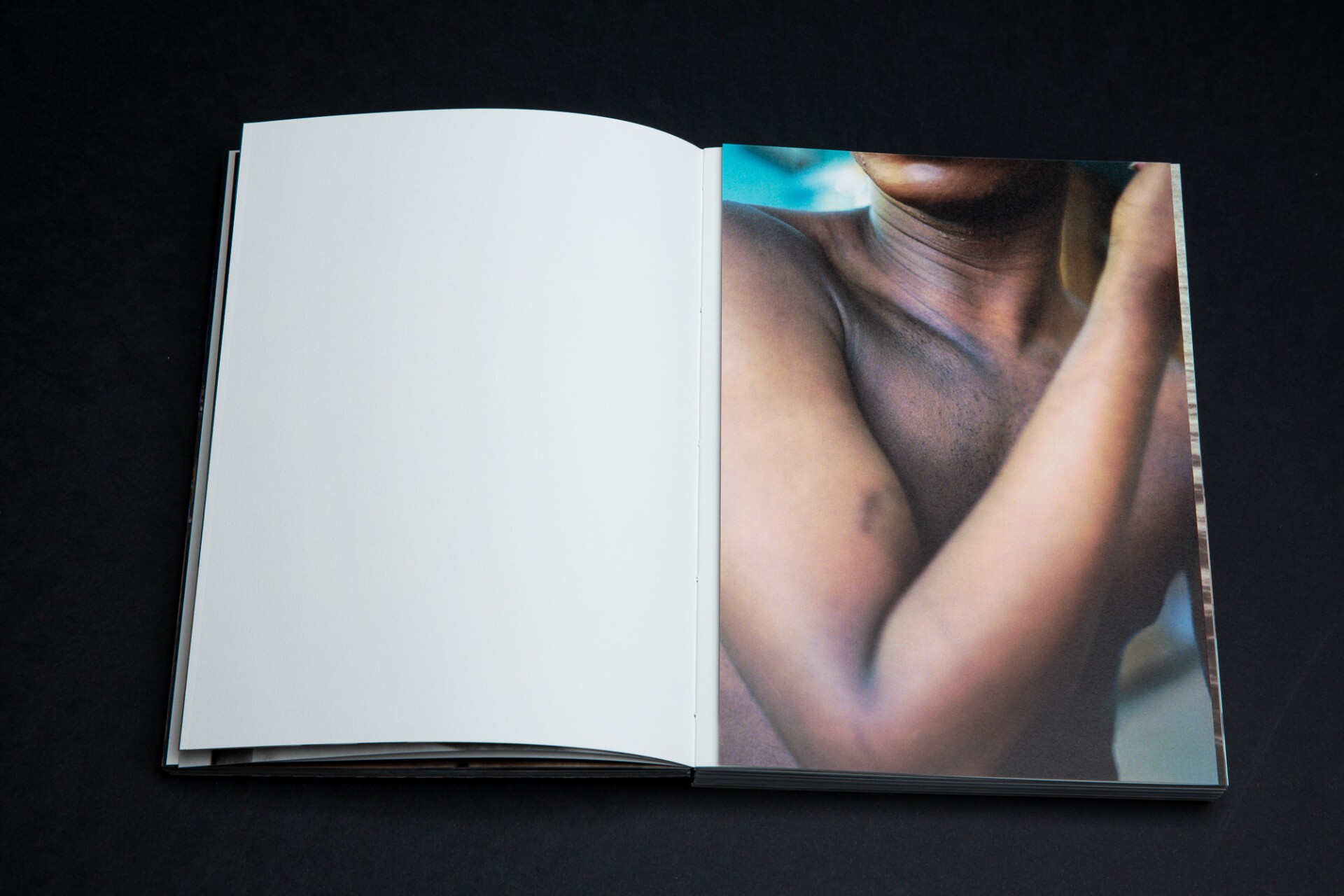
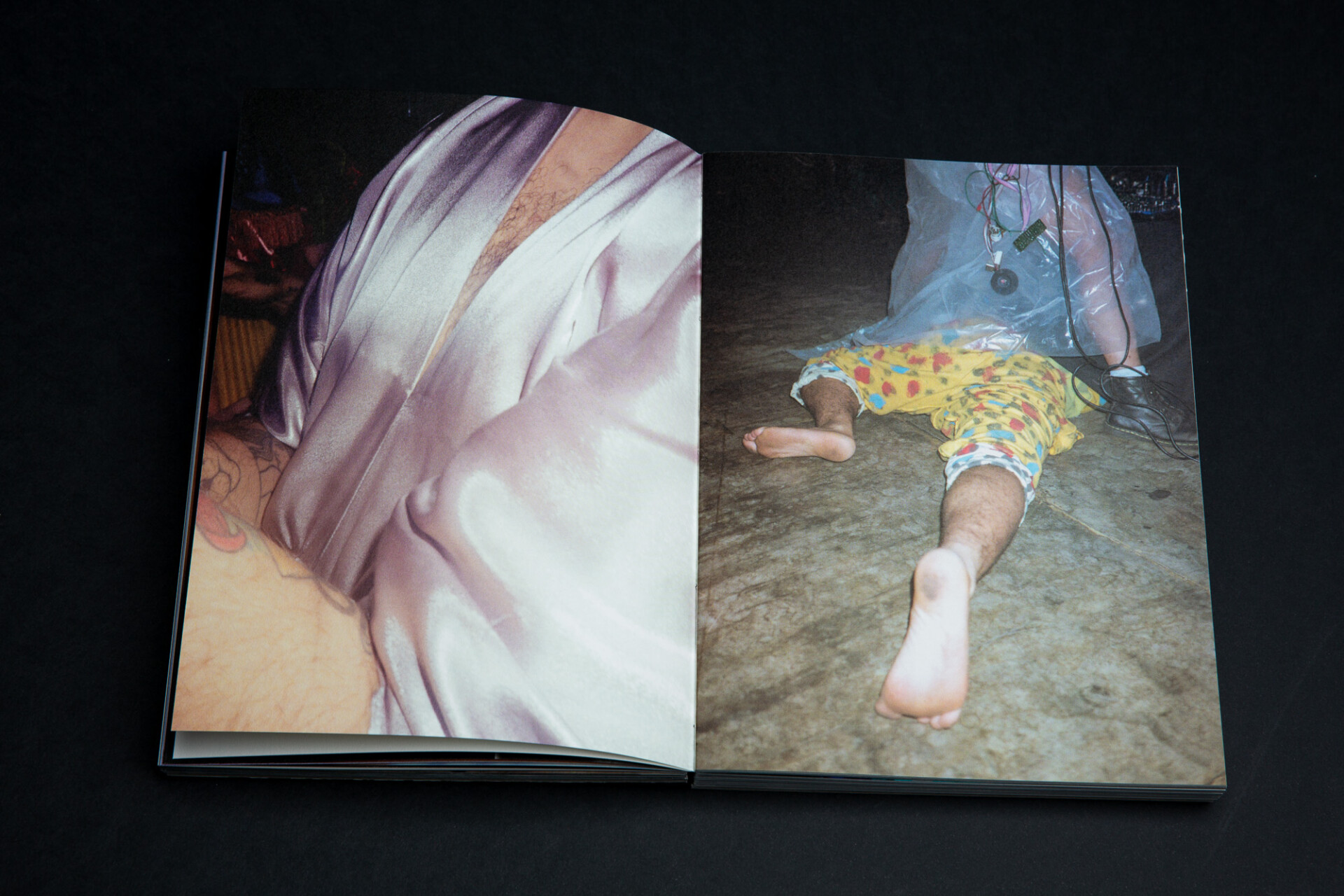
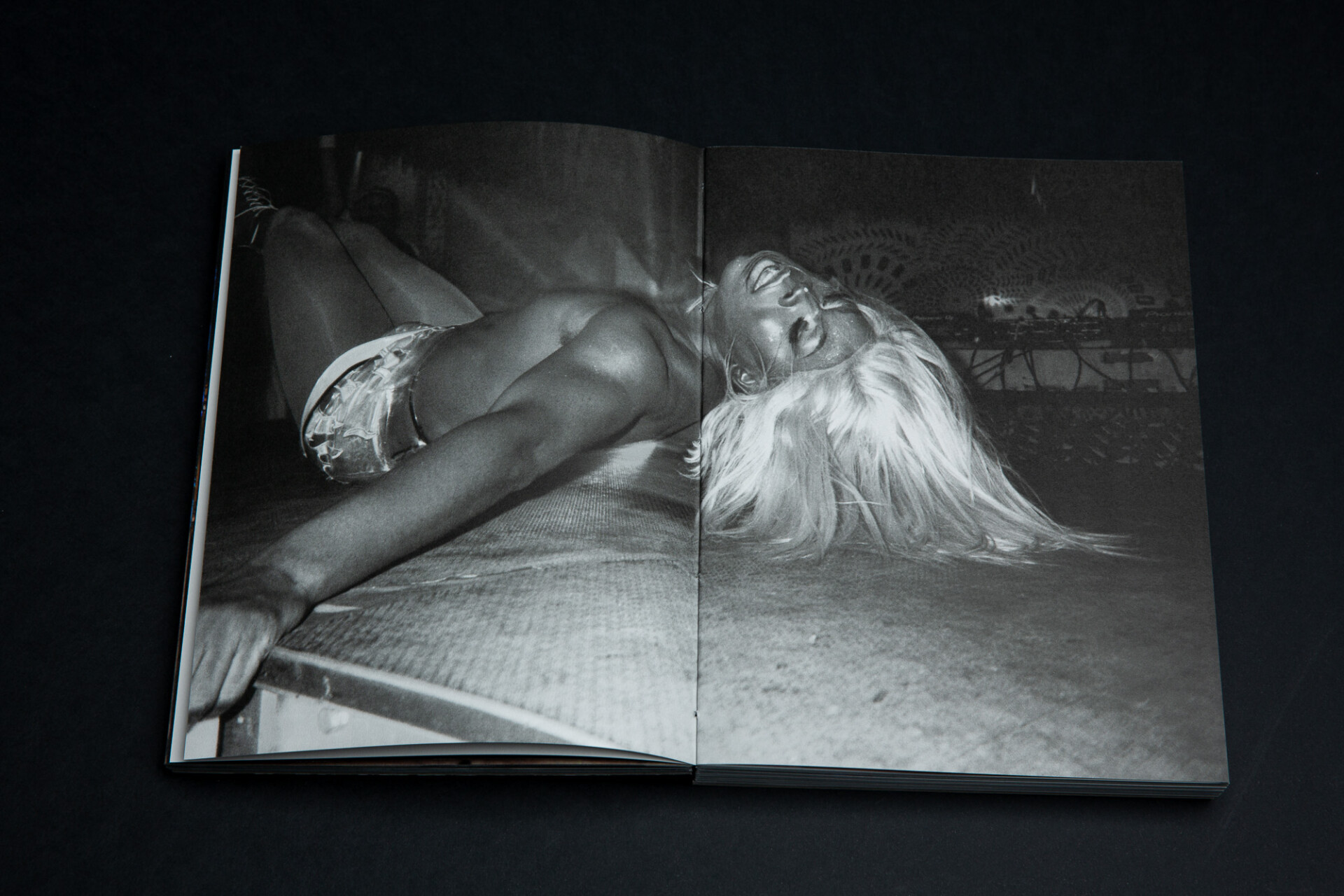
All Images from Ardelle Schneider ‘Butterflies and Caterpillars.’ Image Courtesy of Ardelle Schneider.
See more of Ardelle Schneider’s work at ardelleschneider.com.