Berlin is a city caught in constant flux. This is the city where businesses start-up and move on, where artists grow and then leave for better money, where population turnover is a fact of life. Try keeping the same friends for more than a few years here and you’ll know the true extent of how hard it is to foster a sense of permanency in a continually transforming city.
Given the immense pace of change, the idea of doing a year review of life in the Hauptstadt is faintly ridiculous: leave for six months and you’ll find that everyone you know has a new job, moved offices, acquired their third partner and moved into their fourth apartment. And your favourite bar/club/restaurant will have either shut down or become so mainstream that you can’t go there anymore.
As much as things alter, however, they also stay the same: the infamous “new” airport still hasn’t opened, no one ventures outside of the Ring, and Wedding — as much as your colleague might protest — is still not the new Neukölln. How do we go about charting the last twelve months for the city, then? Let’s take three defining factors that have impacted the German capital in 2018:
1. Gentrification is scheiße, but now it’s really, really scheiße
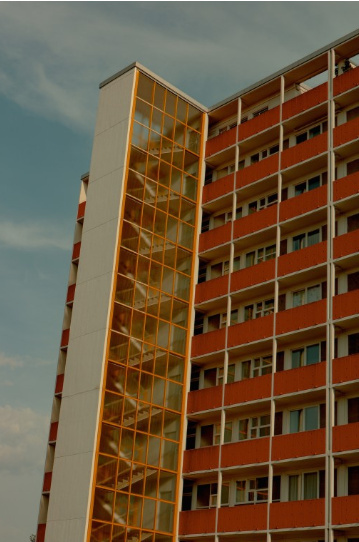
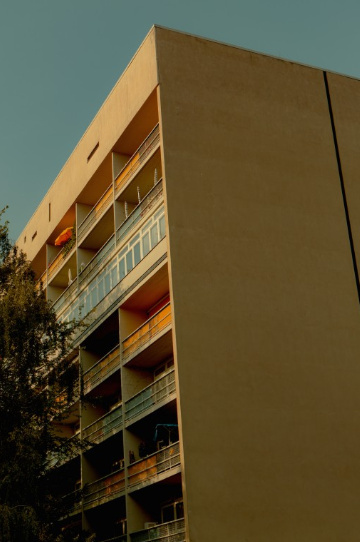
Photos: Jan Kapitaen
So, we all know that gentrification is bad, right? If you don’t, then you’re probably the sort of person going out of your way to engineer it. 2018 saw it go from bad to downright unmanageable. Rents rose by 25% in 2017 — the fastest in the world — and another 12% this year. Something in the region of 50,000 people have moved to Berlin every year for the last ten years or so, and they all want to live somewhere relatively central (and somewhere relatively “hip”), meaning that something, obviously, has to give.
The stats are one thing, but the anecdotal evidence is even worse: eye-popping numbers of 50 or more turning up to house viewings, others moving from different sublet to different sublet month after month, and, yes, VICE putting a utility cupboard on WG-Gesucht for €400 a month (and getting someone to take it). And that’s just housing: we could discuss the obvious increases in living costs, but then I might slip into a hazy fever dream of €1.50 döner and €2 pints. Ah, 2014.
The rent is too damn high, and that is obviously depressing, but the good news is that people have actually begun to do something about it. The long-rumoured Google Campus in Kreuzberg – seen as the vanguard of gentrification – has been abandoned after a concerted campaign against it. Berlin’s city government announced at the end of November that it will build 200,000 new homes in the next 12 years, with half of them being affordable. While we take all promises of building with a pinch of salt – see: the airport – this does at least look like they are trying to do something.
2. Germany (and Berlin) is pulling up the drawbridge
One of the major contributing factors to the expansion of population in Berlin was the huge influx of refugees arriving in 2015. It was one of the proudest moments in the city’s recent history — and in Germany in general — as people recognised that a major global tragedy was taking place on their watch and reacted to it in the best possible way. It was chaotic, disorganised and plenty of things went wrong, but overall we knew that we were doing the right thing.
Well, in 2018, we saw a reversal of that sentiment. The dust has mostly settled on the migrant crisis and, all over Germany, the backlash has begun. In migrant-heavy areas, particularly Wedding and Neukölln, posters were put up by the Migration and Refugee Ministry that read “Dein Land. Deine Zukunft. Jetzt!” — “Your Country. Your Future. Now!” — intended to entice migrants to go back to where they came from. Any British readers will clearly remember Theresa May’s notorius “Go Home” bus and the so-called “hostile environment” that it created.
Those billboards were just the harsh end of a wedge that has seen Germany pull up the drawbridge on those that it welcomed in 2015. We saw anti-migrant violence from the far-right in Chemnitz and the government torn apart by the debate on immigration. Berlin stood against that, however, with hundreds of thousands attending demonstrations against racism, right-wing populism and anti-immigrant sentiment, but it is clear that the political tide has turned.
3. The Queen is dead, long live the Queen
Which brings us to our final major change. Angela Merkel — Mutti supreme for the last 13 years in Germany, announced that she will call it a day as of 2021, with Annegret Kramp-Karrenbauer already appointed to replace her as head of the Christian Democratic Union (CDU). Inevitably, the latter part of Merkel’s reign will be defined by her role in the 2015 migrant crisis and the subsequent fallout from it, which has seen the CDU lose ground to the right-wing AfD as well as to the Greens.
The year began without a government, and we waited until March for the same CDU and Social Democrat government that were in place before the 2017 election to reconstitute itself. Kramp-Karrenbauer, in theory, represents a sort of continuation from Merkel, a centrist option that has taken the path of conciliation rather than pandering to the conservative right of her party.
On account of her controversial migration policy, Merkel lost a lot of support from members of her own party, resulting in seat losses to the AfD in many East German cities whilst winning allies on the left. Even in radically progressive Berlin, Merkel has rarely experienced the type of open hostility one might expect a conservative leader to be met with — Trump, May and Macron would kill for the reputation that Merkel will leave.
Berlin, of course, is a leftist anomaly in comparison to the rest of Germany. Kramp-Karrenbauer was as popular as any CDU candidate in the liberal capital: whether she will be held in the same esteem in the rest of the country remains to be seen.
2019, wir kommen für dich
2018 wasn’t all bad, though. We finally got contactless in the supermarket. Berlkönig is getting drunks home for €4. Germany went out of the World Cup in the first round, which was terrible for Germans, but pretty hilarious for everyone else. The summer was amazing, until it wasn’t and we all melted.
So, what do we wish for 2019? An end to ridiculous rents, a more welcoming attitude and a little bit more cheer in the city might go a long way, but to be honest, it’s probably been possible to say that every year for the last decade.
We can dream, though: so here’s to a 2019 in which we can all get off WG-Gesucht and get on with our lives, where the Berghain queue is short and when we can finally go to whatever cash machine we want without getting charged a fiver to take out our own money. Who knows? Pigs could fly. FC Union could get promoted. Whatever happens, you can bet on this: the airport still won’t open.