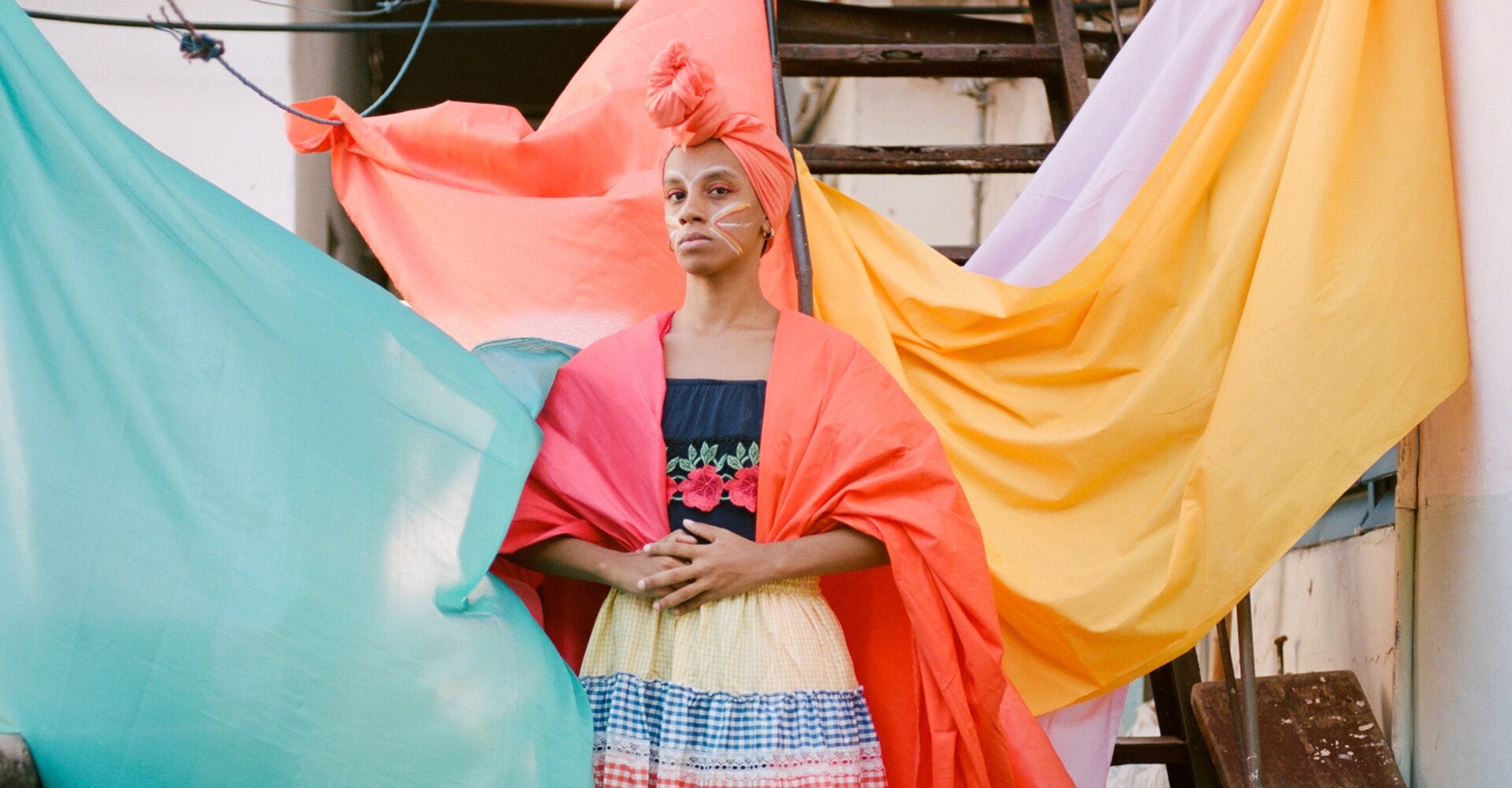
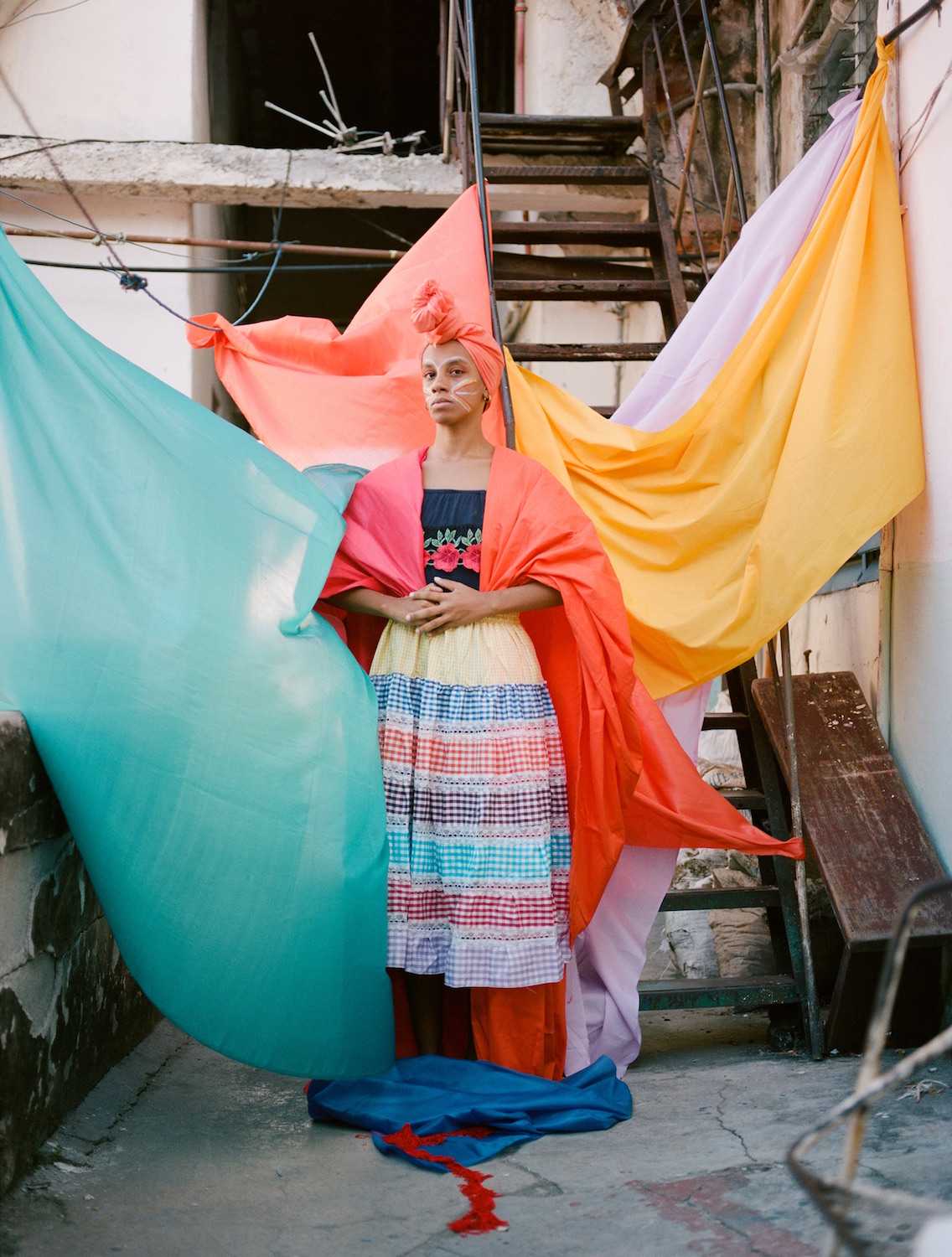
All photography by Camila Falquez
I write these words on the plane back to New York after a week that felt like a lifetime in Havana. From the doorsteps of the many houses I was in, I felt a tense and difficult reality, a very basic survival instinct that ruled every single human interaction I observed. Survival from a dysfunctional society that uses justice and equality as slogans under a burning sun, and the kind of tourism that is squeezing Cuba’s limited resources.
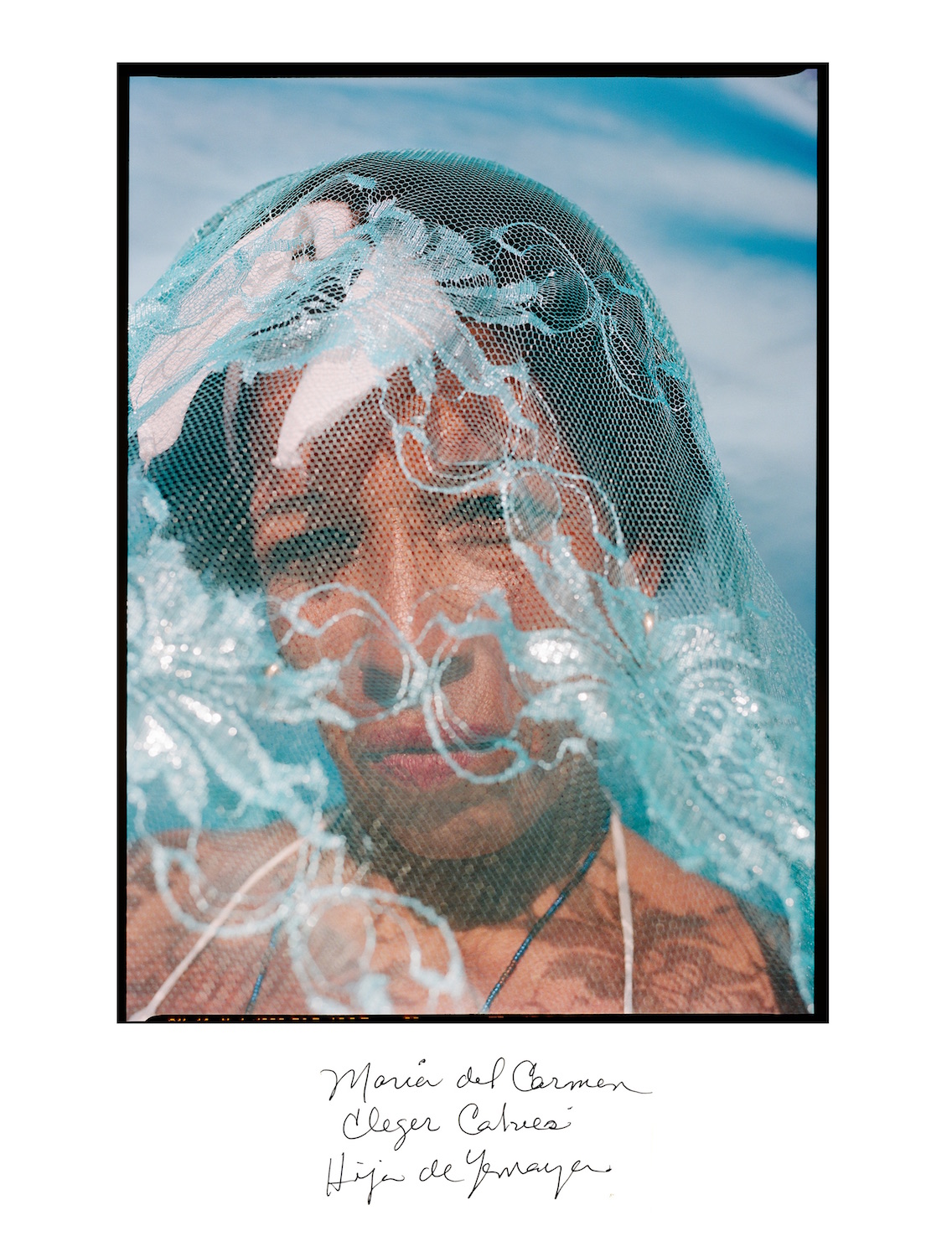
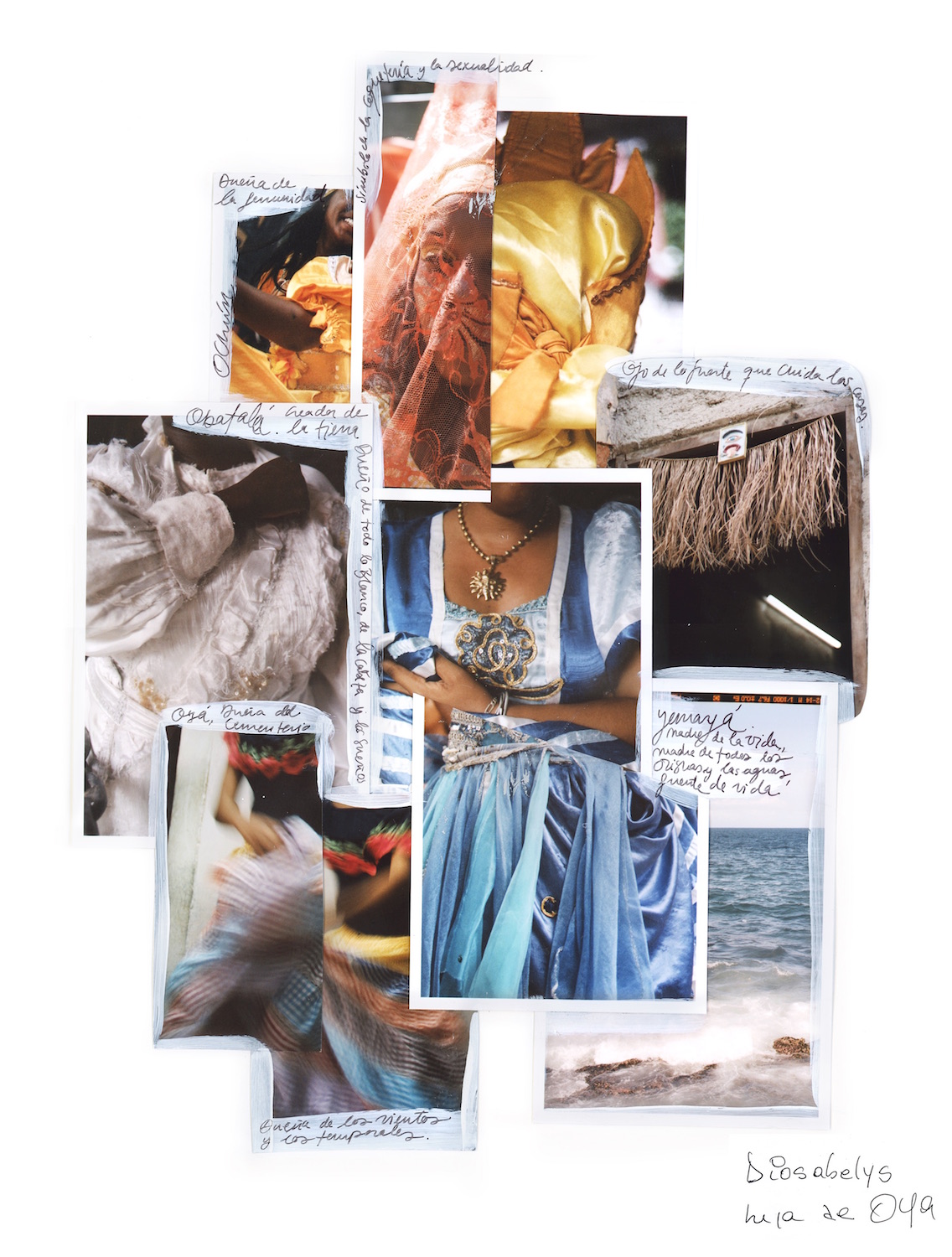
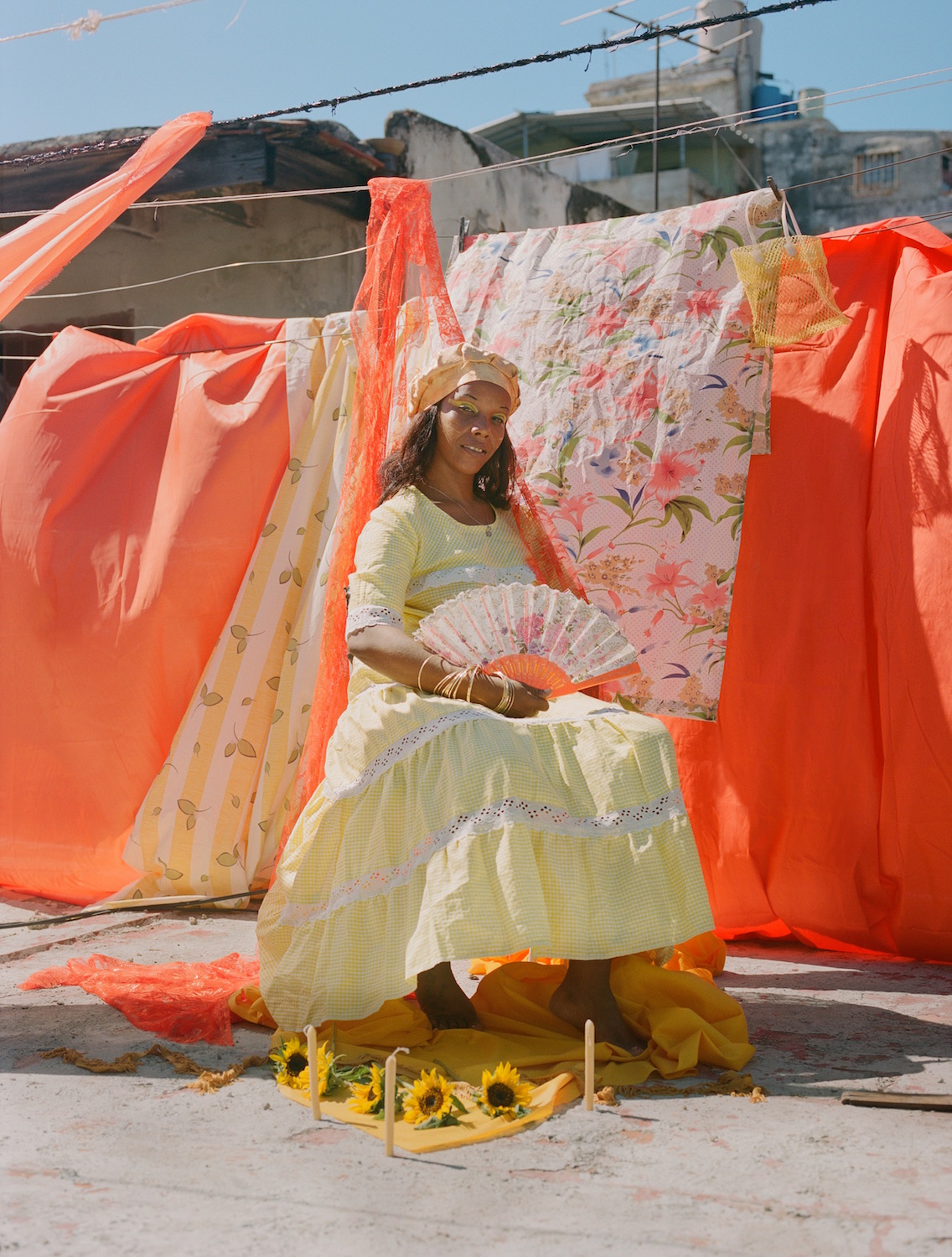
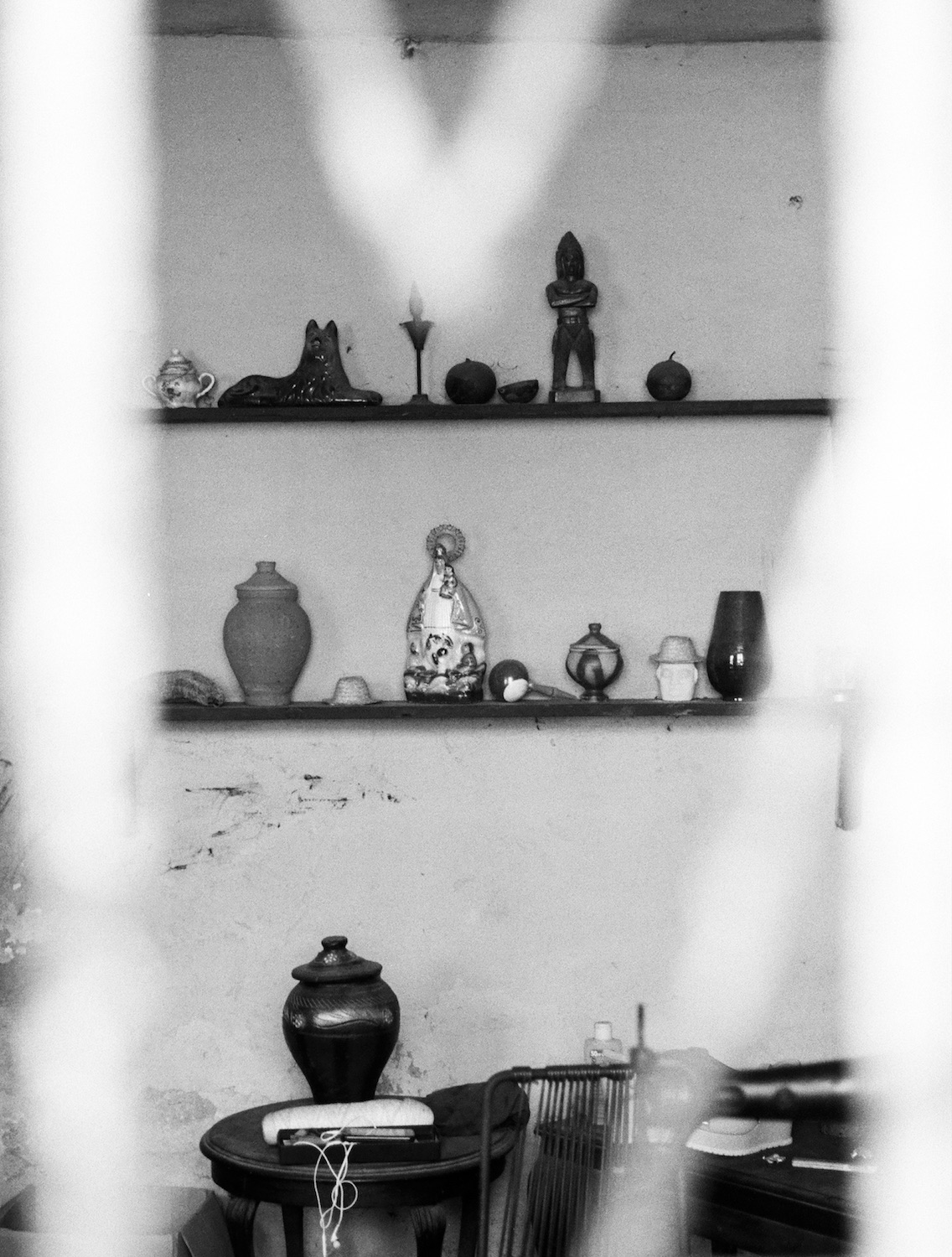
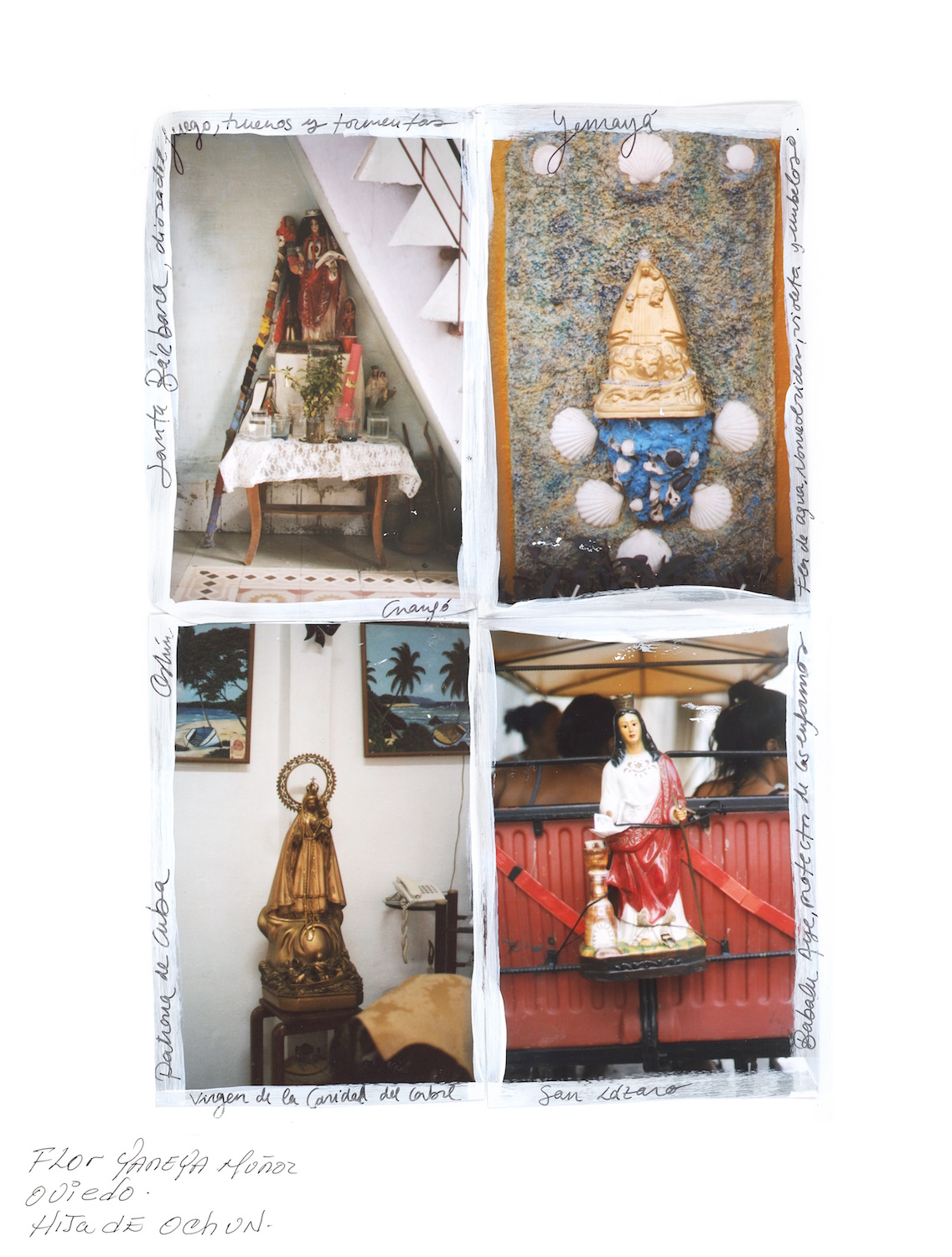
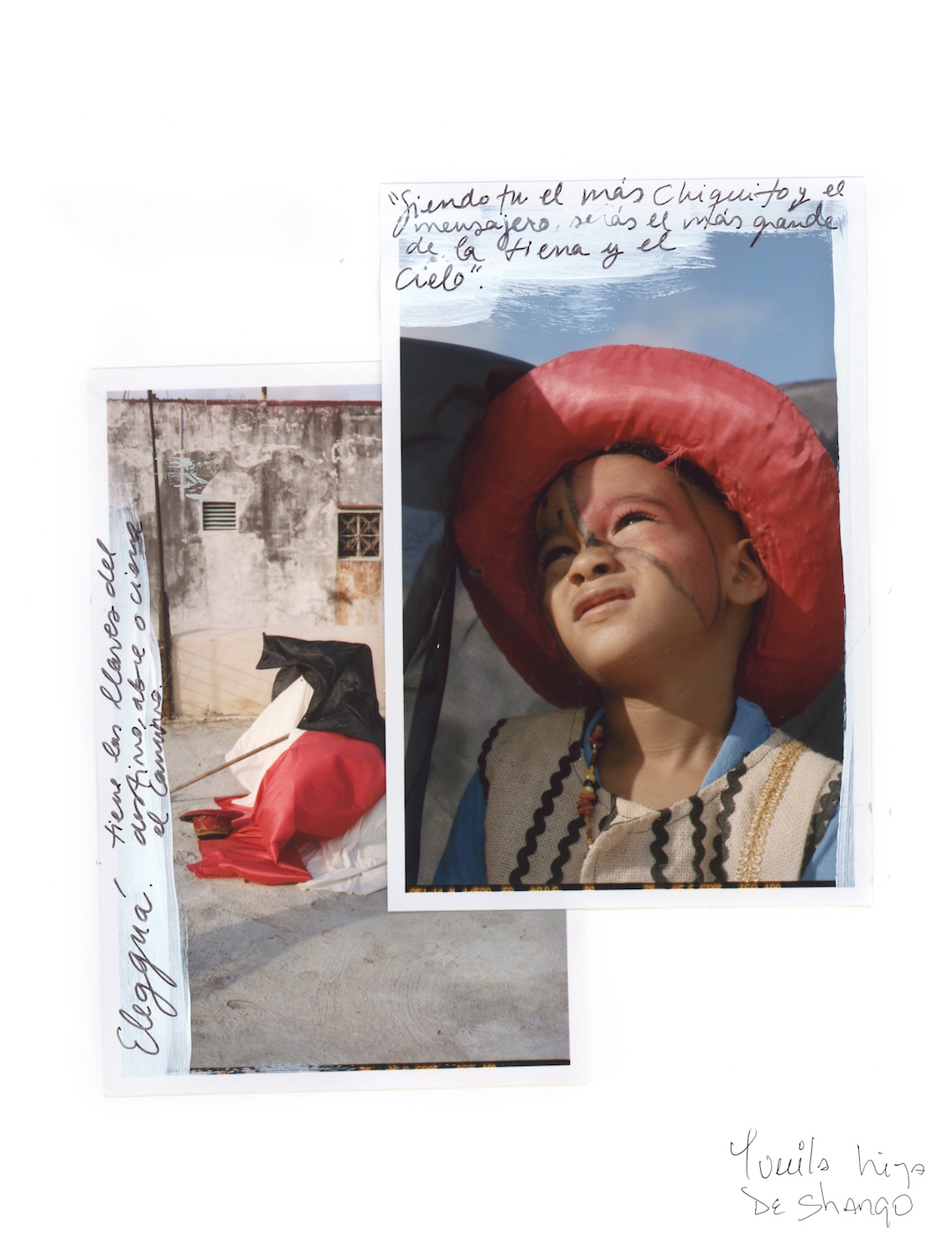
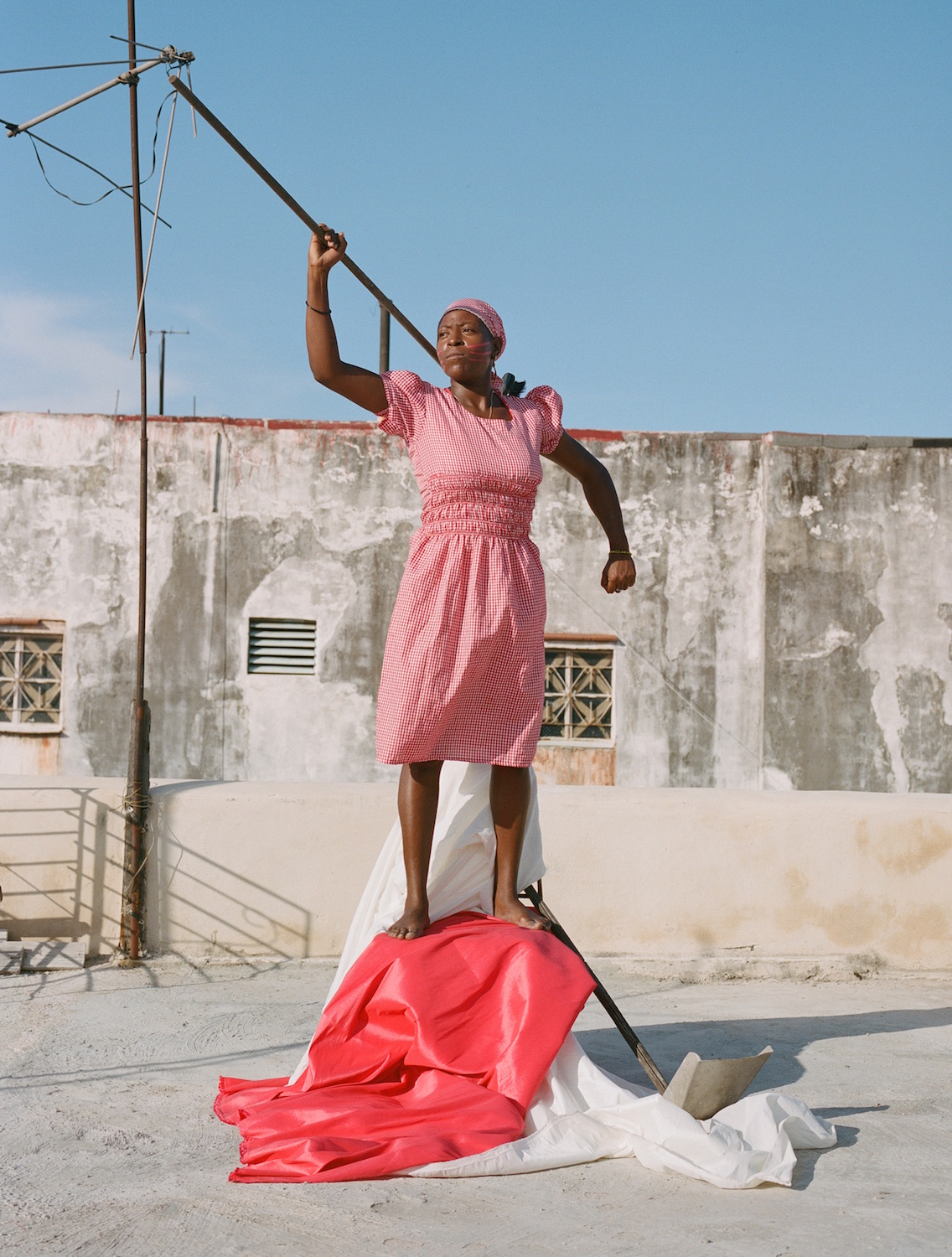
The country’s lack of material wealth is, however, proportionally as intense as how alive the Yoruba religion (or Santería as it is also called) is for some Cubans. According to tradition, practitioners of this religion are descended from one of several deities called Orishas associated with the different roles, features and elements, including Yemoja (water), Oya (wind), Obatala (sky), Eleggua (Orisha of roads), Ogun (a warrior and spirit of rum and metalwork), or Changó (a royal descendant of the West African Yoruba people and a powerful ruler). Believers in Cuba talk about their Orisha backgrounds with pride, and use it as a means of differentiating each other while living under Cuban communism. In Yoruba, each of these Orisha ‘houses’ has is its own temple, and Yoruba families often create their own altars. Moreover, the religion’s rituals are taught from handwritten accounts and by word of mouth, sometimes through conversations in doorways, or else written in notebooks inherited from relatives.
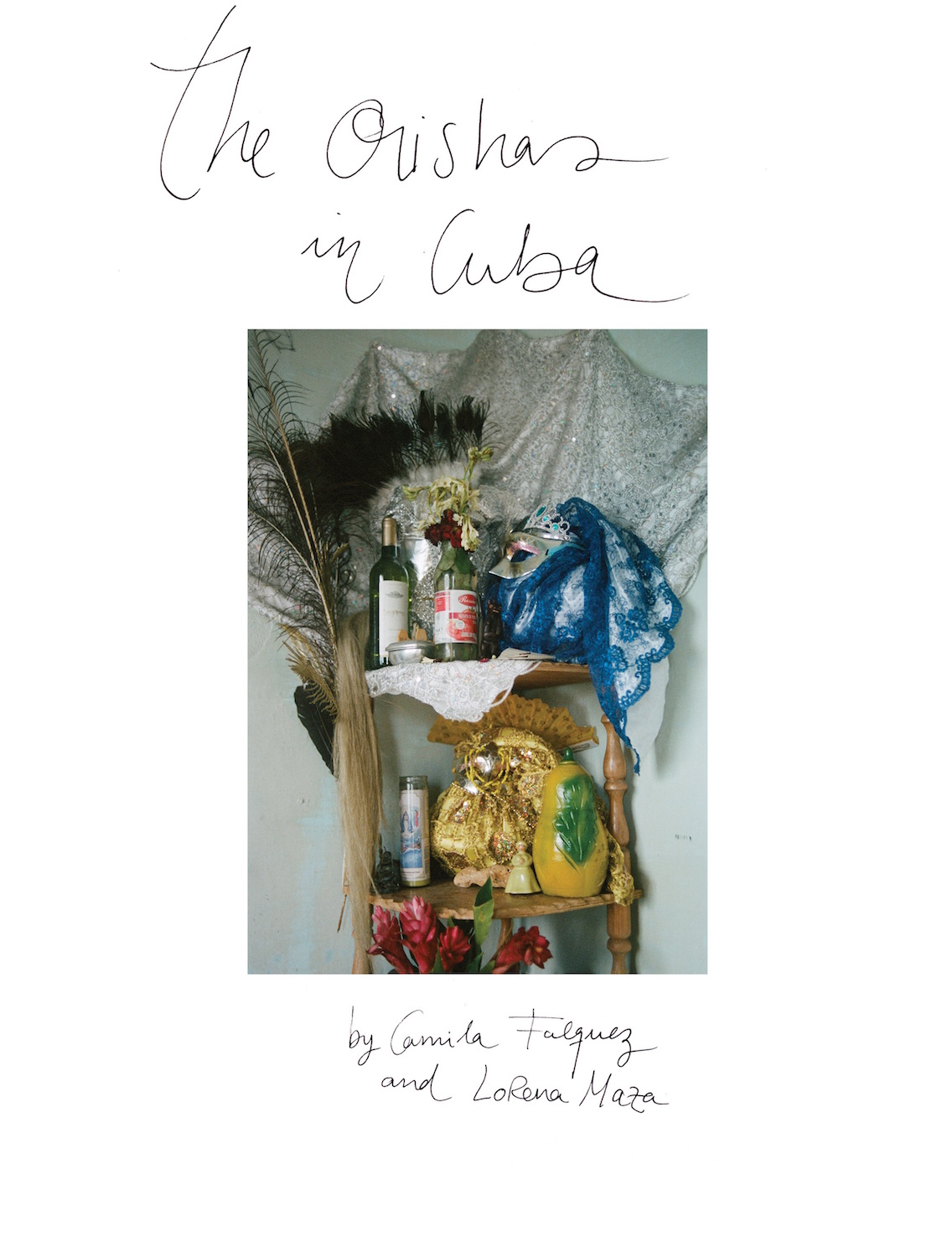
Cubans don’t have the toxic ‘luxury’ of disposable goods. For them, every object is valuable because, like they say, en Cuba no hay nada (‘in Cuba there is nothing’). Instead, they have a spiritual abundance that made me feel as if as all the objects that surround me aren’t really necessary. For Yoruba Cubans, money is not simply a means to buy objects; it is also used as an offering to the Orishas.
The Yoruba faith is sometimes so strong that its most devout followers often believe that the dead can invade their bodies through the sound of drums. Elsewhere, it is deemed that, when a father leaves a family or a lover betrays you, that behind all of these misfortunes lies the influence of an Orisha. Conversely, these spirits are also to blame when your lover returns or when a family member is cured of an illness. Yoruba is a complex and multifaceted faith, and it is no wonder the people that brought it to Cuba also influenced the development of the country’s national sound, Rumba. To this extent, this musical genre can be viewed as a metaphor for Cuban society: intense, connected, pulsating and alive.
The romanticised version of Cuban life (the Salsa dancers, the pastel buildings, etc.) is a myth made for intellectually incurious white people from elsewhere who simply want to consume the country’s culture for leisure and entertainment. In reality, Cuba is suffering – especially as a result of the US trade embargo that began in 1958 – and the combination of its beauty and this struggle can be discerned in the intense sound of Rumba drums, as well as in the gazes that you notice in the streets, in people’s use of language, in the noise of everyday comings and goings, and in the Orishas, who rule the lives of their worshippers.
This article originally appeared in SLEEK 64, jetzt erhältlich.
Kredite
Fotografie: Camila Falquez
Stylist Lorena Maza