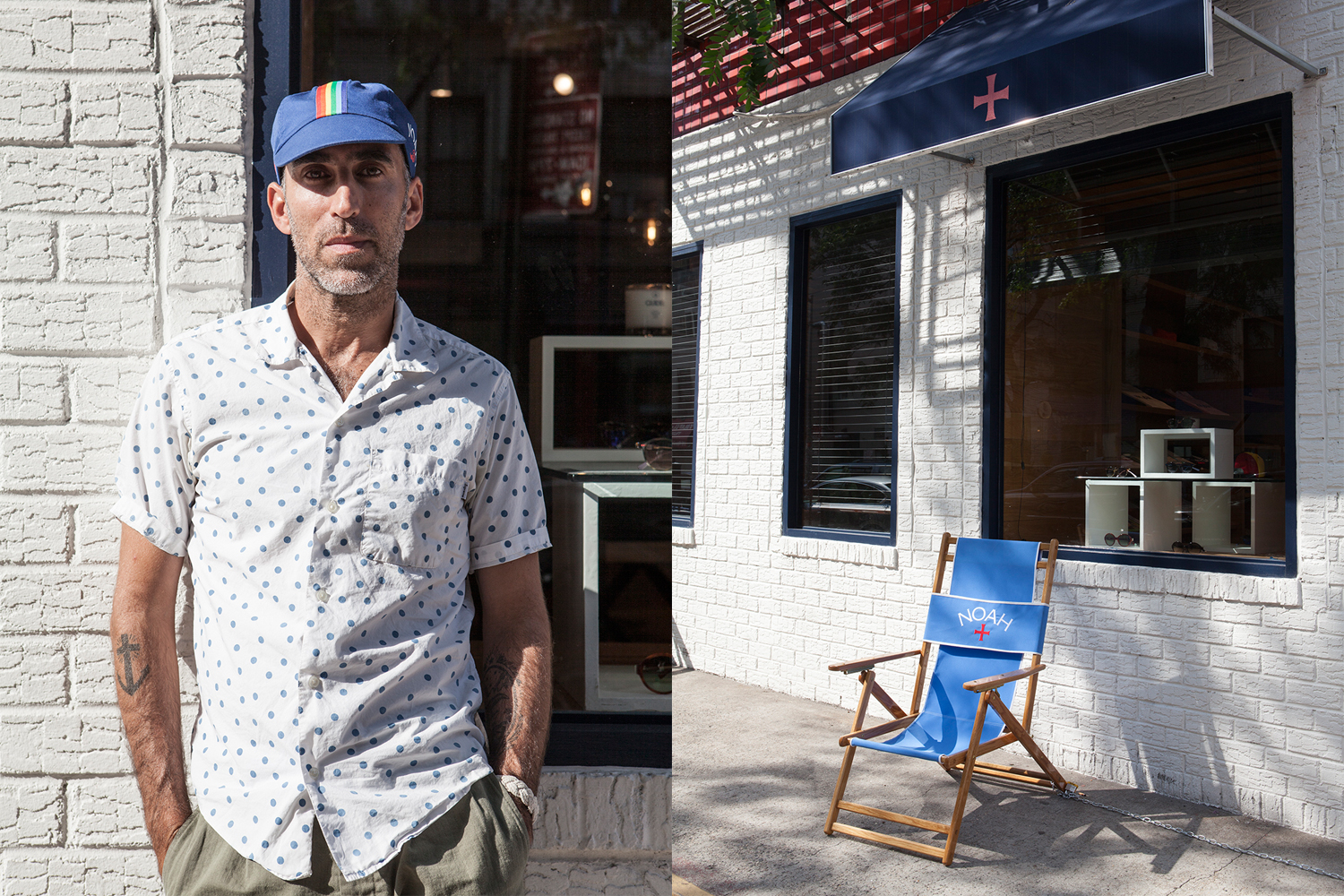
Sleek caught up with Brendon Babenzien, the founder and creative director of Noah, prior to their launch at Dover Street Market in New York. Established in 2015, Noah is a cross-generational clothing brand bridging youth culture and classic culture based in New York, championing an honesty policy with their sourcing and production of the ethical products in the best possible way.
Babenzien, former creative director of Supreme, explains the importance of focusing attention on creating garments that are driven by high quality and longevity, and how it is not what you buy, but why you buy.

What led you to start own brand?
As I got older and started to work and evolve in the business it became clear that sooner or later the only thing I could do was my own brand. It became somewhat of a necessity. When you factor in your own personal style and your own personal influences and beliefs or your opinion on how business should be run you have no choice but to start your own brand.
How do you think your own personal beliefs translate into your brand?
Sometimes it translates into the clothing via the form of graphics to convey a message, but it is more about how the business is being operated. A good example of that would be how and where we manufacture our clothing. We make sure to manufacture in places where people are paid well and have a decent life.
You launched Noah a first time in 2002 before closing it three years later, what happened?
To be perfectly honest, it was doing ok. It was doing what it could do in pre-internet era, but a few things happened that led me to put Noah on hold such as not having enough money to grow.

Why did you decide to keep the name Noah when you relaunched the brand?
As a brand with a certain ideology, the idea never really went away. It didn’t feel like I was starting a new business. After ending it, it was just a matter of time for me to launch again.
What is the inspiration behind the name?
It is kind of a reference to Noah and the Arc, there is a water theme that is always present in what we do and I like the story itself; not in a literal “we are Christian” kind of way but we like to play with the history of the bible and use some of these references because some of the ideas are still relevant today.
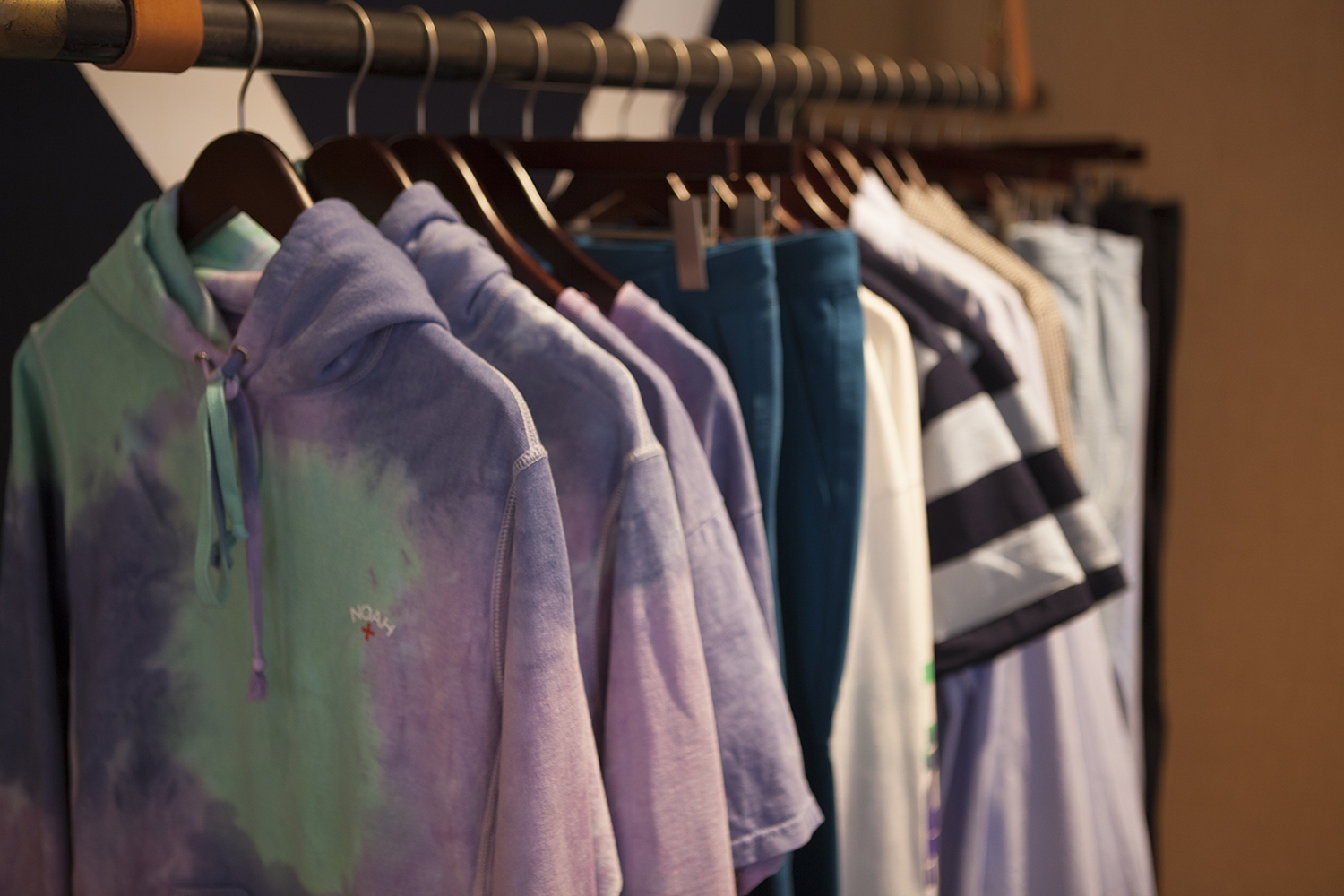
You use a lot of innovative fabrics and high-quality material like the water-proof t-shirt or Loro Piana cashmere. How do you implement these in a brand that is mostly regarded as streetwear?
To us, it is the natural evolution of things. Streetwear was a way for young people to assert their own personal interest whether or not they dressed well. But as they become more mature, not only in their age but in their thinking, they will recognize that they will want better products, products that will last longer and won’t just be a quick fix. Their style will evolve and they’ll want better things.
I remember you saying once that when Supreme is doing good, Noah is doing good. Could you please tell me about your relationship to Supreme and its link to Noah, despite the fact you don’t work there anymore?
I mean, I don´t really like to compare them but the fact is, Supreme is probably the best youth brand in the world. There’s really nobody better. For the price they sell, they make a really good product. It’s always on point visually; it’s cool. It brought a lot of attention to ideas and creative people that the younger generation may have never heard of before.
At Noah we are focused a little more on things that might theoretically change society for the better. Like producing a little less, producing better products, because consumerism is really society’s fundamental problem. If the entire world woke up tomorrow and felt differently about their “stuff”, a lot of things would change.
Concretely, how does that translate into Noah?
We are a tiny company, we are not going to change the world but it’s the little things we can do that matter and as we grow these things will get bigger and hopefully more influential on people and the choices they make. It just comes through in the day-to-day process in every way. From the design area to how things reach the consumer on the retail floor.

You are from Long Island and basically grew up in the city. Did these two influence the way you built Noah?
It’s the combination of growing up by the water, surfing, fishing, basically just having the water as a backdrop to my life and the city culture. Even before I lived in the city I was coming here to hear the music I loved, to skate, to meet people that were nothing like the people I grew up with, who had different ideas, who maybe understood art or creative processes a bit better than some people I grew up with. Noah is really a hybrid of both of those worlds.
These two things that seem opposite are equally important to me, which is kind of funny because it is also such a New York thing. This scenario of spending time in the city and then having the opportunity to escape; like, “I live in the city but I go Upstate, or I go to the beach.”
The store in New York really feels like a meeting place for people to spend some real time in. Was that intentional?
Most of the time, small businesses are family owned, and as an owner, you are there as much as your home, your store really becomes your home away from home. It also refers back to skate and surf shops in the earlier days, in the 70’s and 80’s when they were cultural centres. People came there and hung out. You saw your friends, talked about waves or looked at magazines or whatever and you spent time there socially. That had a big impact on me growing up because I worked in a surf shop.
What is your creative process when you start a new piece?
I don’t consider myself a designer, that’s why this business is interesting because the creative process to me is the combination of producing goods, design making and then all the other things around it, like what we put on Instagram, what we write about in our blog post, how we treat our customers, that is the creative process; all of these things we put in to create a final finished brand. But if we only talk about the design process, I feel I make pretty normal clothing, so it’s not insanely creative to me. The process is basically reaching back into my memory to all the things I’ve seen and felt or the way I felt hearing a song for the first time and then translating that into a look.
That relates in some way to your use of vintage.
Well, if you want to make relatively classic clothing, you are looking at only a handful of things, particularly when it comes to men fashion. I’m talking military, sportswear, work wear and we have the bonus of being able to go back and look at skate or surf specifics. But it’s translating and innovating things that have come before into a way that makes sense today.
What are your Favorit pieces for next season?
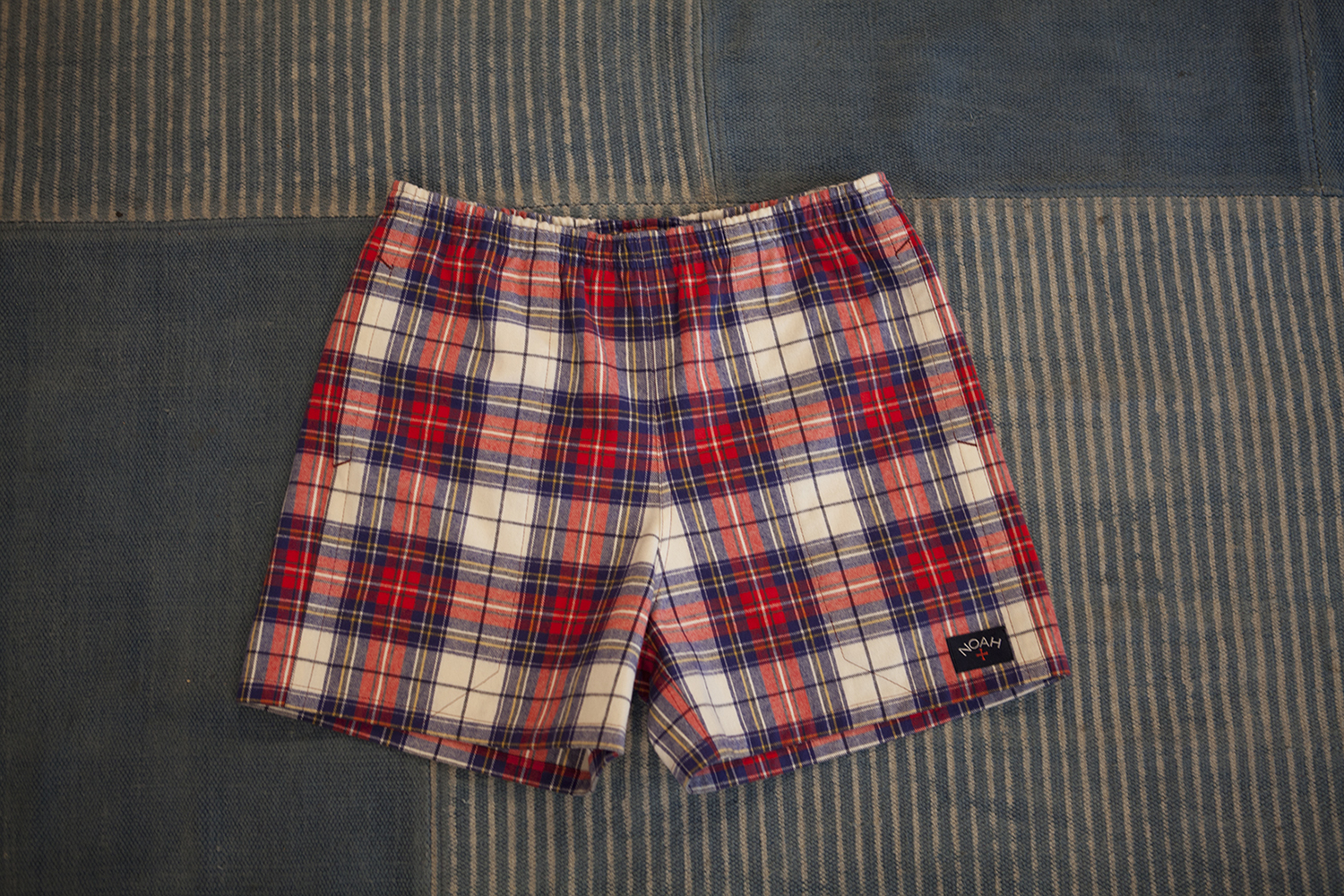
The flannel running shorts, for sure. The varsity jacket in wool teddy fabric is pretty cool. I like the cross-country Shetland sweater. I love the cashmere sweater and the corduroy double-breasted jacket.
Do you have any upcoming projects?
Yes, we are opening at Dover Street Market in London in October, we are also working on a collaboration with Adidas and on our first store in Tokyo. Should be good. I am nervous but that’s exciting too.
Interview von Solynka Dumas
Fotografie von Constantin Vider
NOAH, New York Store Location: 95 Mulberry St, New York, NY 10012, United States