Berlin late afternoon: Two men leave the Central Station. Both are wearing a cap, tracksuit bottoms and a crossbody bag. They’ve just stepped off the same train and are on their way home. One of them gets pulled aside and searched. The other keeps walking. The man who carries on is called Wolfgang. The man who has to stop is called Mehmet. It’s a scene that’s become part of everyday life for many people in Germany. It’s also the reality Berlin artist Apsilon has spent years documenting through his music.
As his audience continues to grow and become more diverse, Apsilon has never lost sight of where he comes from. Rather than offering easy answers, he lays bare the contradictions of modern Germany, giving visibility to lives and experiences that are too often overlooked. In doing so, his music has become a source of hope, strength and recognition for many.
Following the release of his new album Glanz Null last week, we sat down with Apsilon to talk about the people and places that shape us and the search for the “lost glow in our eyes.”
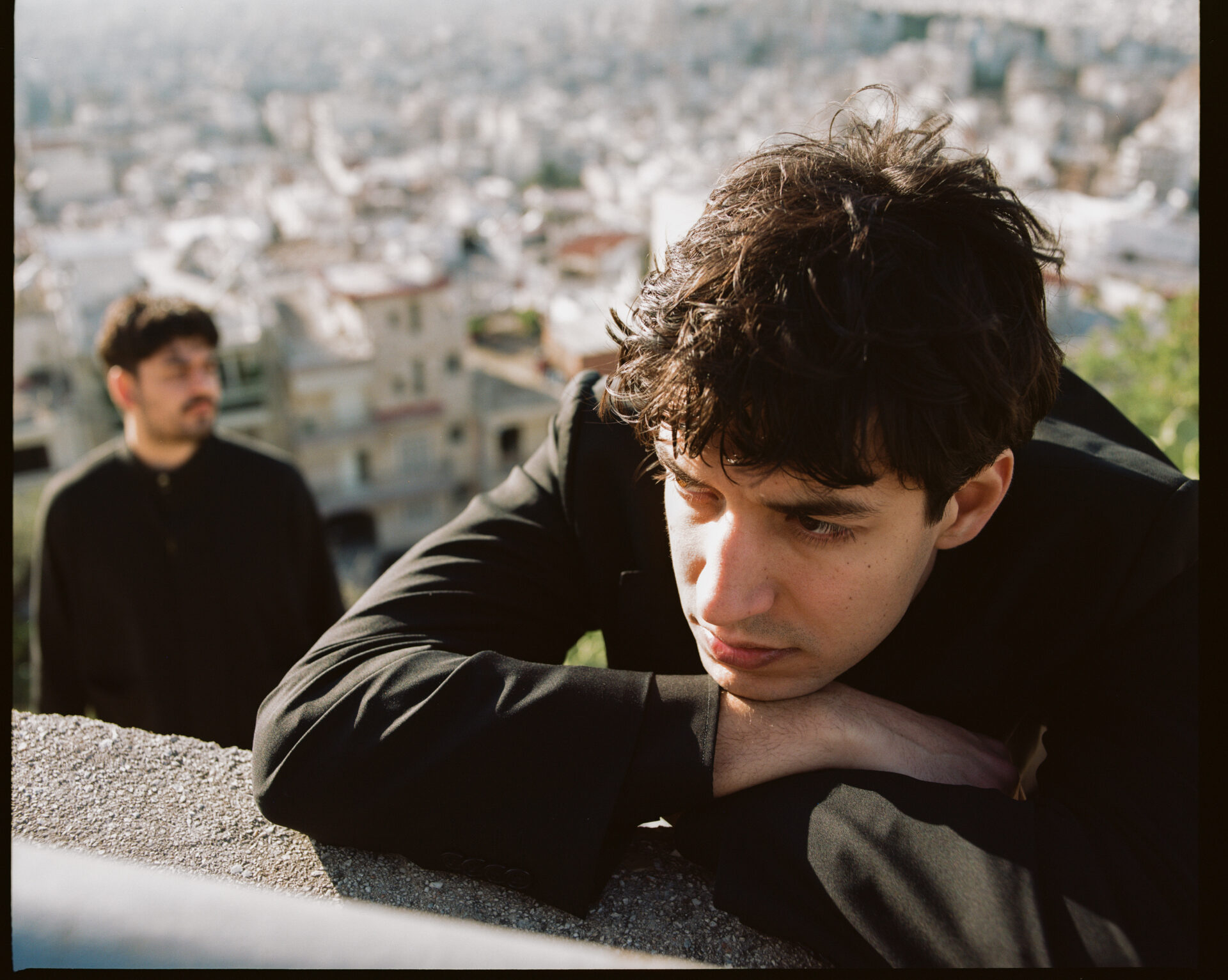
APSILON: We already know each other Anazin.
ANAZIN AKPO: Yeah. We met at your pop up in Moabit. Very chilled. It was a good one.
A: Yeah, I thought so too.
AA. I know you originally started out playing basketball. But what were your first real touchpoints with music?
A: I think, like most kids, it starts with your parents. At home we’d listen to Turkish folk music on CDs or even cassette tapes. Then at school I got into German rap quite early. Bushido, HDF Allstars, Sido, all that. We also had Jam FM and Kiss FM on all the time. You know, all the stuff that’s suddenly becoming popular again now.
AA: Did your brother Arman, who is also your producer, have the same taste in music?
A: Pretty much. That’s usually how it goes. The younger sibling ends up listening to whatever the older one is into.
AA: True. Would you say Arda and Apsilon are the same person or are they two different people?
A: I’d say they’re very close to each other. When you make art, you zoom in on certain parts of yourself and amplify them. The way I express myself creatively is obviously shaped by the music I grew up with. Turkish, Arabic or Kurdish music always carries a certain melancholy. That’s the part of Arda that struggles and that’s the part that finds its place in my music. Then there’s the side of Arda that just wants to chill, have a good time and doesn’t necessarily exist in Apsilon to the same extent.
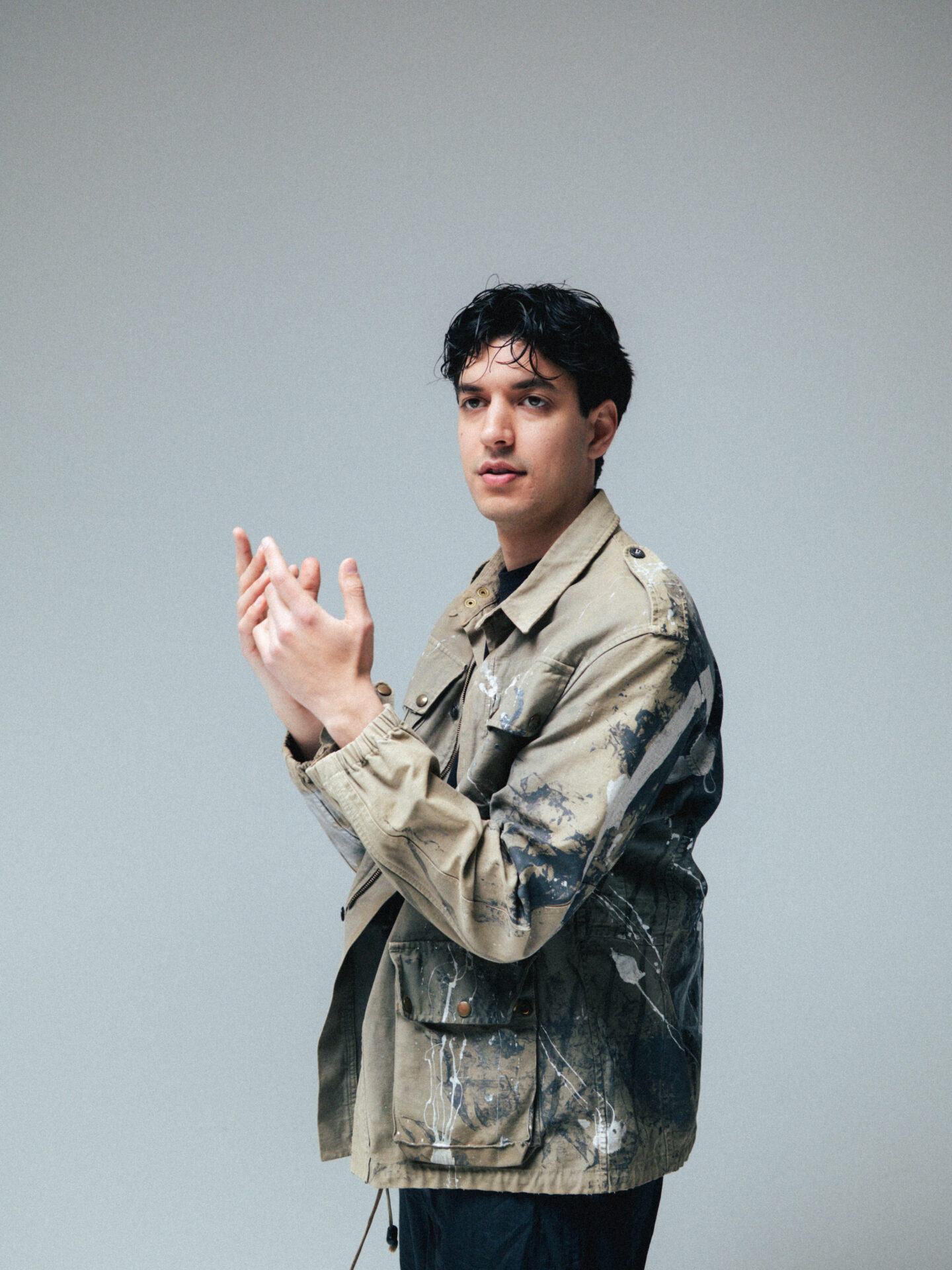
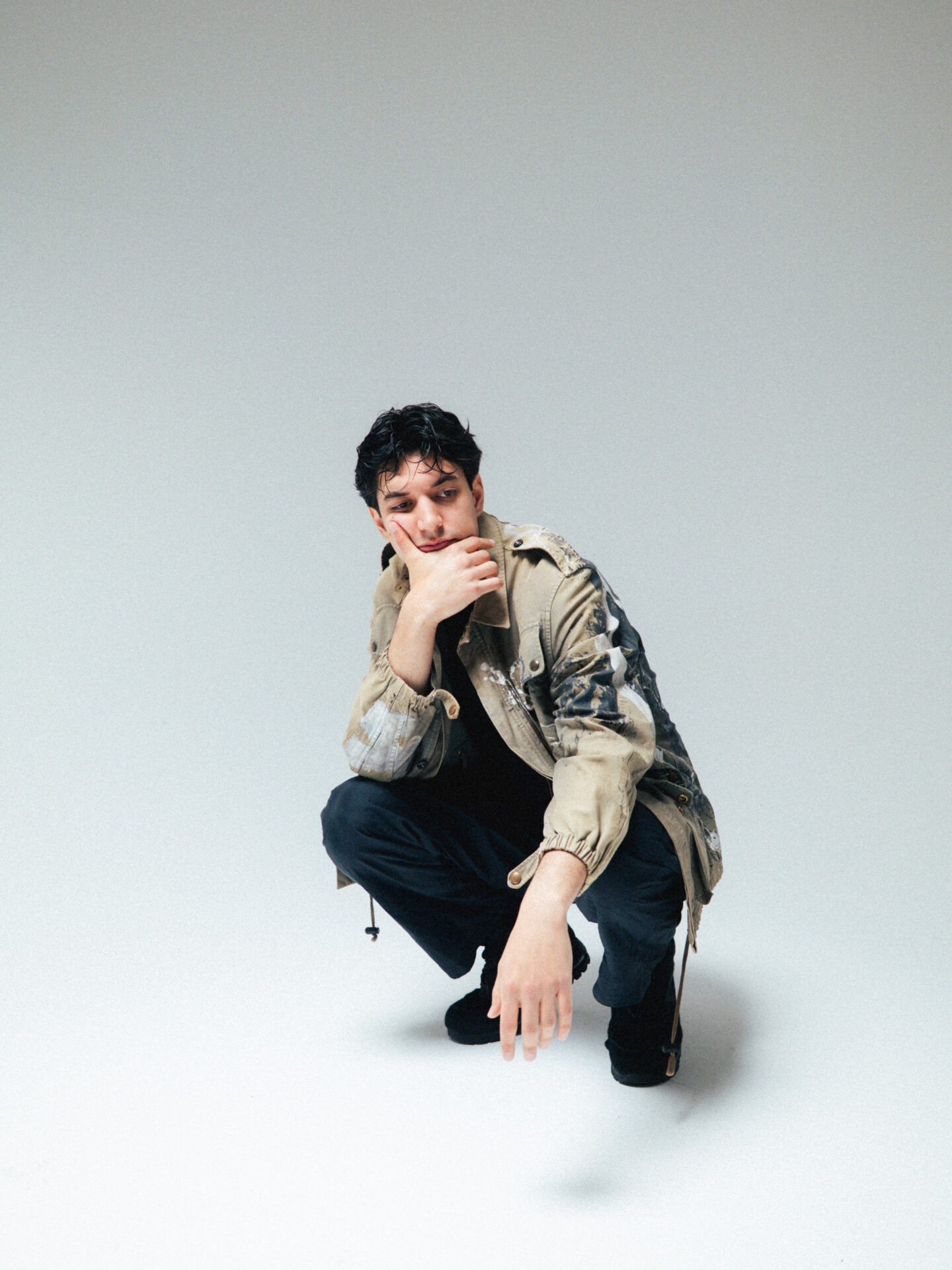
AA: Let’s talk about your new album Glanz Null, which came out last week. On Ghibli Freestyle you call yourself a “wonder kid from Konya.“ What does Konya mean to you?
A We used to spend a few weeks every summer in the village with my cousins from Neukölln, who I’d also hang out with all the time back in Berlin. I also think about my grandma’s and my dede’s (grandpa’s) cooking. And then I think about the hills where we’d have picnics or play football. We call those places yayla in Turkish.
AA: You mentioned your grandparents’ food earlier. Can you rank Gözleme, Köfte and Sarma (popular turkish dishes) from one to three?
A: If we’re talking average versions of each, I’d probably put Köfte first because even average Köfte still tastes good. But if you’ve got really good Sarma, that’s on another level, so that takes number one. Then Köfte drops to second and Gözleme comes in third.
AA: What’s your comfort Ghibli film? Which one always helps you switch off?
A I actually watched Spirited Away (2001) on Sunday. That’s probably my favourite. But if we’re talking comfort films, it’d have to be Howl’s Moving Castle (2004). The soundtrack, the visuals, everything about it just puts me at ease.
AA: Your album Glanz Null dropped last week. Was the response what you expected?
A: We thought it’d do better than the last album Haut wie Pelz, but it still exceeded our expectations. Obviously it didn’t completely blow up or become some massive mainstream success, but that was never really the point. While we were making the album, we just wanted to make something we genuinely believed in instead of chasing whatever happened to be working at the time. So seeing people connect with it anyway has been really rewarding.
AA: I mean, Keiner von euch even made it into the Bundestag.
A Yea, my mum sent me that as well. She was like, “Arda, what’s going on? What are you doing?” I thought it was funny.
AA: If you could sit down with the Vice Chancellor over a cup of Çay, what would you both talk about?
A: They should start to stop cutting funding where it’s needed most. Stop slashing healthcare and social services just to spend even more money on tanks, weapons and drones. Start making policies that actually improve people’s lives. And then maybe we can have a conversation.

AA: Before your autumn tour kicks off, you’ve already played a series of free shows in different cities, including one here in Berlin. What was the idea behind the Zero Euro Tour?
A I think we’re living through a time where loads of people are struggling just to get by. A lot of people simply can’t afford things anymore. It’s sad that live music is slowly becoming a luxury when it’s probably one of the best ways to experience music. Standing in a crowd and actually feeling it in your chest.
The Zero Euro Tour was our way of saying that even if you’re completely broke, you should still be able to experience live music. It was symbolic, but it mattered to us. And honestly, it was beautiful. Arman even jumped on the decks for a bit. More than anything, it was just fun. Our music often deals with everything that’s wrong with the world, all these social issues and injustices, but there’s still got to be room to celebrate, to enjoy yourself and to share moments with other people. That felt really important.
AA: Agreed. Arman also made his rap debut, in a way. He performed Summer Cem’s part on Rennen. What did that moment mean to both of you?
A Having Summer Cem on the track was already a bit of a dream come true. We grew up listening to his music, rapping along to it in our bedrooms. The fact that he was up for jumping on the song and delivered such a sick part meant a lot to us. Then seeing Arman perform that verse live just makes it even more special.
AA: Your songs often hold two realities at once. In Sommermärchen, for example, you’ve got the euphoria of the World Cup 2006 alongside the NSU murders. Or in Weg hier raus, you’ve got people shooting themselves into space while others are getting shot in the head. What do those contrasts say about the society we live in today?
A: Global capitalism, in that we are living, is built on contradictions. That’s just the reality of it. Wars are being fought while poverty and displacement continue to grow. At the same time, defence companies are seeing record profits because people make money from crises. Those are the kinds of contradictions that make people angry, and rightly so. I try to capture that through very concrete images.
AA: Do you think we’ve almost become used to living alongside those contradictions?
A: I mean, in some way, you have to learn to live with your own contradictions as well. You can be a deeply loving person and still hurt the people you love sometimes. That’s a contradiction too, and one you have to confront. On a wider level, I think contradictions are what drive change. They matter when people stop accepting them as normal and start wanting things to be different.
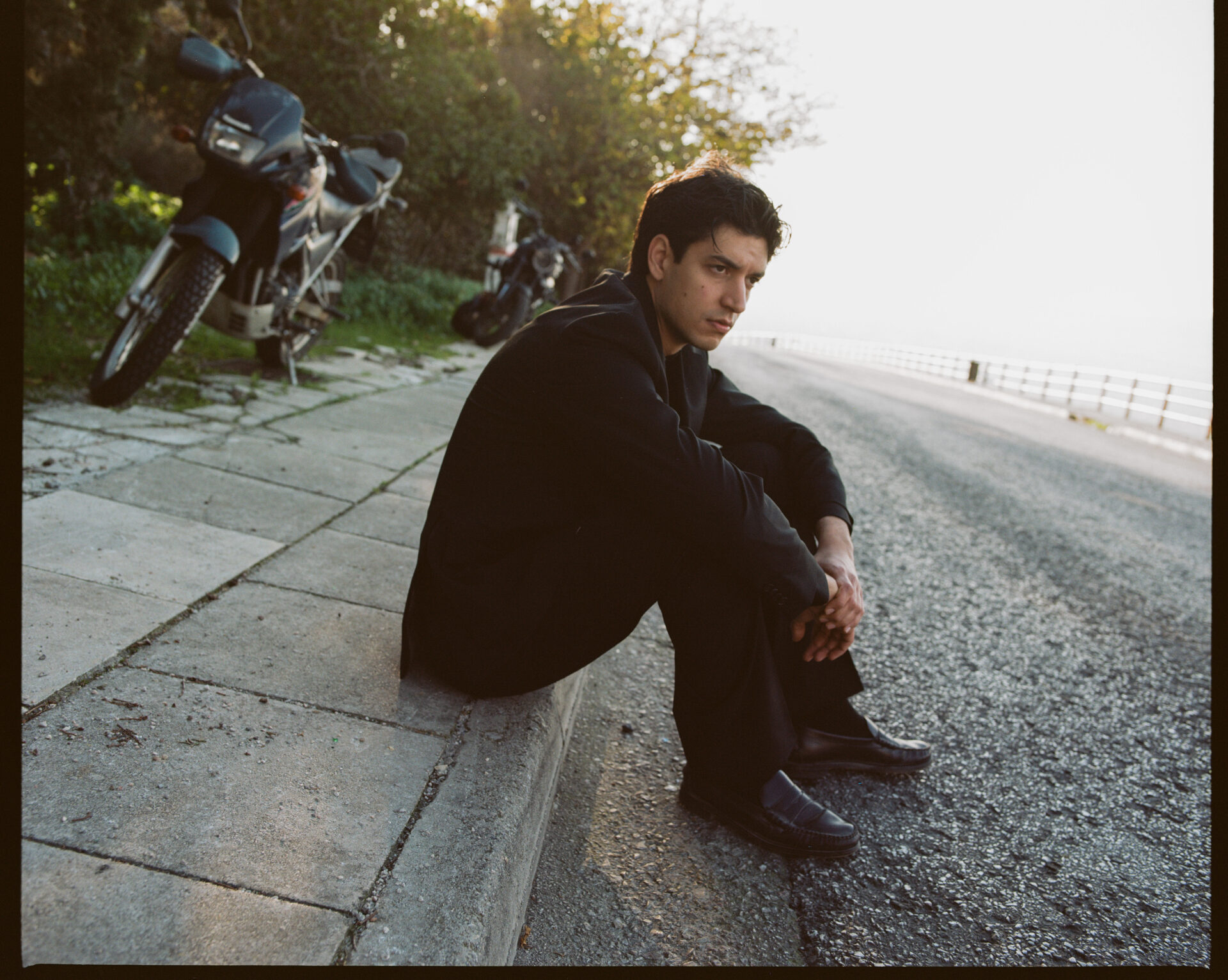
AA: Is that also why we’ve lost the „glow in our eyes“?
A: Glanz Null isn’t just about losing that glow. It’s also about searching for it again. And I think everyone understands that glow run one’s eyes differently. But that carefree feeling you have as a child is probably something most of us shared at some point. The moment those cracks begin to appear is different for everyone. It might be domestic violence, bullying at school or losing someone you love by growing up as a child in Gaza.
AA: Sadly. You also brought together artists from completely different worlds on this album, from Levin Liam to Ikkimel. What made you want those collaborations?
A Whether it’s Summer Cem, Levin Liam or Berq, they all bring something completely different. That’s what excites me creatively. Seeing people from such different backgrounds come together on one album and somehow create something that still feels like a complete body of work. It was the same with Levin, and with Mel. She really connected with Souvenir and came into the studio the very next day to write her verse. She was just real and genuine.
AA: Maybe that’s the first step towards overcoming the contradictions we were talking about earlier. Especially because no one expected someone like Ikkimel to show up on an Apsilon album. But why not? Alongside the album, you also released a magazine. What’s inside it?
A: The magazine is really the heart of the whole Glanz Null universe. I like the idea of creating something people can actually hold onto. These days so much exists purely online, and the moment your streaming subscription ends, it’s gone.
There’s so much love in it. For example, there’s an interview between Arman and me, essays by people like Gamze Kubaşık, the daughter of Mehmet Kubaşık, whose family’s story also plays a role in Sommermärchen. The thing we’re probably proudest of is the contribution by Wolfgang Tillmans, one of the greatest German photographers still working today. And there are also pieces from people in our own circle. The magazine looks at the album from loads of different perspectives through photography, writing, graphic design and artwork.
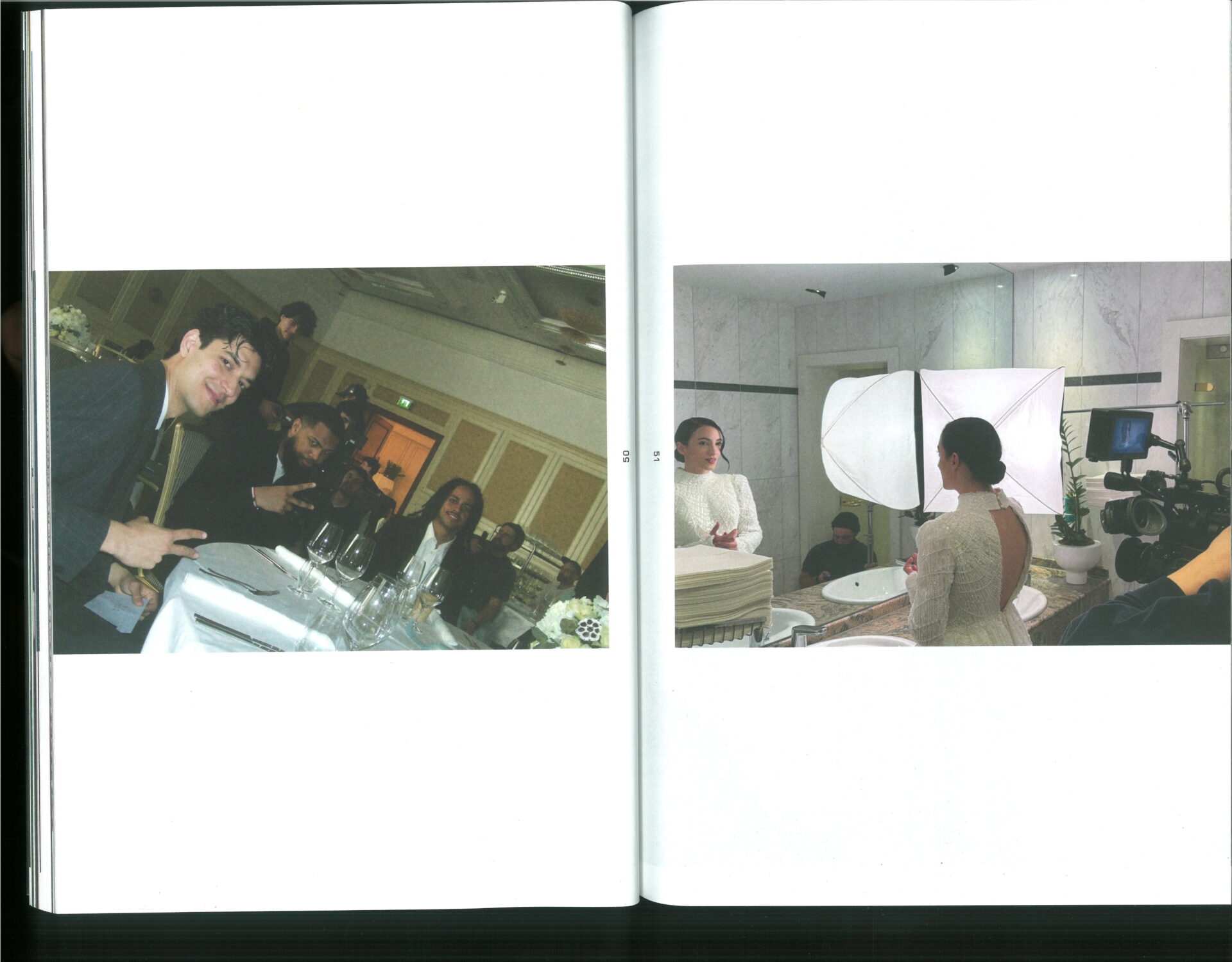
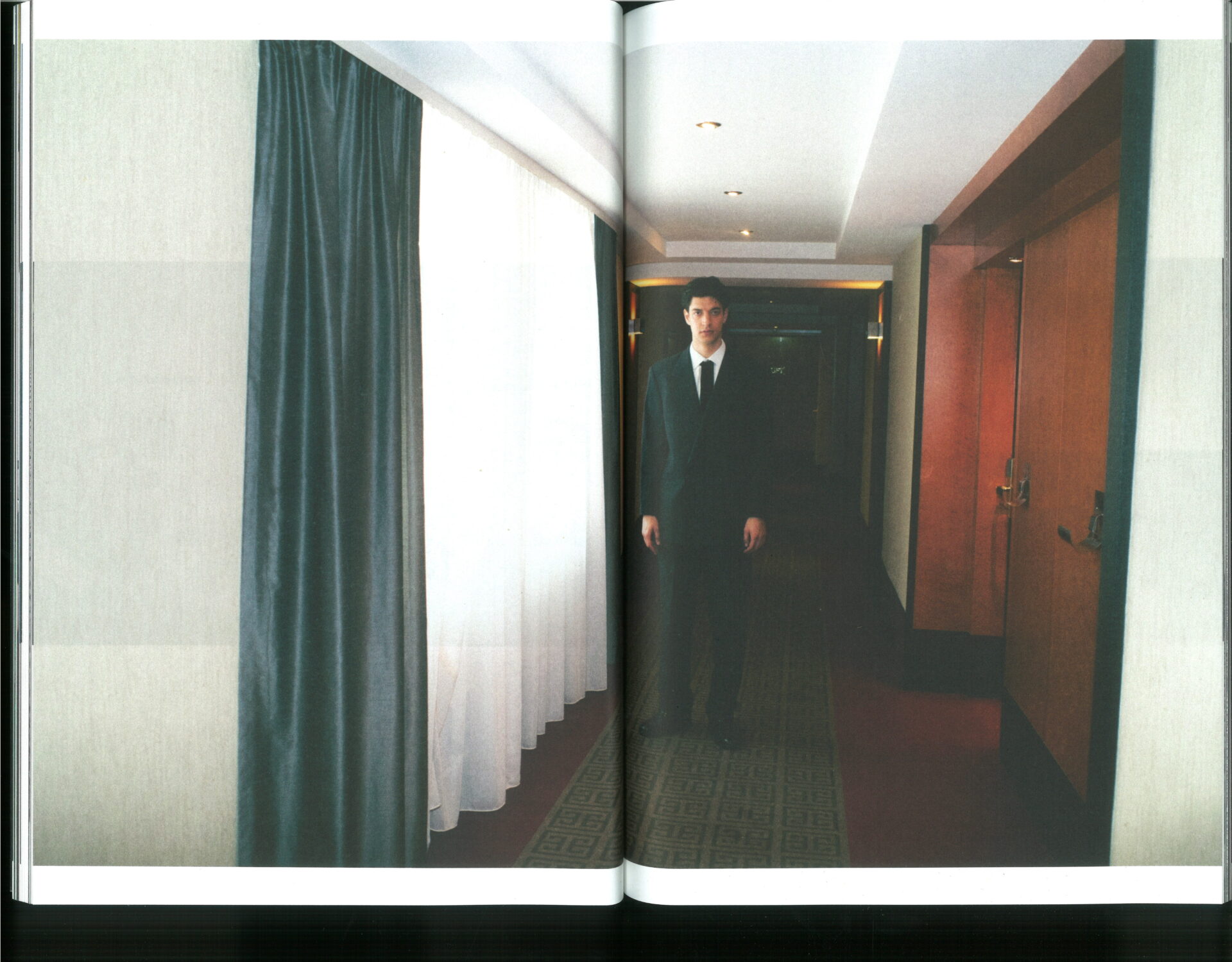
AA: The magazine almost feels like another way of telling the story. Sometimes an image or an essay can say things words alone never could.
A: Exactly. It’s that same idea of contradictions again. You can put two photographs next to each other that seem completely opposed at first glance, but together they reveal two sides of the coin. Or you place an image beside a piece of writing that doesn’t appear to fit at all, yet somehow they create an entirely new meaning.
AA: You mentioned Gamze Kubaşık earlier. In her contribution to the magazine, she writes about how important human encounters are. Have there been people or moments in your own life that have stayed with you?
A: We’ve been to Hanau several times now and we’ve kept in touch with the families there ever since. Those conversations have definitely shaped me. Seeing people who have lost so much but still refuse to give up and continue fighting for a different kind of society is incredibly powerful.
Then there are the conversations after shows. I remember one person telling me he’d spent a few months in a clinic because of his mental health and that my music had really helped him through it. Or when my single Baba came out, I got messages from men in their mid-thirties saying they hadn’t cried in ten years until they heard that song. Those are the moments that stay with you.
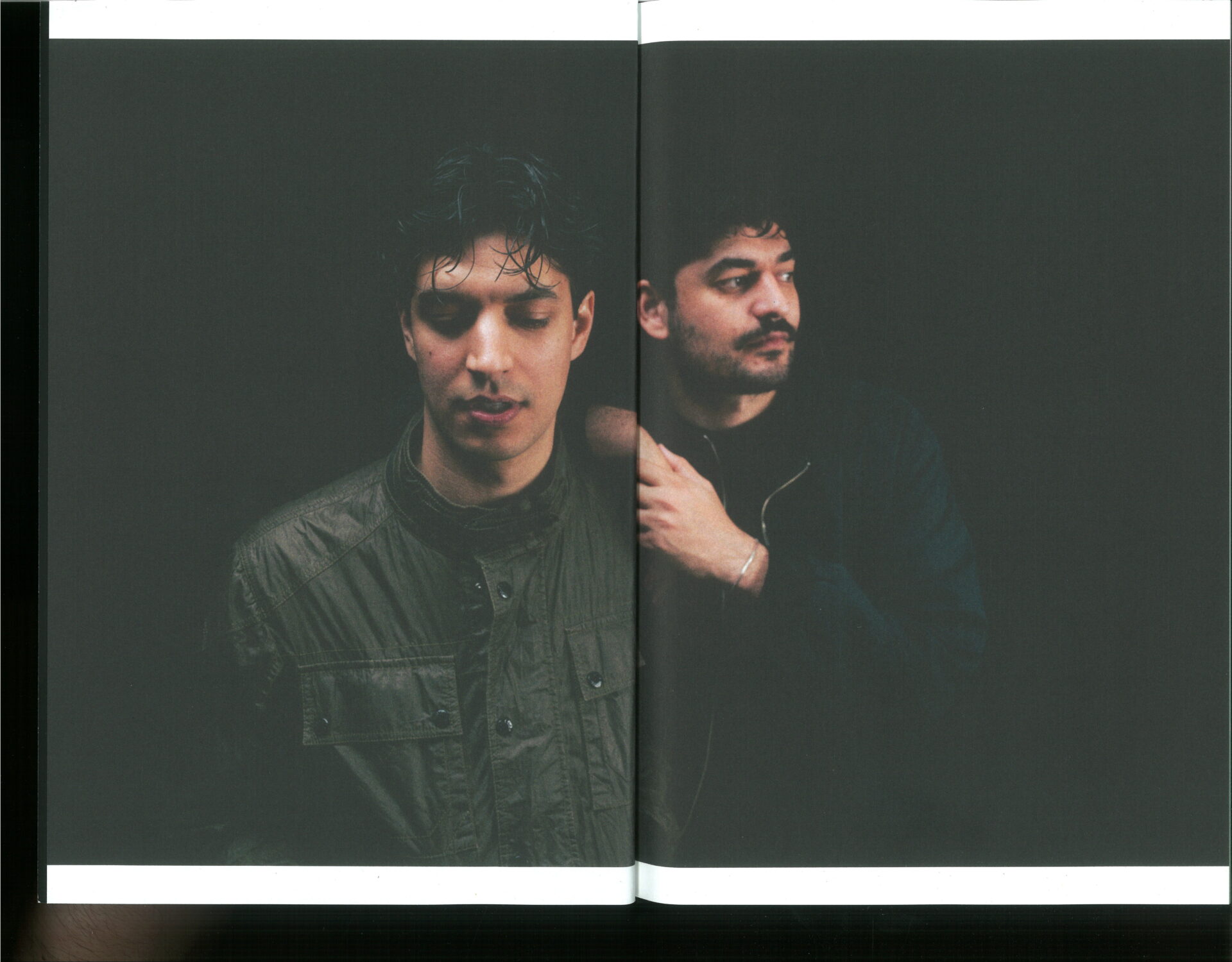
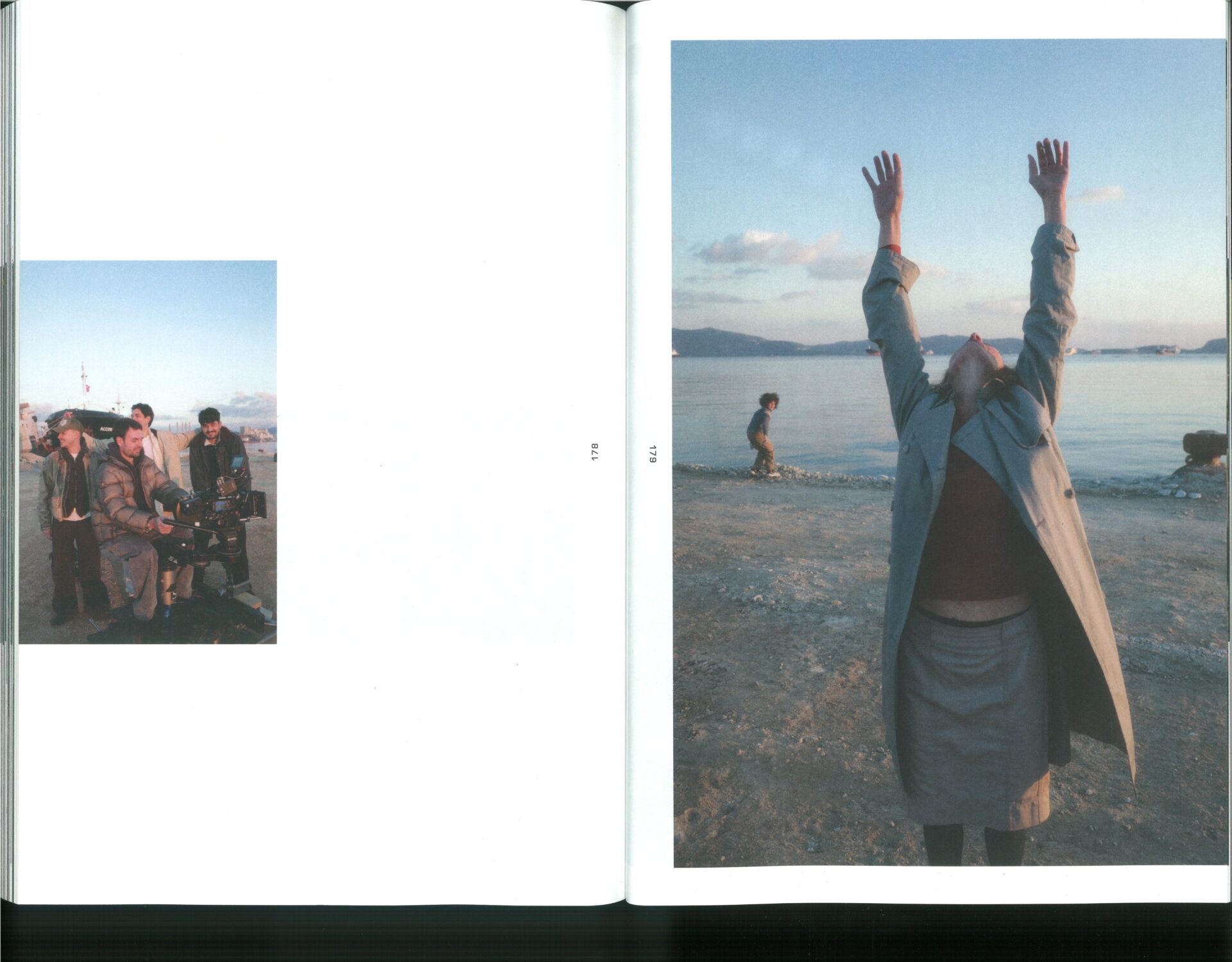
AA: Men are often taught to deal with everything on their own. Did writing Berg on your new album feel like pushing back against that? It’s probably one of the most personal songs you’ve released.
A: I realised while making this album, especially with songs like Weg hier raus, Titan und Berg, that vulnerability is actually a strength. The difficult part isn’t really writing it down. I write many things that never come out, some of them even more personal than what’s on the album.
To be honest, the hardest part is saying those words out loud in the studio for the first time. Whether it’s in front of my brother or everyone else who’s working on the record. But once the song is out, that difficult part is already behind me. After that, it actually feels extremely beautiful knowing people get to step into my world for a moment.
AA: Do you think that’s also one way of finding your own glow again?
A: I don’t think there’s an universal answer or some kind of guidebook for that. But I do think being honest with yourself, with the people around you and with what’s happening in the world is a good place to start.
Glanz Null is also about recognising that the glow isn’t there in the way it once was. It explores different paths I’ve taken, some that felt right and others that didn’t. But whatever we’re going through, it’s important to remember that none of us are carrying those struggles alone.