Please tell me I’m not the only one who does this: You spend hours in a museum surrounded by towering statues and sculptures. The ones from Ancient Greece and Rome are always breathtaking. Then the same question pops into your head every time. How is it that we’ve advanced for centuries, yet artistically it sometimes feels like we’re moving backwards? Back then, people carved the most intricate figures out of a single block of marble. Now, the block itself is the artwork. Or is sculpture just dying out?
Not if you ask the Romanian-French artist Constantin Brancusi. He embraced minimalism without letting go of craftsmanship. Don’t get me wrong. His sculptures are also reduced to their essence, but every curve, every surface and every proportion feels incredibly deliberate. They’re so carefully distilled that they become impressive all over again. That’s what I often miss elsewhere. So, eventually I ask myself; what made Brancusi’s work different and how did he successfully make less feel like more?
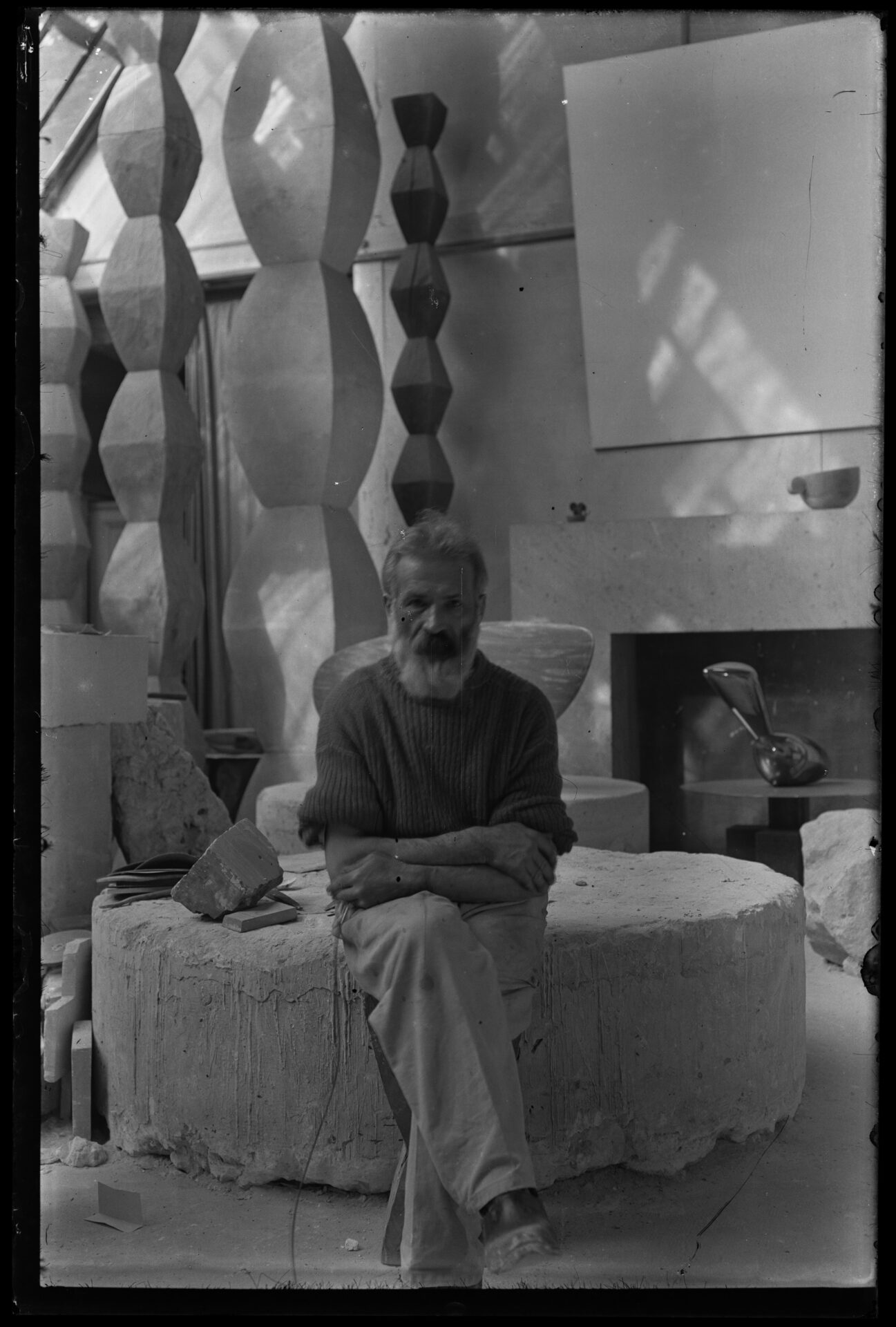
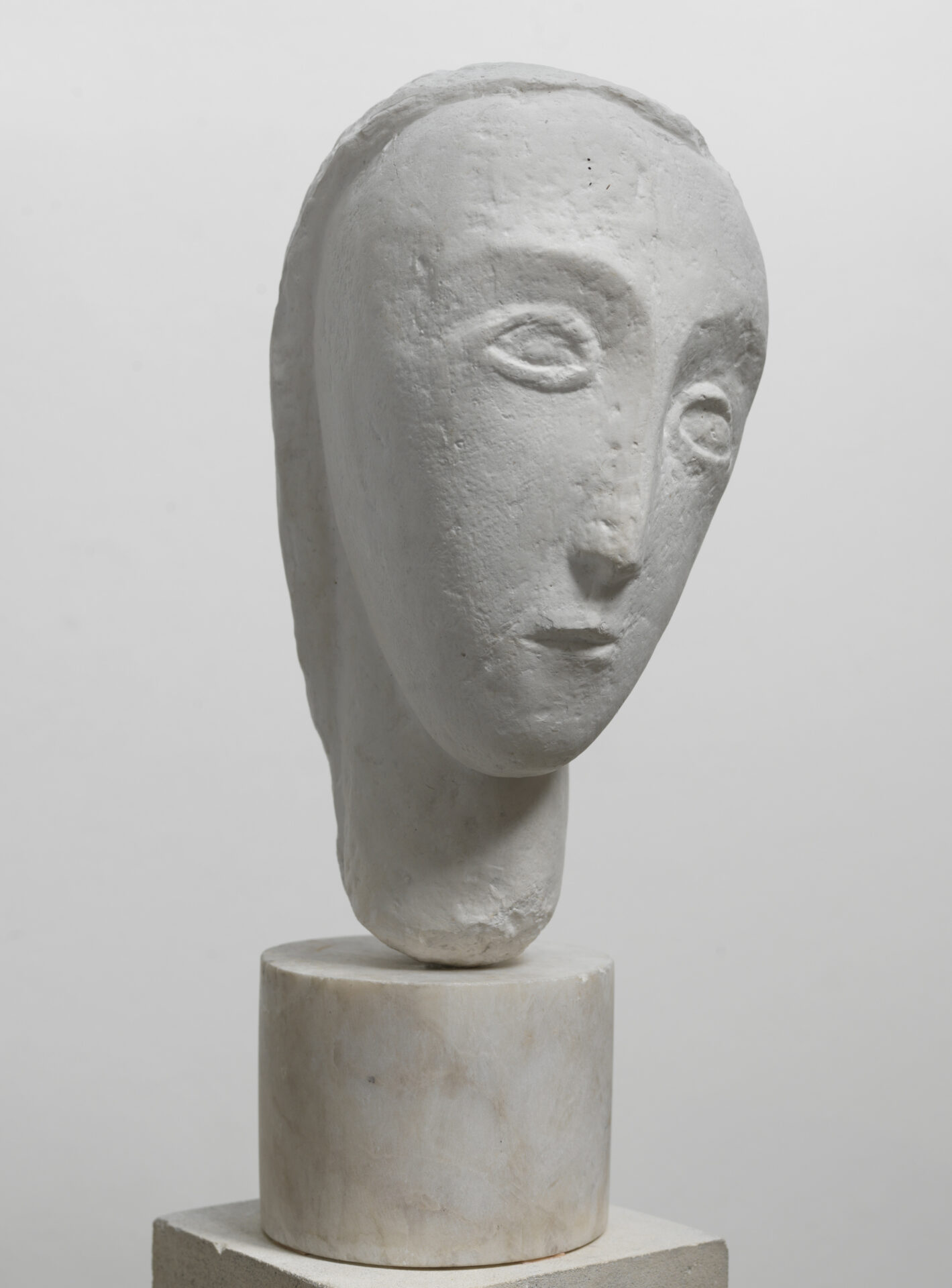
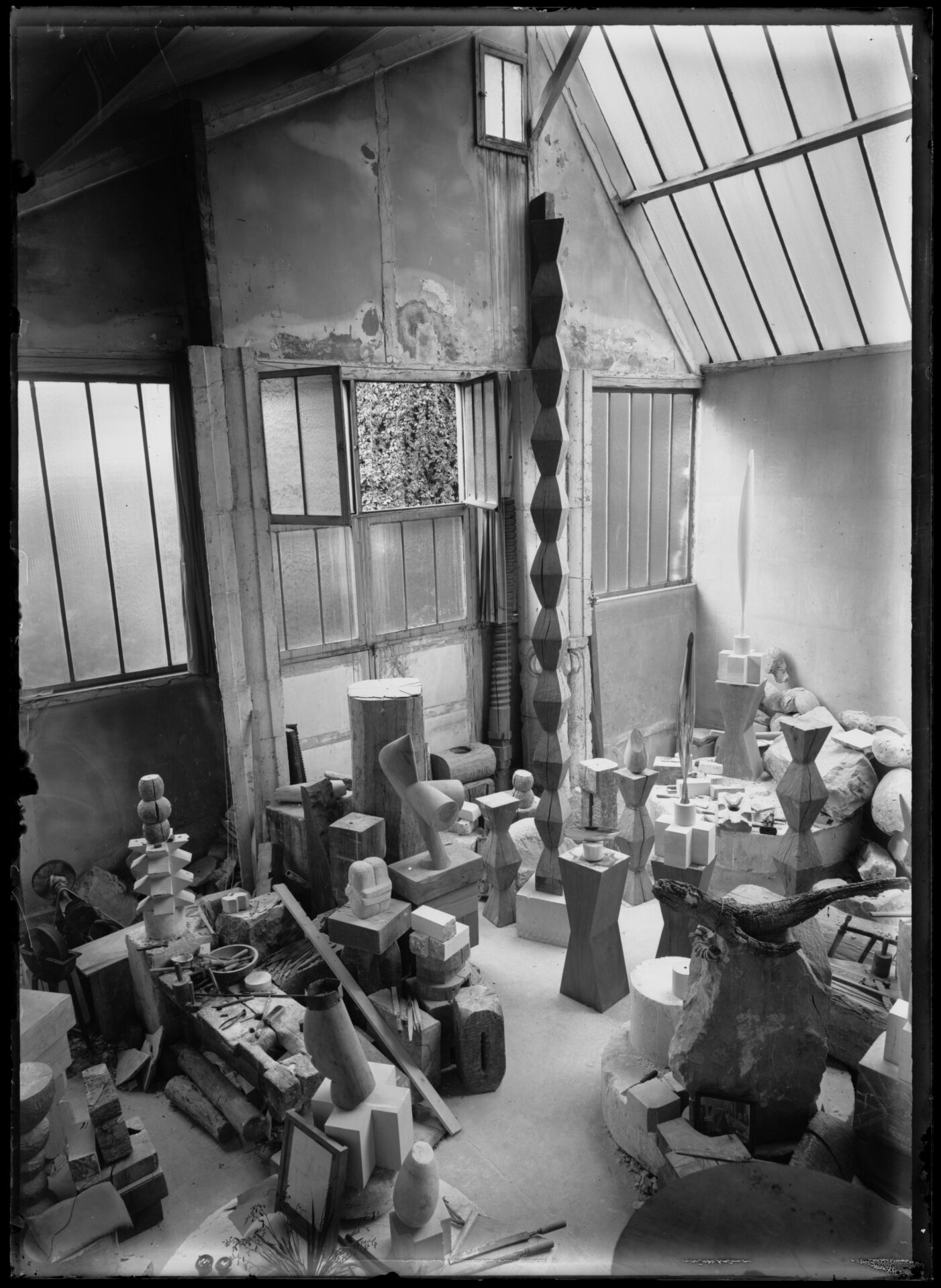
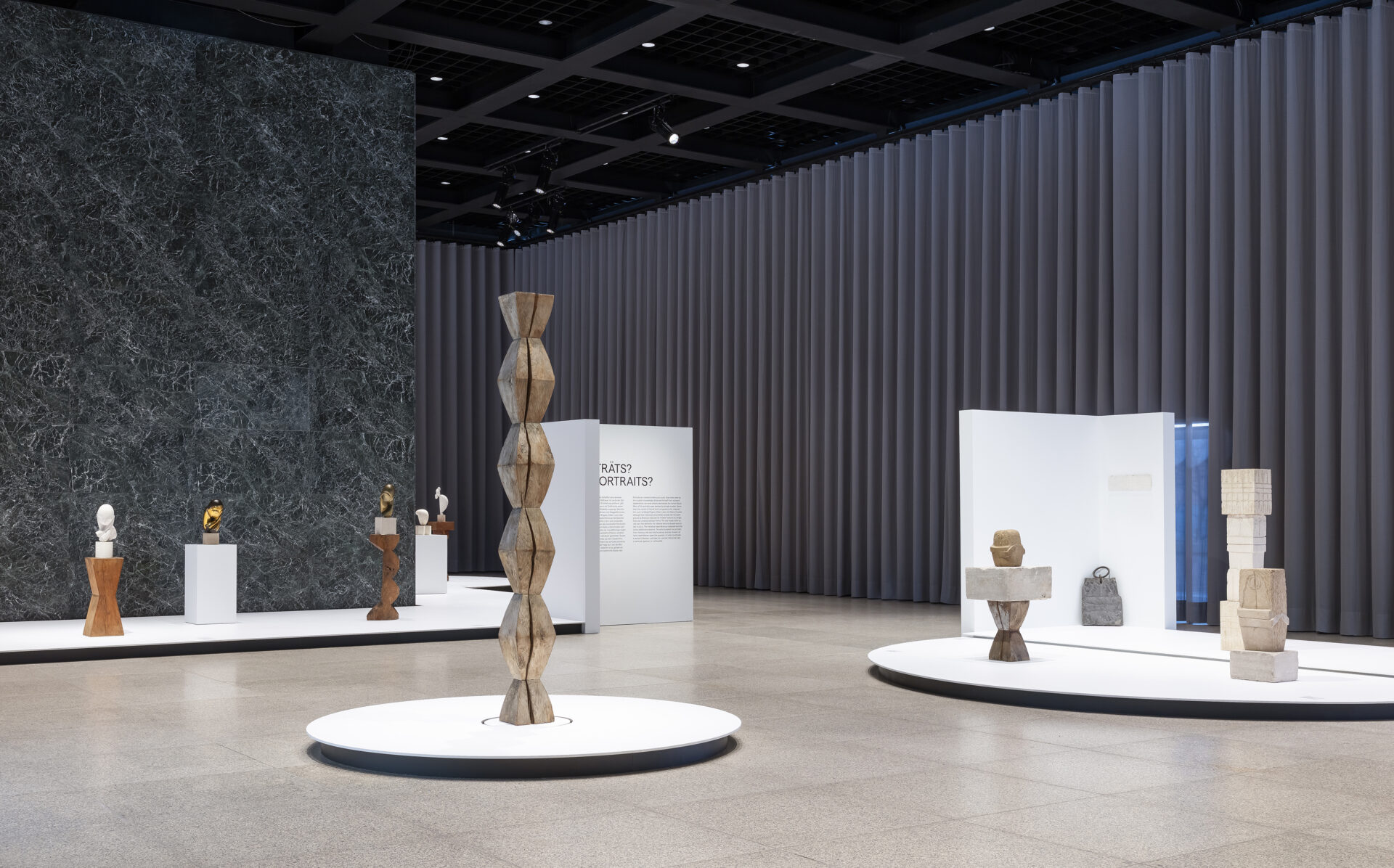
Looking at Brancusi’s current exhibition at the Neue Nationalgalerie in Berlin, it’s pretty obvious that I’m not the only one thinking like that. Actually, the fact that people are still fascinated by his work is currently on full display: The special exhibition is expected to attract more than 300,000 visitors before it closes, enough to break the museum’s attendance record. Just for reference, the last artist to pull that off at the Neue Nationalgalerie was Gerhard Richter back in 2012. That’s more than a decade ago. Now, for anyone who hasn’t seen the exhibition yet, and for anyone who wants to be one of those 300,000 visitors, this is your last chance: Brancuși at the Neue Nationalgalerie closes this Sunday.
Since we’re already talking about historical sculpture, Brancusi actually began with a classical academic education himself. That’s exactly why he knew how to use detail with precision and, more importantly, when to leave it out. What does a sculpture really need to work as a whole? His works became physically simpler over time, yet the ideas behind them kept expanding. Damn. How do you even pull that off? It sounds impossible.
Let’s do a little experiment so you can picture it. Close your eyes for five seconds and think of a seal. Then open them again straight away. Sounds weird. I know. Just try it. Your brain immediately starts building an image and begins with the details that matter most. You don’t instantly picture one specific seal. You probably see the outline of the body first, maybe the smooth grey skin. Then your mind manages to throw in a rock underneath it. By then your eyes are already open again.
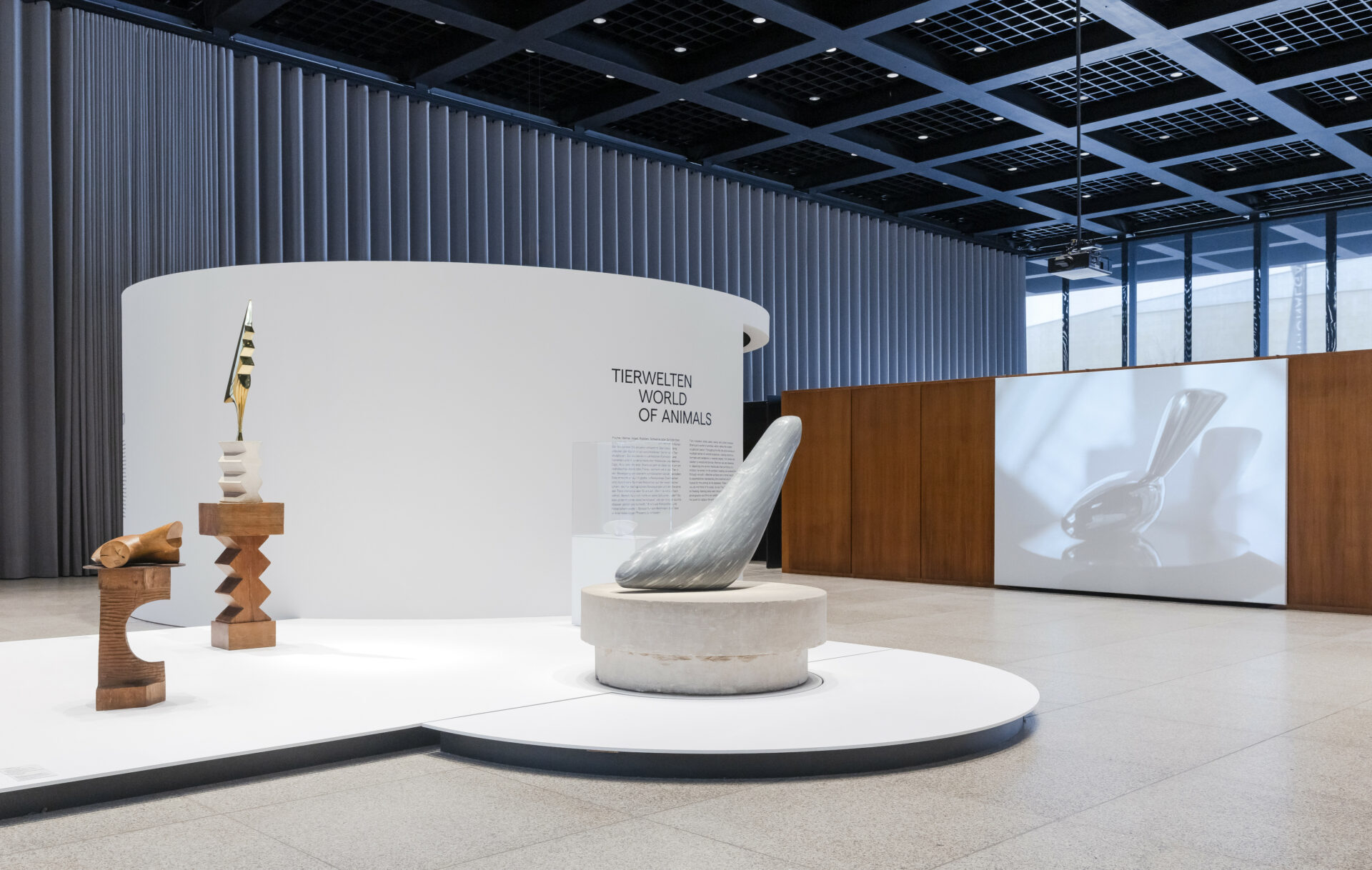
Those rough details are enough for Brancusi. He takes that mental image and turns it into a sculpture like Seal II (1943), and we recognise it instantly. That’s what strikes me most about his work. He cares far more about the depth of a few carefully chosen details than about piling up endless visual information. That’s also what keeps people engaged. While Brancusi reduces his sculptures to their essentials, he leaves us with a blank canvas where the fun part actually begins.
“They are imbeciles who call my work abstract. That which they call abstract is the most realistic, because what is real is not the exterior but the idea, the essence of things.” – Constantin Brâncuși
As viewers, we suddenly become part of the artwork ourselves. We project our own images onto those simple forms. We all start with the idea of a seal. The difference is that each of us fills in the missing pieces differently. One person imagines the texture of its wet skin, another hears the sound of it calling. Suddenly, it leaves the purely visual behind and becomes something immersive, something whole.
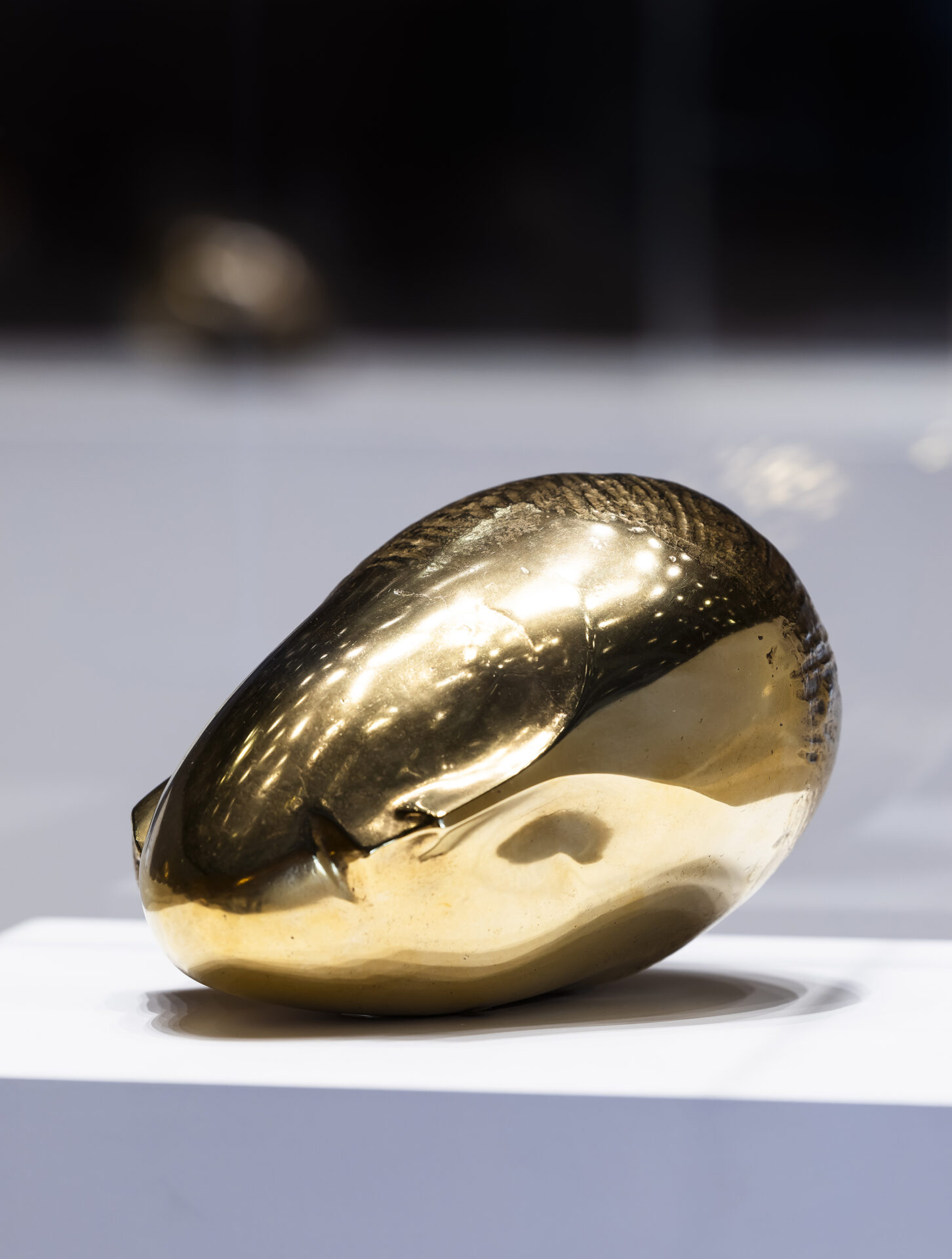
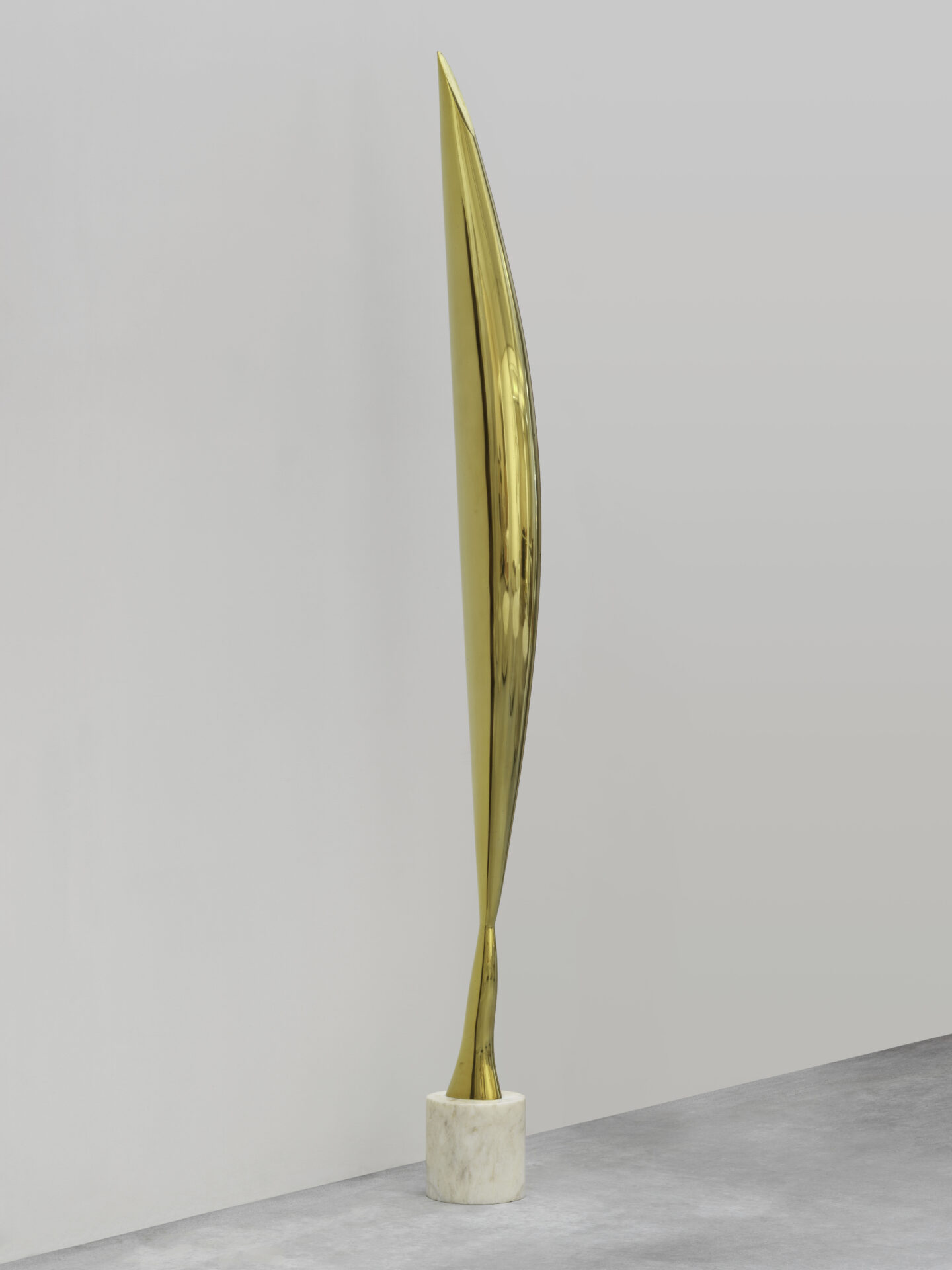
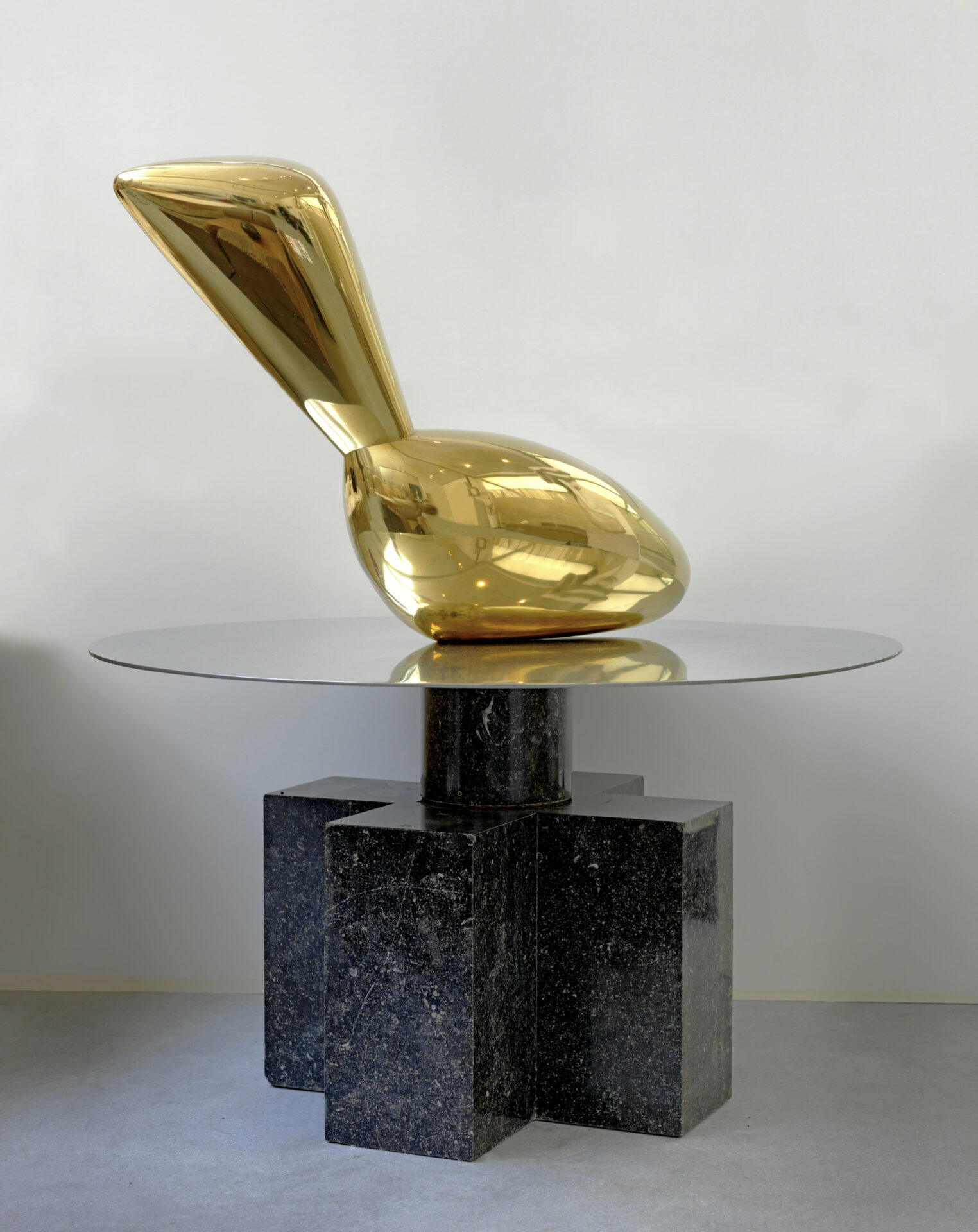
Then there are his striking golden sculptures, polished so perfectly that every beam of light bounces off them. Walk closer to Sleeping Muse (1910) and, all of a sudden, your own reflection appears on its surface. The golden head resting on its white pedestal suddenly has a host. I find that interaction so fascinating. No wonder, people travel from all over the world just to see this exhibition in Berlin.
The exhibition runs until 9 August at the Neue Nationalgalerie in Berlin, and it’s an absolute must-see.