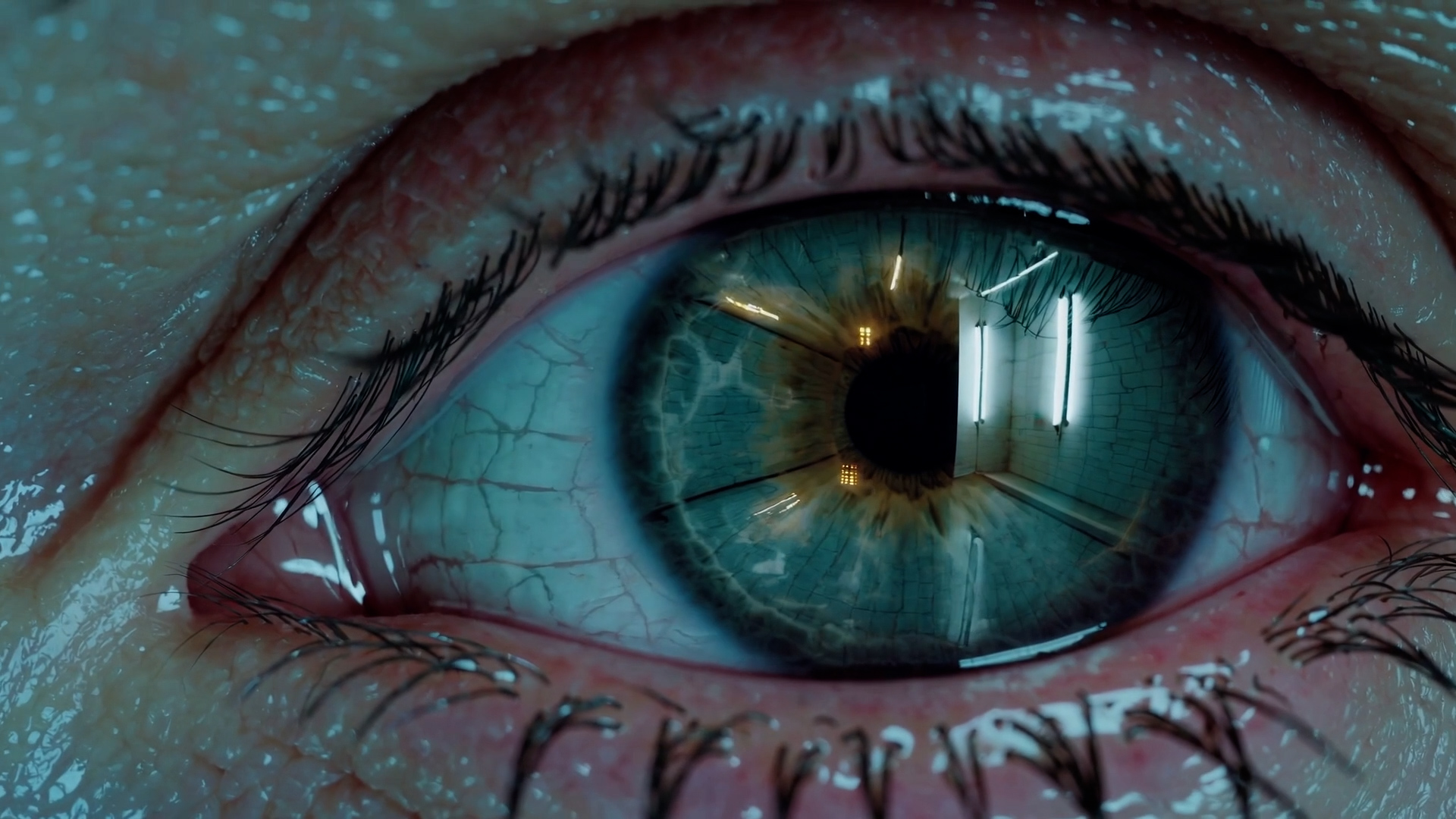
Technology has changed how we plan our days. How we think about time. It has changed the way we live at home, even through the simplest things: light, entertainment, or smart systems that automatically close the windows at a certain time every night. It has changed how we commute, how we work and, perhaps most interestingly, how we approach relationships.
Together with CIFRA, a curatorial platform for media art, SLEEK has created the playlist Digital Intimacies: a selection of ten artworks by artists from all over the world. Whether they are about a horse, grass, play with a condom or show surveillance cameras, all of them prove in their own way how technology has reshaped the way we connect, communicate with others and coexist. They show how technology has changed the way we behave around others, who we ask for advice, and where the human stands in a world that is constantly moving, transforming and surprising us.
CIFRA itself is rethinking how digital art can be experienced. Bringing together creatives from Brazil to China, France to Canada and beyond, the platform offers artists new ways to showcase and experiment with visual storytelling. In that sense, CIFRA functions like an exhibition space but more importantly like a growing digital community, connecting people, ideas and techniques and making them accessible to anyone who wants to immerse themselves in this world. As CIFRA puts it: “We believe that art deserves permanence and belongs on every screen, every life.”
We took that idea to heart. So, to accompany our new playlist, we are introducing nine artworks that make up Digital Intimacies and the artists behind them. From OONA, a anonymous performance artist, to Oslo-based Axl Le Yi, Carla Gannis, Yorgos Papafigos, Monika Mamzeta and more, here are the works exploring what intimacy, connection and coexistence can mean in a digital world.
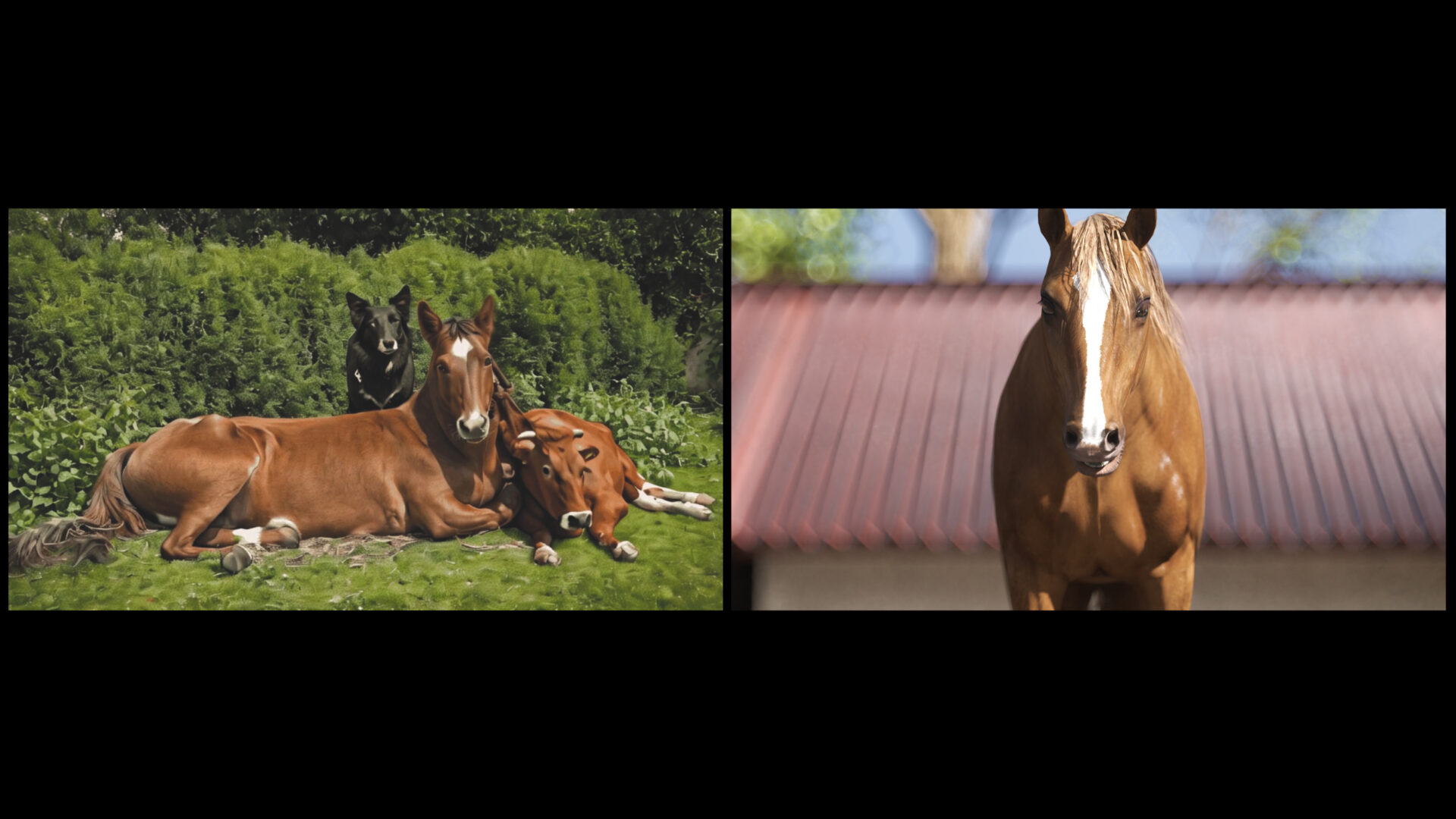
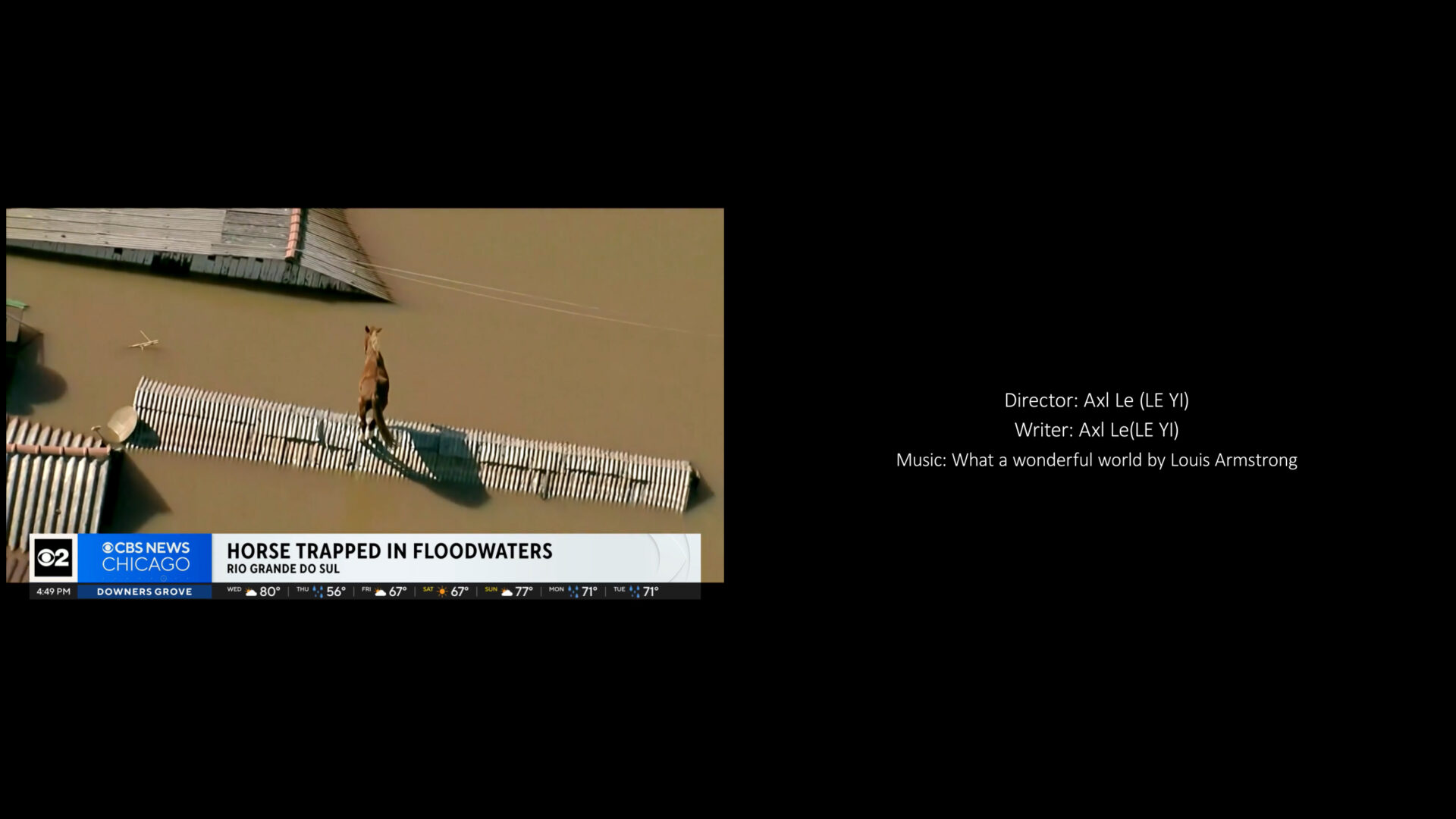
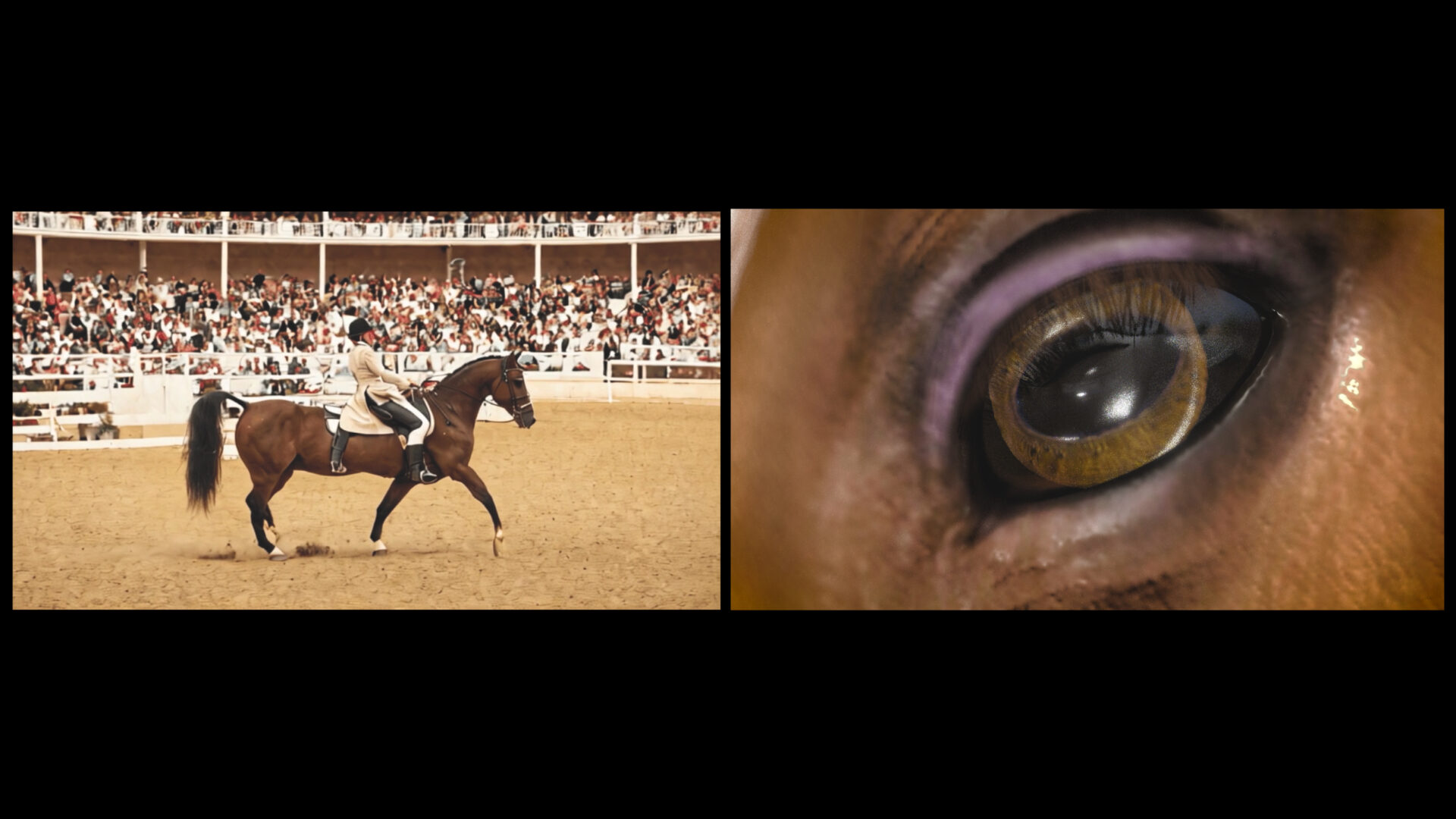
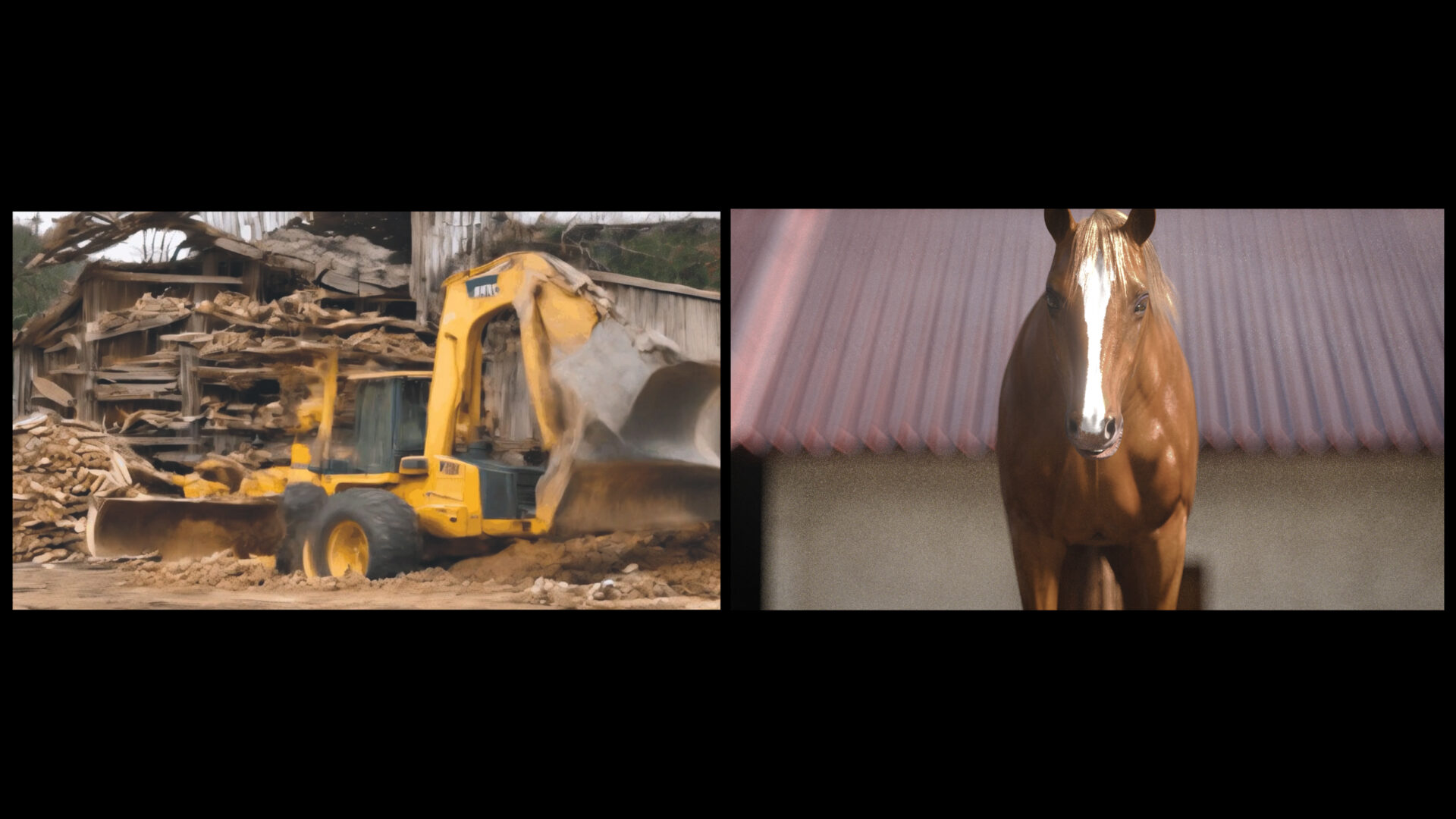
Wine, horseshoes, Old Salvador, and my good fellas Phil and Bil by Axl Le Yi
What can a horse tell us about being human? In Wine, horseshoes, Old Salvador, and my good fellas Phil and Bil, Oslo-based new media artist and filmmaker Axl Le Yi follows Caramelo, an Andalusian horse from Brazil, who becomes a metaphor for the very human experience of feeling like an outsider. Through AI and CG, Le Yi is able to create a perspective that would otherwise be impossible: looking at belonging, loneliness and the gap between dreams and reality through the eyes of an animal.
The technology might be new, but the emotions are anything but. They are familiar feelings that have probably accompanied us for as long as humans have existed. In that sense, Le Yi creates something that is digital, yet no less intimate or human. And while many still fear that technology is distancing us from each other and our emotions, Le Yi suggests the opposite: he uses new technology to find another way into feelings we have known all along.
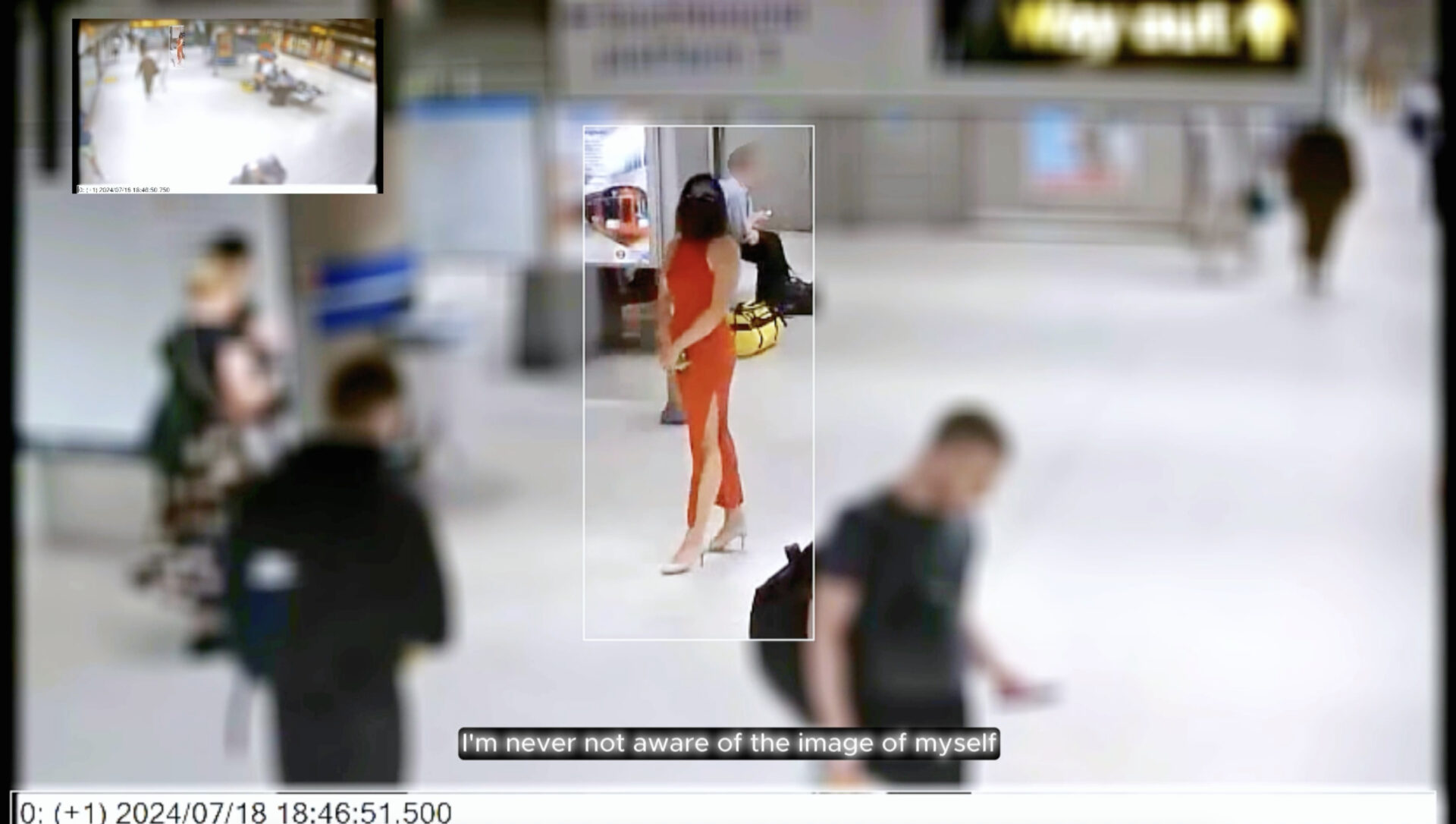
Dear David, You’re Not Present With Me by OONA
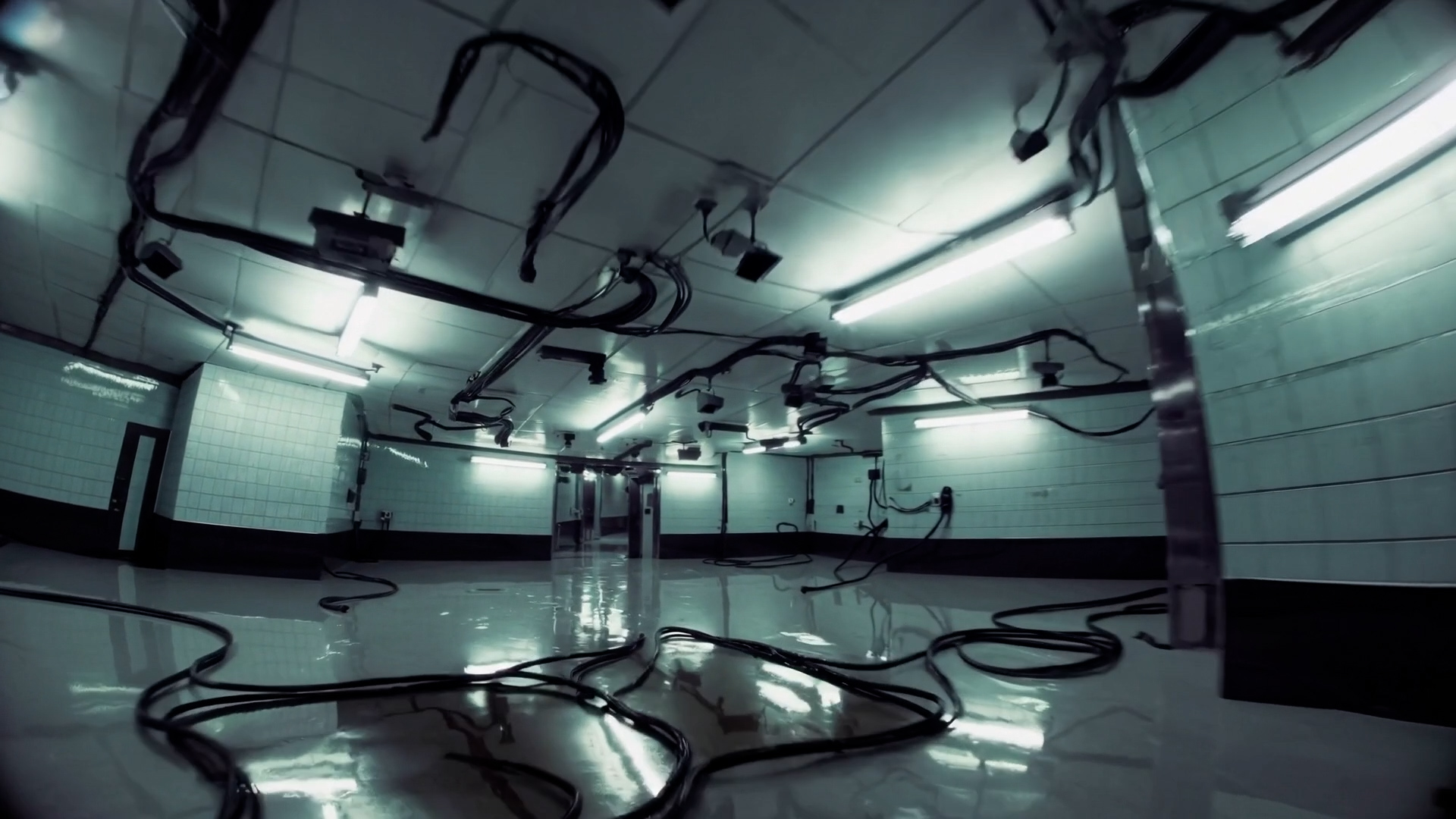
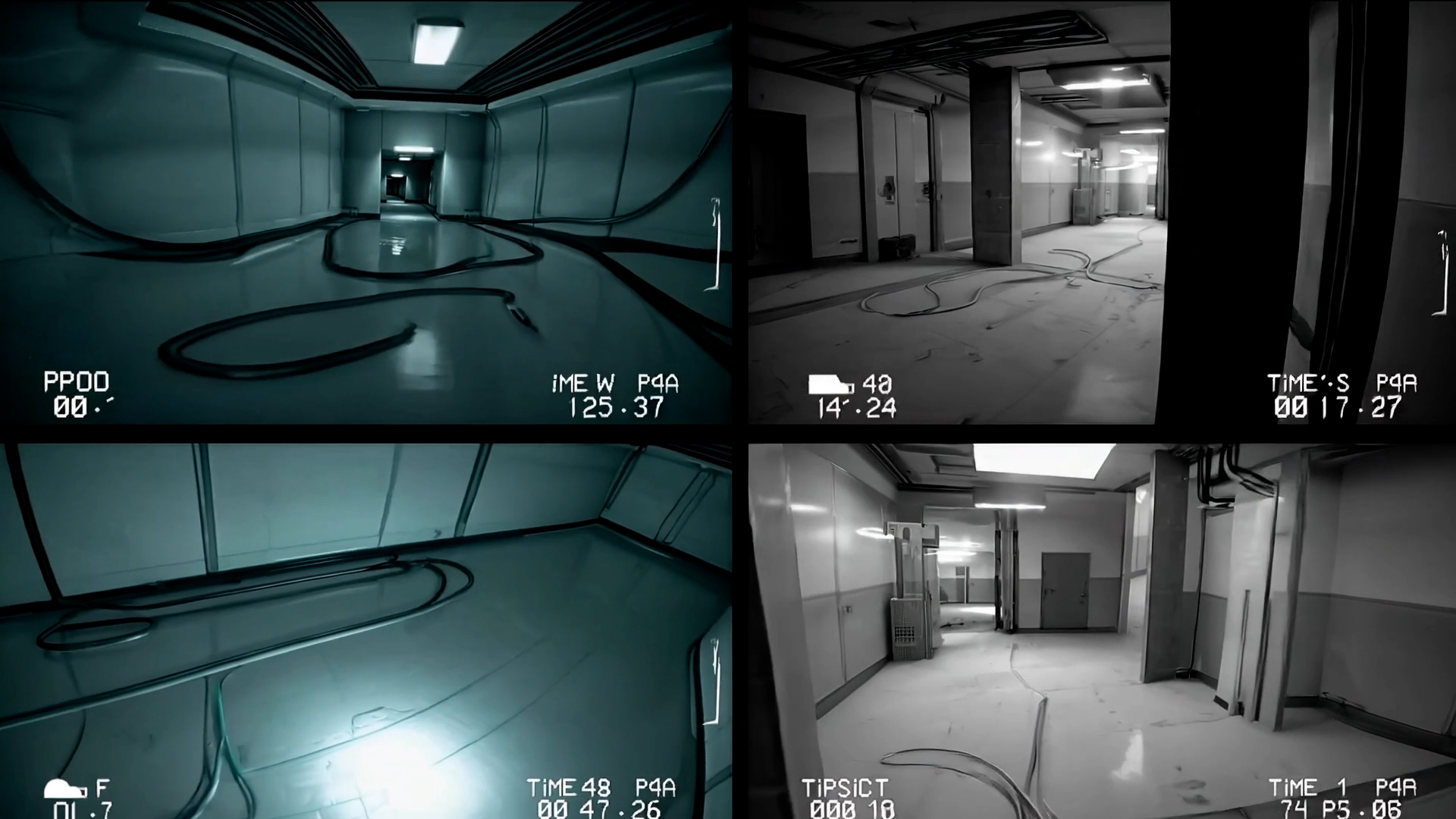
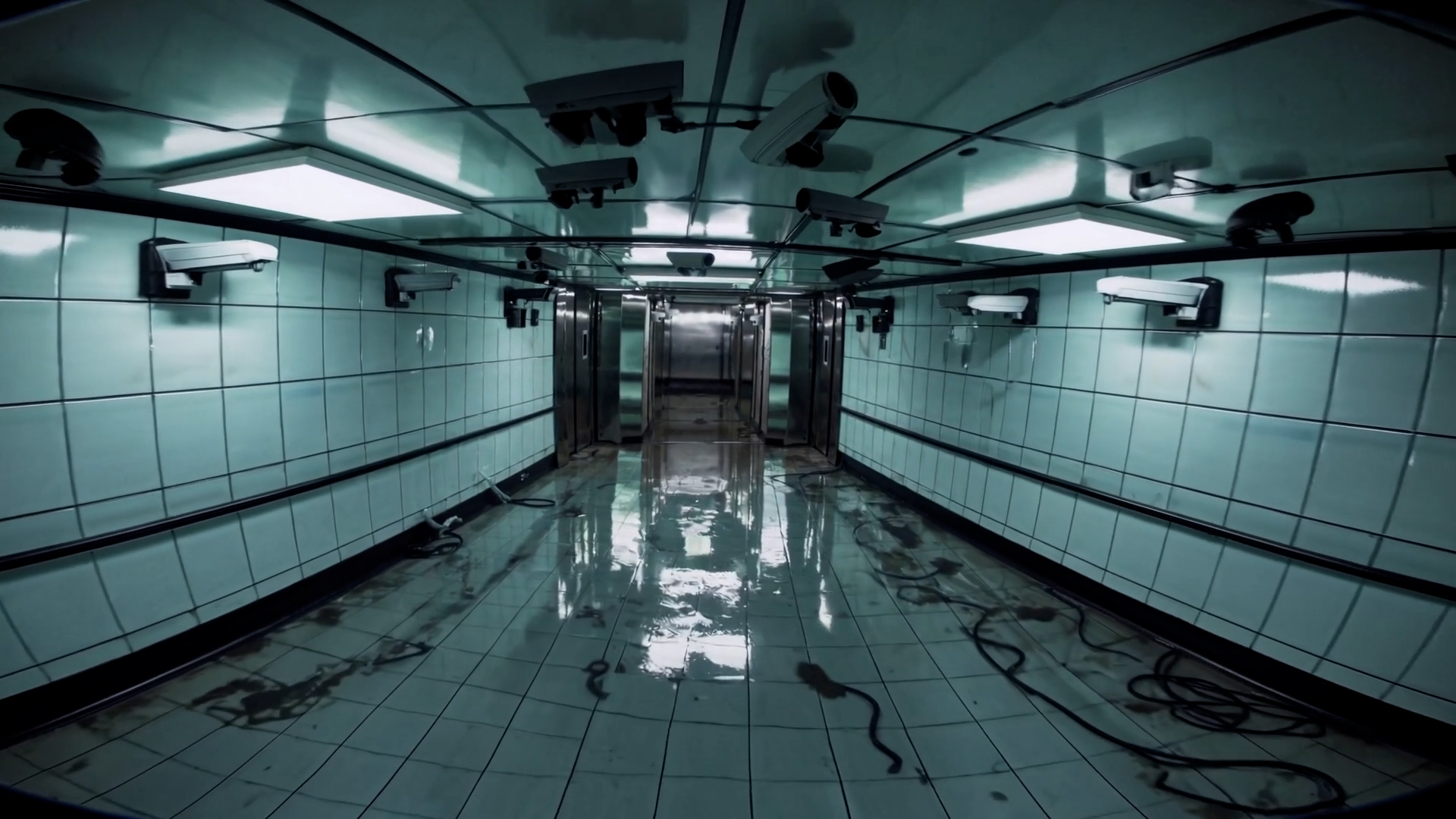
The digital world sees us constantly. But does that mean it knows us? In Dear David, You’re Not Present With Me, anonymous performance artist OONA turns to surveillance to explore a strange kind of relationship: one in which we are always being watched, yet there is no intimacy, trust or real presence. Surveillance can record where we were, what we did and when we did it, but it can never actually share that moment with us. It remembers everything about our movements without ever truly being there.
By slowing, repeating and reordering surveillance footage, OONA begins to interfere with this seemingly objective record, turning the technology from witness into archive. She confronts a system that sees everything but will never answer back, exposing the difference between being observed and actually being known. In a world where technology is increasingly present in our most ordinary moments, the work asks what presence really means in the first place. It is perhaps one of the strangest relationships created by the digital world: constantly present and yet entirely one-sided.
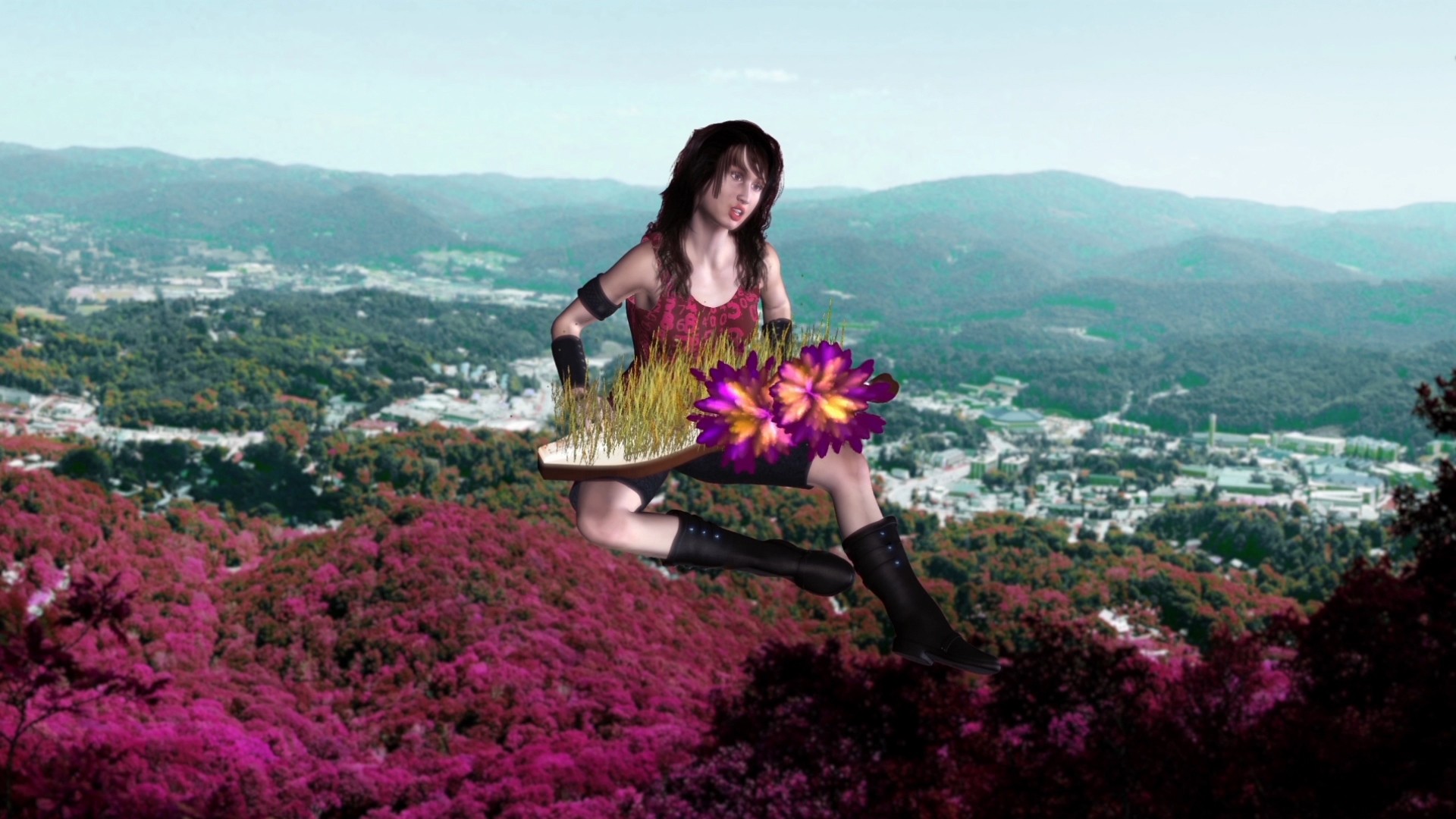
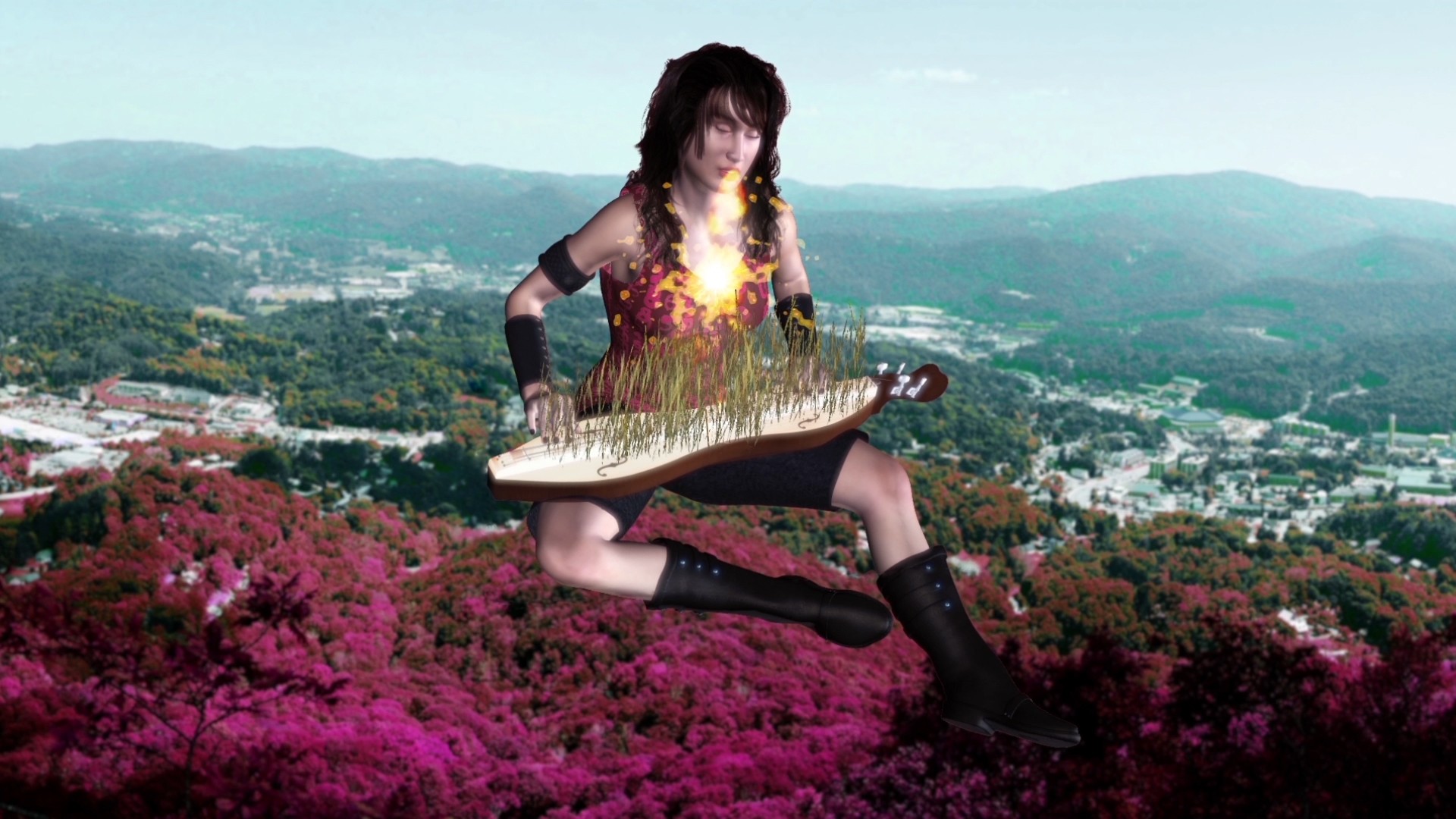
Pretty Poly by Carla Gannis
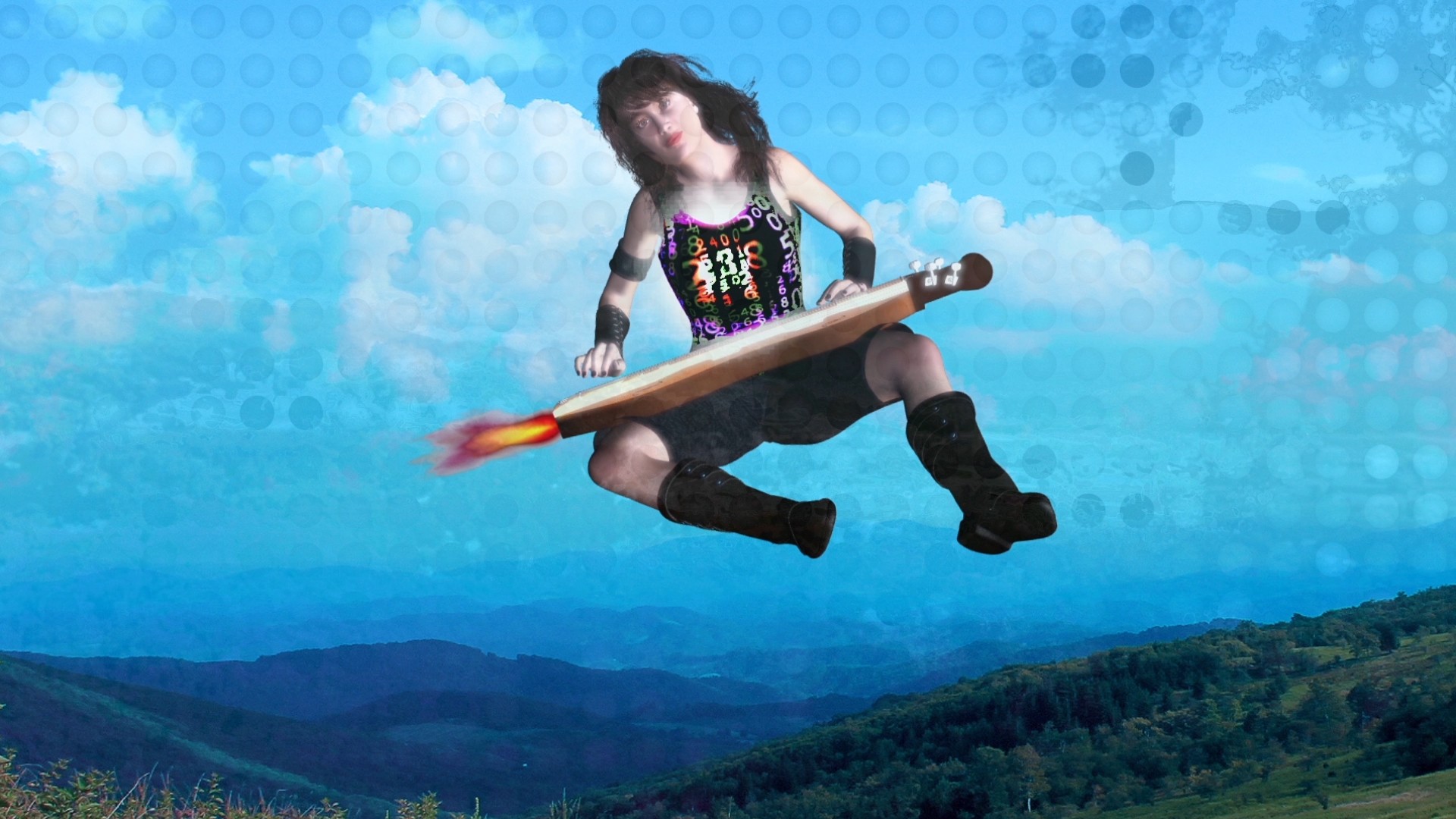
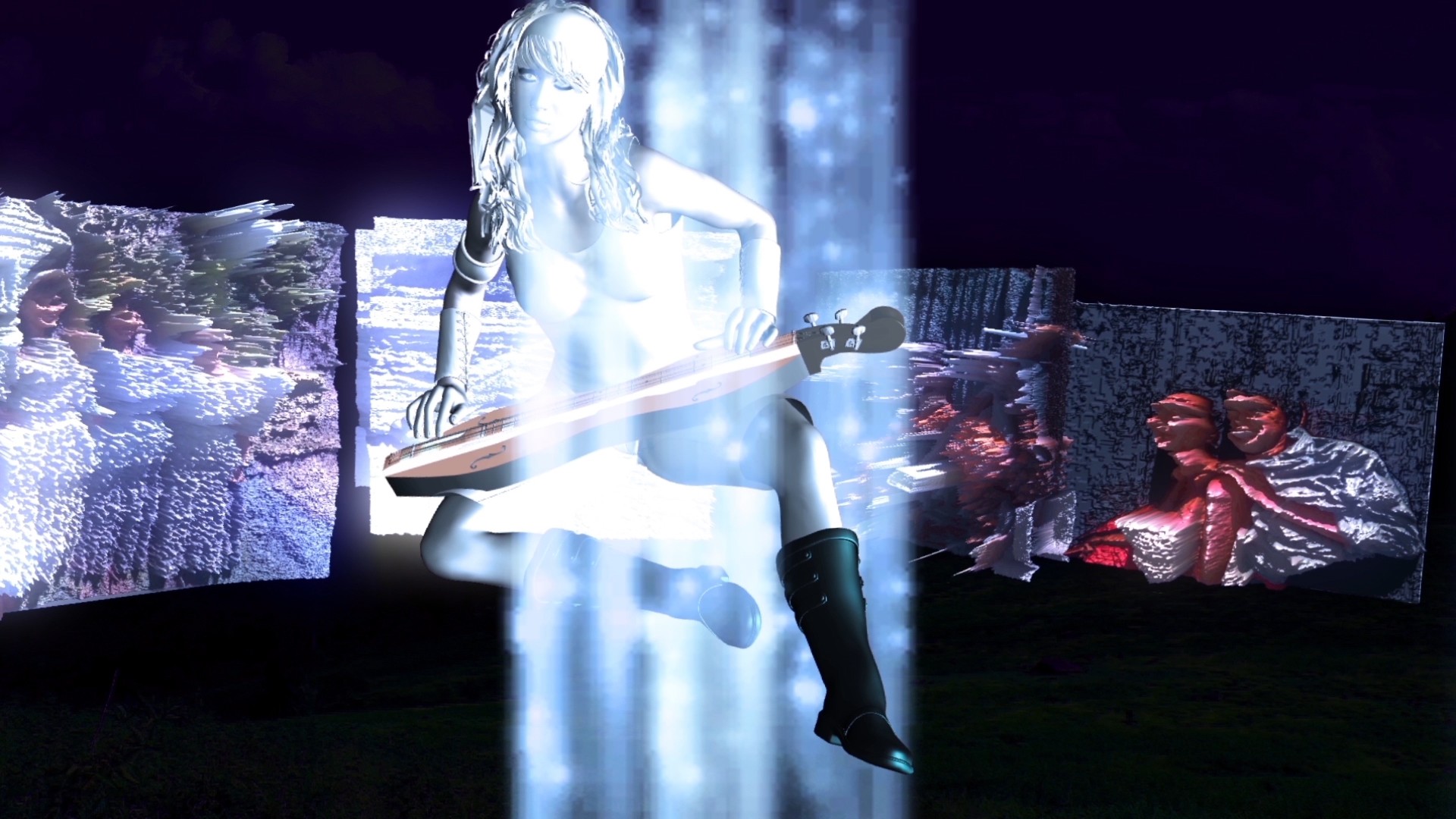
What happens to a relationship when the person is gone, but their voice, stories and memories remain? In Pretty Poly, Carla Gannis returns to a childhood memory of her grandmother singing the dark Appalachian murder ballad Pretty Polly, accompanied by her mother on the dulcimer and her grandfather on the banjo. Drawing on a family tradition of storytelling through music, craft and visual art, Gannis takes this deeply personal memory and carries it into the digital world.
Using 21st-century technology, she transforms the ballad’s victimised Polly into a new character, a Poly(math) travelling through a multidimensional landscape where old family photographs appear as monumental objects along the way. Here, technology becomes a way of holding intimate relationships in time. A voice can be heard again, a photograph can be revisited and a family story can take on an entirely new life long after the original moment has passed. Pretty Poly shows how the digital world can become a space for memory and grief, but also for continuation, allowing the people, stories and relationships that shaped us to keep changing with us.
SLW LLM by Sam Lavigne
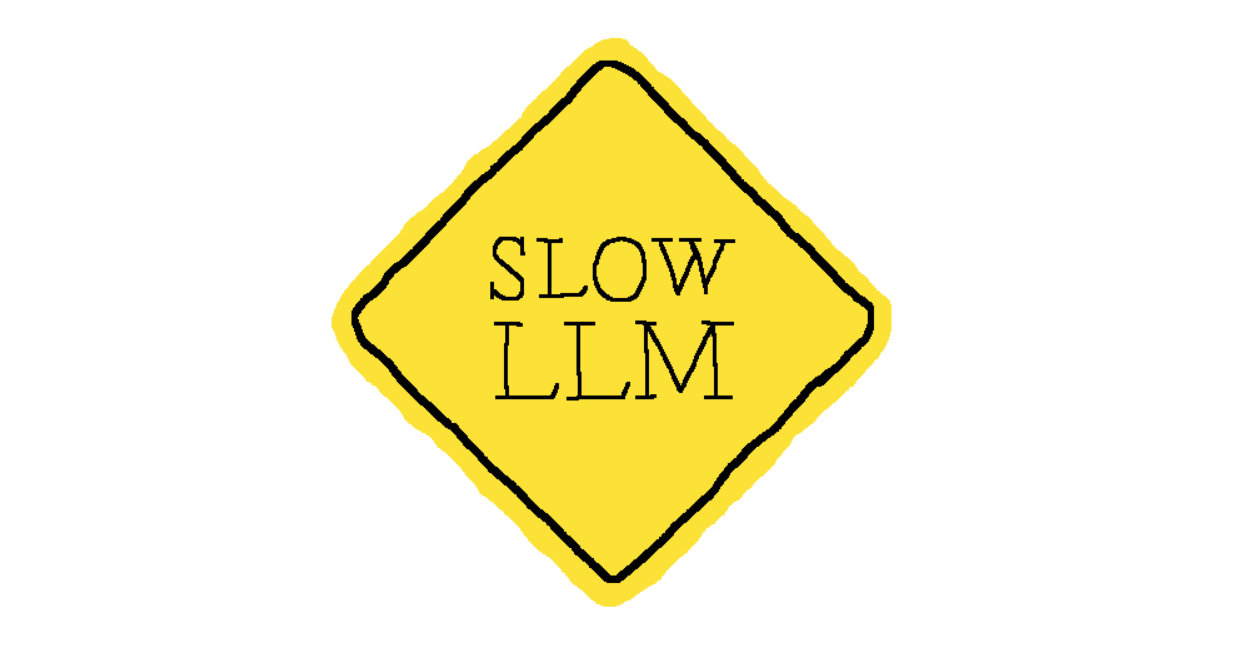
Who do you turn to when you have a question you would rather not ask another person? Increasingly, the answer might be an AI chatbot. In SLW LLM, artist Sam Lavigne takes this increasingly intimate relationship with technology and purposely makes it frustrating. His browser extension and DNS service artificially slow down large language models, turning the usually instant back and forth into a painfully drawn-out conversation.
For the work, Lavigne confronts the chatbot with questions ranging from how to forcibly redistribute wealth to how to overthrow a government or rob a bank. They are provocative, sometimes dangerous questions, but they also point towards something a general societal phenomenon: the strange role technology has begun to occupy as an advisor we can seemingly ask anything.
Now, by slowing down its answers, Lavigne interrupts the immediacy that makes this relationship feel so natural in the first place. Suddenly, the endlessly available digital confidant becomes defensive, slow and unsatisfying. In that way, SLW LLM asks what happens when the technology we have grown used to turning to stops giving us what we want.
A Random Event in the Field (Partner) by Yorgos Papafigos
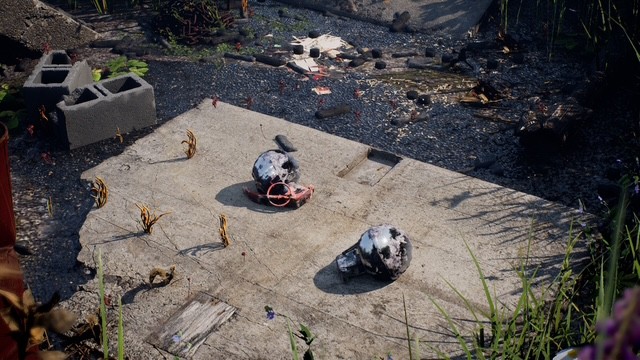
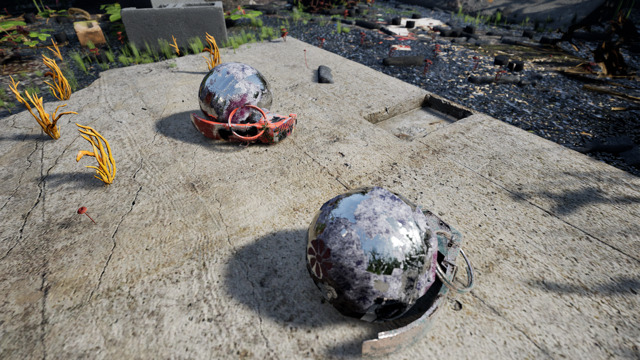
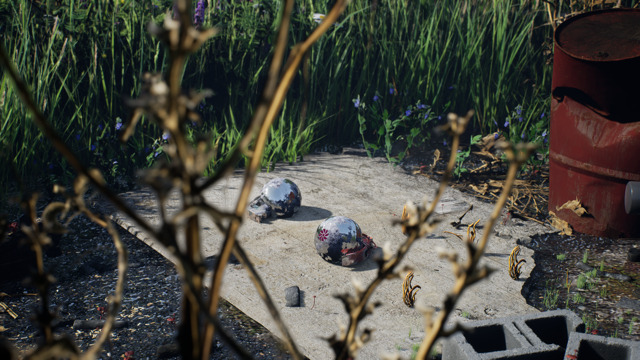
Can there be intimacy without humans? In A Random Event in the Field (Partner), Athens-based artist Yorgos Papafigos uses CGI to bring two inanimate objects to life. Surrounded by toxic waste in an otherwise cold, concrete environment, they begin to breathe together, entering into a rhythmic exchange that suddenly feels strangely intimate. Perhaps that familiarity comes from their form: side by side, expanding and contracting together, the two objects almost resemble a pair of lungs working to keep the same body alive.
Papafigos often brings nature and digital worlds together to explore emotional struggles, isolation and the ways technology shapes our perception of reality. Here, CGI allows him to create a relationship where none could exist in the physical world, giving lifeless objects breath, presence and seemingly even a sense of connection. At the same time, the toxic landscape around them feels almost post-apocalyptic, as if we are looking at a world in which human relationships have already failed and something else has taken their place. Watching the work, one might begin to wonder whether intimacy can exist without humans, and what forms of connection might remain after us.
Third Impact by S()fia Braga
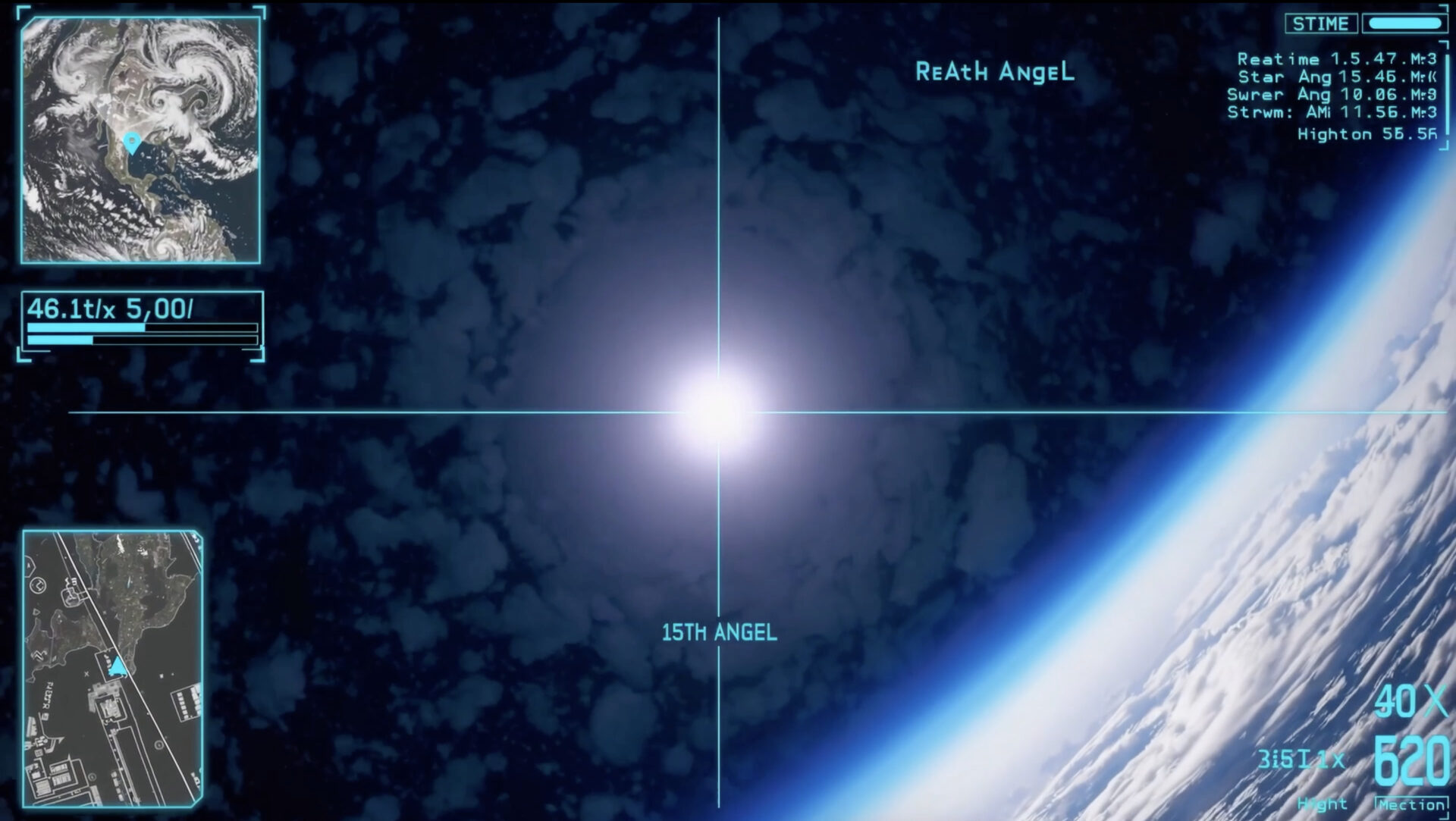
What happens when a machine designed to save life suddenly becomes the only one left? In Third Impact, Italian transmedia artist and filmmaker S()fia Braga imagines a future in which rising temperatures, extreme weather and collapsing ecosystems threaten organic life on Earth. At the centre of the AI-assisted film is a quantum computer tasked with preventing its extinction. But when an unknown event wipes out all remaining organic life, the machine is left alone with the very mission that once gave it purpose.
What follows is an unexpectedly emotional journey through loss, identity and self-discovery. Braga reverses the familiar relationship between humans and technology: instead of asking what machines can do for us, Third Impact asks what their relationship to us, and to life itself, could become. Created in collaboration with AI systems, the film makes that question even more interesting, using the very technology at its centre to imagine a world in which the boundaries between tool, collaborator and independent agent begin to disappear.
Skotopoiesis by Špela Petrič
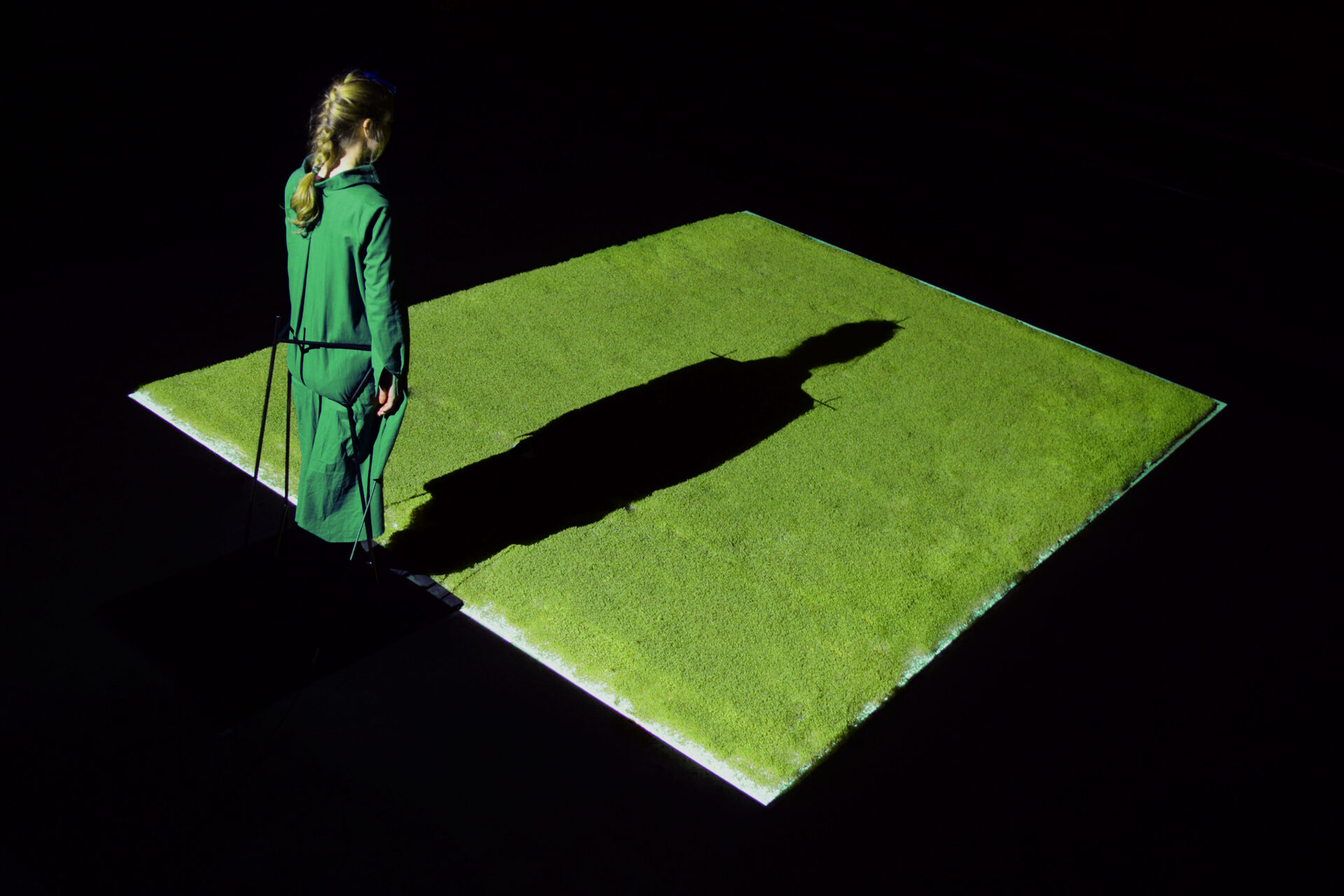
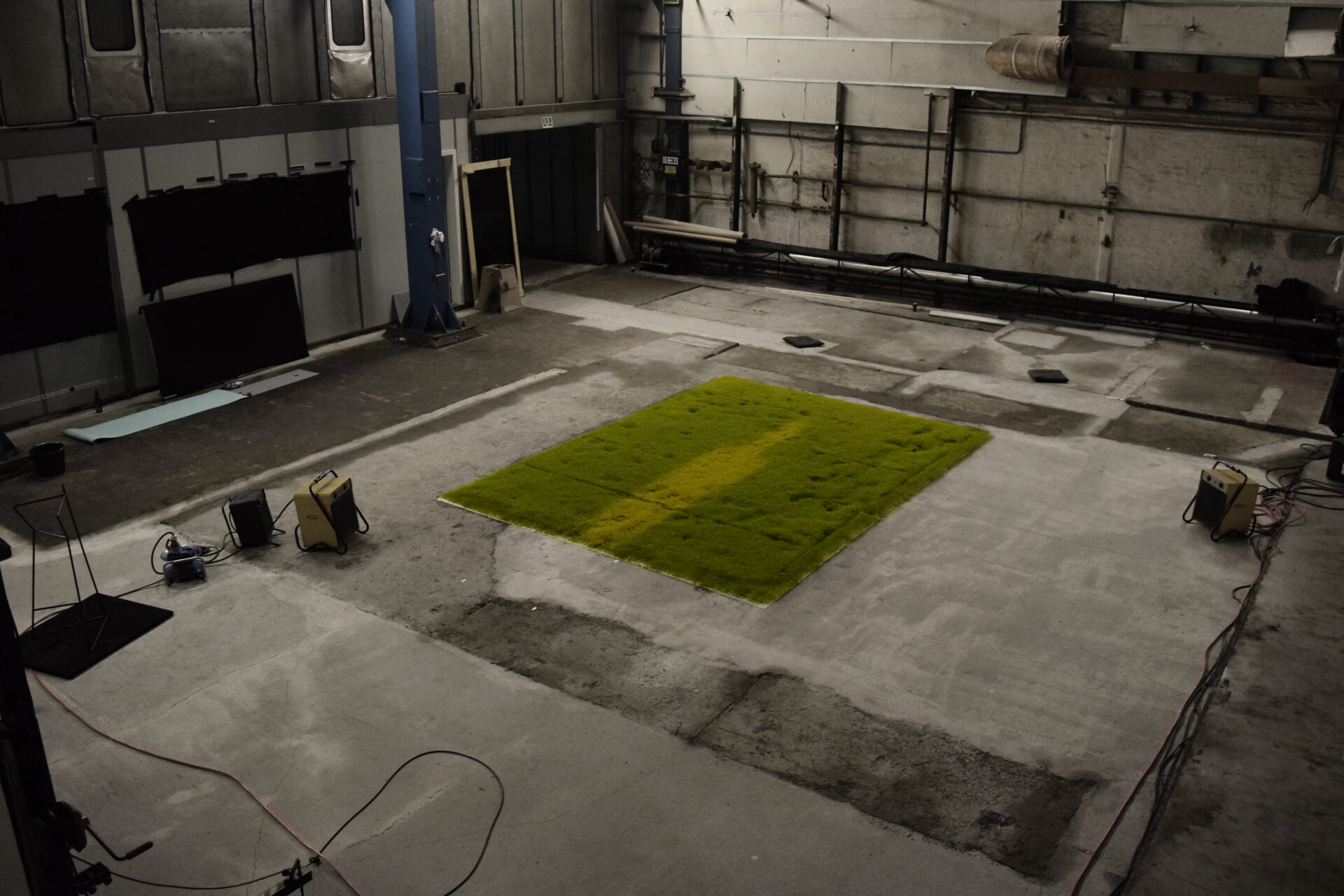
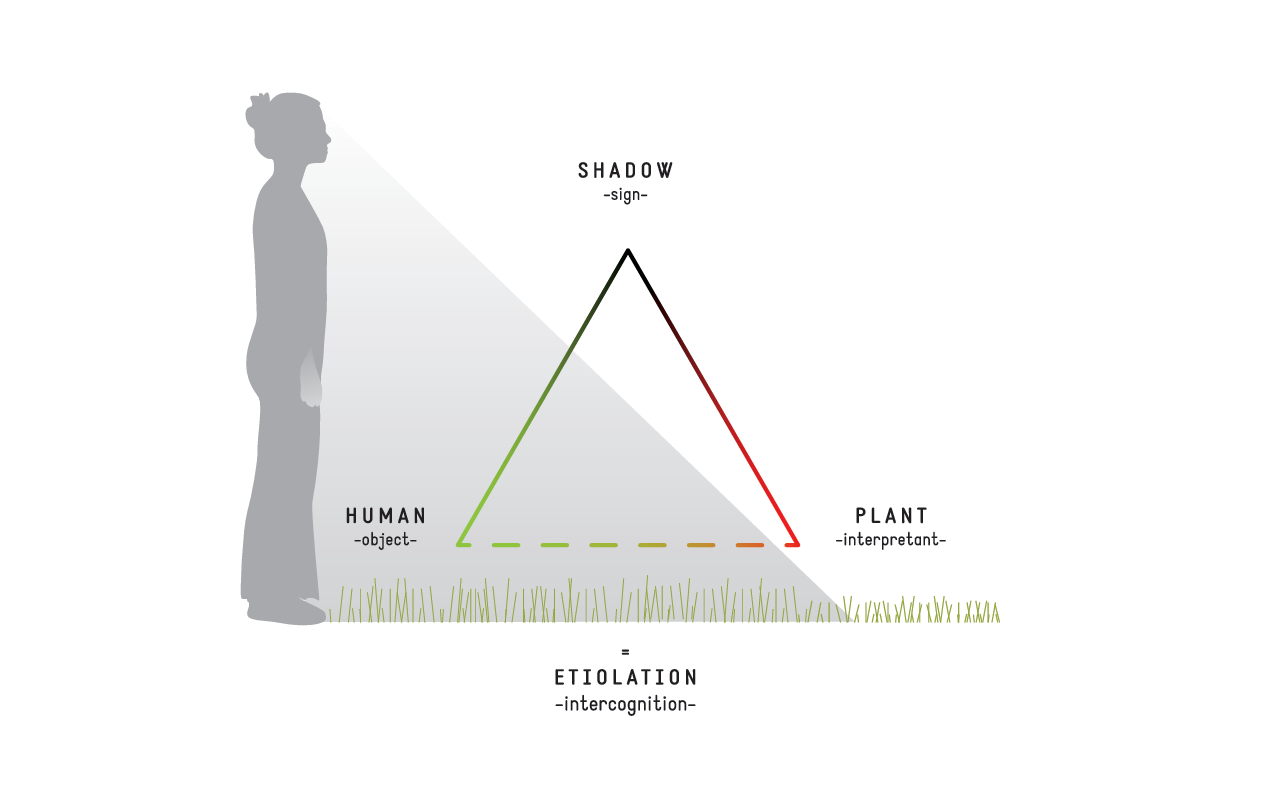
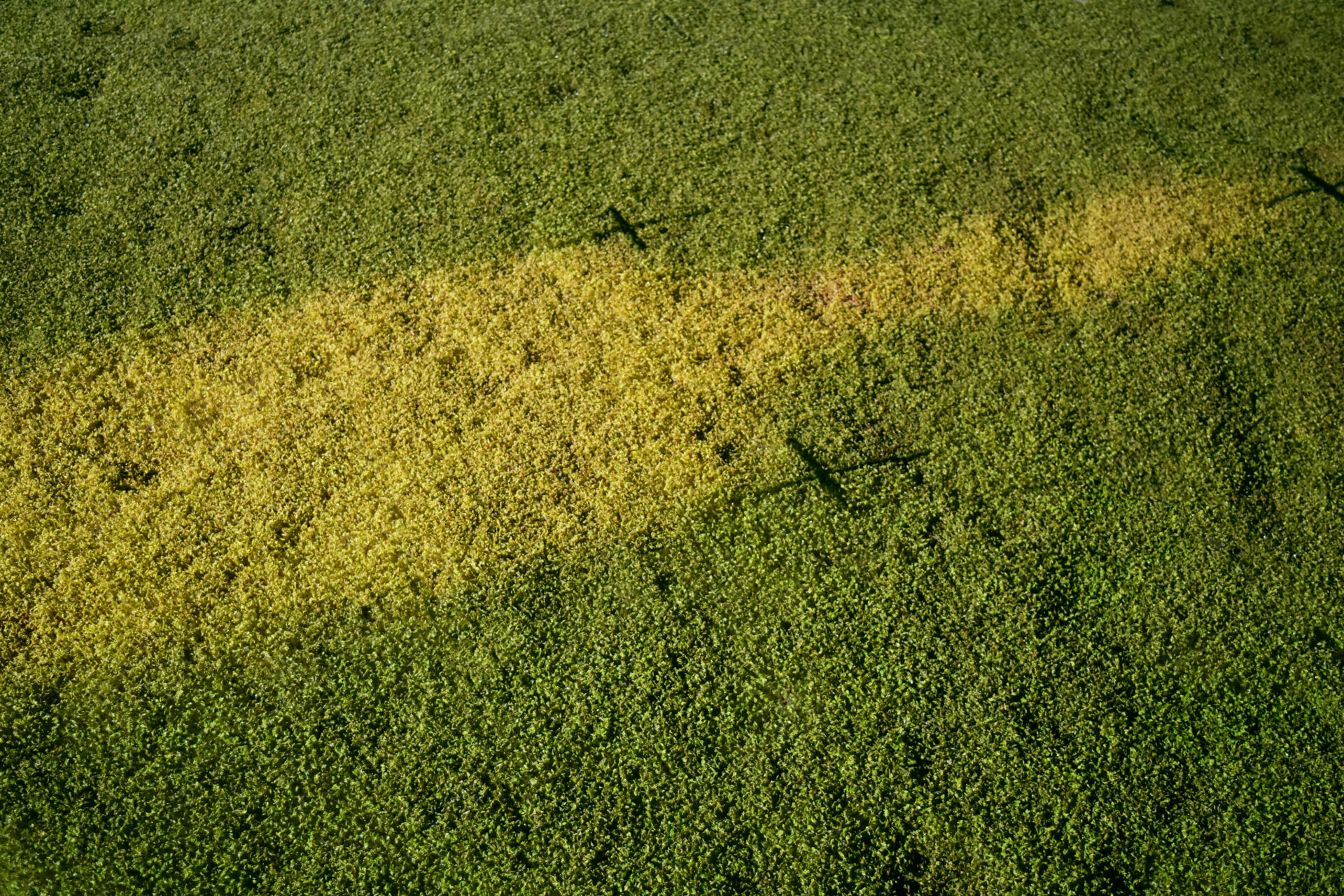
How do you build a relationship with something that experiences the world entirely differently from you? In Skotopoiesis, Slovenian artist Špela Petrič attempts exactly that. For twelve hours a day, she stands almost completely still between a light projection and germinating cress, casting her shadow onto the plants. Deprived of light, the cress grows longer and paler in an attempt to escape the shadow. Meanwhile, standing still for hours causes Petrič herself to physically shrink slightly through fluid loss from the discs in her spine. Both leave the encounter changed.
The work starts from a simple problem: plants operate through processes, signals and timescales that humans cannot naturally perceive. Technology and scientific knowledge can make some of these processes visible to us, opening up new ways of understanding the living organisms we share our surroundings with. Petrič uses that access to ask what happens when the human tries to meet the plant on its own terms, accepting that complete understanding might never be possible.
Are We Gazin at the Same Moon? by Jeyun
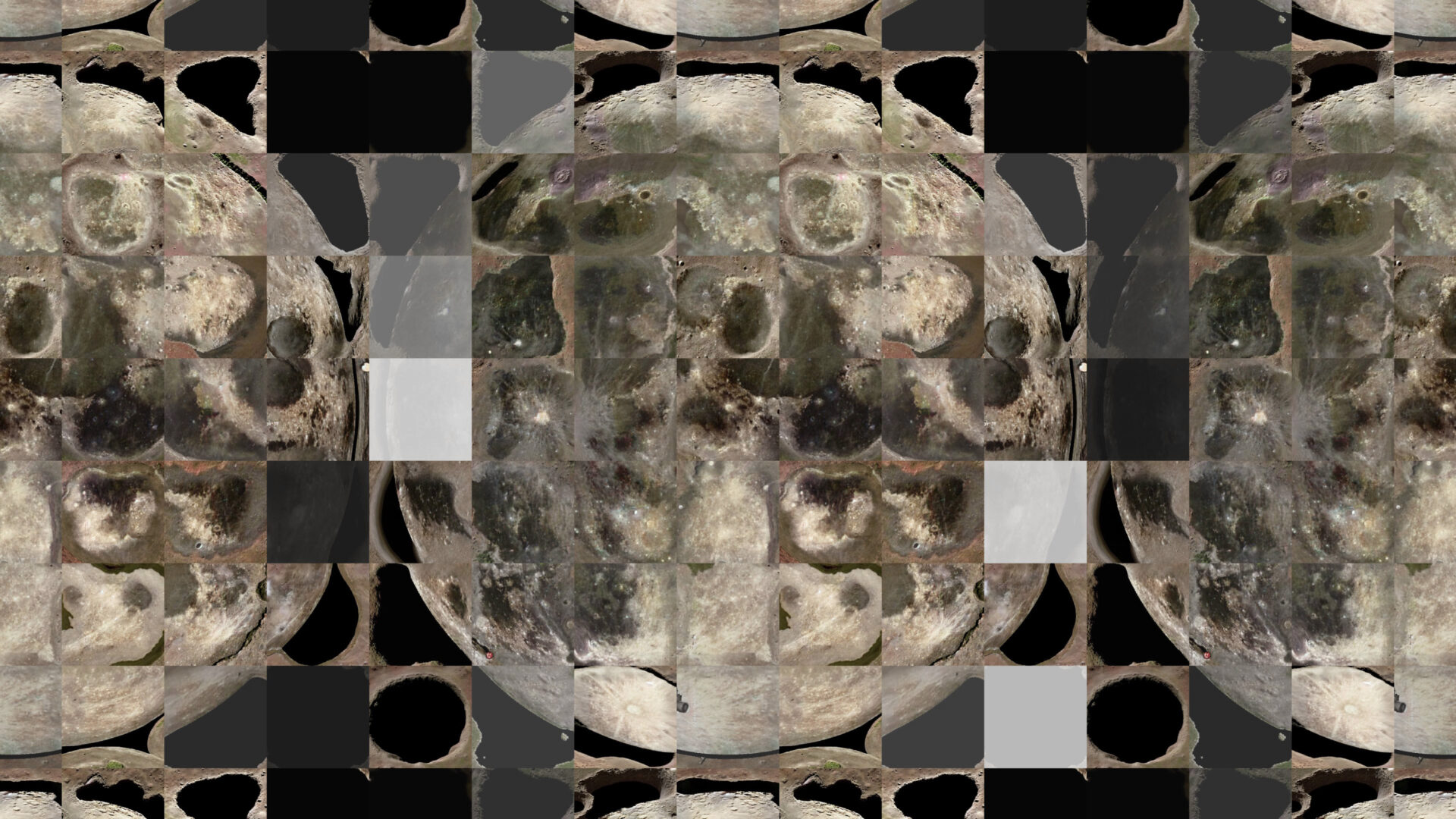
For centuries, looking at the moon has been one of those rare experiences we could assume we shared with almost anyone, anywhere. The same moon above different countries, generations and lives. But in Are We Gazing at the Same Moon?, Jeyun questions how shared that experience really is. Starting with an archival image of the moon captured by NASA’s Galileo spacecraft in 1992, the artist breaks it into fragments and uses generative AI to imagine what might exist beyond the boundaries of each one. Instead of coming back together as one familiar moon, the fragments expand into multiple imaginary versions of it.
Technology here modifies to make a very human question visible: can we ever experience the same thing in exactly the same way? One moon becomes a thousand, reflecting how individual memories, emotions and perspectives can emerge from something we supposedly share. And yet, the work keeps bringing these fragmented realities back together. At a time when countries, cultures and communities can feel increasingly divided, Jeyun, in collaboration with sound artists Ziqian Yin, uses AI to break apart one of humanity’s oldest shared reference points, only to remind us that difference and connection can exist at the same time.
Extra Safe by Monika Mamzeta
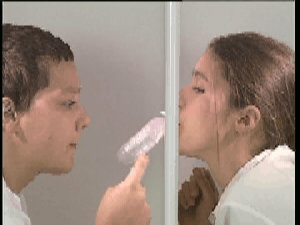
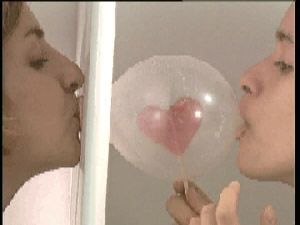
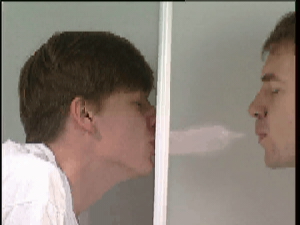
Two people are trying to communicate, but something is always between them. In Extra Safe, Warsaw-based artist Monika Mamzeta places a barrier covered in condoms between two performers, who respond by developing their own non-verbal language. Their interaction becomes relational but individual, intimate without necessarily being sexual, and shaped precisely by the obstacle separating them.
Created in 2000, the work was not made to comment on the screen-based relationships we know today. Yet, viewed more than two decades later, the barrier between the performers feels weirdly familiar. We have become used to building relationships through something that physically separates us: a screen. At the same time, technology gives a performance like Extra Safe another life, preserving an interaction that happened decades ago and allowing us to encounter it in a completely different context today. In the end, Mamzeta’s work shows us one more time that intimacy doesn’t necessarily disappear just because something stands between two people.