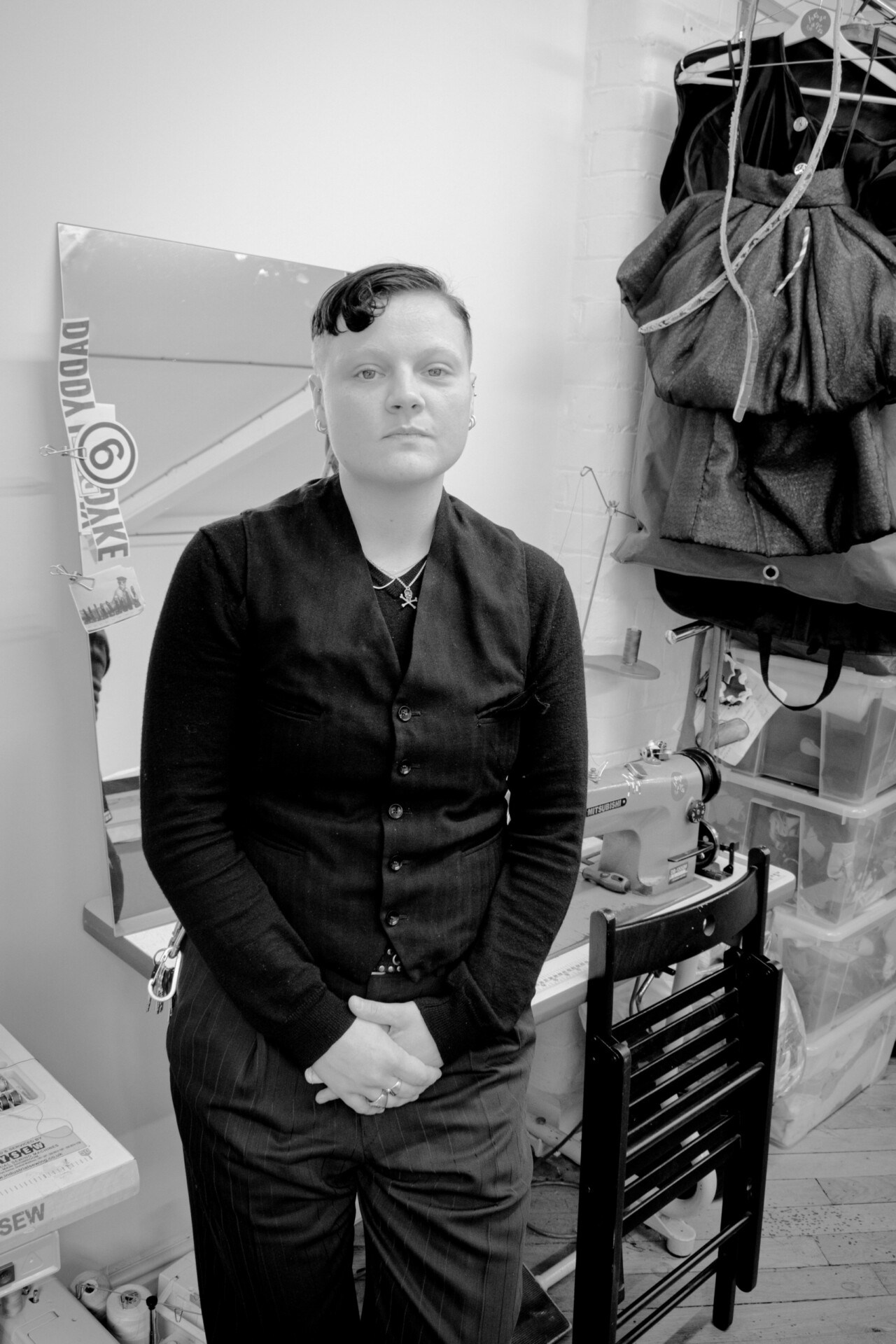
Ella Boucht. Portrait by Molly Maltman.
Ella Boucht is Finnish London-based fashion designer whose gender fluid designs are an homage to the rich history of lesbian culture and the contemporary queer community. A celebration of marginalised histories and identities, Boucht’s approach to fashion design suggests alternate ways of understanding and perceiving the body, sex, gender and beauty. After graduating from Central Saint Martins, the designer has gone on to expand upon their experience of gender through an in-depth gathering of queer archival material and reimagining it in the contemporary fashion landscape. “Everything I do is always quite personal,” says Boucht, “it just so happens that fashion is my main vessel to communicate.”
I met Ella in their East London studio; a small and intimate space, delicately lit by natural light from a single large window. To my right, I recognise a few of my favourite pieces from their SS23 collection FIST within a densely packed rail that could easily be mistaken for some kind of abstract art installation. My eyes wander the space, exploring Ella’s creative vision, until they fall upon their workbench scattered with remnants of leather off-cuts and scraps of paper.
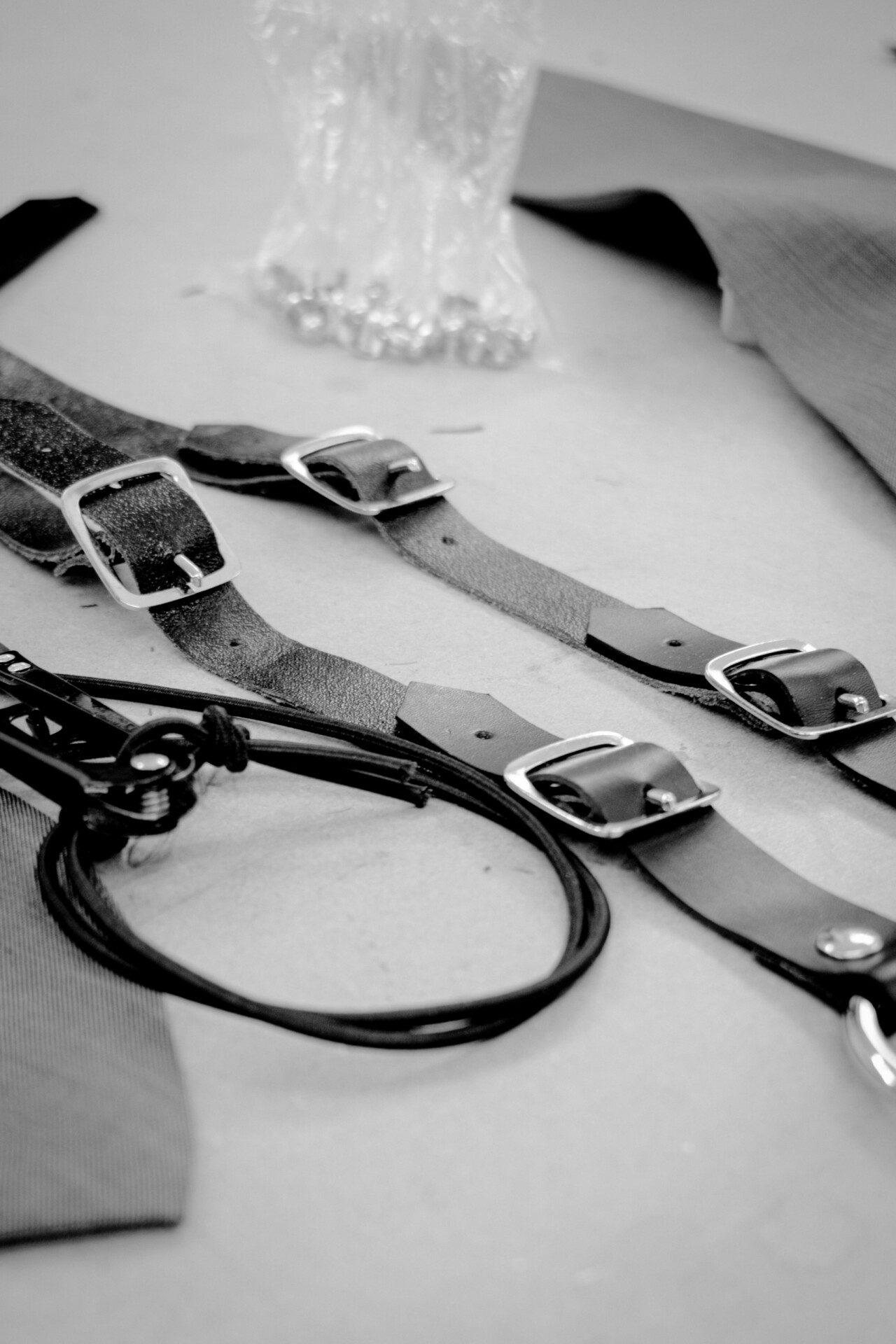
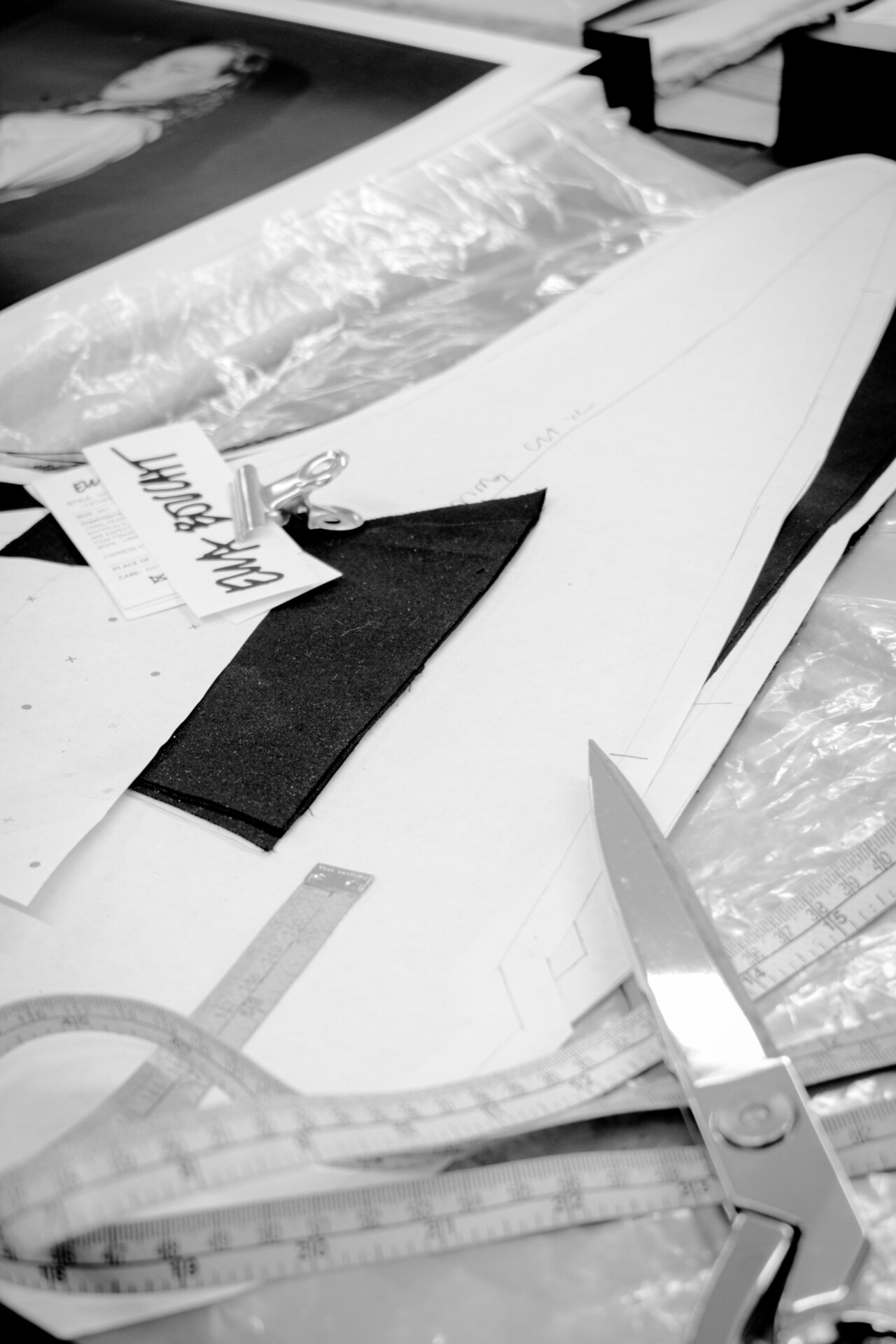
Images by Molly Maltman.
Their latest collection, FIST, sees a number of hand-crafted leather pieces such as harnesses and shorts along with one-off pieces created from reworked boxing gloves. An ode to the queer mixed martial arts scene, the collection unveils a space between the boxing ring and the dimly-lit corners of S&M parties. “After lockdown, I started going to a queer Muay Thai boxing class in East London. It was great to find a community and safe space among people who I can relate to,” explains the designer. “I started to read a lot of books about martial arts and ended up stumbling across a bunch of documentaries about the stories of queer martial arts fighters. In the current climate where trans people are being cut from big games and championships, it felt natural for me to dig deeper into the history of it all while practising it myself.”
How these two seemingly contrasting ideas of boxing and S&M intersect is through consent. In an accompanying essay about the collection, writer Anastasiia Fedorova, a long-time collaborator of Ella’s, beautifully describes that FIST is “about the thrill of the fight, but also about the tenderness, mutual care and community which can be found in these settings.” Both Muay Thai and S&M parties are strongly connected to community and consent, creating a safe space for people to practise something seen as a taboo in the public eye. Through their careful approach to craftsmanship, Ella is able to translate these complexities into the garment. “With my designs, I’m always focusing on the body, especially the body of a trans or non-binary person,” explains Ella. “With this particular collection, I worked with people who I had met through the community; leather dykes, fighters, people into S&M. I worked with them from the very beginning and so each piece is tailored to the intricacies of their body. That’s where the element of care comes into play, along with my desire to reconsider the industry’s approach to sizing.”
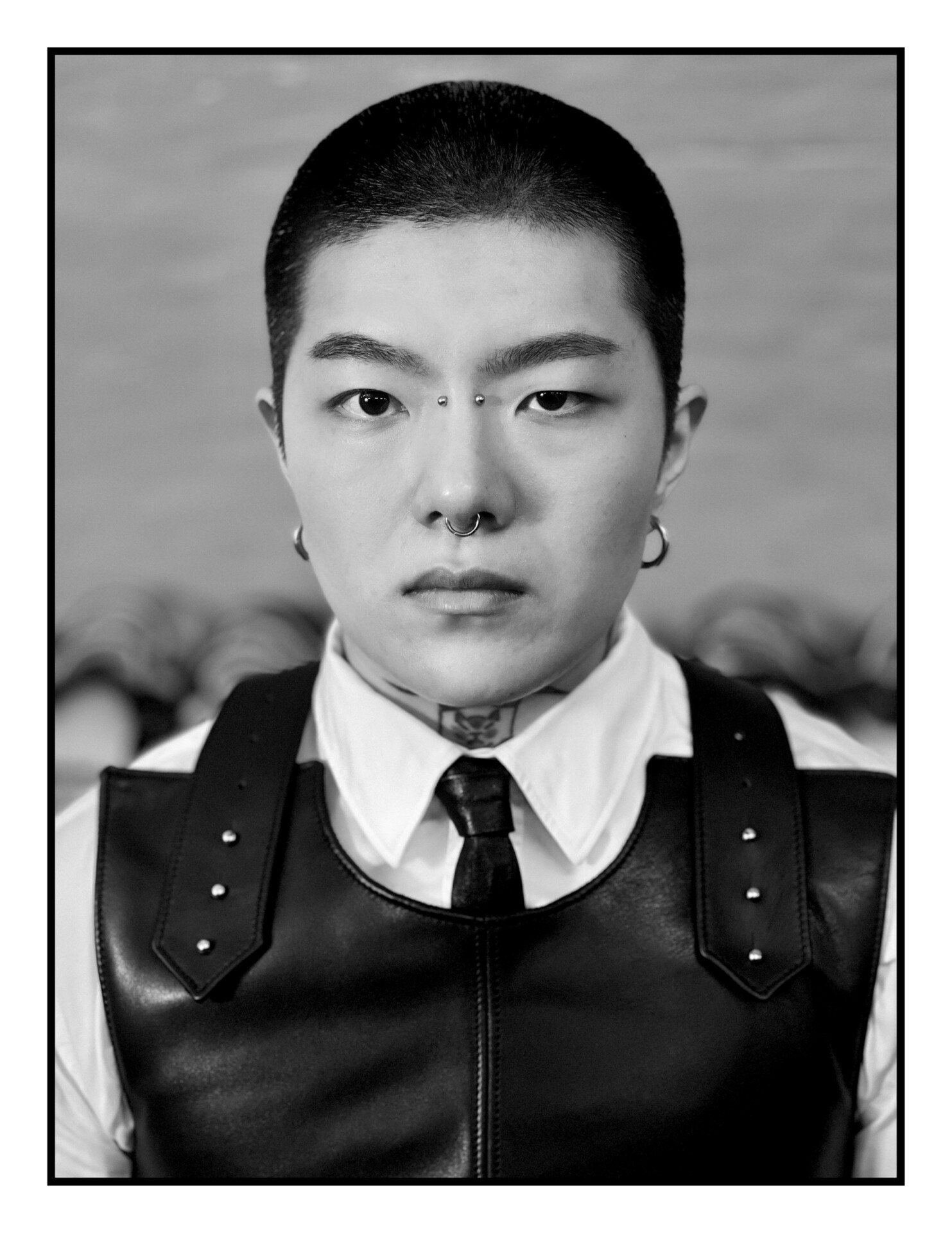
Ella Boucht SS23 Fist Campaign. Image by Del LaGrace Volcano.
Beyond the aesthetic value of fashion, Ella sees clothes as an “armour, as a sexual language, as revived history, as an act of fearless self-creation.” These ideas are certainly reflected in FIST, which brings stories of pain and empowerment together in a celebration of gender expression. “As someone who identifies as trans and also non-binary, I’m fascinated how clothes hold such a power to confuse but also empower,” says Ella, “it was only when I was did my Masters that I really understood how clothes can be a way to portray feelings, experiences and emotion. I remember trying on my first binder, and I almost cried in the mirror. It’s such a powerful garment that completely altered my body, without having to go and do top surgery.”
It’s clear that Ella is a designer who sees clothing as something more than dress, who understands the political power a garment can hold. “During my MA, I really began to dig into personal references and concepts. Whilst researching, I began to see just how much of queer history, especially the history of leather-dyke culture, had been erased. I realised more and more how design can be the vehicle for me to unearth this lost history to create a new one.” Their desire to rebuild queer history in an attempt to shape our current understanding of queer identities and experiences transcends the medium of fashion design.
In 2020, Boucht founded the multi-disciplinary creative platform HÄN Archive, together with Anya Gorkova und Anastasiia Fedorova. Named after a gender-inclusive pronoun in the Finnish language, HÄN is described as “an archive dedicated to dyke, lesbian, trans, non-binary and gender non-conforming communities and their creative heritage.” Bringing together photography, art, fiction, and journalism, HÄN collates lost dyke histories and queer experiences into the permanence of the physical zine. “With HÄN Archive, I wanted to create something physical, something you can hold and cherish. Hopefully, there’ll be little remnants of HÄN scattered here and there that people will stumble across. I’m interested in the idea of natural distribution. You know, maybe you go to a friend’s house and it’s on their coffee table and you have a flick through.”
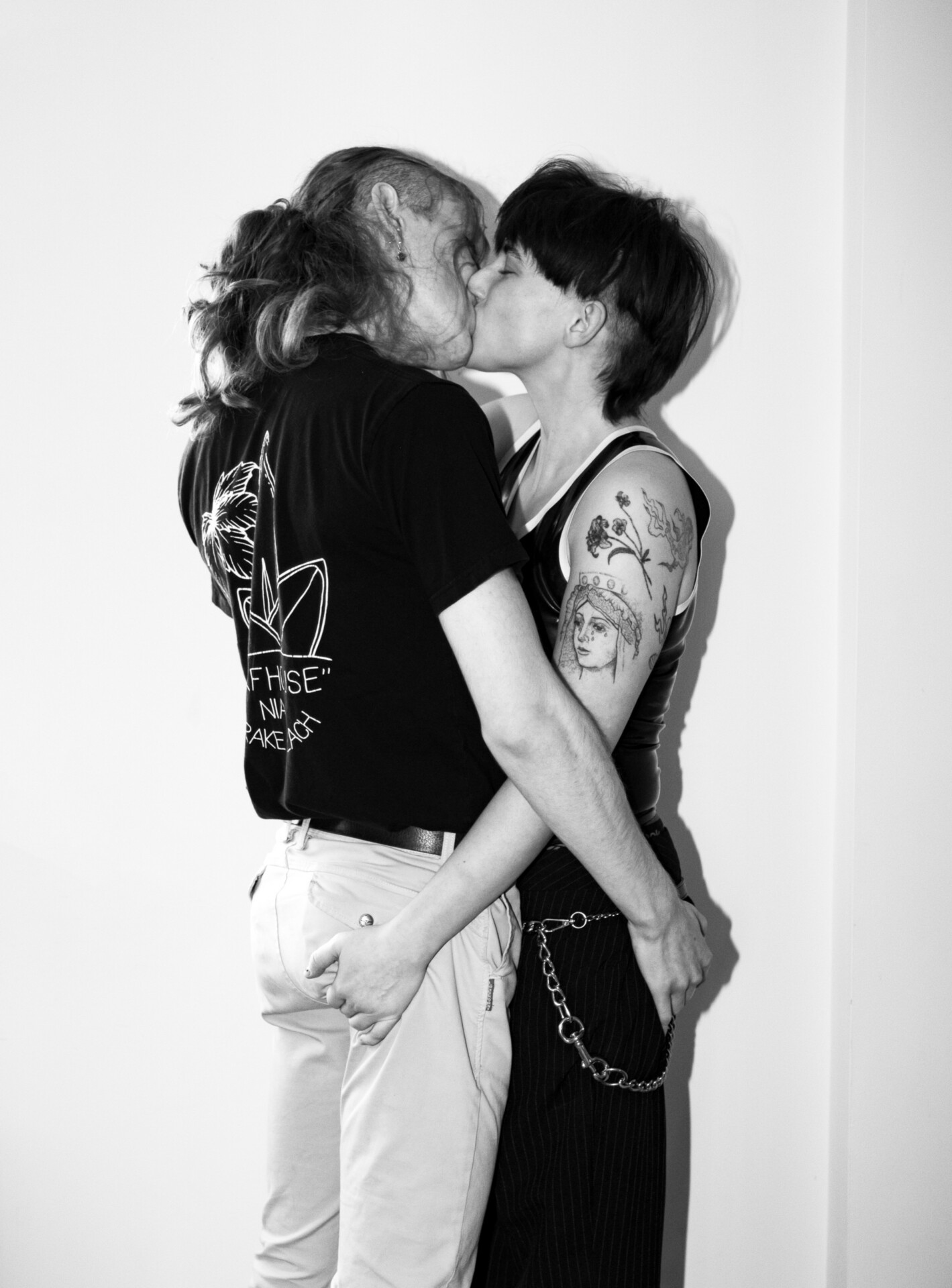
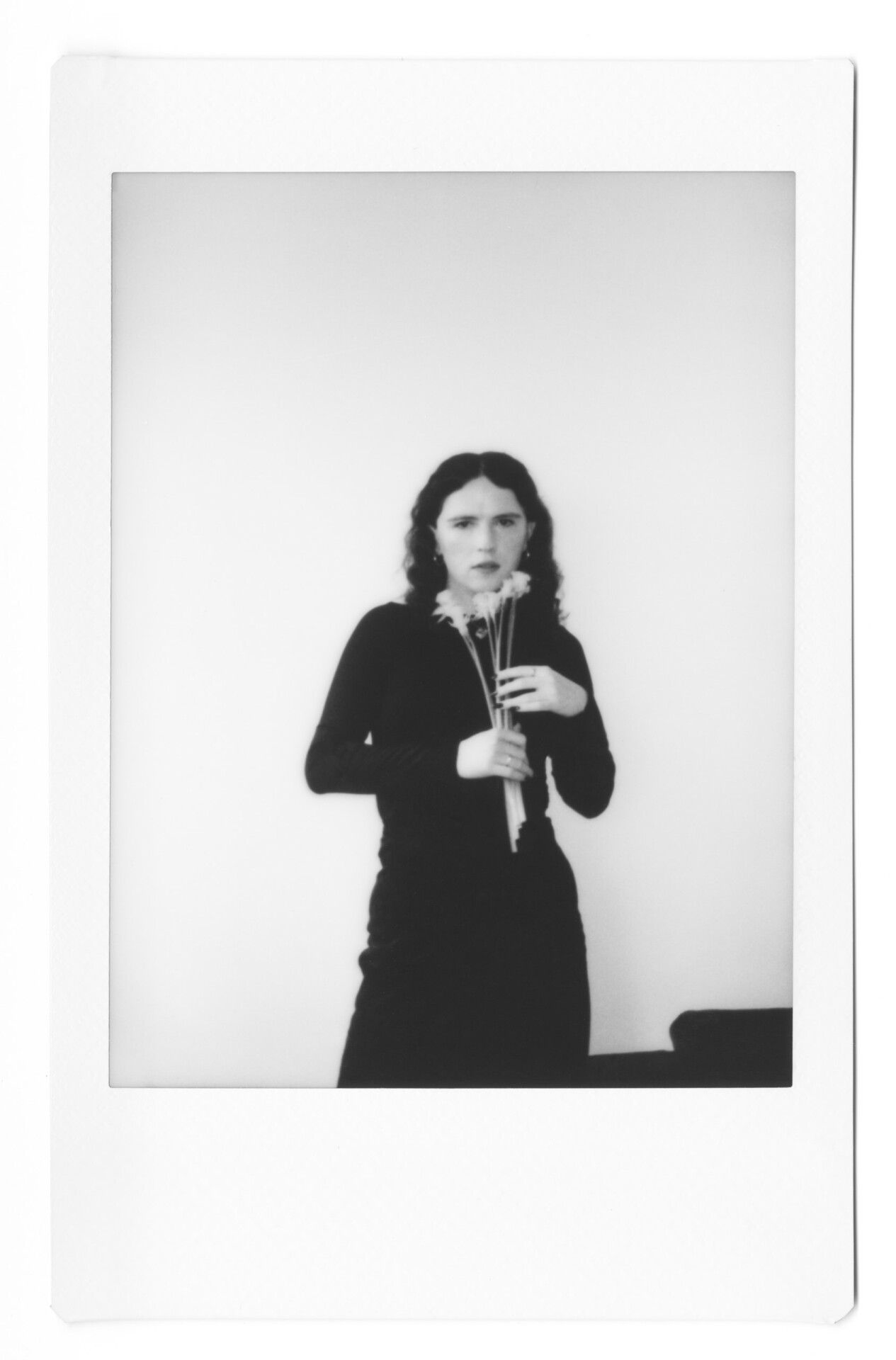
Photography by Anya Gorkova. Images Courtesy of Ella Boucht and HÄN Archive.
“I actually came across HÄN quite organically too,” I share, “first at Reference Point when I was studying, and another time a few days after in a tiny book store.”
“When it’s physical, it can become very personal,” Ella continues, “The idea with HÄN is for it to be a tool to help people navigate their sense of gender identity and queer experience. We’re also looking into hopefully starting some workshops in the future, where people from the queer community young and old can gather and exchange stories. It’s important for us to bring these different generations together as I think there’s too often a misunderstanding.”
At the root of Ella’s practice is collaboration. They understand how collaboration opens the door to new perspectives, the opportunity to learn, unlearn and learn all over again. Without collaboration, there would be no growth, no conversation and no change. “Working with others, and sharing these different perspectives, gives much more entity to the work, a new sense of value.” Ella elaborates, “My work is about highlighting different communities. The importance of collaboration comes from the fact that I can share these perspectives and experiences with the world. It’s not always about one voice, rather it’s something that we can talk about together, on a much broader scale.”
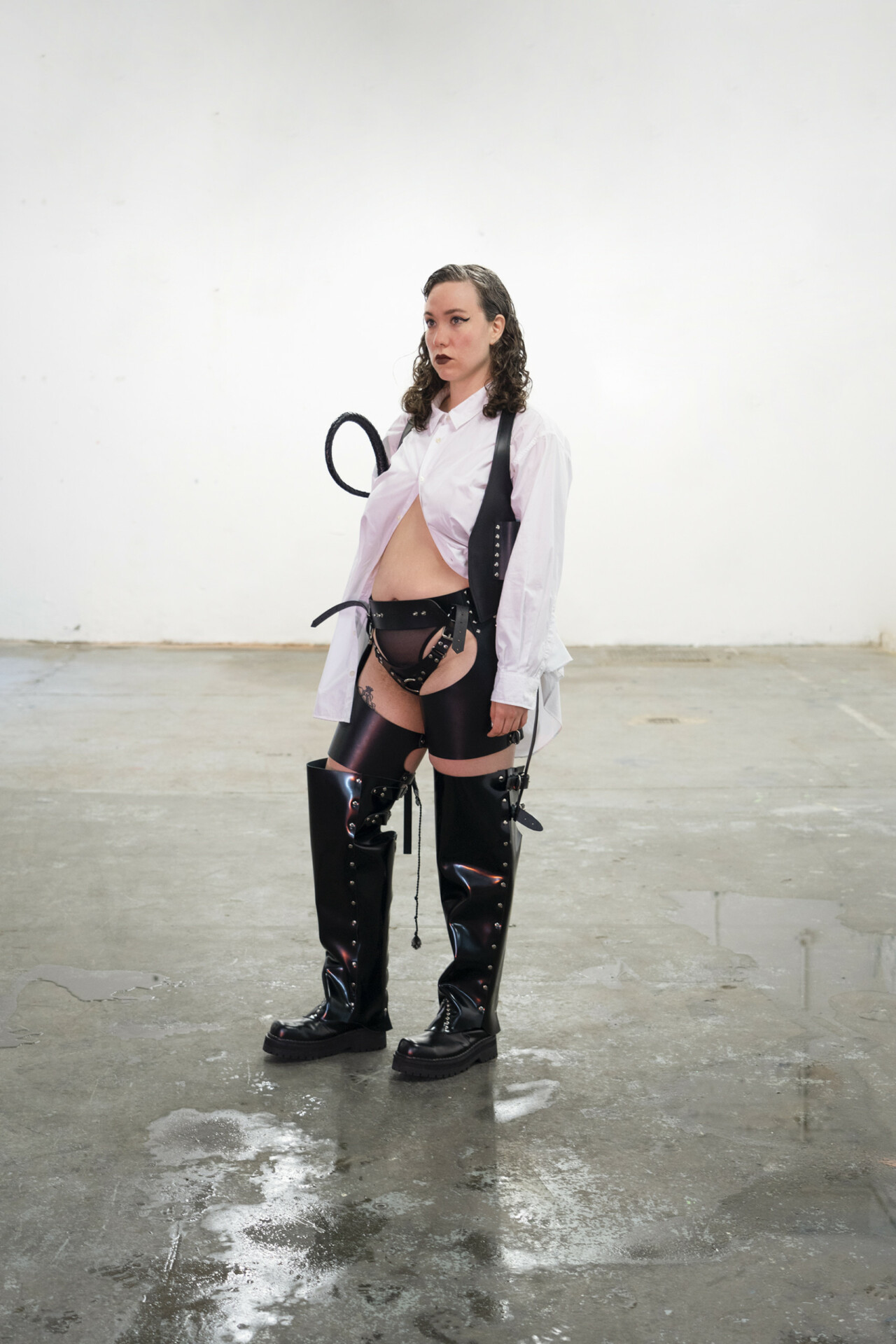
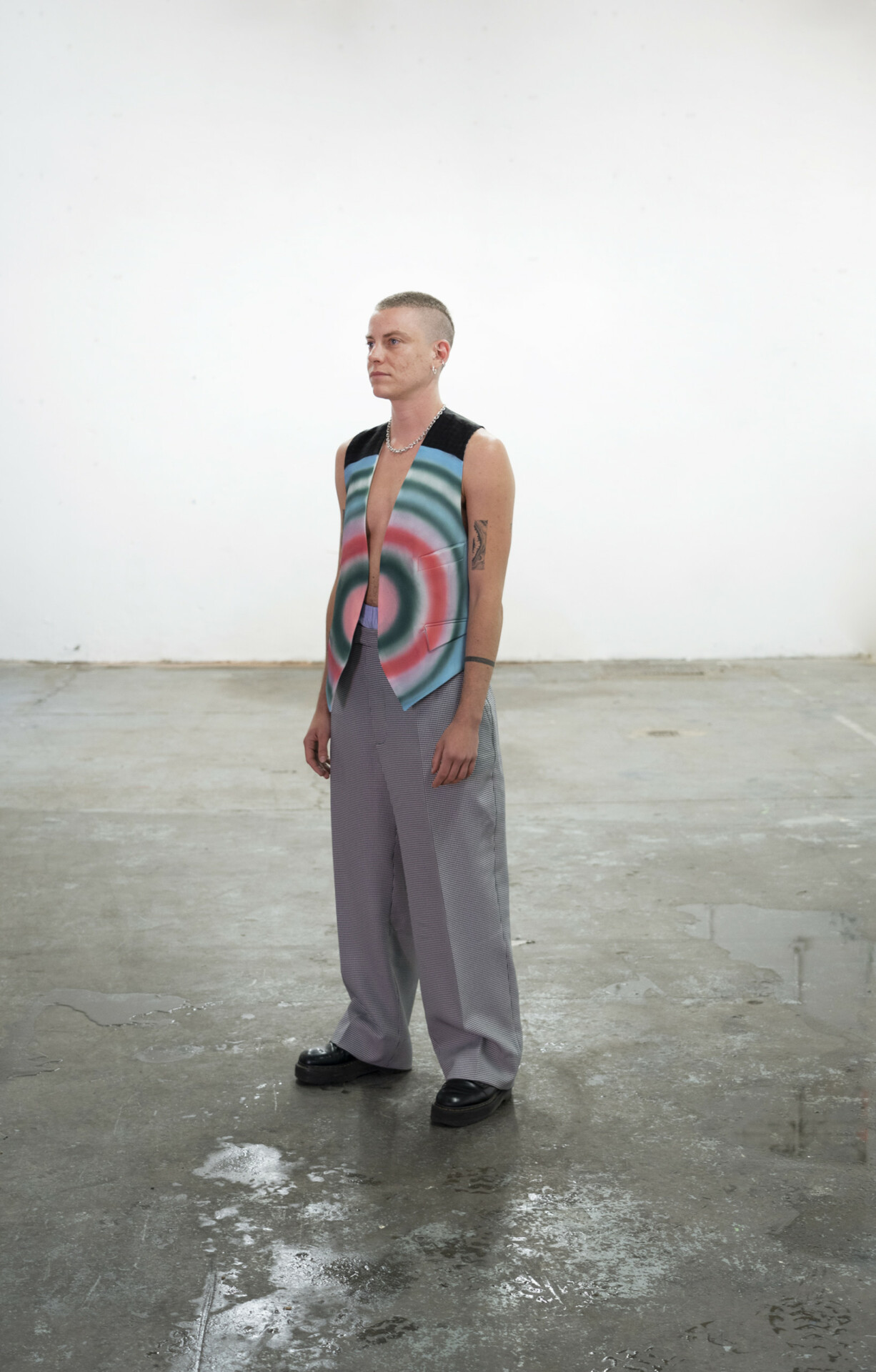
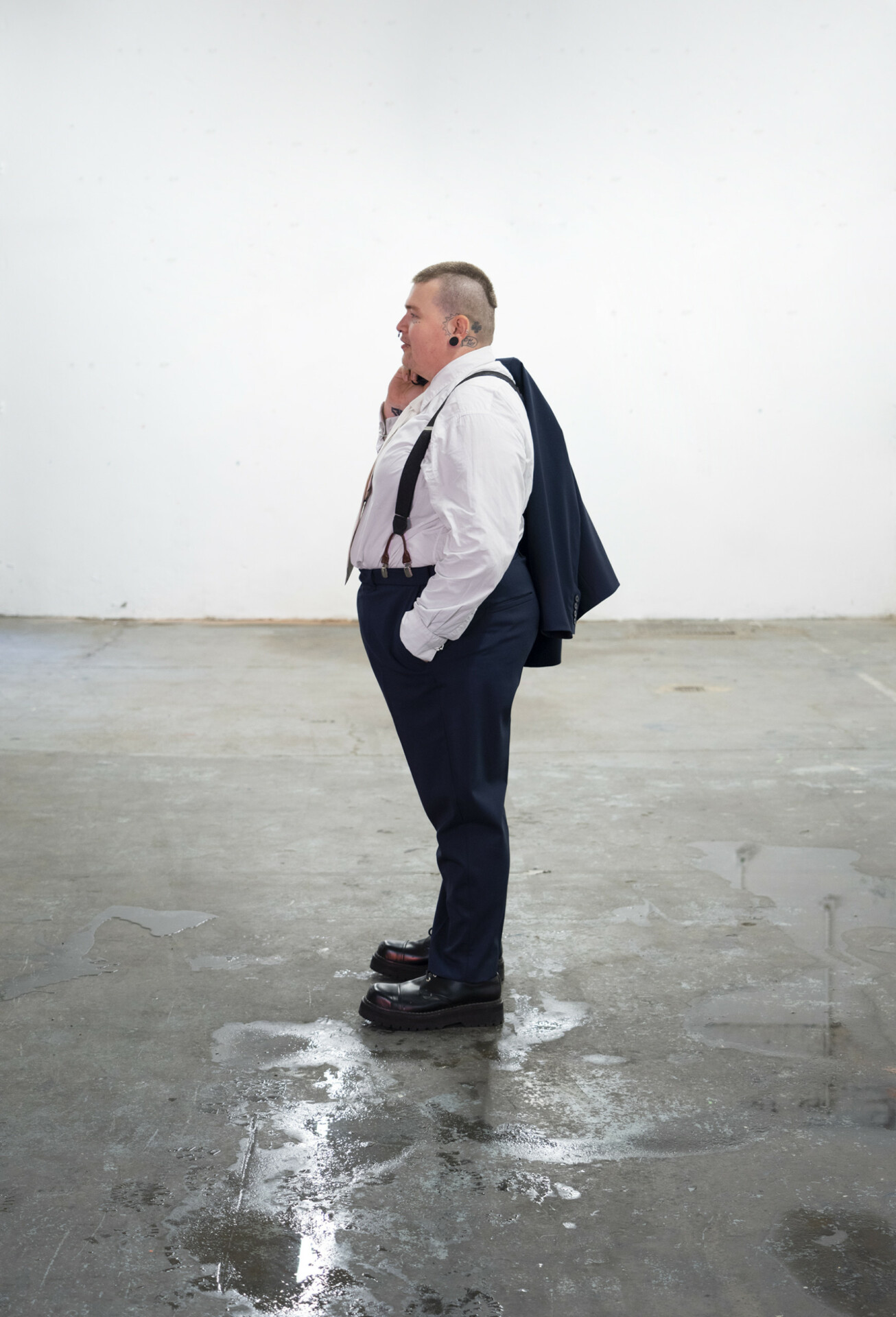
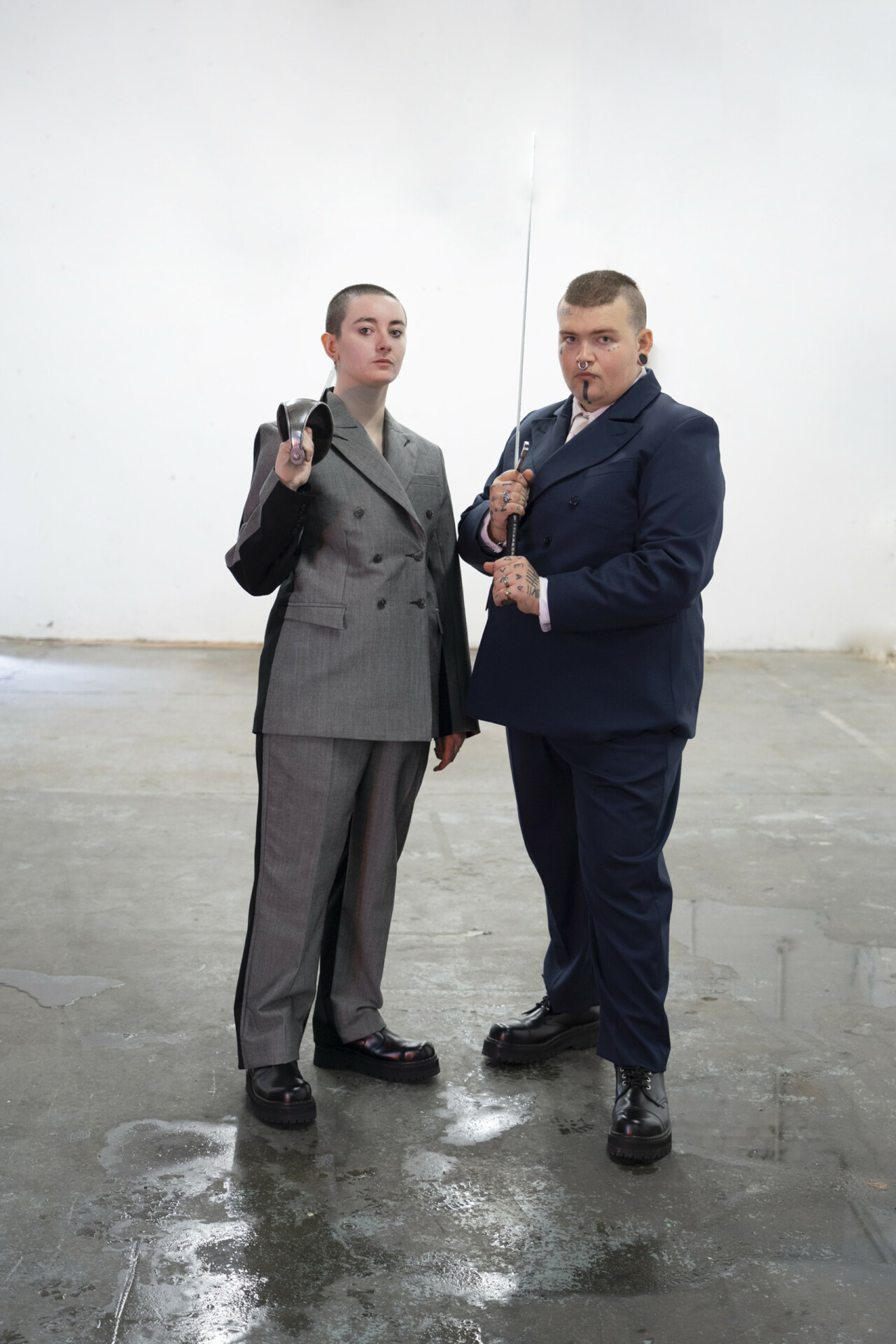
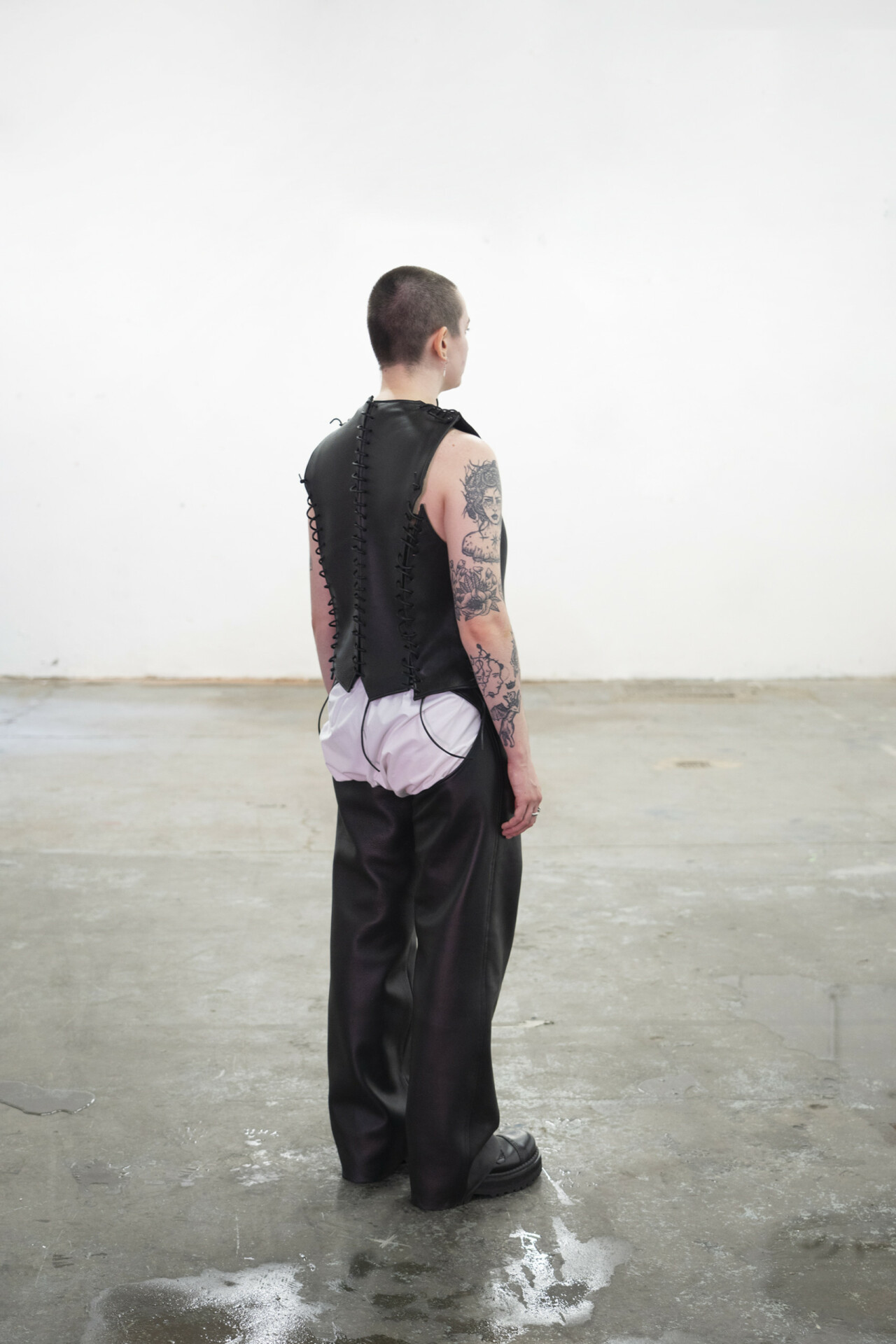
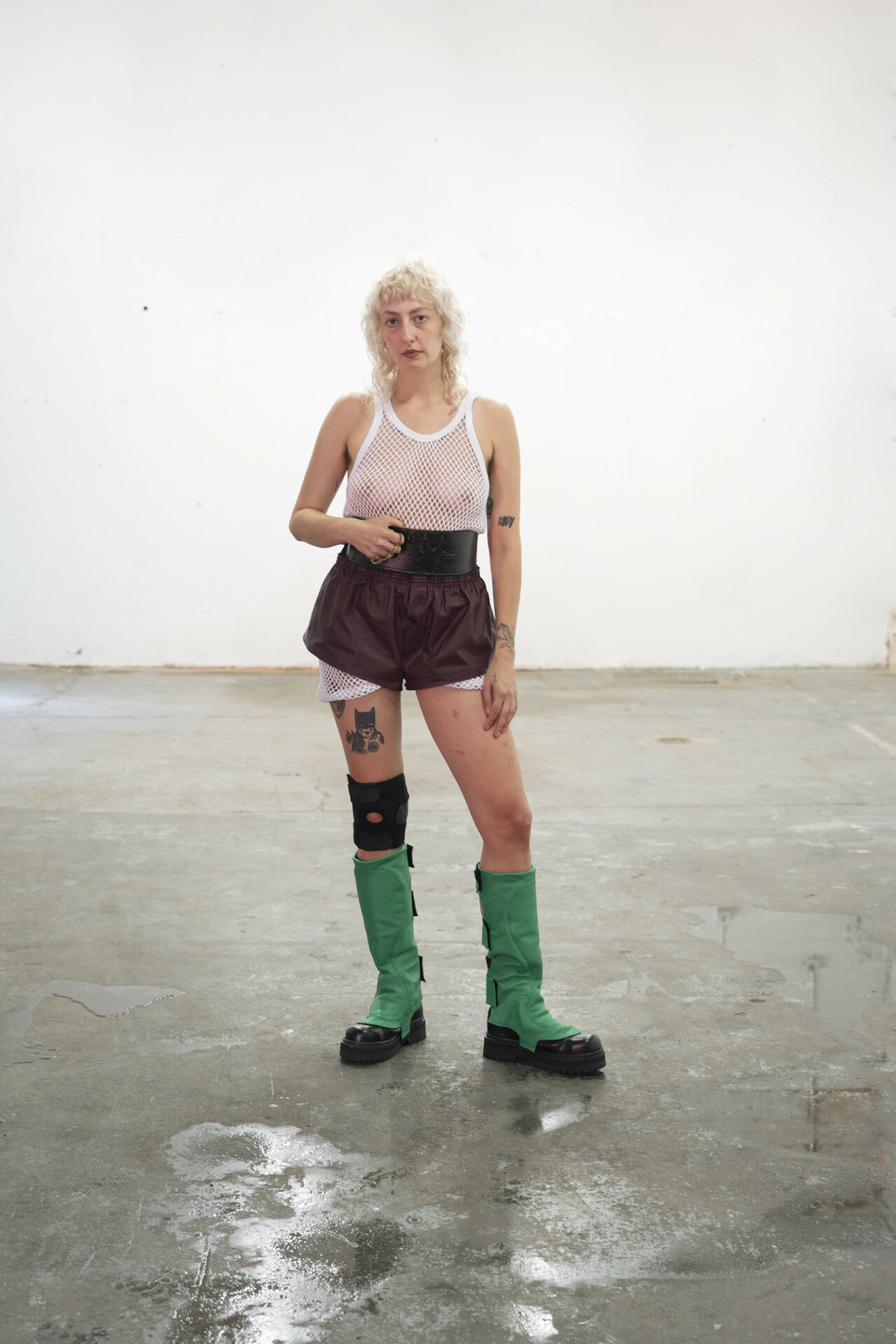
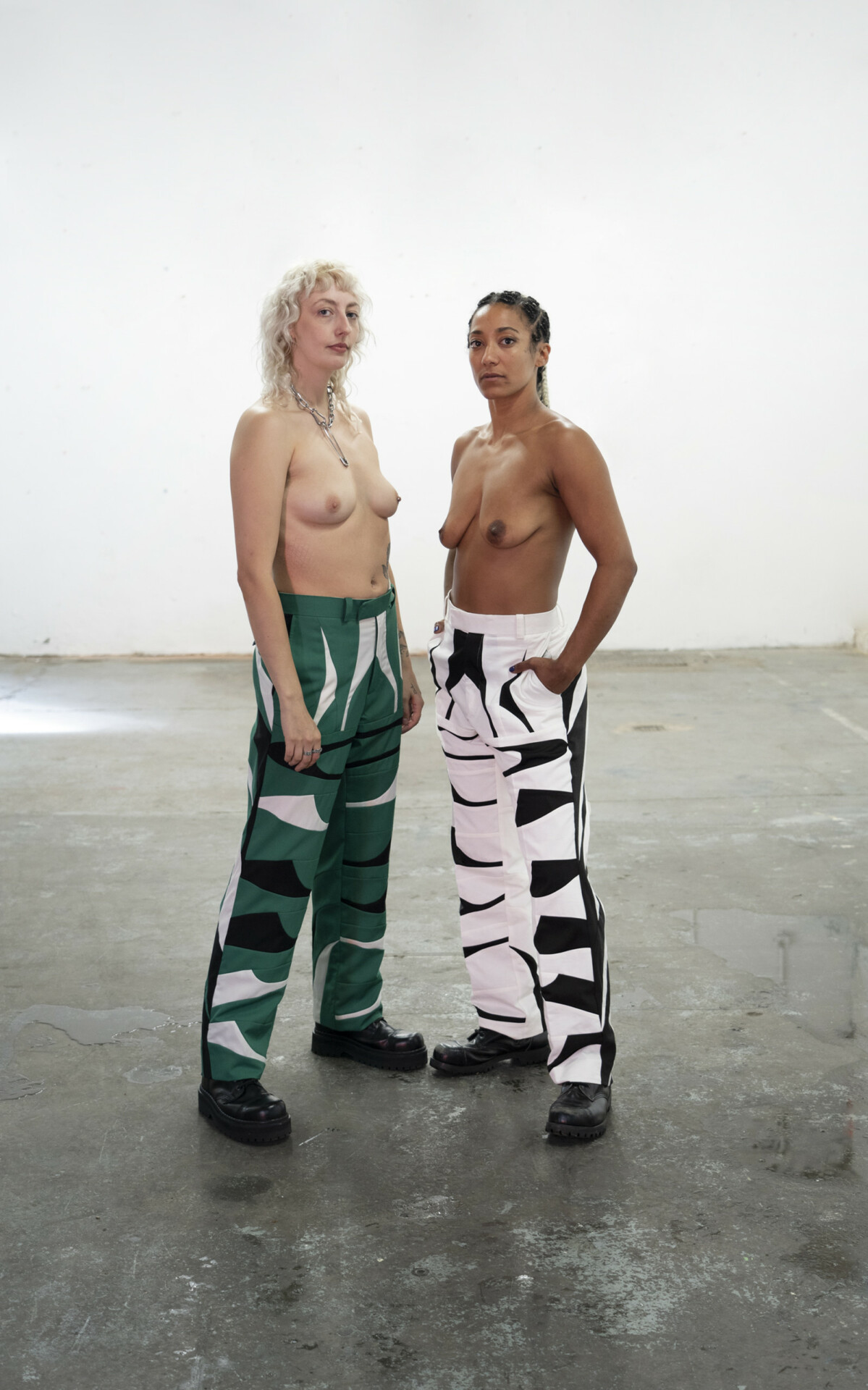
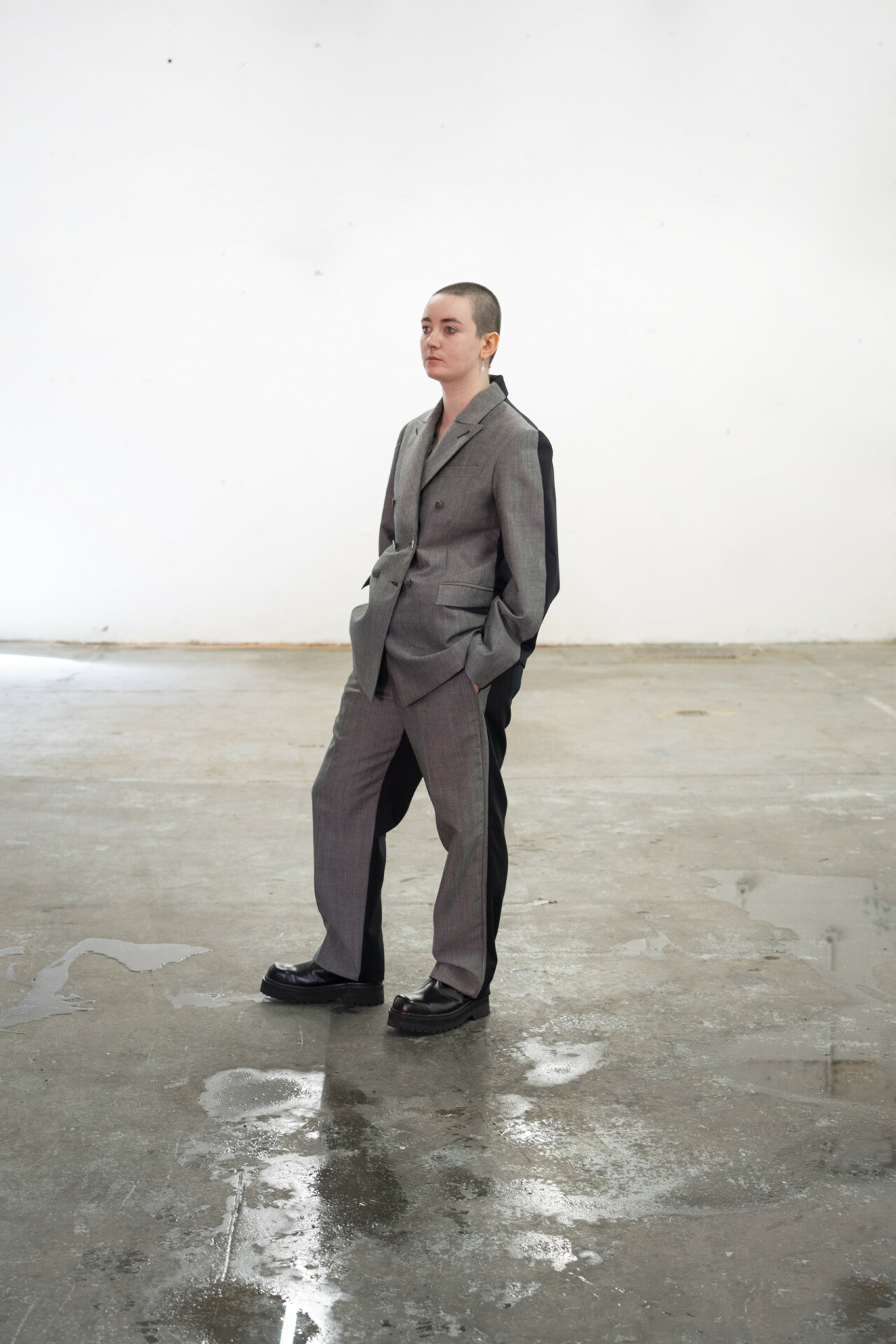
Ella Boucht SS23 Fist Collection. Images Courtesy of Ella Boucht.