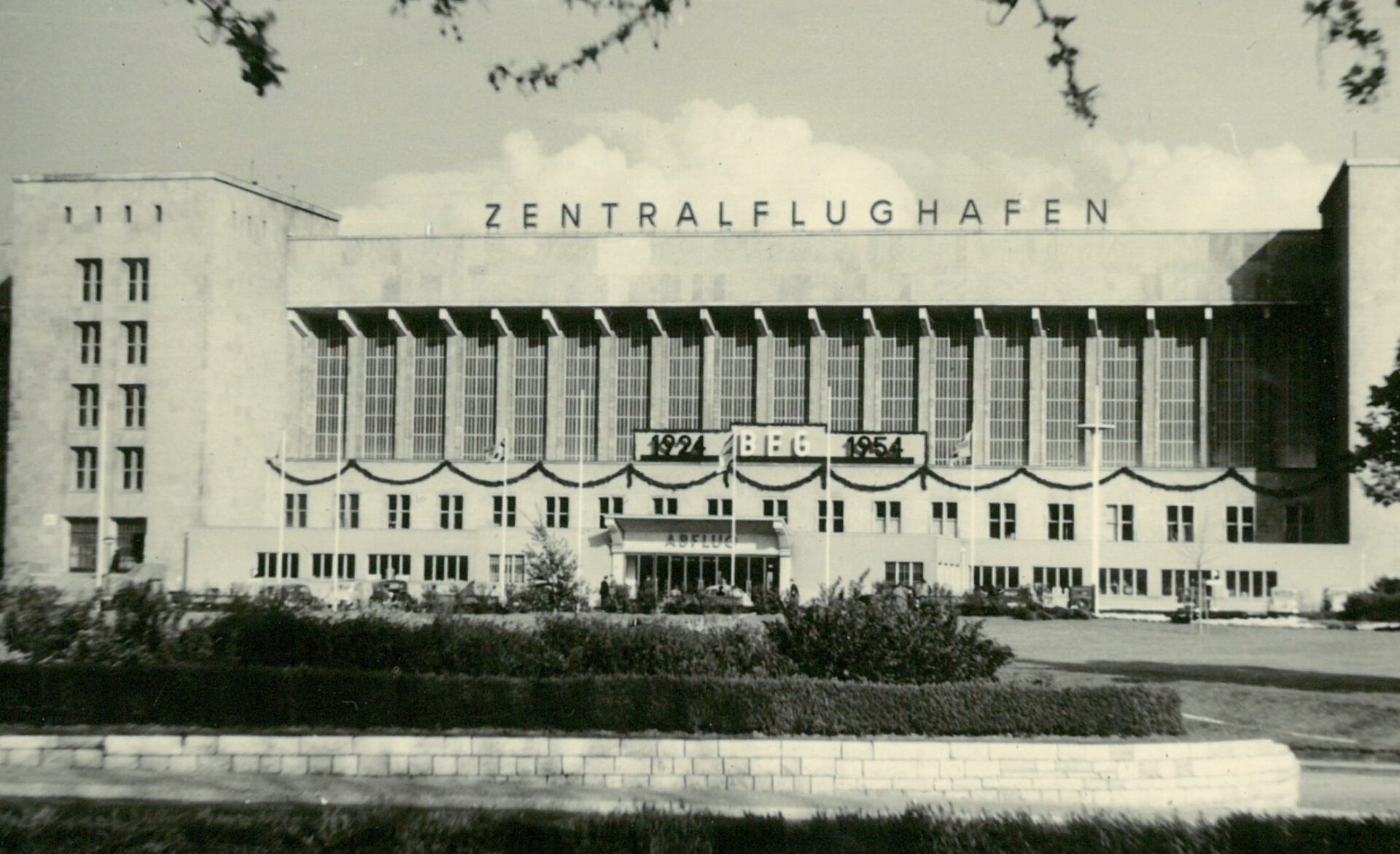
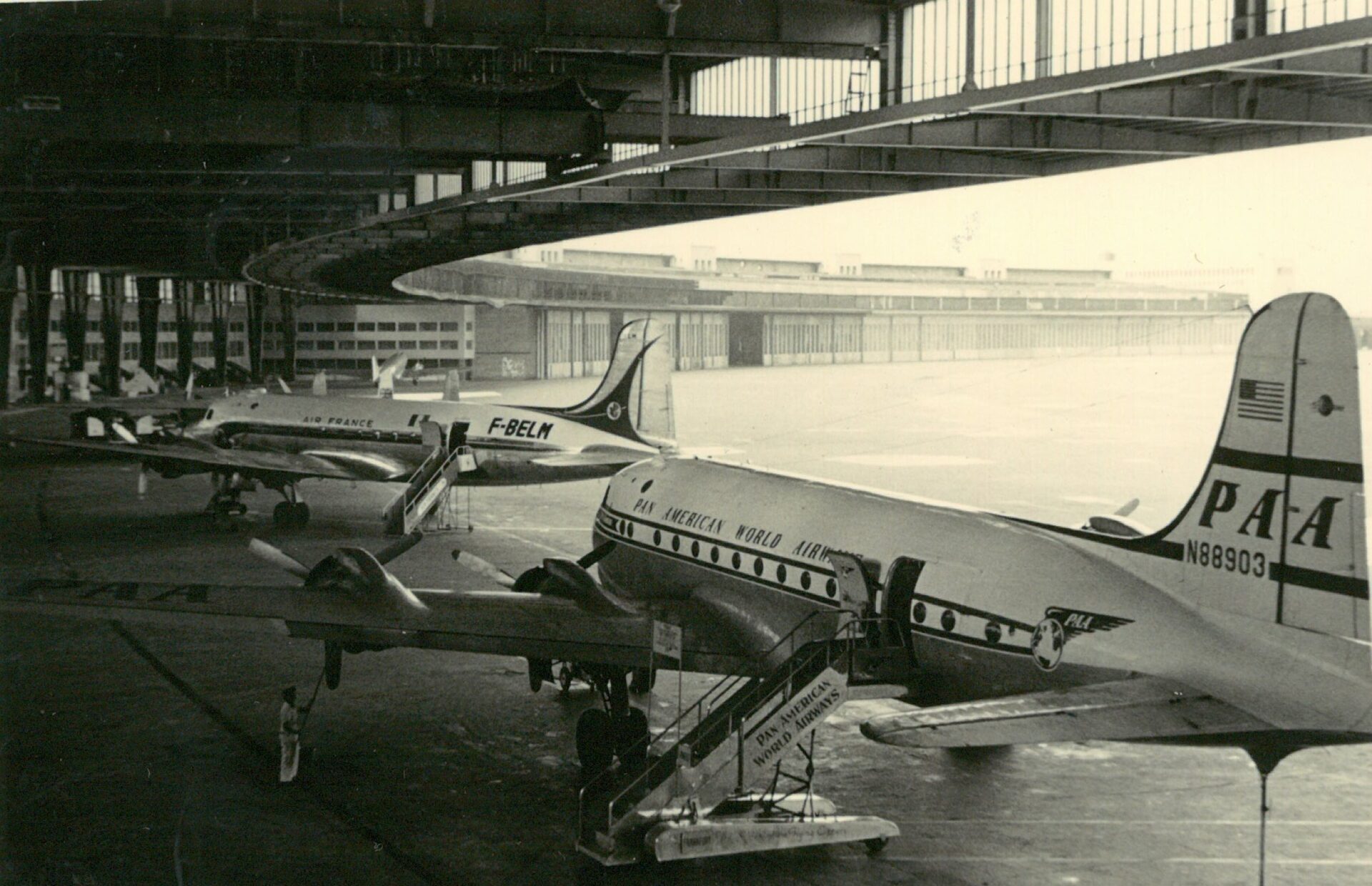
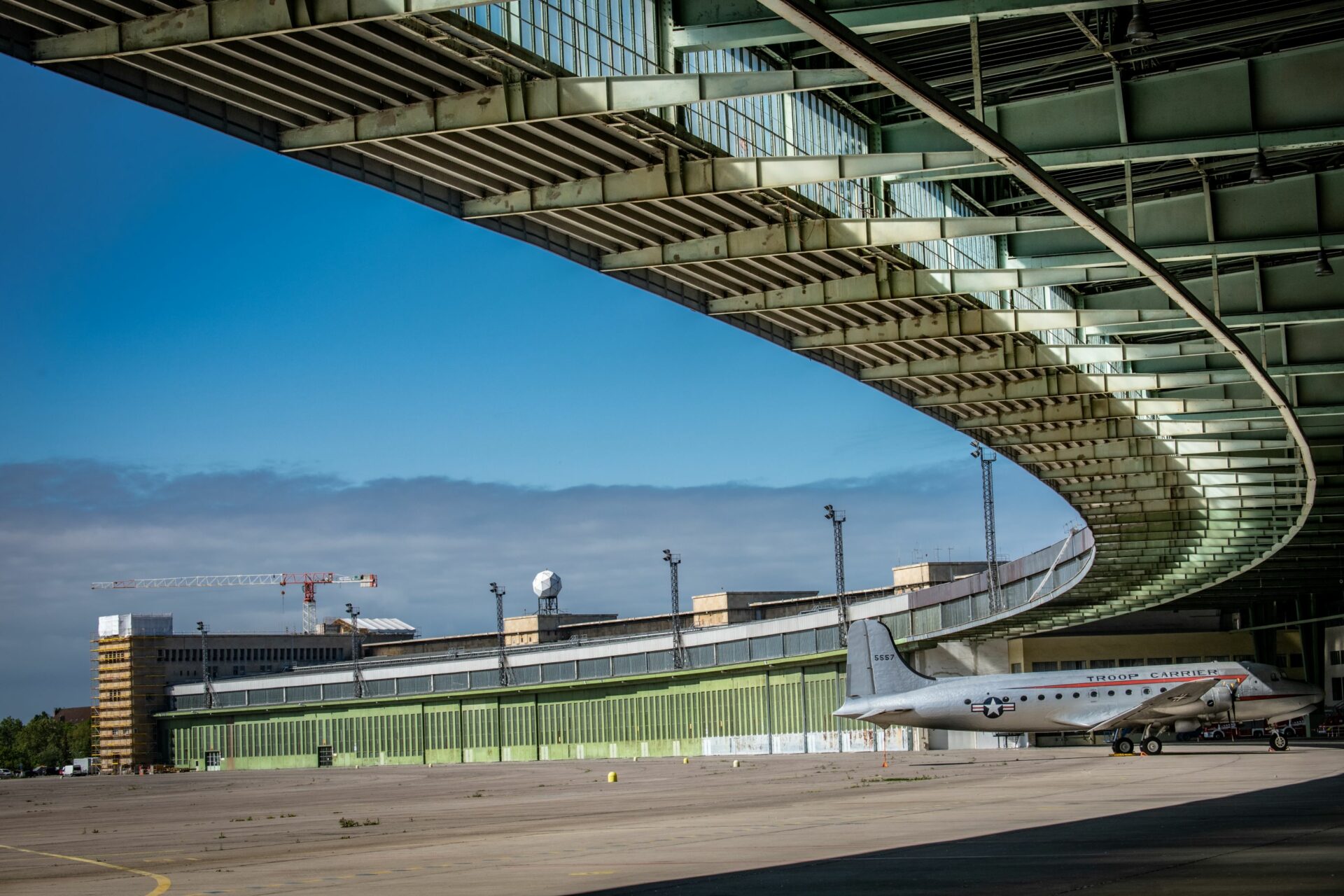
Nirgendwo sonst in Berlin ist der Begriff “Freiheit” so greifbar und real wie in Tempelhof. Im Laufe der Jahre hat sich dieser Ort zu einem kraftvollen Symbol entwickelt – geprägt und herausgefordert von der Geschichte. Im Jahr 1948, nachdem die Sowjetunion West-Berlin auf dem Land- und Seeweg abgeschnitten hatte, landeten hier in immer kürzeren Abständen amerikanische und britische Flugzeuge, um während der fast elfmonatigen Blockade mehr als zwei Millionen Menschen mit lebenswichtigen Gütern zu versorgen. Die Berliner Luftbrücke war nicht nur eine Idee von Freiheit. Sie war Freiheit in Aktion – Tonnen von Kohle und Mehl, die auf dem Luftweg herangeschafft wurden, weil die Straßen blockiert waren. Wenn man heute über das Tempelhofer Feld geht, betritt man Boden, auf dem einst im wahrsten Sinne des Wortes über die Freiheit einer Stadt entschieden wurde.
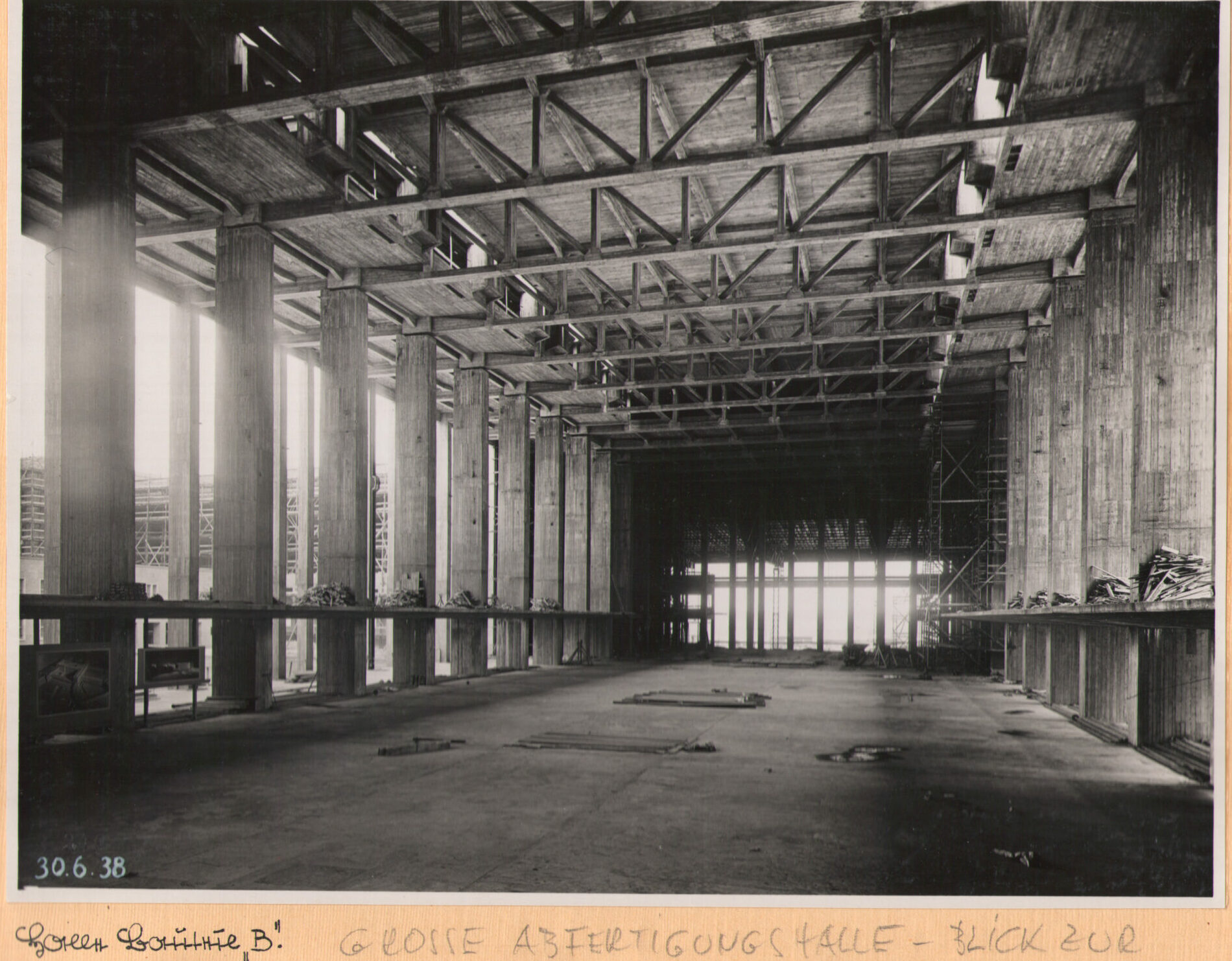
Doch die Verwandlung von Tempelhof in ein solches Symbol ist einer der großen Widersprüche der deutschen Geschichte. Der Bau des monumentalen Flughafengebäudes wurde 1936 von den Nationalsozialisten begonnen; auf dem Gelände fanden Rüstungsproduktion und Zwangsarbeit statt. Das Columbiahaus am Rande des Geländes war einst ein Konzentrationslager. Was als Ausdruck der Machtarchitektur der Nazis begann, wurde – nur wenige Jahre später – zu einem der stärksten Symbole der westlichen Freiheit.
Diese Woche beherbergen die Hangars 5 und 6 die Stände der Kunstmesse POSITIONS Berlin: 96 Galerien aus 20 Ländern – mit einem besonderen Schwerpunkt auf der Türkei in diesem Jahr – sowie zum Verkauf stehende Kunstwerke, die vor weißen Ausstellungswänden präsentiert und mit Getränkeständen durchsetzt sind. Man könnte dies als reine Frage des Standorts abtun: ein großer Raum, eine erstklassige Lage – das war’s. Oder man könnte darin ein weiteres Beispiel für die erstaunliche Anpassungsfähigkeit dieses Veranstaltungsortes sehen.
Denn „Tempelhof“ erzählt nicht nur die Geschichte davon, was Freiheit einst war. Es erzählt auch die Geschichte davon, wie schwer es uns fällt, Freiheit als etwas zu begreifen, das sich wandeln kann.
Nach der Schließung des Flughafens im Jahr 2008 wollte der Berliner Senat Teile des Tempelhofer Feldes an dessen Rändern bebauen. Die Pläne sahen rund 4.700 Wohnungen sowie Gewerbeflächen, soziale Infrastruktur und eine neue Zentral- und Landesbibliothek vor. Der überwiegende Teil des Feldes sollte offen bleiben. Im Jahr 2014 sprachen sich die Berlinerinnen und Berliner jedoch in einem Volksentscheid gegen die Pläne aus. 64,3 Prozent stimmten für den von der Initiative “100% Tempelhofer Feld” vorgeschlagenen Gesetzentwurf. Das Tempelhofer-Feld-Gesetz verankerte die weitgehende Erhaltung der Freifläche.
Man könnte dies als einen zweiten Moment der Freiheit feiern: Dieselbe Stadt, die sich 1948 gegen eine Blockade von außen behauptete, widersetzte sich 2014 ihrer eigenen Verwaltung. Die Bürger entschieden selbst, was mit einem der wertvollsten öffentlichen Räume ihrer Stadt geschehen sollte.
Zwölf Jahre später lohnt es sich jedoch, eine andere Frage zu stellen. Nicht, ob das damalige Referendum rechtmäßig war – das war es natürlich. Sondern vielmehr, welchen Anspruch demokratische Entscheidungen langfristig haben können.
Das Berlin des Jahres 2026 ist nicht das Berlin des Jahres 2014. Die Stadt ist teurer geworden, Wohnraum ist knapper geworden, und der Druck auf den Immobilienmarkt ist größer. Eine Entscheidung, die unter den Bedingungen des Jahres 2014 getroffen wurde, ist daher unter den Bedingungen des Jahres 2026 nicht unbedingt die richtige.
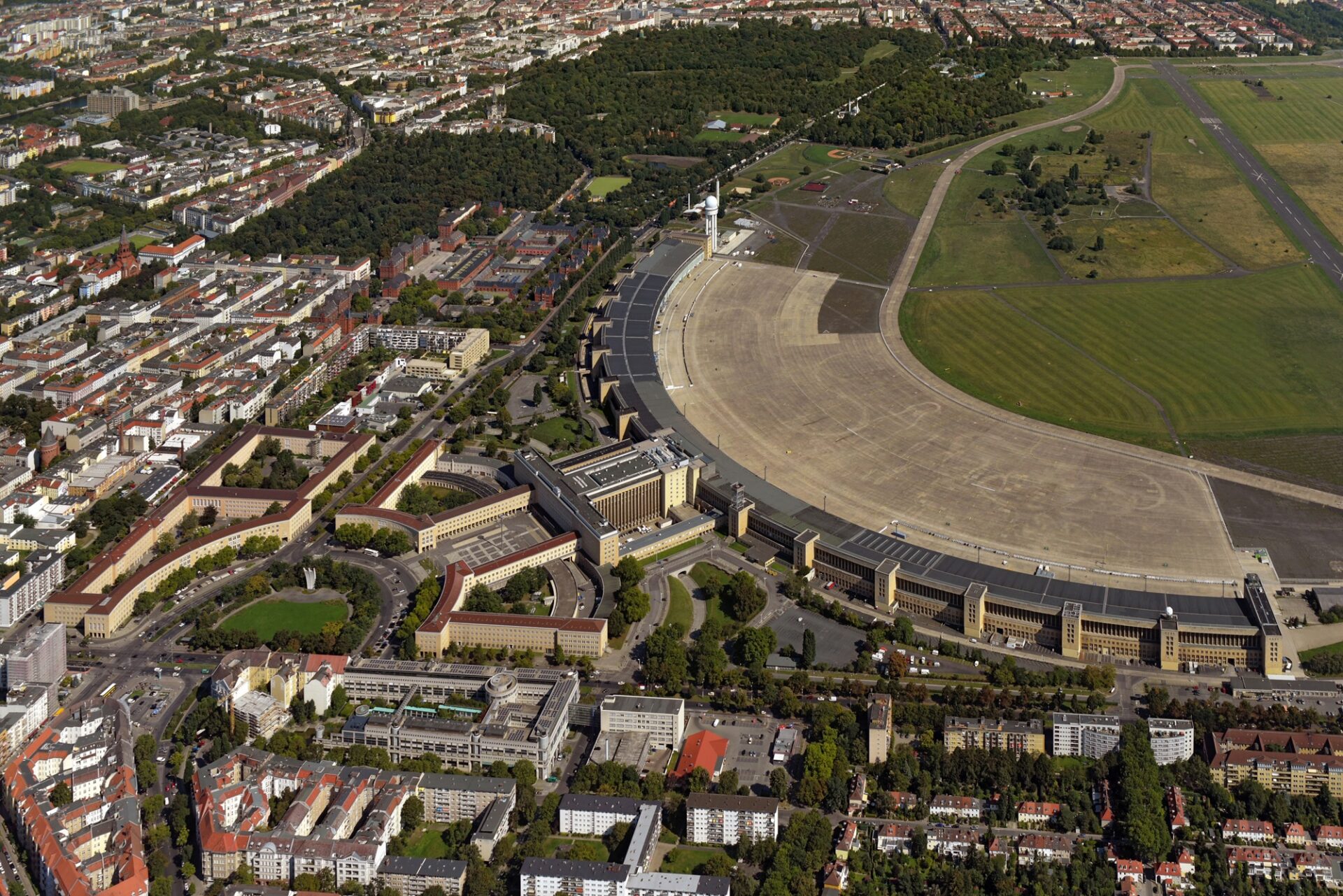
Das Tempelhofer-Feld-Gesetz ist keineswegs für alle Zeiten rechtlich in Stein gemeißelt. Es wurde bereits geändert, und die Berliner Politiker haben längst wieder Diskussionen über die Möglichkeit einer behutsamen Bebauung entlang der Begrenzung aufgenommen. Das eigentliche Problem liegt also weniger im Gesetz selbst als vielmehr in seiner anhaltenden symbolischen Bedeutung als Verkörperung der Volkssouveränität und der demokratischen Teilhabe. Insbesondere das Referendum von 2014 geht über seine Funktion als rechtliches Instrument hinaus; es ist zu einem Prüfstein für die gemeinsame Identität der Öffentlichkeit und ihr kollektives Handeln in Bezug auf die Gestaltung des städtischen Raums geworden. Infolgedessen nimmt das Referendum einen prägenden Platz im kollektiven Gedächtnis der Bürger ein und wird oft als ein Moment angesehen, in dem die Bürger im Gegensatz zu einer von oben verordneten Regierungsführung entscheidende Kontrolle ausübten. Diese symbolische Bedeutung verleiht dem Gesetz einen fast unantastbaren Status, sodass bereits der bloße Vorschlag, die Entscheidung zu überdenken oder zu ändern, von vielen als Herausforderung an die Legitimität dieses kollektiven Ausdrucks des Volkswillens interpretiert wird.
Aber ist nicht gerade die Möglichkeit der Revision ein wesentliches Merkmal der Freiheit?
Schließlich geht es bei der Demokratie nicht nur darum, Entscheidungen treffen zu dürfen. Es geht auch darum, diese später korrigieren zu können. Ein Referendum ist eine Momentaufnahme des politischen Willens – keine Offenbarung. Menschen ändern ihre Ansichten, Städte haben andere Bedürfnisse, und gesellschaftliche Prioritäten verschieben sich. Was einst richtig erschien, kann wieder zur Debatte stehen.
Das ist keine Schwäche der Demokratie. Es ist ihre Stärke.
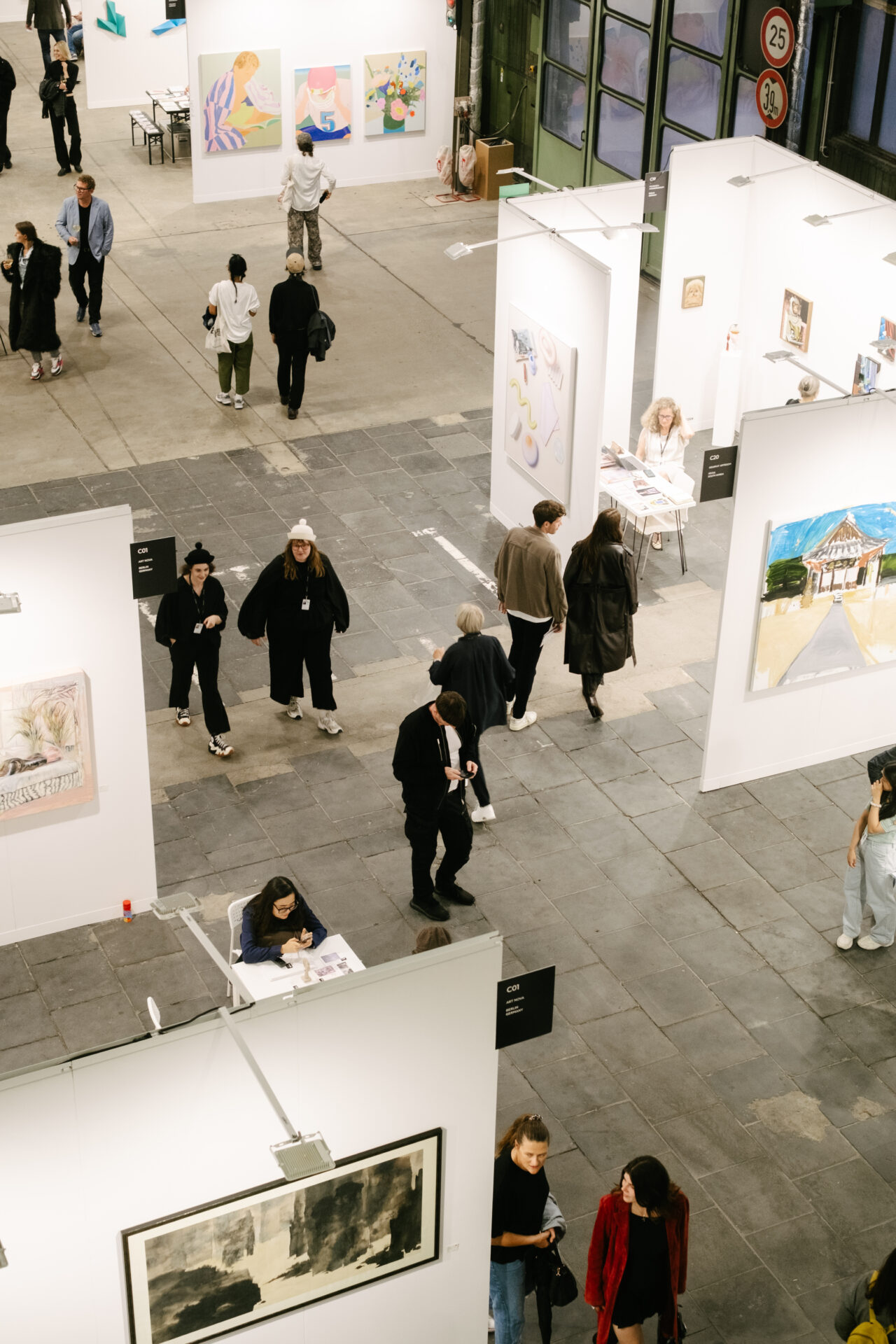
Foto: Dominik Friess (2025), mit freundlicher Genehmigung der POSITIONS Berlin Art Fair.
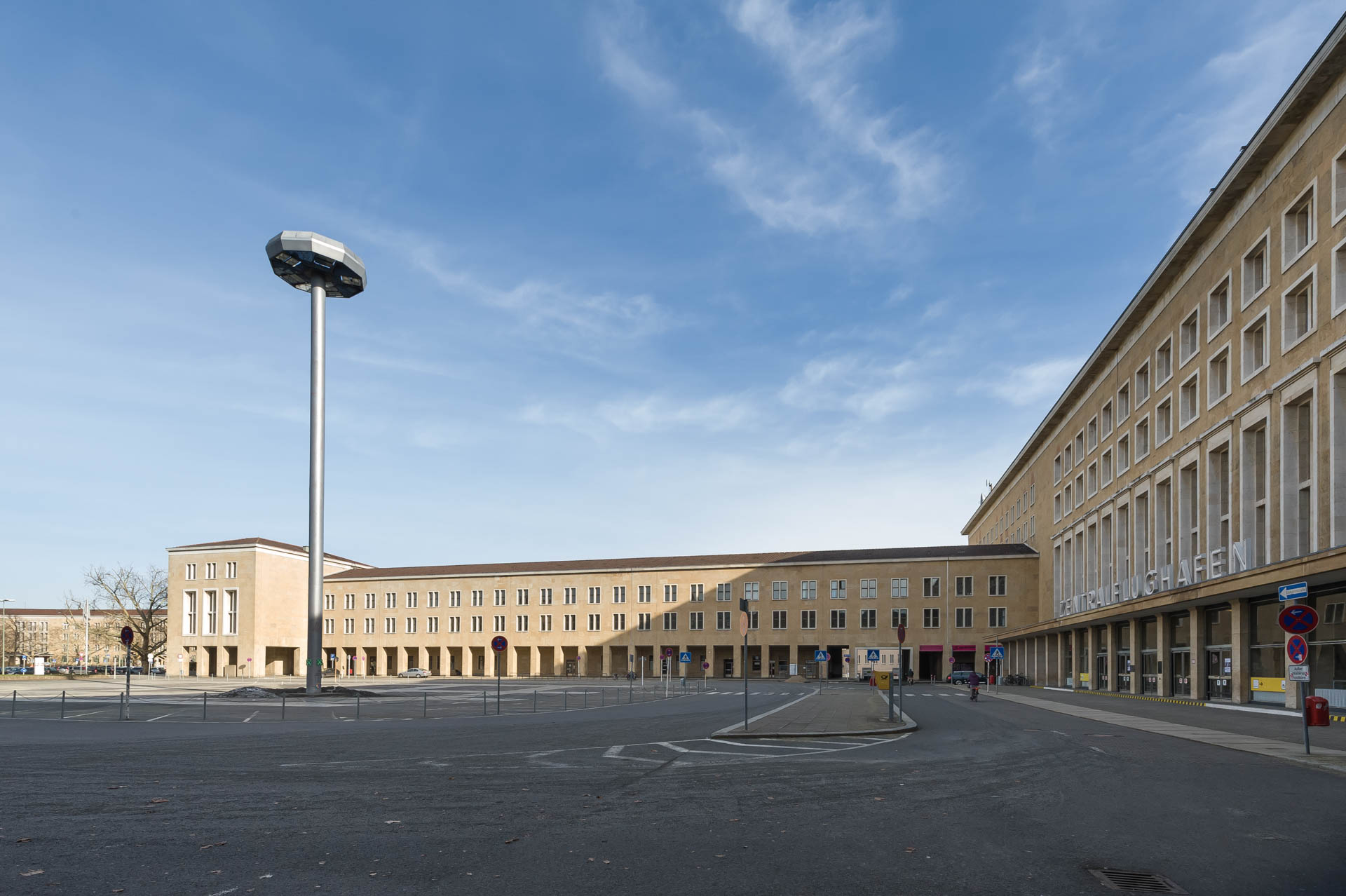
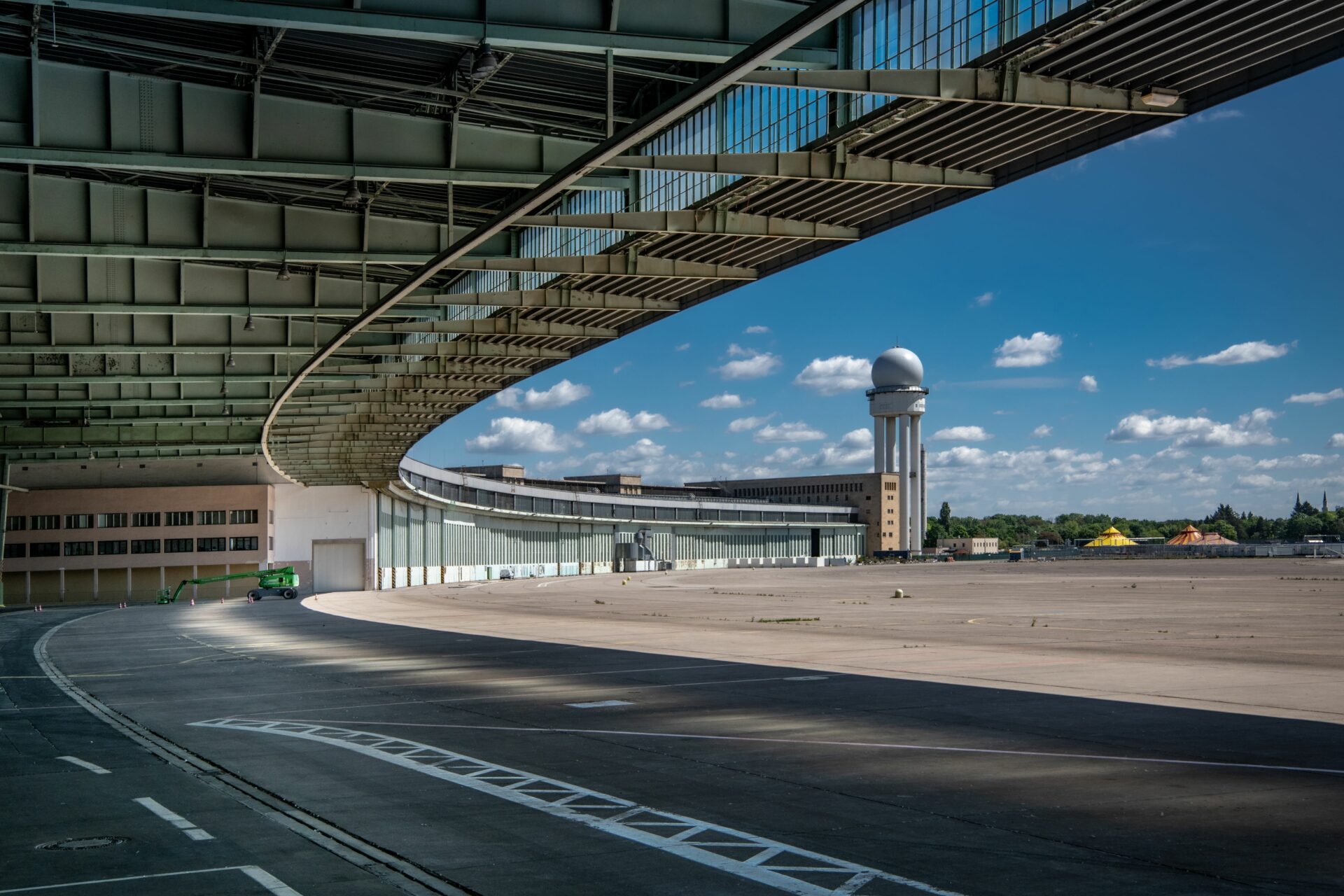
Es wird spannend, wenn man von hier aus in Richtung der Ausstellung „POSITIONS“ in den benachbarten Hangars blickt. Nicht etwa, weil hier ausgerechnet ein durch ein Referendum geschütztes Gebiet für kommerzielle Zwecke genutzt wird – das wäre sowohl geografisch als auch rechtlich unzulässig. Das Flughafengebäude und das Tempelhofer Feld sind zwei unterschiedliche Räume, und in den Hangars finden seit Jahren Messen, Sport-, Kultur- und andere Veranstaltungen statt.
Interessant sind vielmehr die unterschiedlichen Herangehensweisen an Veränderungen.
Eine Kunstmesse zieht für vier Tage in ein historisches Gebäude ein. Sie verwandelt den Raum, ohne ihn dauerhaft zu beanspruchen. Galerien richten sich ein, Kunstwerke werden ausgestellt und verkauft, und Besucher schlendern durch die ehemaligen Flugzeughangars. Danach werden die Wände abgebaut, die Gemälde verpackt, und die Hangars können wieder einer anderen Nutzung zugeführt werden.
Nichts davon ist von Dauer.
Vielleicht verdeutlicht dies ein überzeugenderes Verständnis von Freiheit als die unbefristete Aufrechterhaltung eines bestehenden Zustands. Die vorübergehende Umgestaltung der Tempelhofer Hangars während der Kunstmesse zeigt, dass Freiheit nicht darin besteht, sich der Marktlogik zu unterwerfen oder jeden verfügbaren Raum wahllos zu bebauen. Vielmehr offenbart sich Freiheit in der Fähigkeit, sich an veränderte Umstände anzupassen und frühere Entscheidungen zu überdenken. Die Fähigkeit von Tempelhof, im Laufe der Zeit unterschiedliche Nutzungen zu ermöglichen, zeigt, wie das Bekenntnis zum Wandel – anstatt auf Beständigkeit oder ungebremster Entwicklung zu bestehen – ein dynamisches und anpassungsfähiges Verständnis von Freiheit verkörpert.
Die entscheidende Unterscheidung ist nicht Markt versus Demokratie, sondern Umkehrbarkeit versus Dauerhaftigkeit.
Gerade Städte brauchen diese Umkehrbarkeit. Sie sind keine Denkmäler ihrer eigenen Vergangenheit, sondern lebendige Organismen. Sie wachsen, schrumpfen, ändern ihre Funktionen und müssen auf Umstände reagieren, die vor zehn oder zwanzig Jahren noch niemand vollständig hätte vorhersehen können.
Tempelhof selbst ist der beste Beweis dafür. Repräsentative Architektur der Nazis, ein Rüstungsstandort, ein Flughafen, die Lebensader West-Berlins, ein Erholungsgebiet, Flüchtlingsunterkünfte, ein Veranstaltungsort, eine Kunstmesse – kaum ein anderer Ort in Berlin hat innerhalb eines einzigen Jahrhunderts so viele verschiedene Bedeutungen angenommen.
Warum ausgerechnet dort sollte ihre Zukunft endgültig sein?
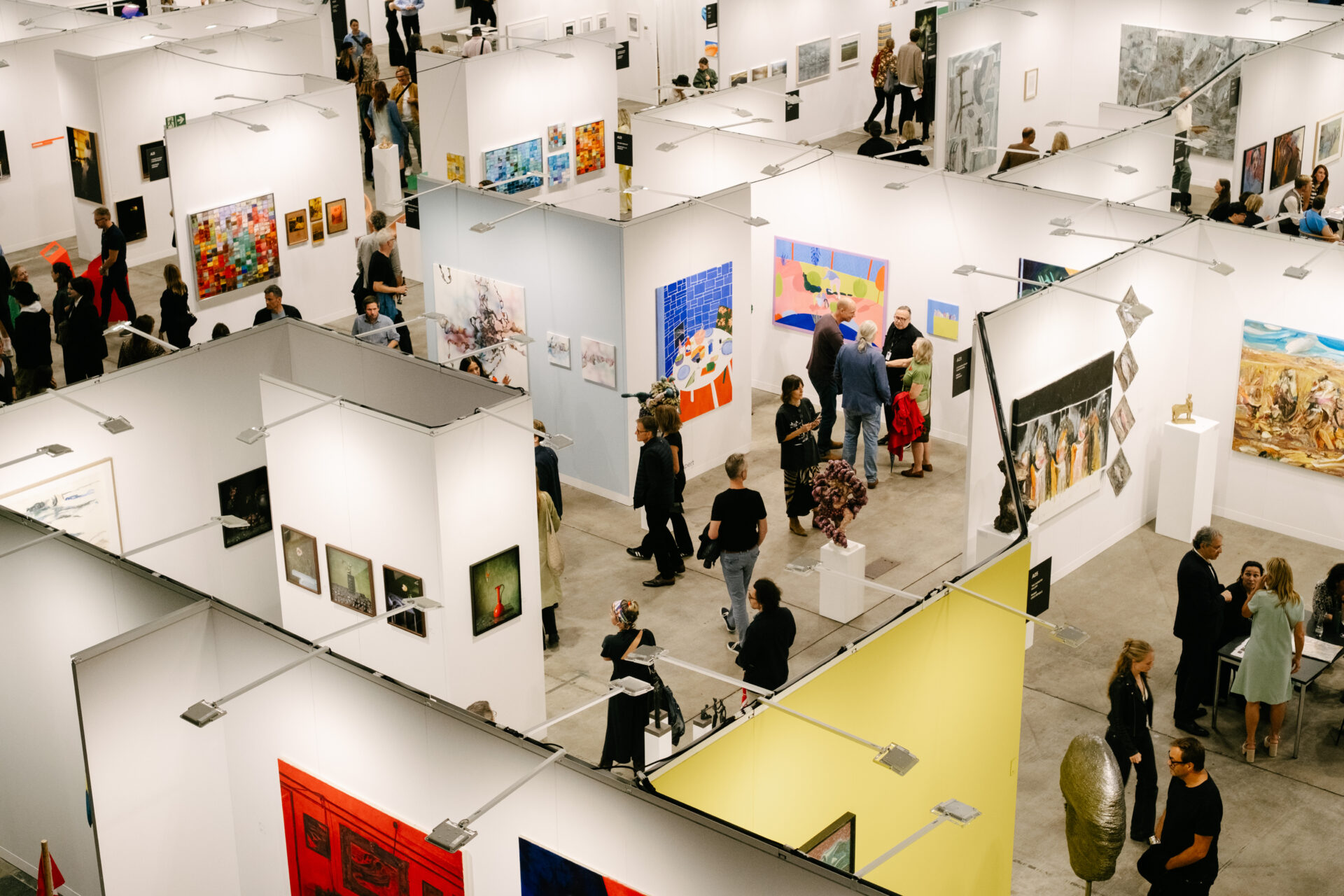
Am Ende der Berlin Art Week werden die Stände abgebaut und die Gemälde verpackt. Die Hangars warten auf ihre nächste Nutzung. Draußen bleibt das Tempelhofer Feld eine der größten innerstädtischen Freiflächen Europas – ein außergewöhnlicher öffentlicher Raum und zugleich ein Areal, dessen zukünftige Nutzung in einer Stadt mit akuter Wohnungsknappheit weiterhin diskutiert werden wird.
Nicht jeder Streit erfordert eine endgültige Lösung.
Wahre Freiheit liegt vielleicht nicht darin, immer wieder dieselbe Entscheidung zu verteidigen. Vielmehr liegt sie darin, eine Entscheidung, die man gestern Vormittag getroffen hat, noch einmal überdenken zu dürfen. Im Jahr 1948 war Tempelhof ein Ort, an dem Freiheit bedeutete, einer Blockade nicht nachzugeben. Im Jahr 2014 bedeutete Freiheit, einer Regierung widersprechen zu können. Und im Jahr 2026 könnte Freiheit dort etwas weit weniger Spektakuläres bedeuten: die Fähigkeit einer Stadt, ihre eigenen Entscheidungen zu überdenken.
Die Kunstmesse in den Hangars wird Berlins Wohnungsnot nicht lösen. Aber vier Tage lang zeigt sie, wie selbstverständlich sich ein historischer Ort verändern kann, ohne seine Geschichte zu verlieren.
Das ist vielleicht letztendlich genau die Art von Freiheit, die Tempelhof heute braucht.