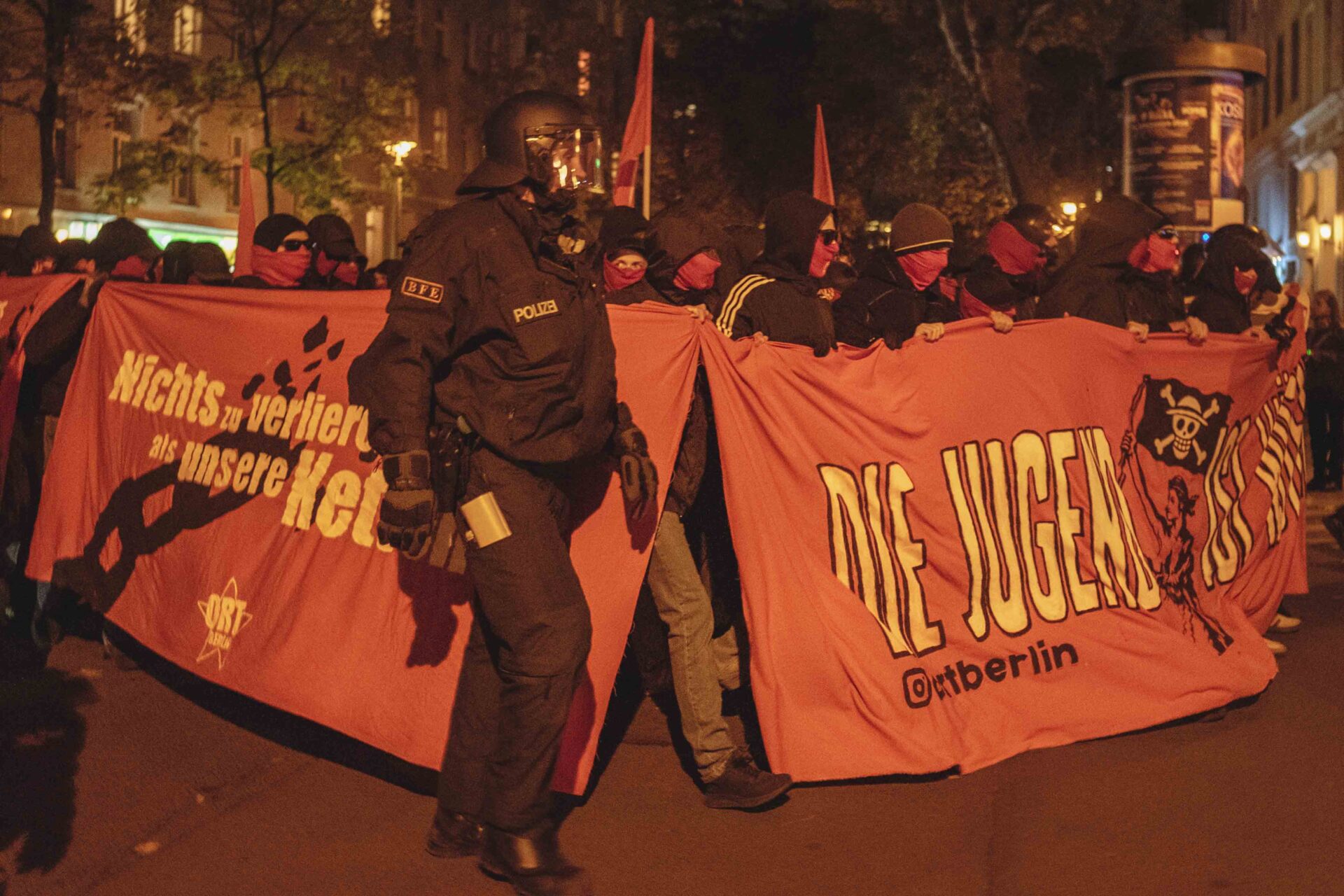
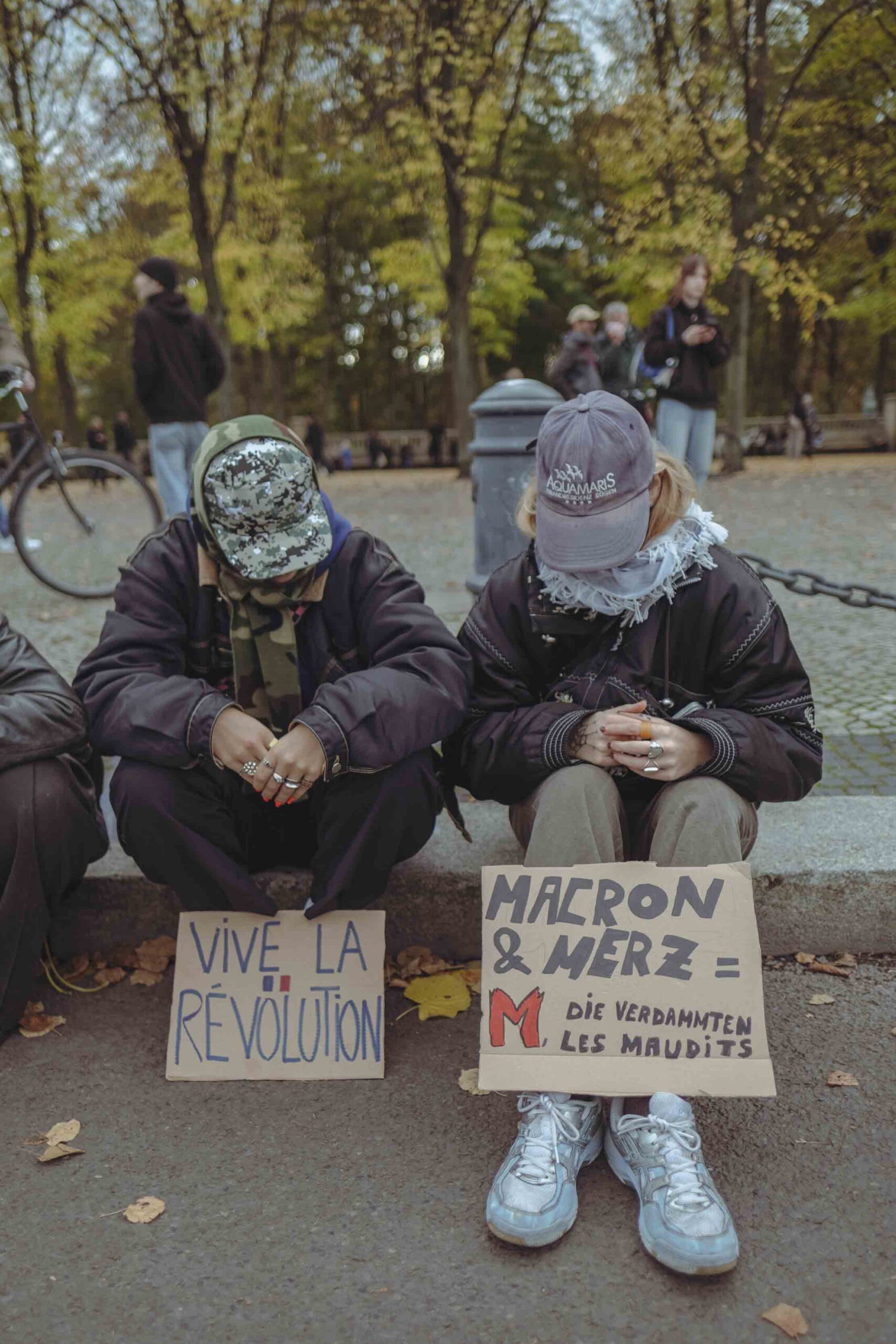
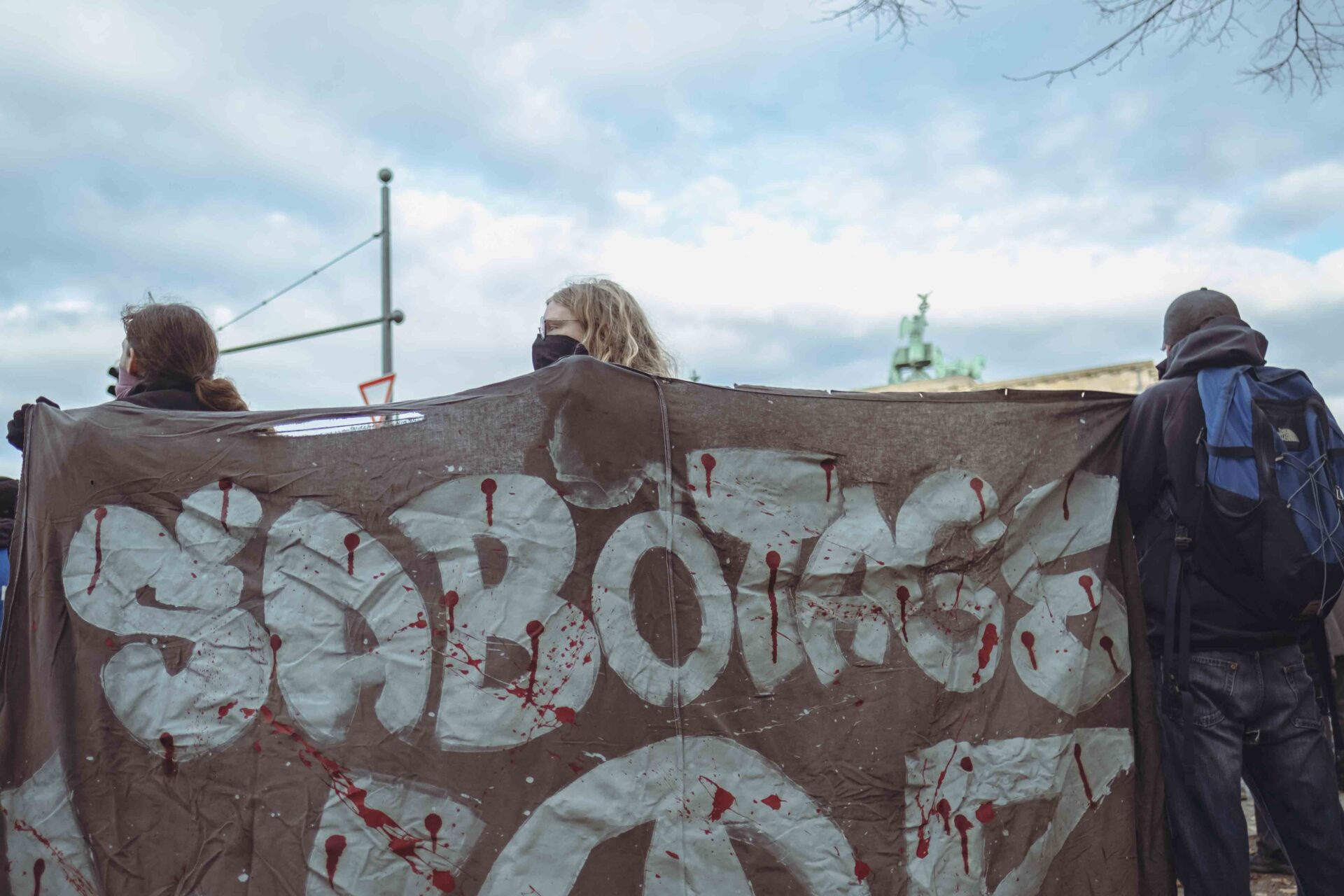
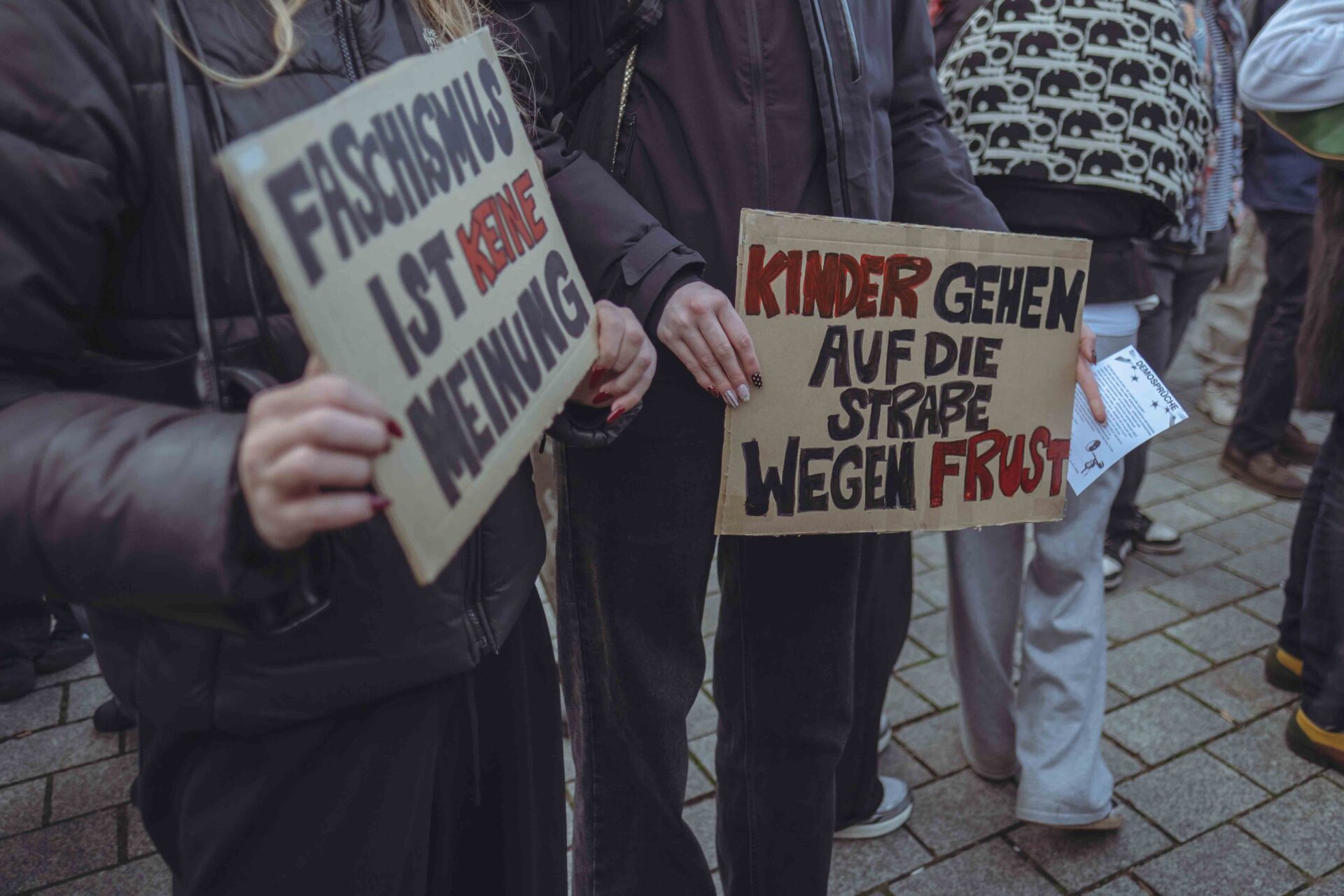
“More money for education”, “No money for our future, billions for our death”, “Vive la révolution”. Last Saturday afternoon, thousands of people gathered in front of Berlin’s Brandenburger Tor, holding handmade signs and demanding a future they could actually afford. A few hours later, the atmosphere on the streets had changed dramatically, with masked protesters, fireworks, clashes with police and dozens of arrests making for a rather different Saturday night. Two separate demonstrations, two very different approaches to protest, both associated with a generation that had apparently had enough. Across Germany, young people took to the streets in more than 30 cities, following weeks of unrest in other parts of Europe. Gen Z is angry, that much seems certain. Figuring out exactly what they want to change is a little more complicated.
What I find particularly strange about the discussion, though, is how easily we have started treating Gen Z as though it were a political organisation rather than an entire generation. Young people are repeatedly described as unusually sensitive, politically conscious, entitled or unwilling to take responsibility, depending on who is speaking. Apparently, the same generation can be too politically engaged and not politically serious enough. As if being born within a particular period automatically meant sharing the same political beliefs. We wouldn’t assume that every demonstration involving people over 50 spoke for an entire generation. So why do we seem so comfortable making that assumption about younger people?
Photography & Courtesy of Gaby Schütze
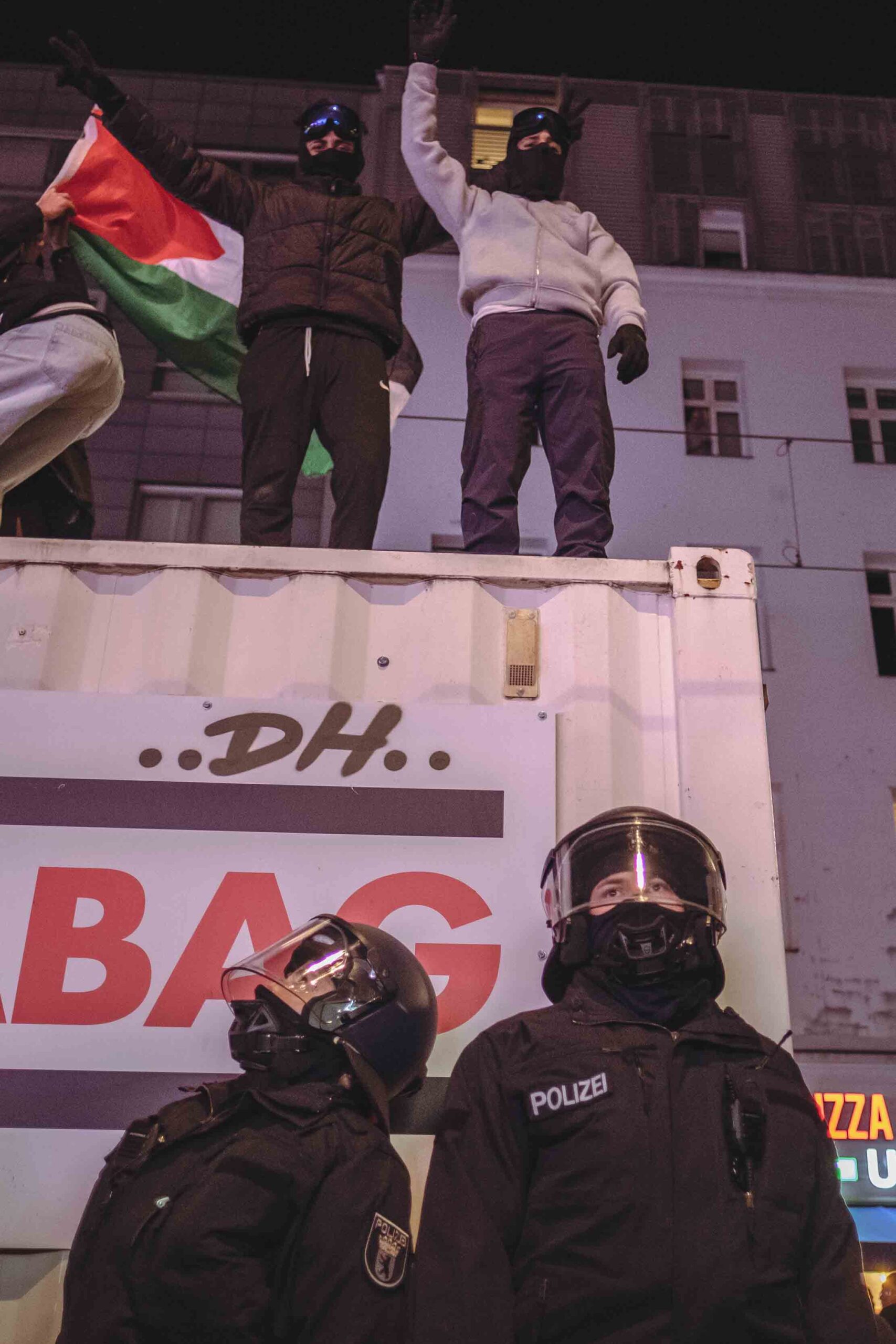
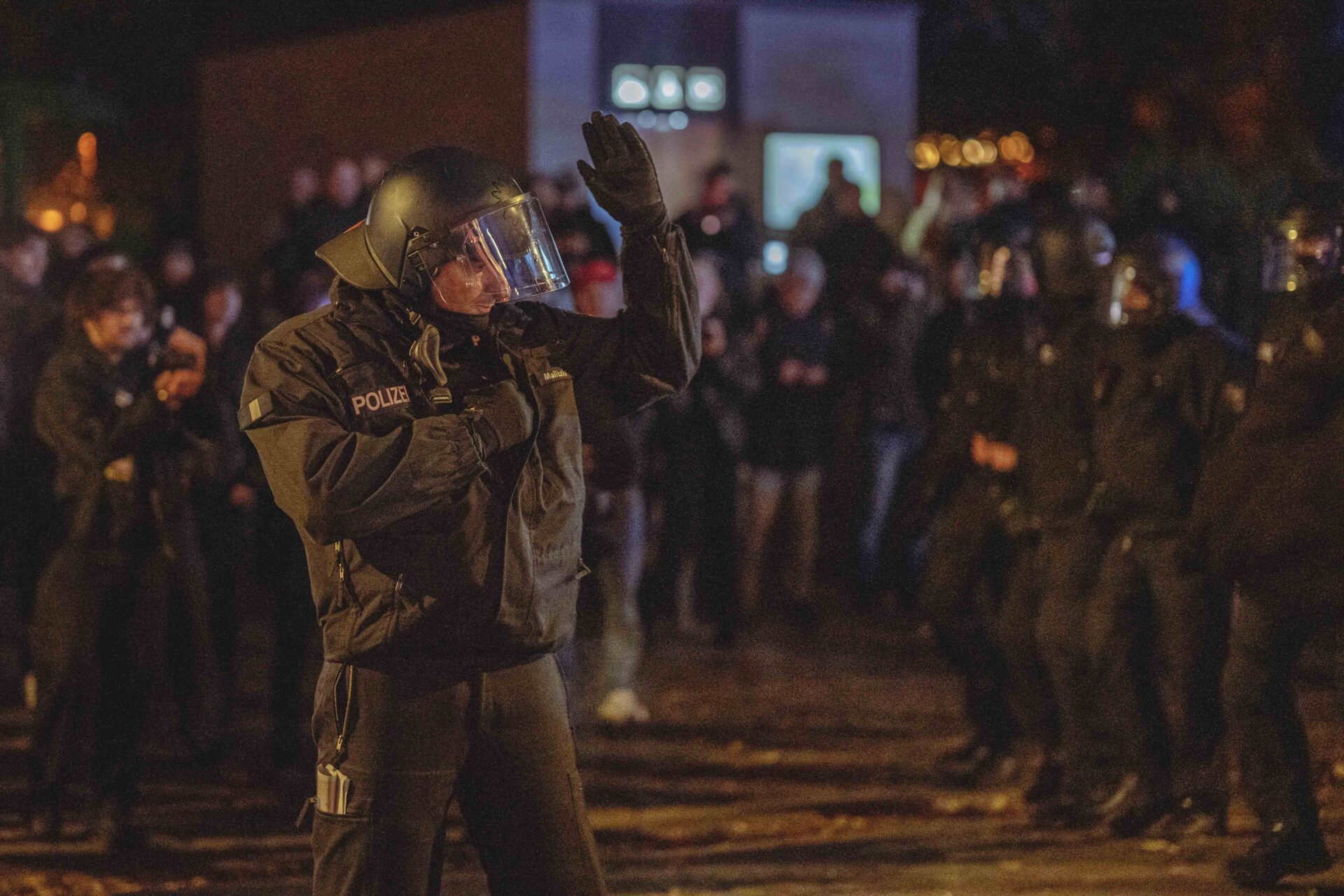
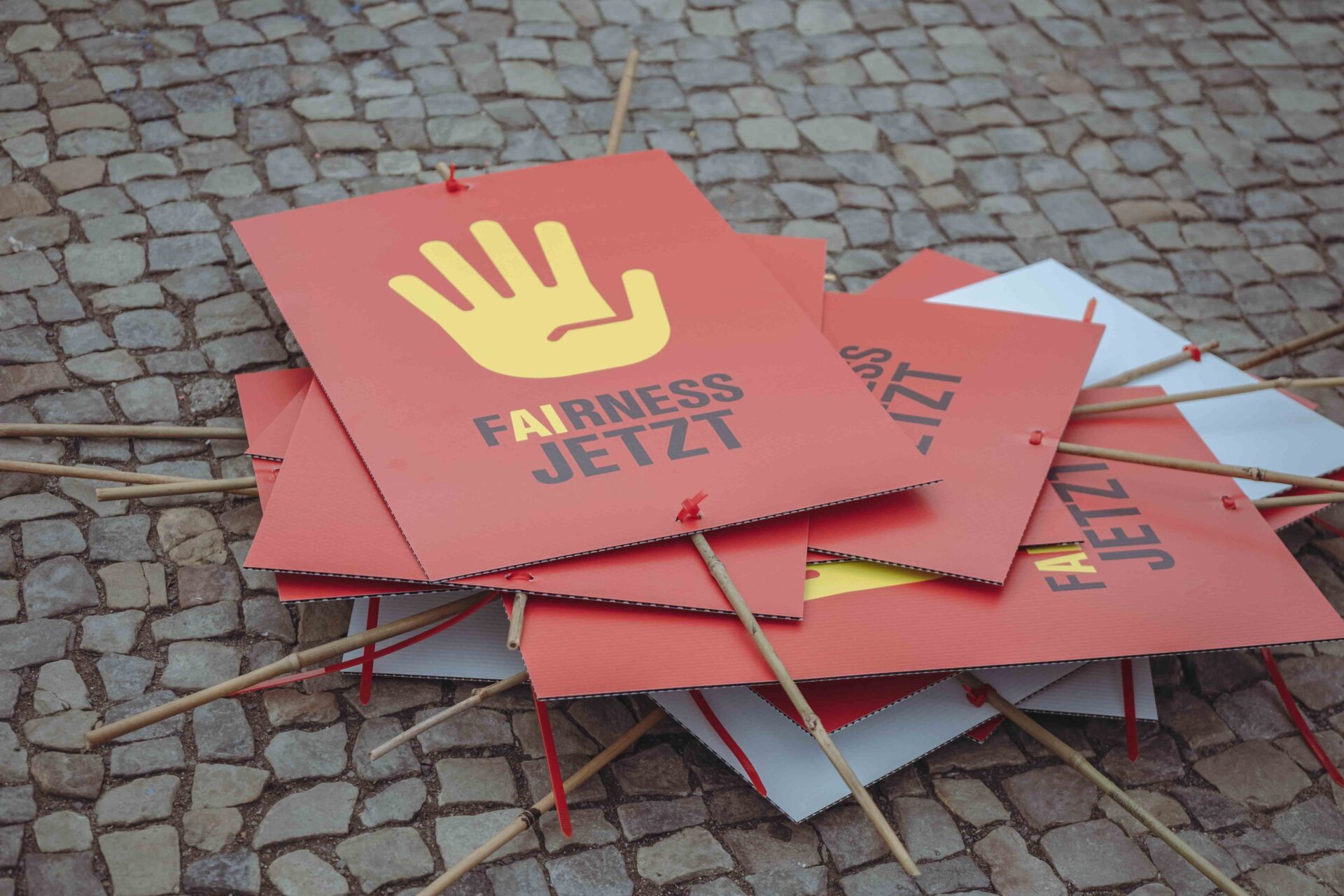
The initiative Gen Z regelt, roughly translating to “Gen Z has got this”, had called for nationwide demonstrations on 31 October. In Berlin, police counted around 5,000 participants at the Brandenburger Tor, while organisers estimated 11,000. The afternoon remained peaceful, with protesters demanding better education, affordable living, social justice and stronger climate action, alongside opposing compulsory military service and expanding state surveillance. By early evening, a separately organised demonstration called Gen Z hat genug! (“Gen Z has had enough”) had gathered around 3,000 people in Berlin-Mitte. This time, confrontations with police led to the protest being stopped early, with nearly 60 people temporarily detained and more than 25 officers reportedly sustaining minor injuries. The organisers of the earlier rally had explicitly distanced themselves from the evening demonstration and rejected violence.
On its website, Gen Z regelt outlined six demands, ranging from education funding and mental healthcare to rising living costs, military conscription, civil liberties and climate protection. All perfectly reasonable concerns on their own, although putting them together makes for quite an ambitious agenda for a single afternoon. What connects underfunded schools to government surveillance, or unaffordable housing to compulsory military service? Ask the people protesting, and the connection probably seems fairly obvious. These decisions will shape their lives for decades, often made by politicians far older than those expected to live with the consequences. Of course, wanting to change everything at once is one thing; figuring out where to begin is another.
Photography & Courtesy of Gaby Schütze
The difference today has less to do with how many problems exist than with how constantly we are confronted with them. News of another war appears between footage of a climate disaster, an economic forecast and a video explaining why the housing market is supposedly collapsing. A protest in Paris can become part of a conversation in Berlin within hours, while political developments thousands of miles away feel strangely close to home. And because so much of this information is available almost immediately, it becomes easy to confuse knowing about something with actually understanding it. We seem to know a little about almost everything, which is not necessarily the same as understanding any of it particularly well.
Images of burning barricades in Paris, crowds filling the streets and confrontations with police have dominated the coverage of recent protests. Berlin offered its own version later that evening, when a separately organised demonstration ended in clashes with police, just hours after thousands had gathered peacefully at the Brandenburger Tor. Thousands of people demanding better living conditions might attract attention, but footage of police clashes tends to travel considerably further. Suddenly, everyone is talking about what happened during the protest rather than what people were protesting against. Of course, demonstrations have always been about making people pay attention, although social media has made that attention both easier to attract and remarkably easy to lose. A protest can dominate our feeds for an afternoon, generate thousands of comments and become yesterday’s news before anyone has seriously discussed it in depth. And while that attention can certainly help bring people onto the streets, getting them interested in the politics behind the images is another matter entirely.
Photography & Courtesy of Gaby Schütze
The difficulty begins when all that attention has to lead somewhere. A movement built around widespread dissatisfaction can bring together people who might otherwise have very little in common, although agreeing that something needs to change is considerably easier than agreeing on what should replace it. Someone demanding affordable housing might have entirely different political priorities from someone protesting against military conscription, and the more demands a movement takes on, the harder it becomes to say what a successful protest would even achieve. Critics have accused the young protesters of expecting the government to solve their problems without offering concrete alternatives themselves, which seems quite unfair when you consider that demanding political accountability is already a form of participation. Besides, since when were demonstrators expected to arrive with a fully developed government programme? At some point, though, the organisers will have to decide which demands they want to pursue, who could actually meet them and how they intend to keep the pressure on once everyone has gone home.
And that brings us back to the problem with calling this a generational uprising. It certainly makes for a good headline, but it also suggests that millions of people with different experiences, interests and political beliefs should somehow speak with one voice. When they fail to do so, critics can easily dismiss their demands as confused or unrealistic. Convenient, really, especially when debating the attitudes of young people is much easier than addressing the policies they are protesting against. But expecting an entire generation to agree on everything is just as unreasonable as expecting a single demonstration to solve every problem it addresses. The organisers do, however, have a responsibility to decide what they want to achieve beyond making their frustration heard. Otherwise, Gen Z has had enough risks becoming little more than a catchy slogan, while the very issues that brought thousands onto the streets persist.
Alle Fotos von Gaby Schütze