When Fireboy DML appeared on my screen, he immediately greeted me with a warm smile. His voice was just as welcoming: soft, unhurried and surprisingly soothing, a gentle contrast to the superstar I had been preparing to meet. Throughout our conversation, he speaks about finding a balance between his private life and public persona, and somehow, that balance seems to come naturally to him even in our exchange. He chooses his words carefully, yet never sounds anything less than genuine.
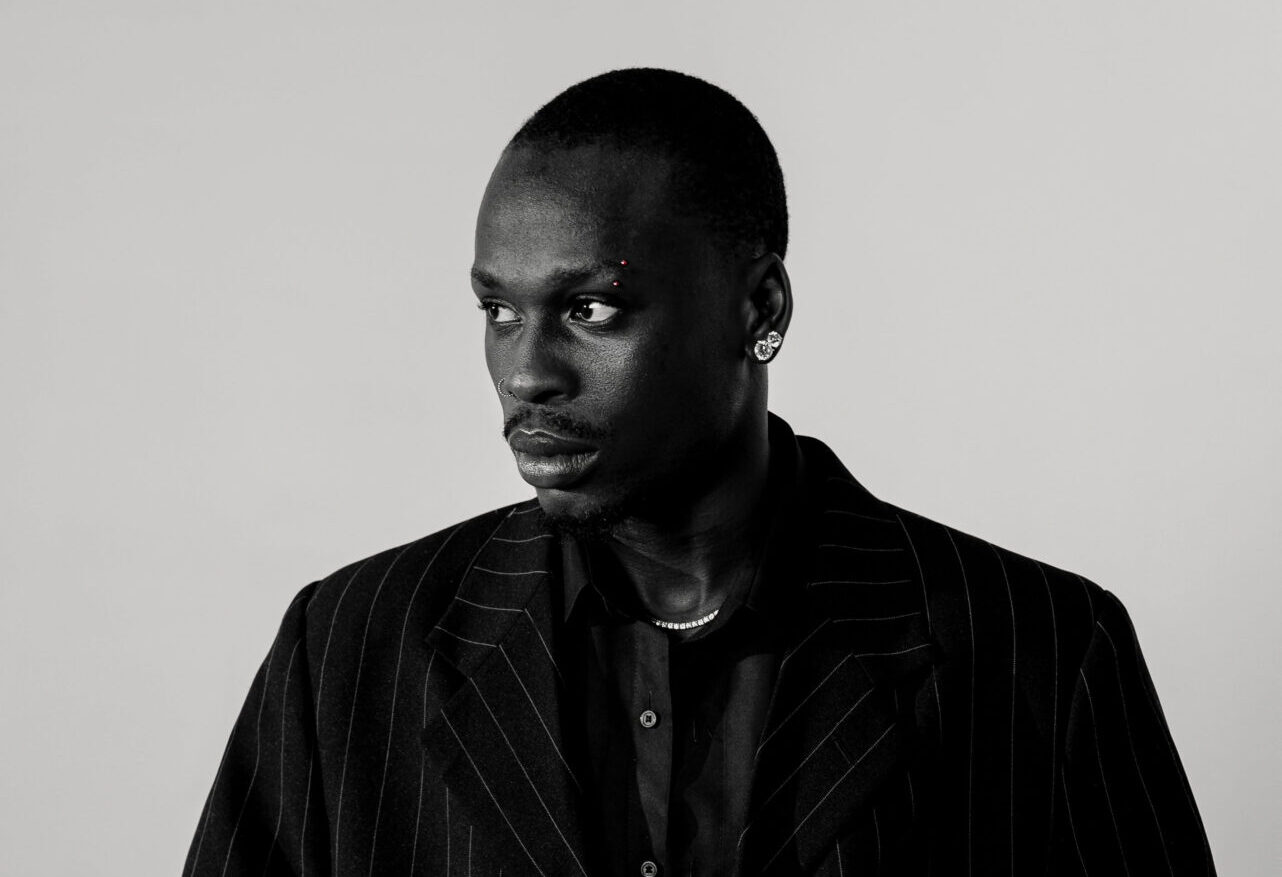
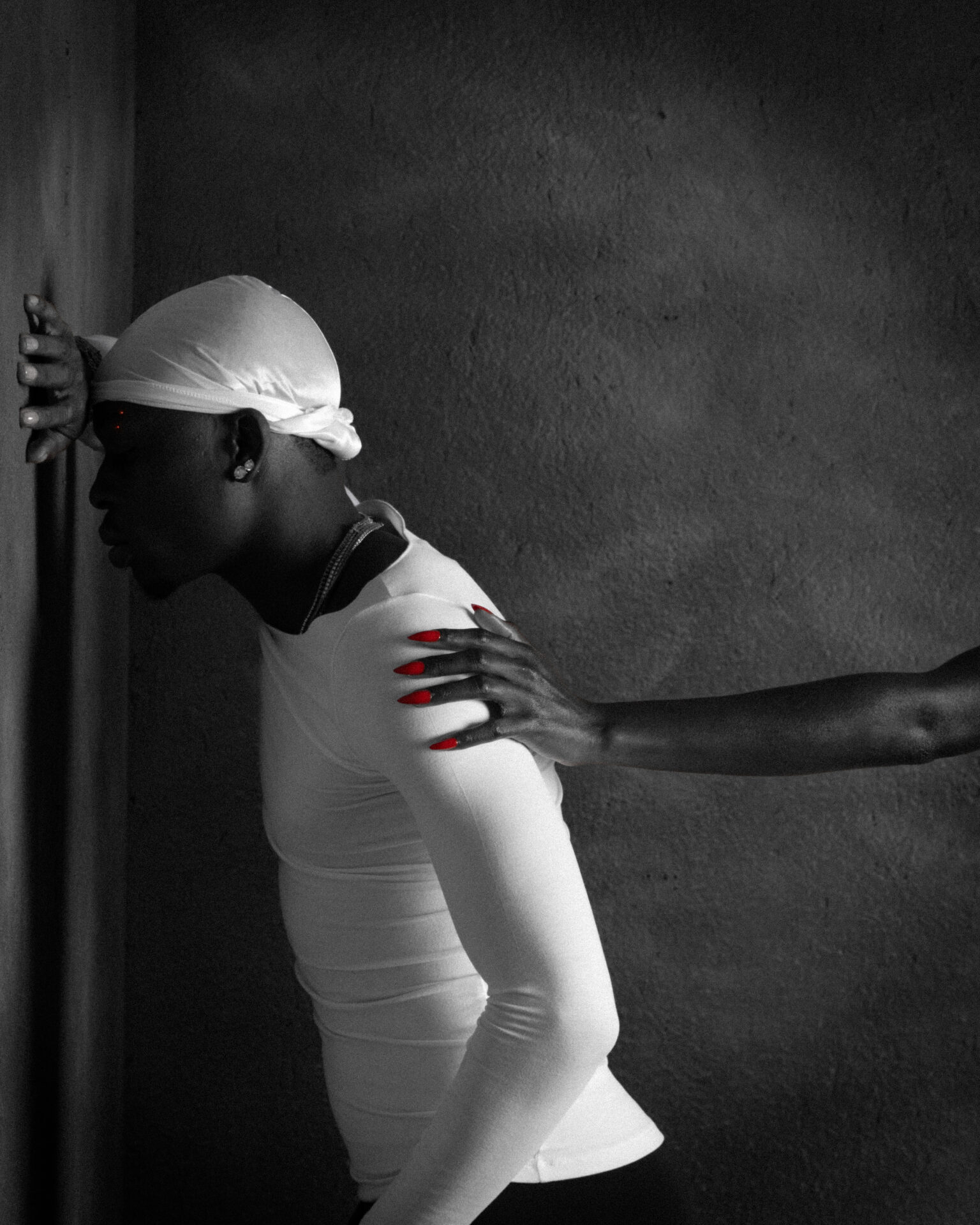
Back in 2019, Fireboy DML made a name for himself with Jealous, a song that showed just how openly he was to express his feelings. Since then, he has landed global hits with Madonna and Ed Sheeran, filled the Royal Albert Hall and, with Body alongside Topic and Nico Santos, climbed to number two on the German airplay charts. His fifth studio album, ZUKO!, arrives on 16 October, and this time, he seems ready to show a tougher side of himself. For years, rival fans had used the name Zuko to mock him, so he decided to make it his own. Now, it represents a character who appears in ashy, disguised black, mystic white and burning red, and who, for the first time, also allows anger into his music. We spoke to the Nigerian singer and songwriter about how much vulnerability he still allows himself to show, why he refuses to put a label on his music and why fashion is a world of its own for him.
Hannah Klinger Peru took your music to a global audience. Now, with ZUKO! about to come out, what part of that 2019 sound is still in your music today, and how has your sound evolved since then?
Fireboy DML Its been seven years since my first and most vulnerable albums Laughter Tears & Goosebumps und Apollo came out. Sine then a lot has changed. I knew I wouldn’t be this vulnerable for a long time. I always try to keep the superstar and human side of me separate, but sometimes it’s hard to find the line between those two. Each element keeps slipping into each other. Sometimes I get vulnerable and then feel like I shared too much, people remind you why you built a shield in the first place, which makes me go back to my shelf. ZUKO! has vulnerable parts as well, but I have changed over the years, which translates into the album. I try to keep the balance between showing my vulnerable side and protecting myself and my peace.
HK Which music inspired you most growing up?
FD As a teenager I always stayed up late at night listening to the radio playing smooth jazzy 80’s R&B music. I was infatuated by that soft sensual voice and sound, which made me want to make music like this, but from an afro beat perspective. Music that makes you dance, but also makes you want to listen to it with your eyes closed late at night, simply enjoying the sound, just like I did as a teenager.
HK You studied English before you drooped out the last year, did your time studying influence your lyricism?
FD Expressing myself through words always came easy to me. I used to represent my school at debates and literary competitions, but since I’m really critical with myself and doubting my work a lot, I never thought any of my talents were special. I always thought I would end up as an English professor, but it was hard for me to multitask my studies and music at the same time. Music is very jealous, you can’t chase music and studies at the same time, just like you can’t chase music and money at the same time. One will suffer. Pursuing music only works out if you give your all to it. My first song going through the roof gave me the confidence to drop out, move to Lagos and pour all of me into music.
HK Your creative process has changed a lot between Apollo, Playboy und Adedamola. What did you do differently while making ZUKO!?
FD I was smoking a lot of weed. At first I was worried that it would affect my voice, but it didn’t, instead it made me feel a lot, which I translated into the upcoming album.
HK How does ZUKO! reflect where you are in life right now, both personally and as an artist?
FD ZUKO! represents a state of immense self awareness, and a need to fix up my life. Sometimes you get to a point in your life where you need to change and concentrate on the things you’re in control of while letting go of the things you can’t control.
HK You chose the story of the character Zuko to frame this album. What drew you to him?
FD Zuko came from social media, its a slander name that rival fans call me as an alias so I don’t find out they’re talking about me. They have been trolling me with this name for years, but it sounded really cool to me, like the name of a passionate, strong character. It fits the persona I’m trying to represent.
HK Is there a specific song on your new album that was particularly challenging to write emotionally?
FD When I was writing the lyrics to the intro song I might have shed a few tears.
HK You’ve played huge stages, from Coachella to the Royal Albert Hall. How do you prepare mentally for those big stages?
FD I usually don’t prepare until seconds before getting on stage. That’s when the nerves really start to set in and I feel everything at once, so I take a deep breath, close my eyes and relax. Once I’m performing, everything else is gone, nothing else matters, I’m just in the moment performing, having the time of my elf my life.
Afterwards feels like a comedown. You get off stage and can’t believe what just happened. Waking up the next morning feels like a fever dream: from thousands of people singing your song back to you, to you waking up alone in bed, that switch hits you for a while.
HK You describe your music as ‘Afro-life’ and said before, that it isn’t just a genre, but a movement, a state of mind. How do you reach this state of mind?
FD That was a long time ago, I thought I knew too much, but I know better now.
I still think my music is very unique and deserves its own identity, but it doesn’t need to be defined by a specific genre or label. Music is freedom to me.
HK You’ve worked with global artists like Ed Sheeran, Madonna and Skrillex, what makes a collaboration feel right to you?
FD If the energy feels right and nothing is forced, there needs to be chemistry. I rejected collabs a few times, because I didn’t feel connected to what I was hearing.
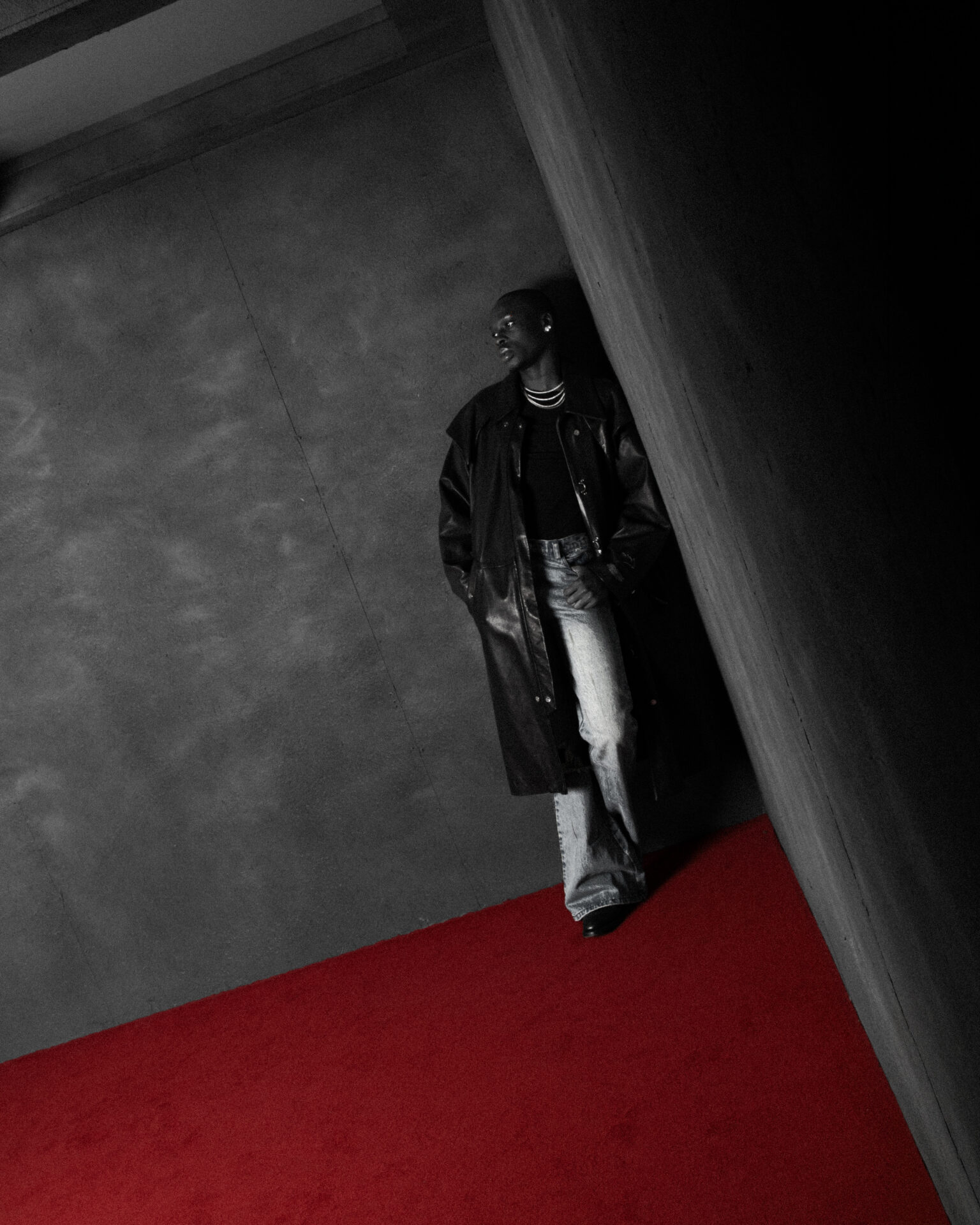
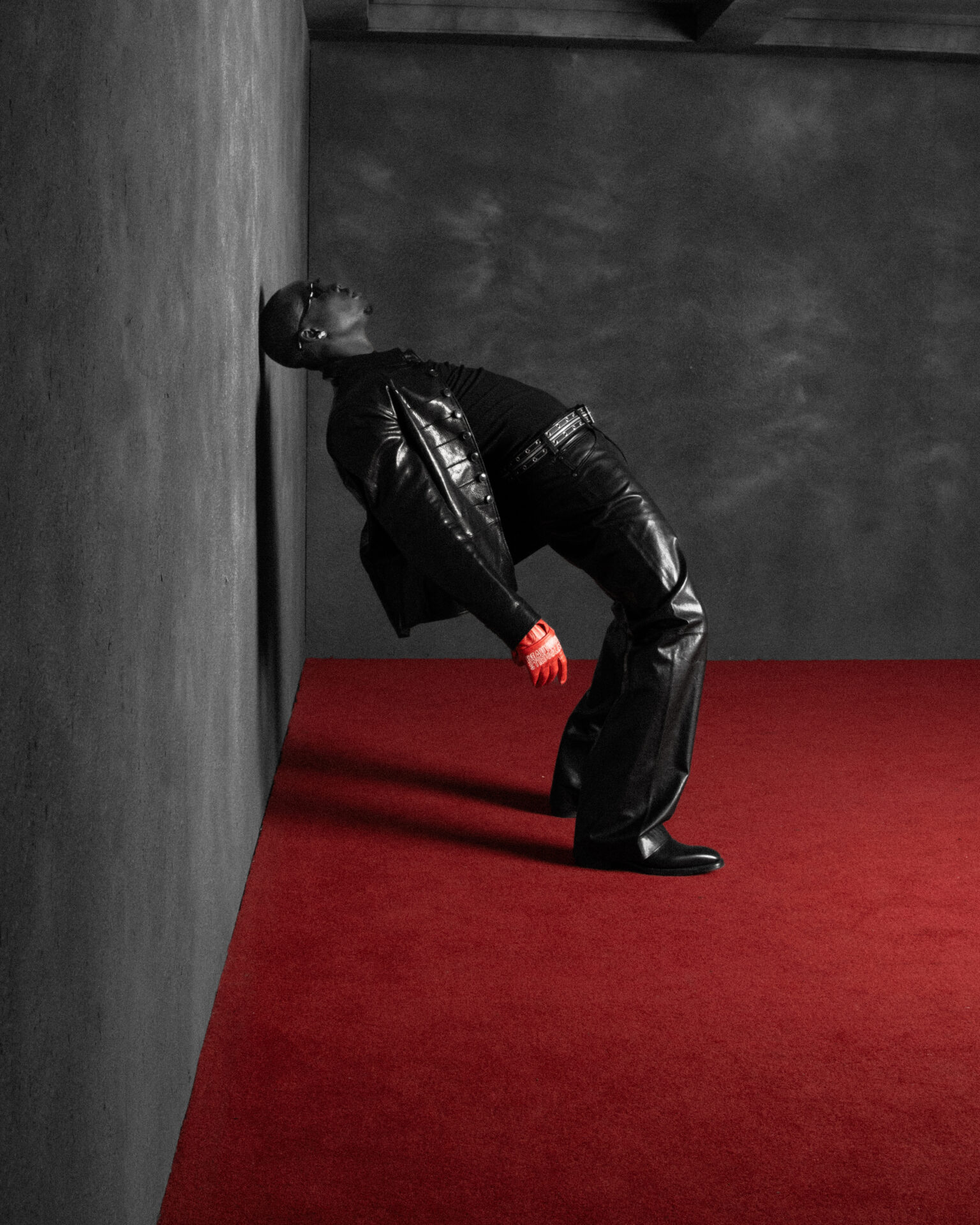
HK Fashion has become a bigger part of your public image. How does fashion connect to the ZUKO! world, and did you think about visuals and styling while you were writing?
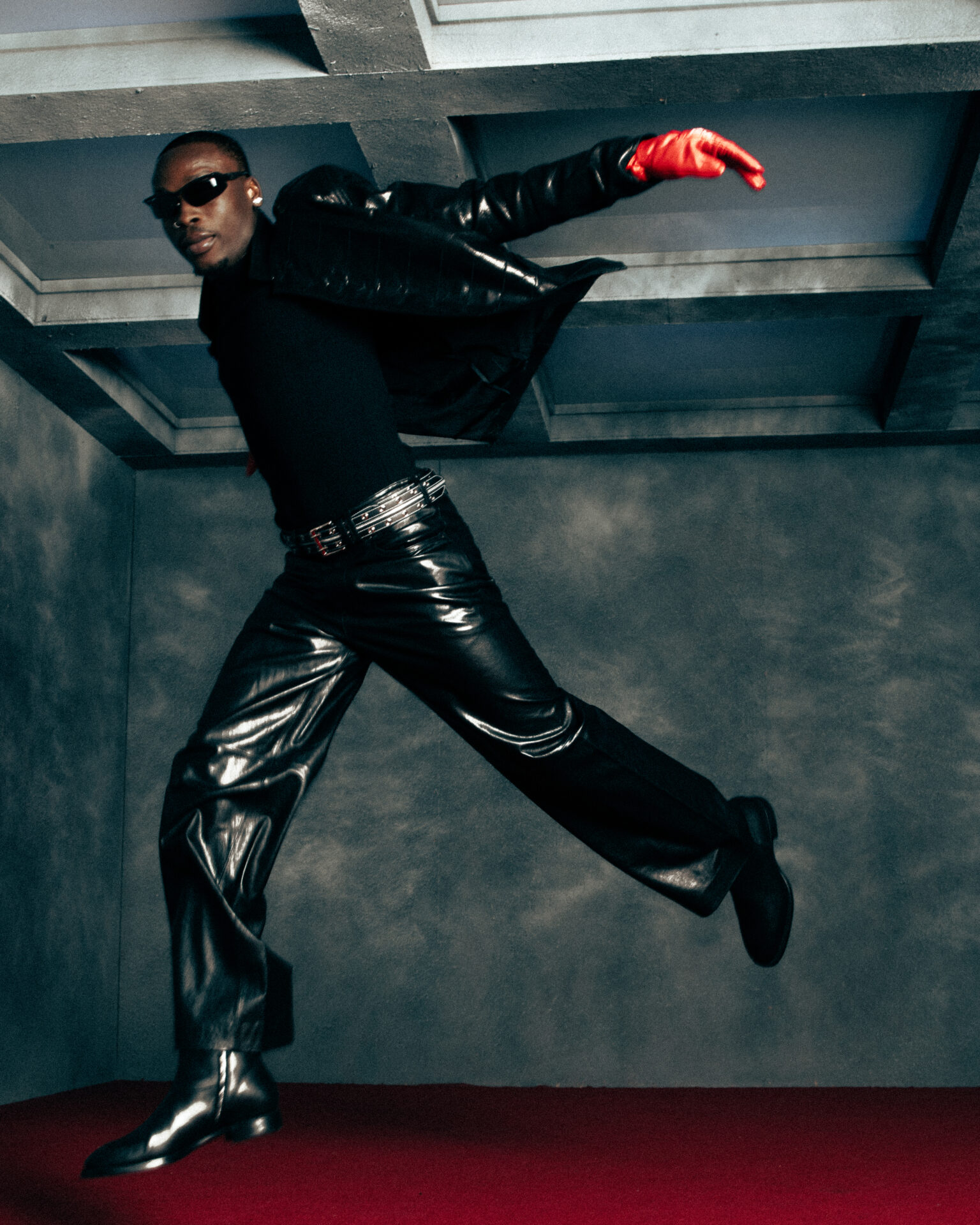
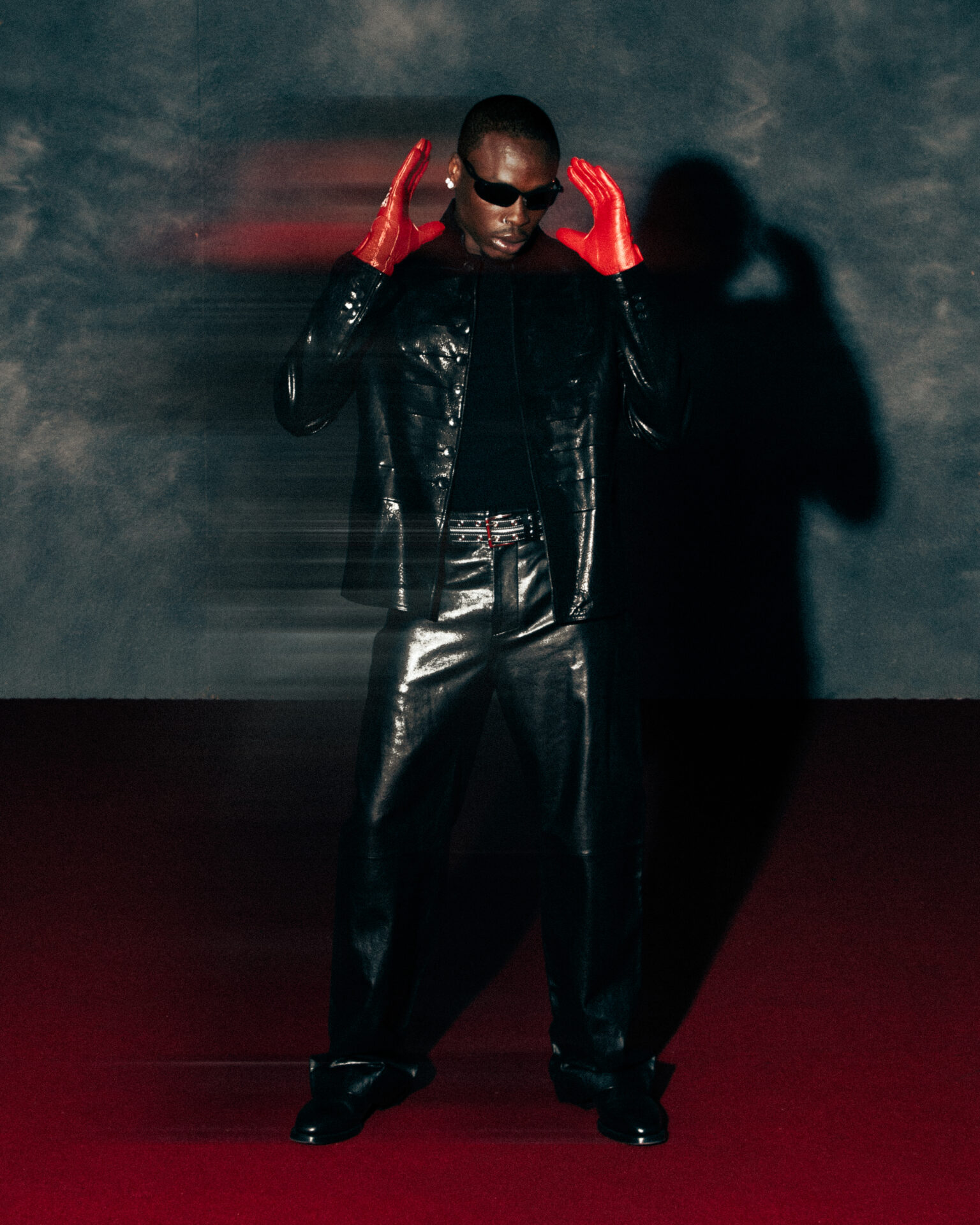
FD I usually don’t think about visuals while writing music, only about performing. For the world of ZUKO! there’s a theme of black, white and red. I’m wearing a lot of black leather to reflect dark gritty anger, an emotion that wasn’t in any other of my projects before.
HK When you attend shows like Fashion Week, do you feel like you’re representing the music, or do you see it as a separate form of self-expression?
FD Fashion is a separate form of self expression for me. You have to respect it, because its a different world, a different industry, a different form of art. I go there as a fan and student of the game, to watch and learn. I still need to learn a lot about fashion and the industry, all I know is my personal interpretation of what fashion means to me. Right now they are flaming me on twitter because I wore a pink silk Tom Ford set, but I just wear what I feel comfortable in.