
Über persönliche Archive und den subtilen Einfluss von Design, Musik und Erinnerung auf das künstlerische Schaffen.
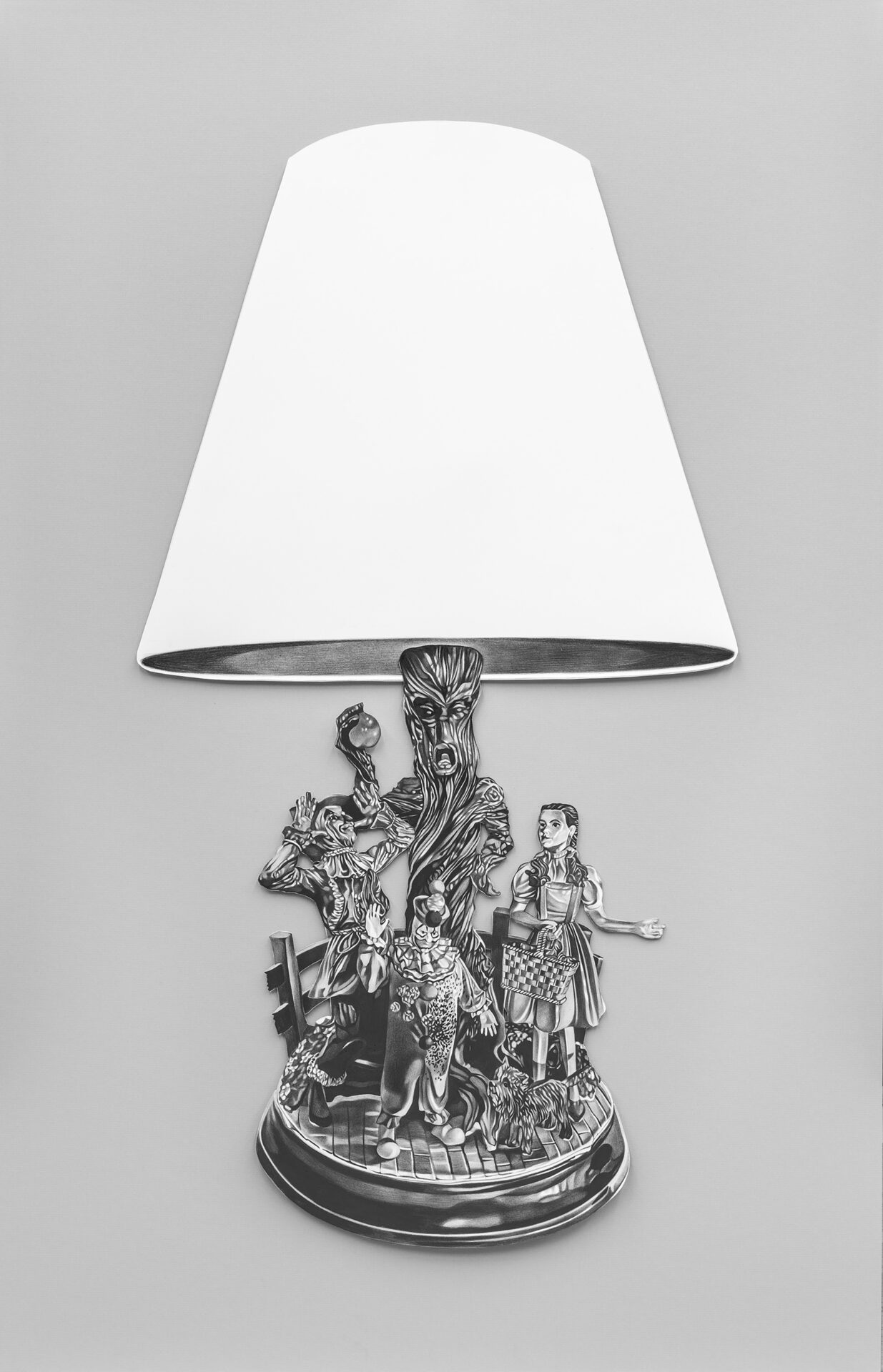
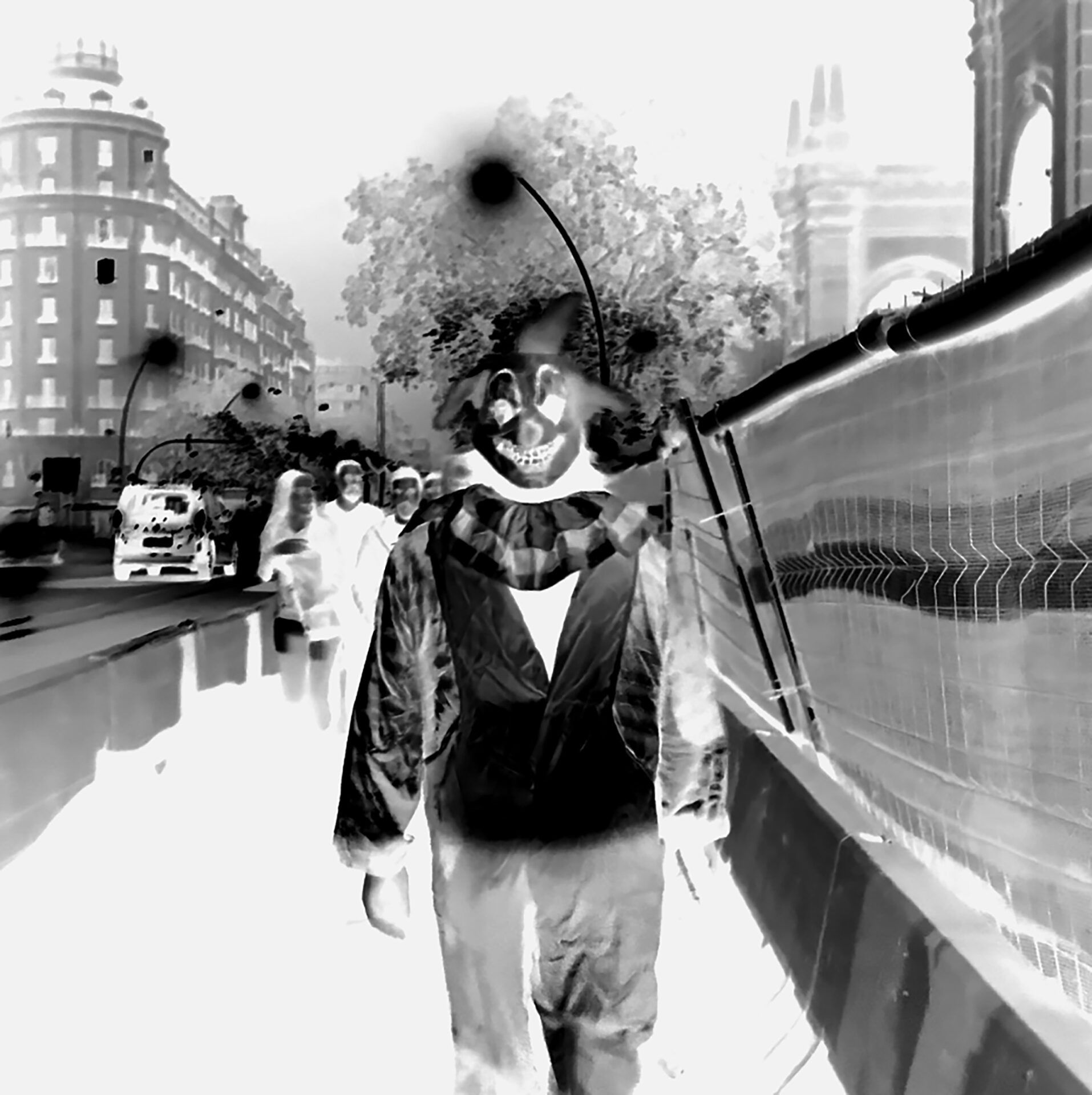
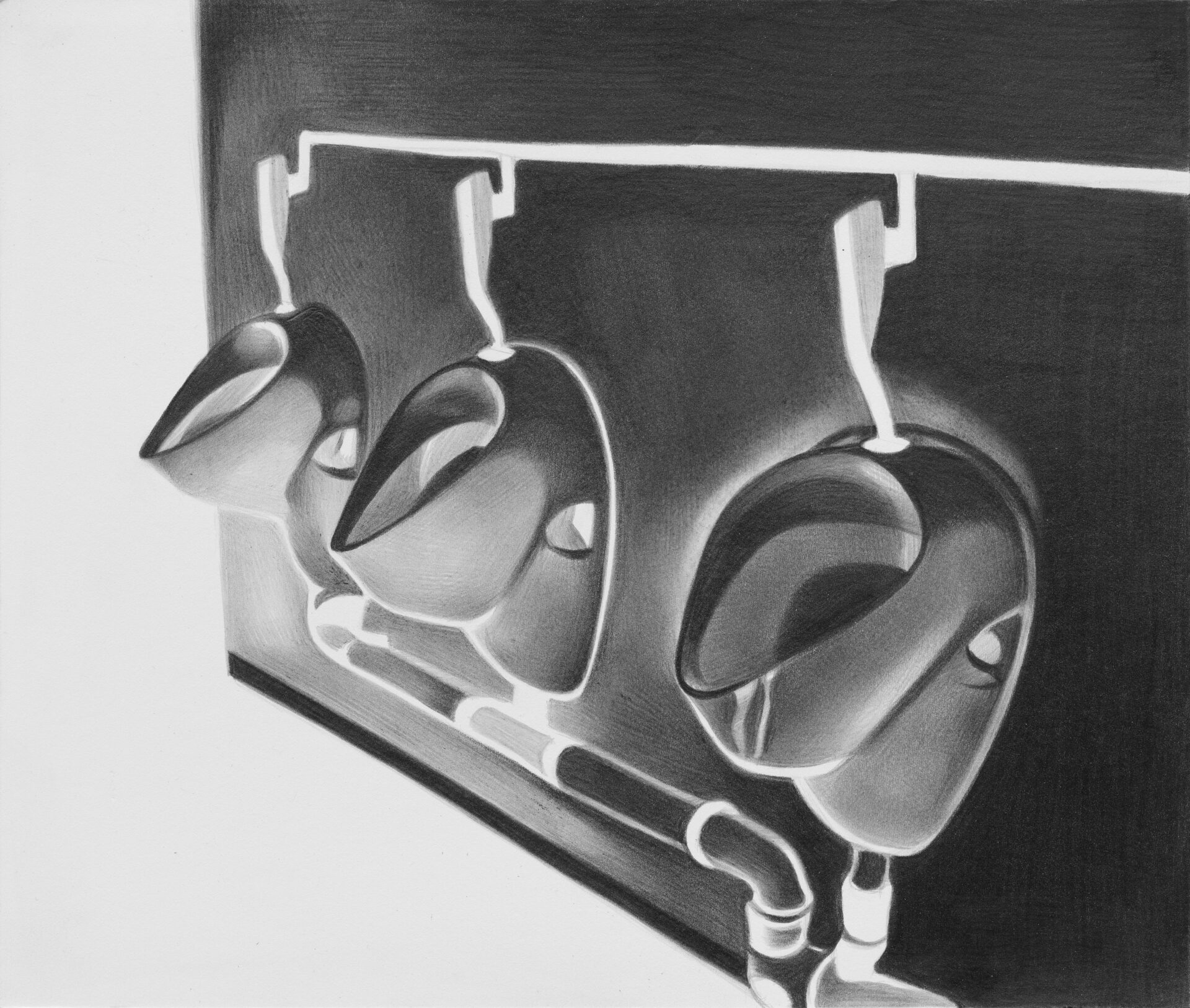
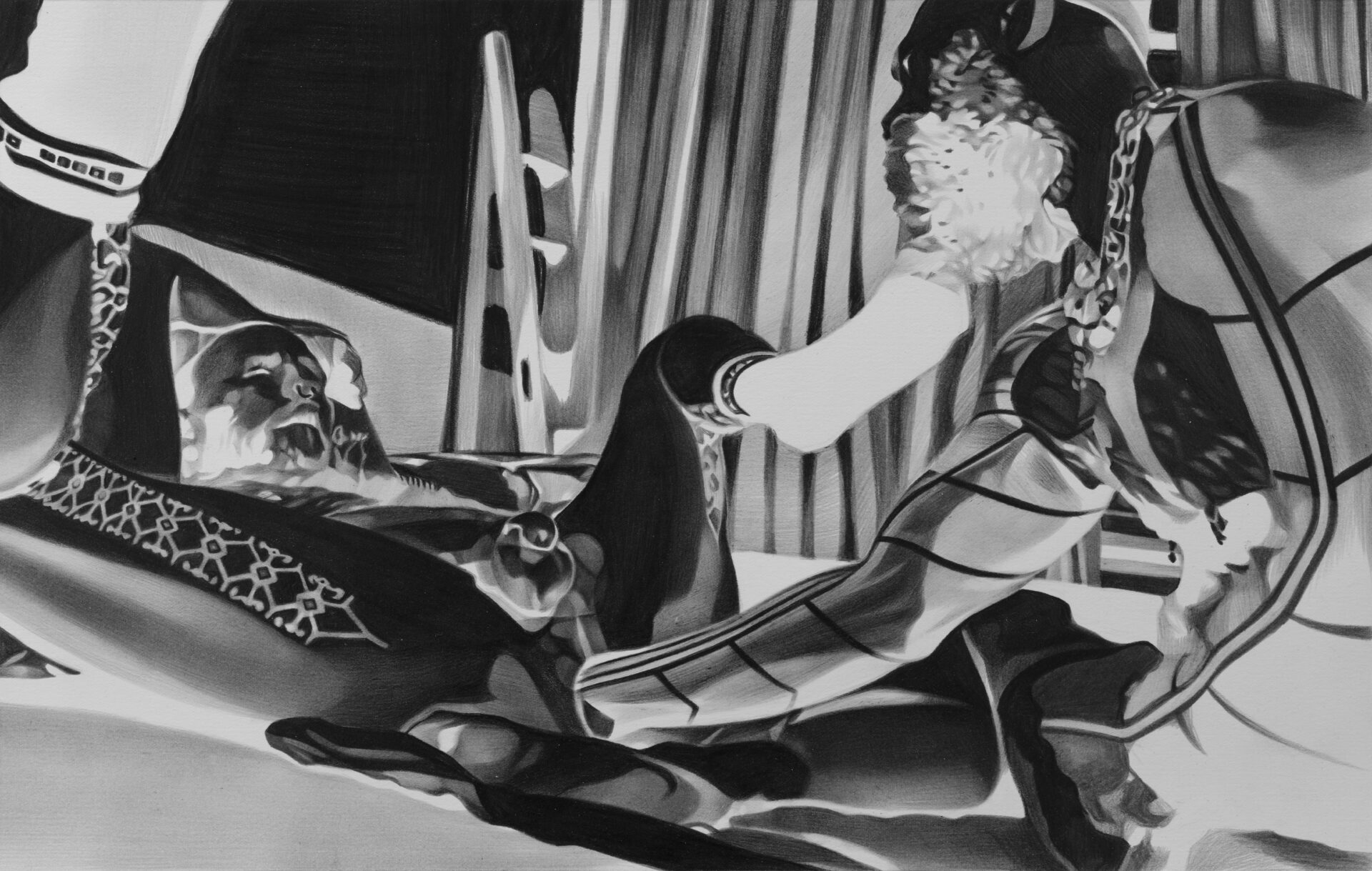
MARC BRANDENBURG ist nicht nur durch seine Kunst ein Chronist unserer Zeit, sondern auch ein Sammler bedeutender Objekte aus den Bereichen Mode, Musik und Film. Für SLEEK hat er sieben Objekte ausgewählt, die persönliche Erinnerungen in sich tragen und zugleich ein umfassenderes Verständnis ihrer jeweiligen Epochen vermitteln – der sozialen und kulturellen Realitäten, in die sie eingebettet sind, sowie der Art und Weise, wie sie letztlich auf Brandenburgs eigene künstlerische Praxis und seinen Schaffensprozess zurückführen. Sein Werk umfasst Grafik, Collage, Installation, Video und Performance. Im Mittelpunkt stehen detaillierte Bleistiftzeichnungen, die auf Fotos basieren, die er während seiner Streifzüge aufnimmt, oder auf Ausschnitten aus Zeitschriften, Filmen und Büchern.
“Ich bin ein ziemlich besessener Sammler. Ich sammle Schallplatten, Bücher, Filme, Gegenstände. Selbst eine scheinbar nutzlose Actionfigur wie Alex DeLarge aus ”A Clockwork Orange‘ sagt unglaublich viel über meine ästhetischen Einflüsse aus. Mit ihrer Strenge verkörpert die Figur einen meiner absoluten Lieblingslooks. Die Punk- und Skinhead-Kultur hat sich stark daran orientiert: Melonen, Stiefel, militärische Einflüsse. Aber es ist auch einfach das detailreiche Design der Figur, bei dem jede Falte ihren Sinn hat. Der Film als Ganzes ist ein Klassiker und im Zeitalter von Palantir aktueller denn je: totale Überwachung, Kontrolle, Verhaltensmanipulation und moralischer Verfall in der Gesellschaft.“
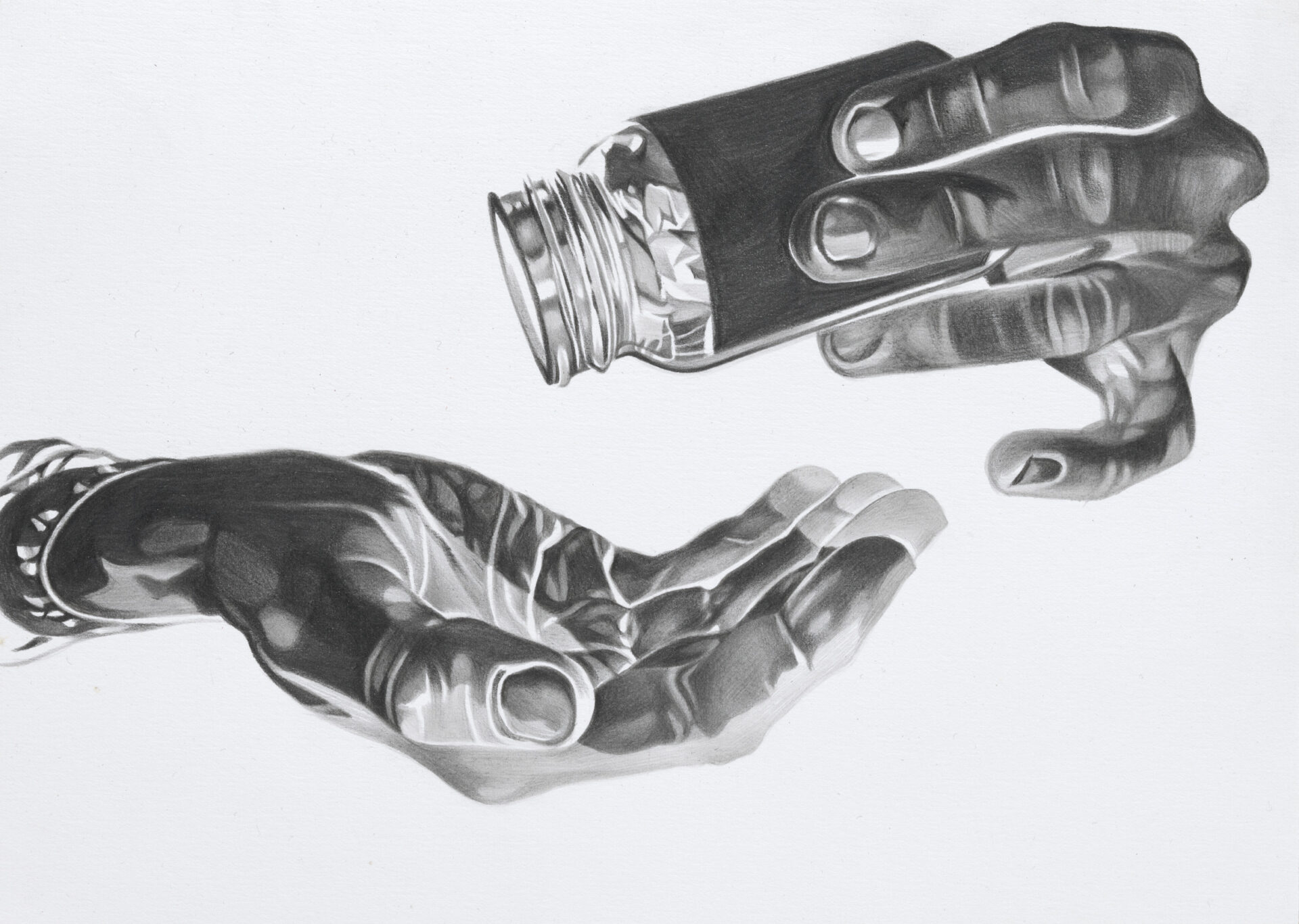
Was all diese Objekte verbindet, ist eine gewisse Klarheit in Gestaltung und Bedeutung. Nichts wirkt unnötig überladen; alles ist reduziert, fokussiert und präzise. Genau diese Eigenschaft ist so entscheidend für Brandenburgs Werke: Arbeiten, die komplex und dicht sind und dennoch aus etwas so Einfachem wie einer Bleistiftlinie entstehen. Doch genau hier setzt auch der Haken an. Je näher man an die Struktur des Dargestellten herankommt, desto deutlicher wird das Gefühl, dass etwas nicht ganz stimmt. Das Bild ist seitenverkehrt, das Monochrom verzerrt die Wahrnehmung, und doch scheint alles vollkommen schlüssig. Wie Vivienne Westwoods Musselin-T-Shirt, das heute als kulturelle Ikone gilt und in den 1970er Jahren eine kleine Revolution auslöste. Brüste auf einem T-Shirt schockierten die prüde Gesellschaft jener Zeit und gaben einer neuen Generation ein Objekt, das zugleich schlicht und radikal war und Raum für ein offeneres Verständnis von Selbst, Sexualität und Gesellschaft schuf: “Dies ist eines der berühmtesten Punk-Shirts aller Zeiten. Das Brustmotiv von 1977 stammt von Seditionaries, dem von Malcolm McLaren und Vivienne Westwood geführten Laden. Die beiden haben nicht nur meinen Stil geprägt, sondern die subkulturelle Mode von Mitte der 70er bis Mitte der 80er Jahre dominiert. Es ging nicht nur um Kleidung; ihre Entwürfe symbolisierten eine völlig neue Haltung.”
Brandenburgs Selbstverständnis hat seinen Ursprung genau in dieser Zeit, in einem frühen Bewusstsein für die Kraft und Freude, die Mode hervorrufen kann. Einen frühen Einfluss hatte seine Mutter. Er erinnert sich noch heute an ihre leuchtend grünen Christian-Dior-Plateauschuhe: “Schon als Kind war Kleidung für mich etwas sehr Bewusstes. Nicht oberflächlich, sondern etwas, durch das man seine Identität zum Ausdruck bringt. Ich ging in Bondage-Hosen, Kilts, mit gebleichten Haaren und T-Shirts mit pornografischen Motiven oder politischen Slogans zur Schule. Das war damals ziemlich extrem. Eine Zeit, in der fast jeder noch riesige Kragen über gerippten Rollkragenpullovern trug.”
Je näher man der Struktur des Dargestellten kommt, desto deutlicher wird das Gefühl, dass etwas nicht ganz stimmt.
Heute arbeitet Brandenburg meist mit subtilen Kontrasten, wohl wissend, dass die Gesellschaft nach wie vor weitgehend in festen Kategorien funktioniert. Er trägt seine Lieblingsbrosche, ein Geschenk eines engen Freundes, die nun in seiner aktuellen Ausstellung “20th Century Debris” in der Berlinischen Galerie überlebensgroß erscheint. Das Stück zeigt üppige rote Lippen aus Kristallsteinen, deren Zähne aus weißen Perlen bestehen: „Die Brosche ist Mae Wests Mund nachempfunden und wurde von Dalí entworfen. Ich mag es, Verwirrung zu stiften. Man sieht nicht oft ältere Männer, die funkelnde Broschen tragen. Aber genau diese leichte Verschiebung der Erwartungen interessiert mich. Natürlich hoffe ich immer, dass meine Arbeit so wahrgenommen wird. Ich liebe das Subtile. kleine Verwirrungen oder Momente, die einen kurz aus dem Gleichgewicht bringen.“
Seit Anfang der 1990er Jahre bilden sein unmittelbares Umfeld, seine Freunde sowie kulturell prägende Momente und Persönlichkeiten den Kern seiner visuellen Bezugspunkte. Durch den Prozess des Zeichnens werden Momentaufnahmen in monochrome, komplexe Werke übersetzt, die zugleich ein Gefühl von Nähe und Distanz erzeugen. Die Bilder wirken wie traumhafte Erinnerungen, mit unscharfen Rändern, Nahaufnahmen und Blickwinkeln, die oft eher ein Gefühl als ein konkretes Objekt heraufbeschwören: “Eines der wichtigsten Bücher für mich ist ”From A to B and Back Again‘ von Andy Warhol. Es gibt ein Kapitel namens ‚The Tingle‘; dabei handelt es sich um eine aufgezeichnete Telefongespräch zwischen Andy Warhol und Brigid Polk. Darin beschreibt sie in fast schon obsessiver Detailgenauigkeit, wie genau sie ihr Badezimmer putzt. Aber eigentlich geht es gar nicht wirklich ums Putzen, sondern um ihren mentalen Zustand. Meine Zeichnungen erfüllen eine ähnliche Funktion. Durch diese obsessive Präzision vermittelt man auch etwas Emotionales oder Psychologisches. Die Motive sprechen niemals nur für sich selbst.“
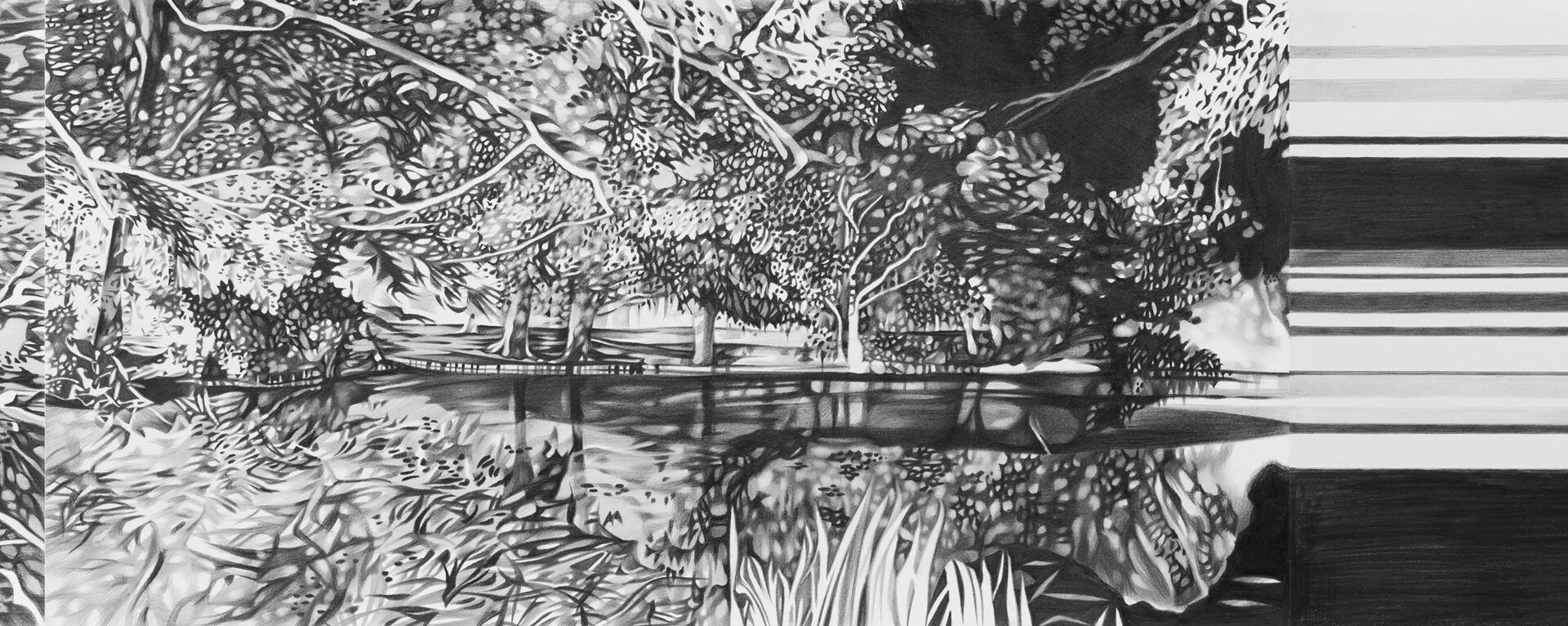
Brandenburg arbeitet überwiegend in kleinen Formaten. Er erklärt, dass er nie ein traditionelles Atelier hatte, sondern dort arbeitet, wo er sich gerade befindet. Dadurch bleiben seine Werke flexibel und transportabel. Durch den Einsatz von Inversion, also der Umkehrung von Hell- und Dunkelwerten, werden Licht und Schatten selbst zu Linien innerhalb der Zeichnung. Diese Verschiebung verleiht den Werken eine poetische Dimension und verwandelt Fragmente des persönlichen Lebens in ein Archiv ihrer Zeit. Musik hat dabei stets eine zentrale Rolle gespielt und verweist auf viele der Themen in Brandenburgs Werk: die Widersprüche des Großstadtlebens, soziale Ungerechtigkeit, Exzess und Konsumismus als Symptome des Spätkapitalismus. Dies sind auch Themen, mit denen sich die Band Throbbing Gristle auseinandersetzt, die Brandenburg in Form eines unscheinbaren kleinen Lautsprechers mitgebracht hat:
“Dies ist eine Buddha Machine mit Loops von Throbbing Gristle, den Pionieren der Industrial-Musik. Sie waren viel mehr als nur eine Band; sie glichen eher einem Hardcore-Künstlerkollektiv. Die Gruppe, insbesondere Genesis P-Orridge und Cosey Fanni Tutti, waren zudem absolute Stilikonen. Diese spezielle Buddha Machine wurde von FM3, einem chinesischen Elektronik-Duo, in Zusammenarbeit mit den Künstlern entwickelt, und klassische Throbbing-Gristle-Tracks wurden in dröhnende Loops verwandelt, die so lange weiterlaufen, bis man genug davon hat. Manchmal möchte man keine Melodien oder Stimmen hören, sondern einfach nur einen Klang, der Atmosphäre schafft – ganz ähnlich wie meine Filmloops mit verlangsamten Tonaufnahmen. Ich interessiere mich für Künstler, bei denen Stil, Politik und Experimentierfreude zusammenkommen, wie zum Beispiel die Platte ”Silicon Chip“ von Basement 5, einer meiner absoluten Lieblings-Post-Punk-Bands aus den späten 70ern. Eine unglaubliche „Blade Runner“-Ästhetik, Dub, politisch: Die Musik wirkt auch fast 50 Jahre später noch absolut aktuell.“
Im Gespräch wird nicht nur deutlich, wie aktuell viele dieser Bezüge nach wie vor sind, sondern auch, wie eng diese Objekte sowohl untereinander als auch mit Brandenburgs künstlerischer Praxis verbunden sind – mal bewusst, mal als erweiterte Ebene, wie ein Bleistiftstrich, der über einen anderen gelegt wird. Es ist seine einzigartige Sicht auf die Welt, die willkürliche Grenzen verwischt und das Wesentliche hervorhebt. In diesem Sinne fügt sich auch der Dokumentarfilm “Grey Gardens” aus dem Jahr 1975 perfekt in das Bild ein: „Das ist einer meiner Lieblingsfilme. Er handelt von Edith Ewing Bouvier Beale und Edith Bouvier Beale, kurz Big Edie und Little Edie. Zwei Damen der High Society, Tante und Cousine von Jackie Kennedy, die in einer Villa in den Hamptons lebten, die zunehmend verfiel, nachdem ihnen das Geld ausgegangen war. Es ist die Geschichte einer Mutter und einer Tochter, die zusammen mit einem Haufen Katzen in einem einzigen Zimmer leben und sich von Crackern und Eiscreme ernähren, die sie mit Messern essen. Sie stritten sich den ganzen Tag lang und führten dann eine Show für einander auf. Das Wichtigste an dem Film ist die durchweg respektvolle Art, in der die beiden dargestellt werden. Er macht sich niemals über sie lustig. Es ist ein Meisterwerk über Hoch und Niedrig, Eleganz und Verfall, Kunst und Freiheit. Edie wurde später sogar zur Modeikone, weil sie Kleidung völlig improvisierte und dekonstruierte: eine Mischung aus Eleganz, Improvisation und Verhüllung.“
Wie in seinen Zeichnungen entstehen auch hier Verbindungen zwischen scheinbar beiläufigen Objekten und expliziten, intimen Momenten. Daraus ergibt sich ein Rhythmus, der sich bemerkenswert ehrlich anfühlt. Heute lebt er zwischen Berlin und Barcelona und pflegt weiterhin sein Archiv als Chronist unserer Zeit: ein Archiv aus Bildern, Erinnerungen, Subkultur und den subtilen Verschiebungen, die zeigen, wie eng persönliche Geschichten und gesellschaftliche Realitäten miteinander verflochten sind.
Wie vorgestellt in SLEEK #89 – PLAY
MARC BRANDENBURG *(1965) gilt als einer der bedeutendsten zeitgenössischen Grafiker. Sein Schaffen umfasst Zeichnung, Collage, Installation, Video und Performance. „20th Century Debris“ ist bis zum 14.9.26 in der Berlinischen Galerie zu sehen.
Kredite
Foto 1/4: © MARC BRANDENBURG, Foto: CHROMA Studio Berlin – ANDRÉ CARVALHO. ULRICH GHEZZI, mit freundlicher Genehmigung der Galerie Thaddaeus Ropac, London · Paris · Salzburg · Mailand · Seoul
Foto 5: © MARC BRANDENBURG, mit freundlicher Genehmigung der Galerie Thaddaeus Ropac, Foto: CHROMA Studio Berlin – ANDRÉ CARVALHO
Foto 3/7: © MARC BRANDENBURG, mit freundlicher Genehmigung der Galerie Thaddaeus Ropac, London · Paris · Salzburg · Mailand · Seoul, Foto: CHROMA Studio Berlin – ANDRÉ CARVALHO
Foto 2/6: © MARC BRANDENBURG, mit freundlicher Genehmigung der Galerie Thaddaeus Ropac, London · Paris · Salzburg · Mailand · Seoul, Foto: CHROMA Studio Berlin – ANDRÉ CARVALHO (2)