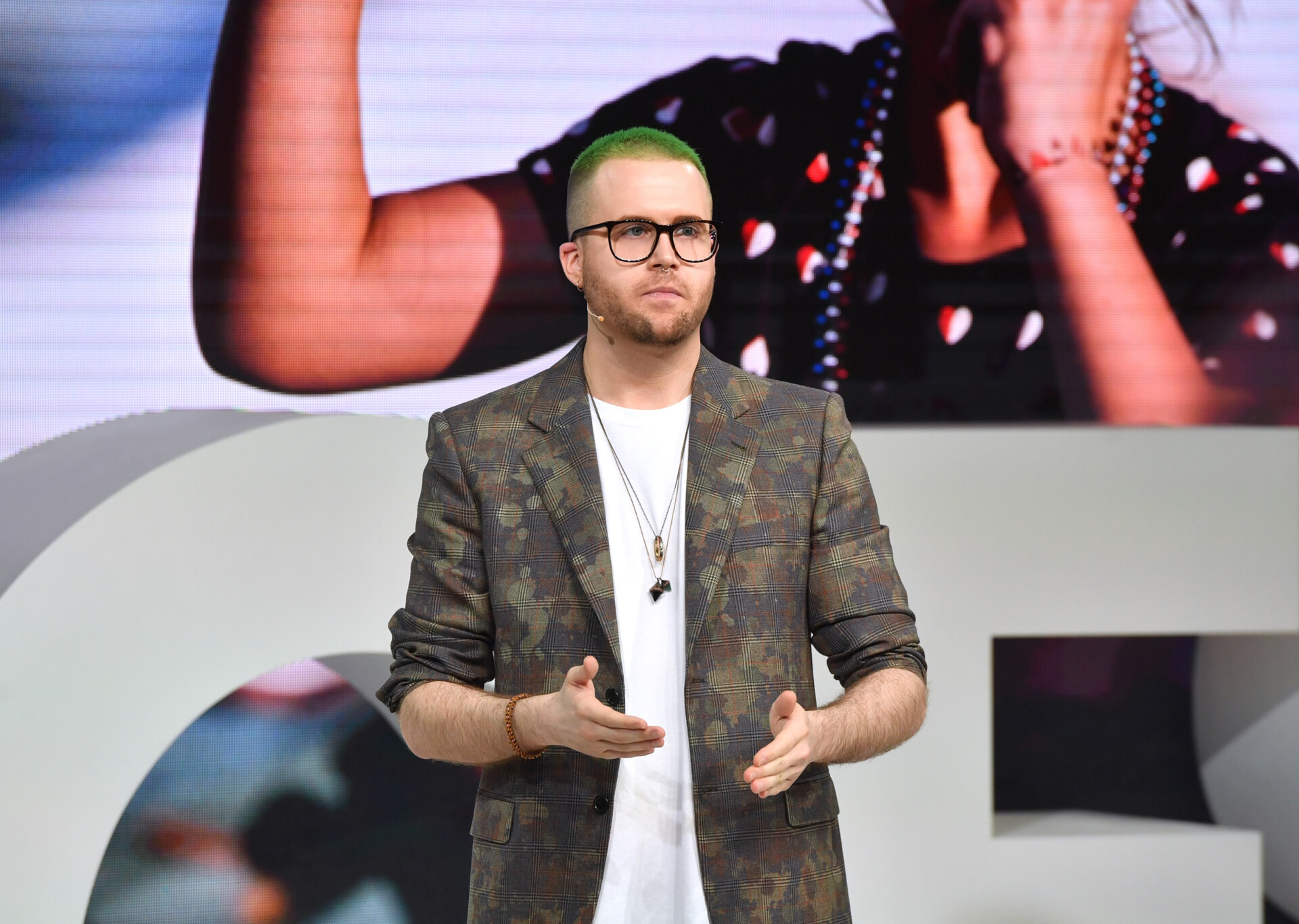
Trump may not look like a man that received support from the fashion industry, but a Cambridge Analytica whistleblower is saying that clothing brands have laid the foundation for the identity politics and insecurities that helped data analysts spread false information and drum up support for the unconventional presidential candidate back in 2016.
“One of the first things that we realised is how powerful fashion is and how people engage with clothing,” Christopher Wylie told audiences at a Business of Fashion talk today. “There are strong relationships between the brand aesthetics people engage with and their identity. If you want to study people, what they wear is a good starting point.”
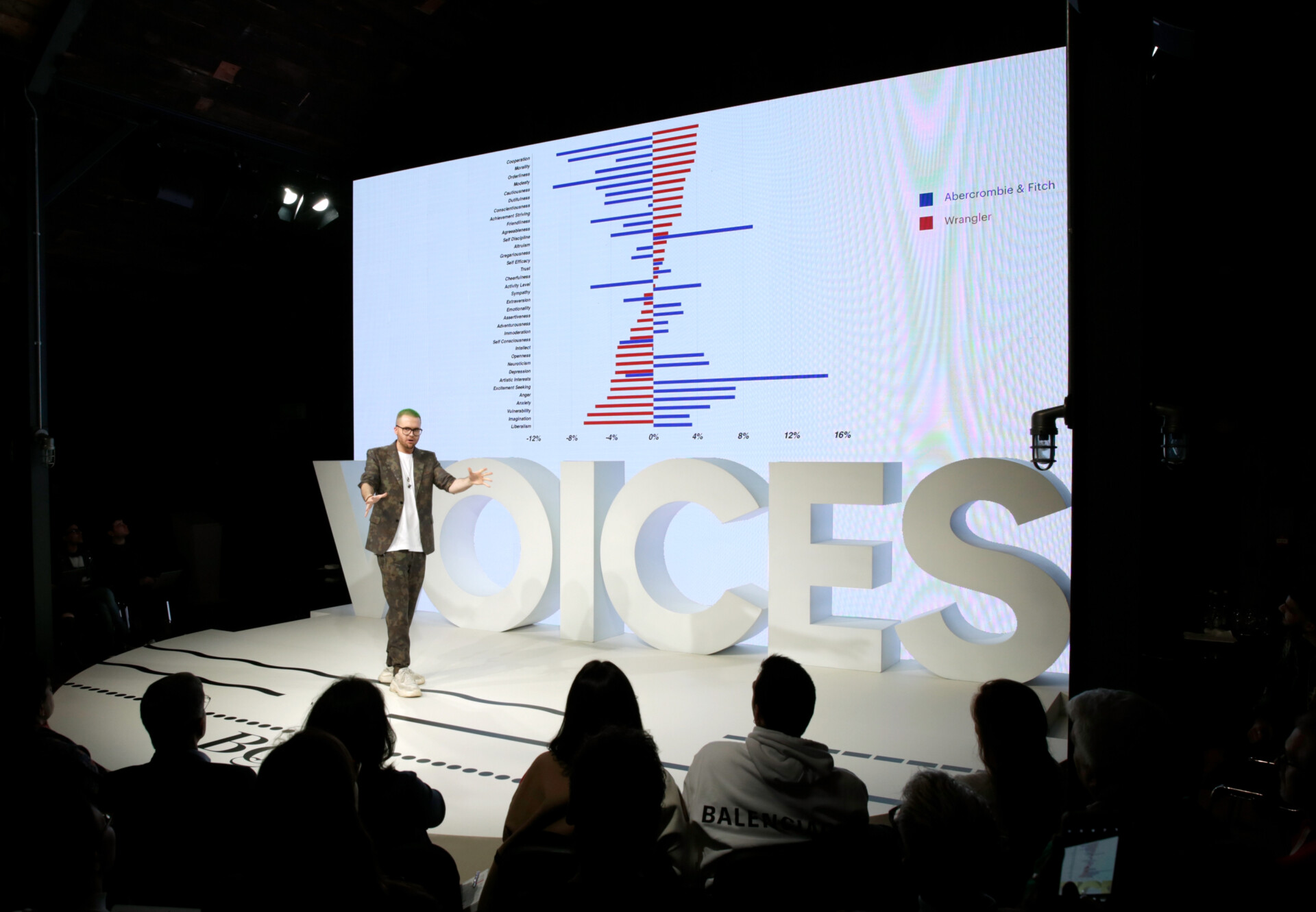
To illustrate this, he pulled up data from Abercrombie & Fitch customers and compared it to that of Wrangler customers, showing stark differences between the two. It turns out that the jeans you buy can say a lot more about you than whether or not you feel confident in a boot cut. The ideals behind the brands and the brand images are something that shoppers buy into when making purchases – so much so, that Wylie would compare our retail therapy to putting on military uniforms.
“When we think about extremist movements, the first thing they do is develop an aesthetic. We can very pointedly imagine what a Nazi looks like, what a skinhead looks like, what a Maoist looks like, or what an Isis fighter looks like. There is a reason for this, and it is because fashion is powerful.”
Before being recruited by political strategist Steven Bannon to become part of Cambridge Analytica – a data mining, brokerage and analysis firm that has been dissolved since the election scandal – Wylie was in fashion. This is where he learned the ins and outs of culture and trend forecasting that would help a fashion brand sell-out its latest collection or help spread fake news stories that would play a part in the election of the United State’s 45th president. “Fashion data was used to build AI models to help Steve Bannon to build his insurgency and build the alt-right. We used weaponised algorithms and weaponised cultural narratives to undermine reality.”
Another aspect of the fashion industry Wylie says was helpful to the Trump campaign, was its deep-rooted racism, sexism, ableism and fat shaming. “Cambridge Analytica exploited the cultural narratives that these corporations were putting out. It exploited toxic masculinity, feelings of shame, unattainable standards, but are put out on a daily basis by fashion, music and media,” he said.
With the growing importance of tech giants and the way that data collection is playing a larger role in our everyday lives, Wylie called on the fashion industry and other cultural influencers to take a look at the messages that they are putting out and urging them to be more inclusive, so that data collectors have less insecurities to prey on.
“I hope that you will start conversations with your customers,” he said. “Because we depend on you guys, not only to make our culture, but to protect our culture. You have created the battlefield and it is up to you if Trump, Brexit, or the Alt-right become crocs or the Chanel of our political spectrum.”