Photography by Hue Hale.
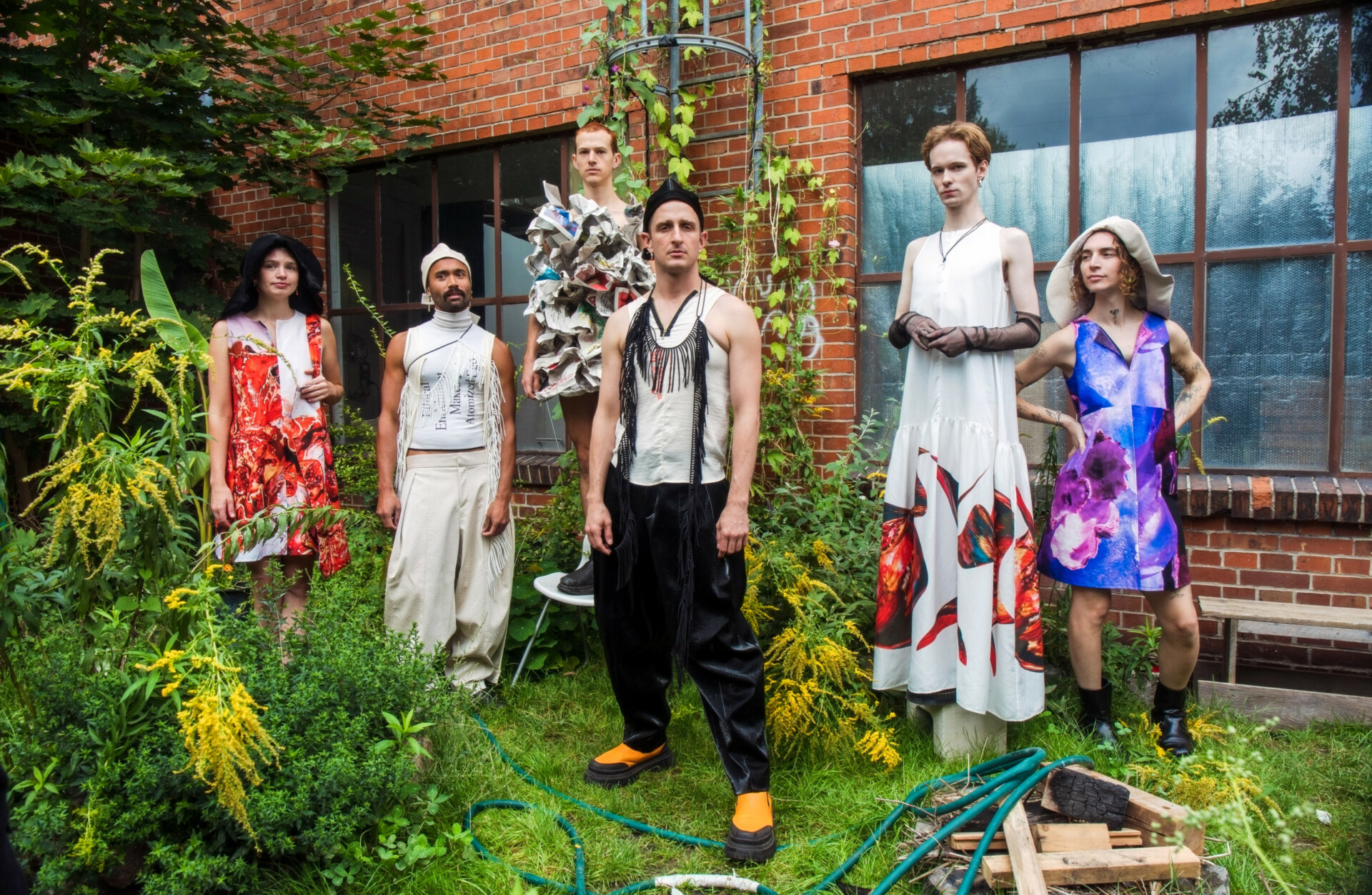
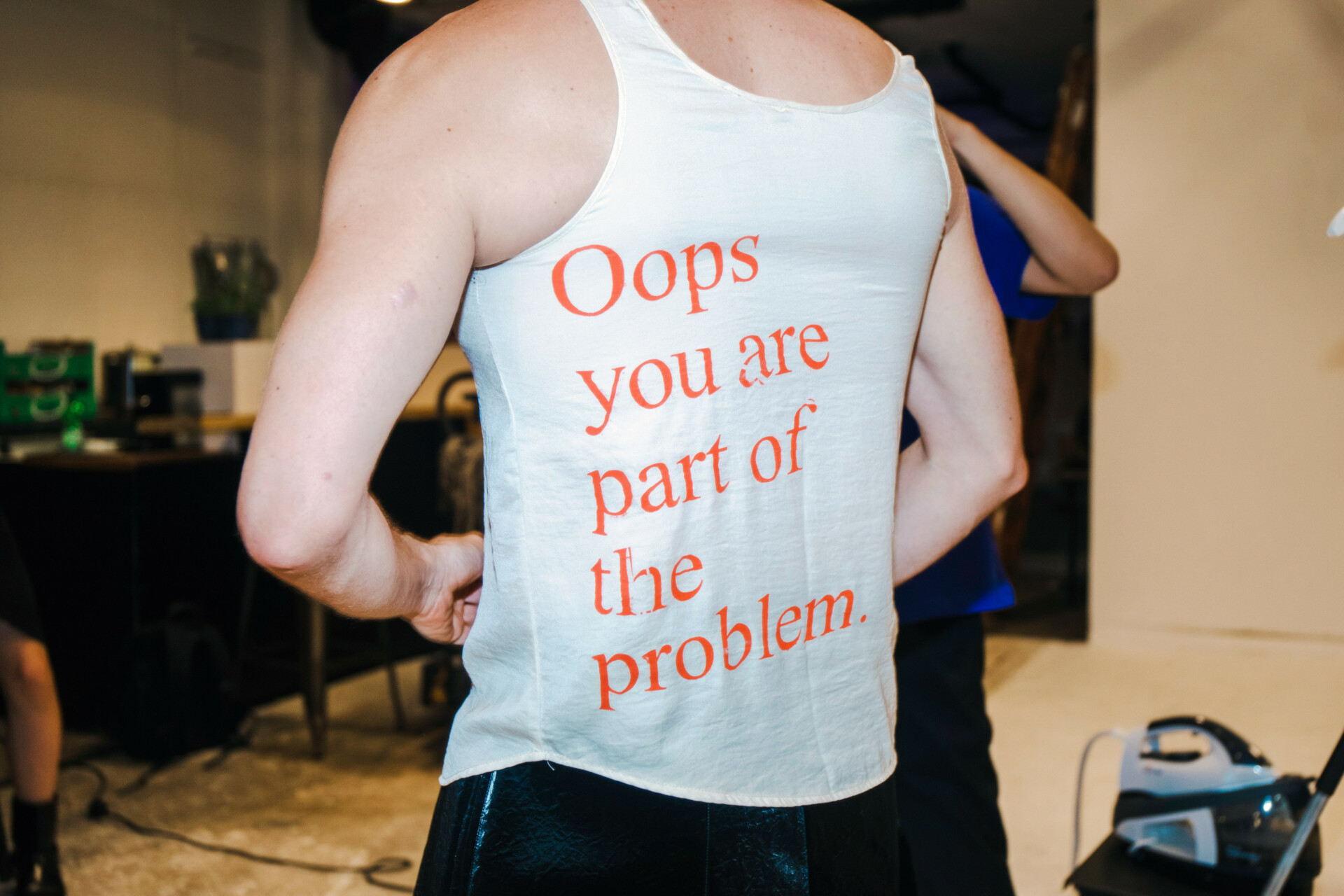
Flowing sensual silhouettes, adorned by vibrant prints resembling flowers, build an introduction to the collection Hotel Infinity von Acceptance Letter. A visualization of the essence of Berlin, maybe even a love letter to the city, the collection is an embodiment of how no matter where you’ve been, Berlin will always welcome you with open arms. Encouraging more acceptance, in all of its facets, Jakeyoung Shim, founder of the label, designs non-gender specific clothing that is also thriving to keep the fate of the world in mind by using recycled materials.
Photography by Hue Hale.
SLEEK: How was your experience as a Berlin based label to be showing your collection during Paris Fashion Week?
Jakeyoung Shim: It was exciting and terrifying all at once. It was my first season showing in Paris and so it was certainly a learning lesson. Showing the fashion world what I can do, my potential, felt very humbling.
S: How was showing in Paris different from Berlin?
JS: I have called Berlin my home for the past seven years. I know how things work here, from organisers to venues and models. Brutally speaking, you’re going in with absolutely nobody in an environment like Paris. You’re doing a little dance for people to pay attention to you. There is definitely a lot more comfort and humility in Berlin.
S: You’ve been designing for a while now, way before you founded Acceptance Letter. What was your impulse for founding your own label?
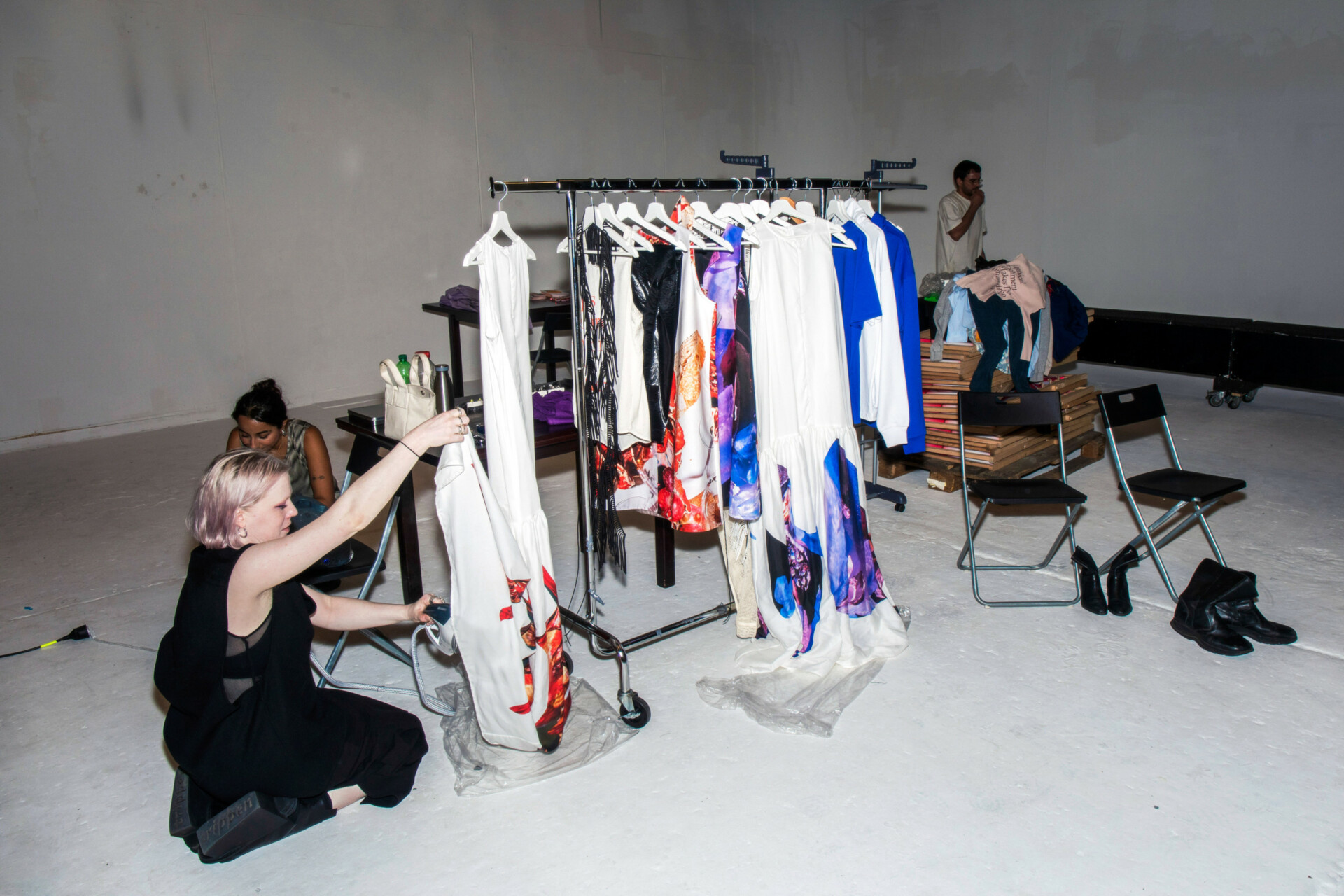
JS: I was freelancing for a while and I landed my first designer job when turning 25. It helped me to develop ideas, as well as how to network. Working with authentic inspirations has always been very important to me. These formative years being in the fashion industry allowed me to learn about my sense of authenticity. I wasn’t happy being freelance, I felt creatively frustrated trying to fulfil someone else’s vision. When the pandemic hit, I realised I wanted to work on my own terms and apply what I had learnt. This is how Acceptance Letter started; first it was in my bedroom, then I turned it into my studio, got another studio and now I have interns and an assistant. It grew quite fast but it has always been organic.
Photography by Hue Hale.
S: Acceptance Letter is creating non-gender specific clothing, almost like a proposal to more acceptance in the fashion industry. What was the process behind finding the name?
JS: Essentially, it is a document that is given out when you’re accepted into an institution, like a confirmation that you got to be part of something nailed down to a piece of paper. I wanted to extend that sentiment of assurance to my clothing and line of wearables.
S: With your clothing you also mean to create sensuality. What does sensuality look like for you?
JS: I think someone can look sensual even when they are covered in fabric and no skin is showing. Sensuality can come through when you are wearing a very tailored suit. Sensuality comes through when the wearer has their own vision on how a garment should be worn, according to their sense of identity. The word sensuality resonates better with me than sexy or bold.
S: When you design clothing, what do you intend for the wearer to feel?
JS: It comes back to authenticity. It can be glamorised and it also can be an extent of my lived experience, that’s how authentic output happens. Hotel Infinity is about my time and collaborating experience in Berlin, the next collection will be about navigating myself through life as a young gay man. Coming from lived experience, I can talk about it with full commitment and hopefully that translates to the wearer as well.
Photography by Hue Hale.
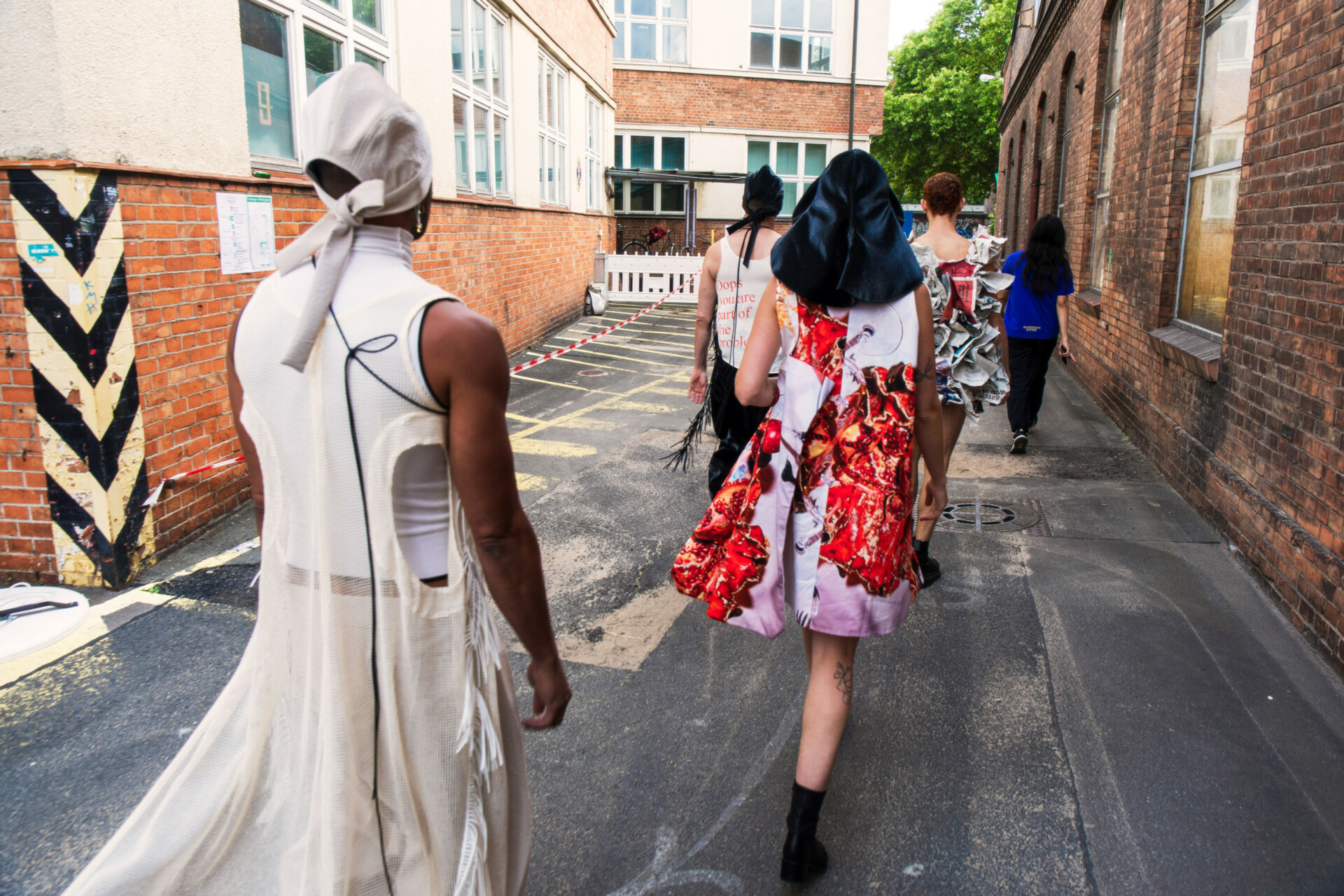
S: Your collection Hotel Infinity talks about Berlin being a welcoming space for creatives. Born in Seoul, you’ve been calling Berlin your home for the last couple of years. What brings you a sense of home?
JS: Quite a question for an immigrant [laughs]. I think home is a place where I can host dinner for my loved ones, where I know what’s where. A place where I have my community, not necessarily blood related people but the ones that I can always turn to, someone who is just a bus drive away.
S: Do you still find feelings of home in Seoul?
JS: It is still my home and I am actively trying to build a business in Europe and Korea. Soon, I am going back to run the production there. I really wanted to do that step, not only from a business perspective, but so that I will have more reasons to be home and have a life there as well.
S: Hotel Infinity also touches upon the topic of creatives coming and leaving Berlin. With the option of two homes, what attracted you to stay in Berlin?
JS: If you look into the history of Berlin and the city in the 20s, it has always served as a place of refuge for creatives, weirdos and people who didn’t want to follow the conventional system. You see that this level of acceptance is still there, people don’t measure you with your age, job or where you live. Since travelling more for work, I have noticed it doesn’t really work like that in other cities. There is no hierarchical power structure when I meet creatives here, I can speak to this person with no barrier in a bar on a Thursday night. That made me stay here.
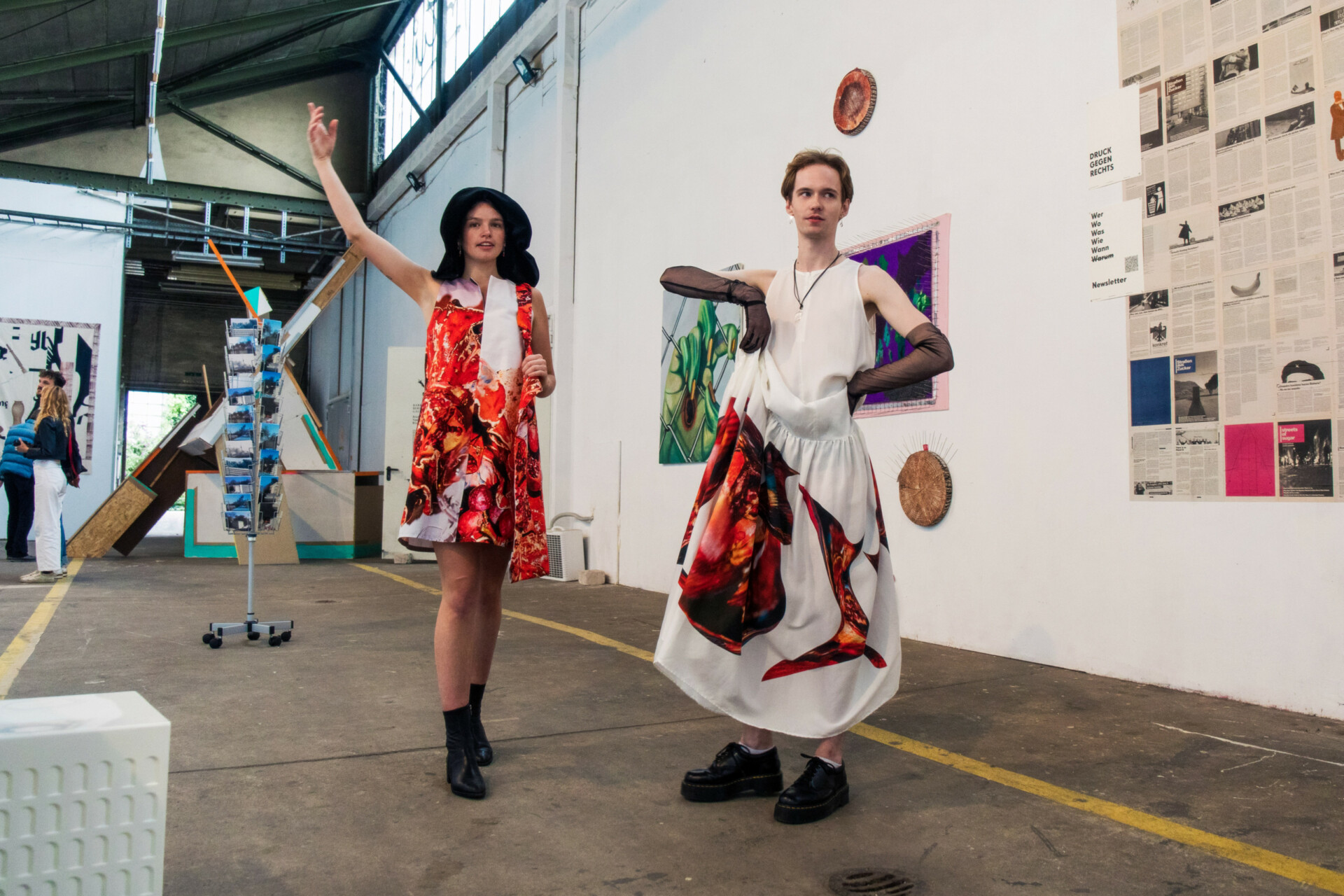
Photography by Hue Hale.
CREDITS
Fotografie: Hue Hale
Models: Imtiaz Ashraf, Jos McKain, Bully Fae Collins, Brianna, Nat Marcus, Ryan William Leo
Commissioner of Berlin Art Week Presentation: Arts Of the Working Class