& Über die Zusammenarbeit mit Lorde, Bad Bunny, Labrinth und anderen.
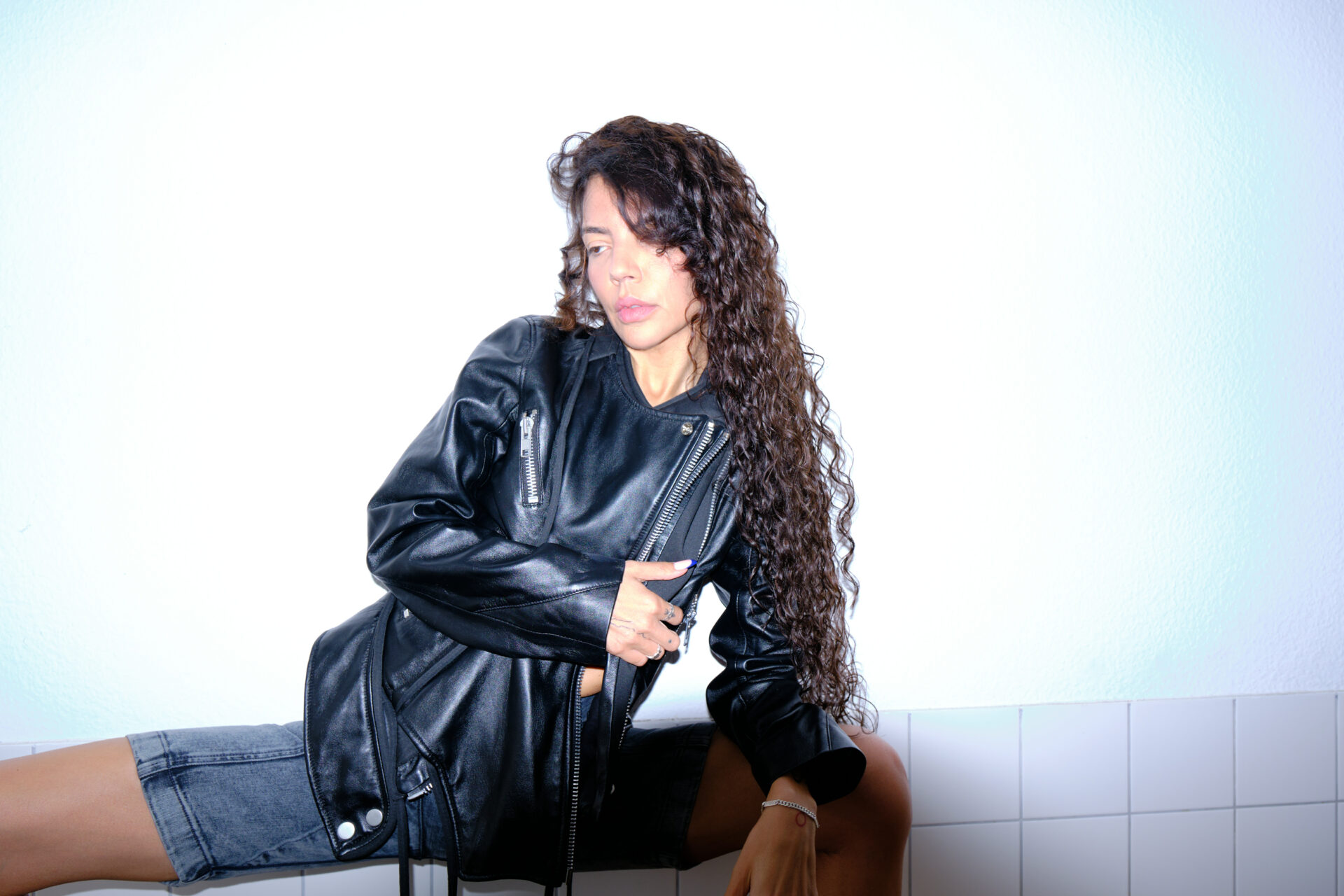
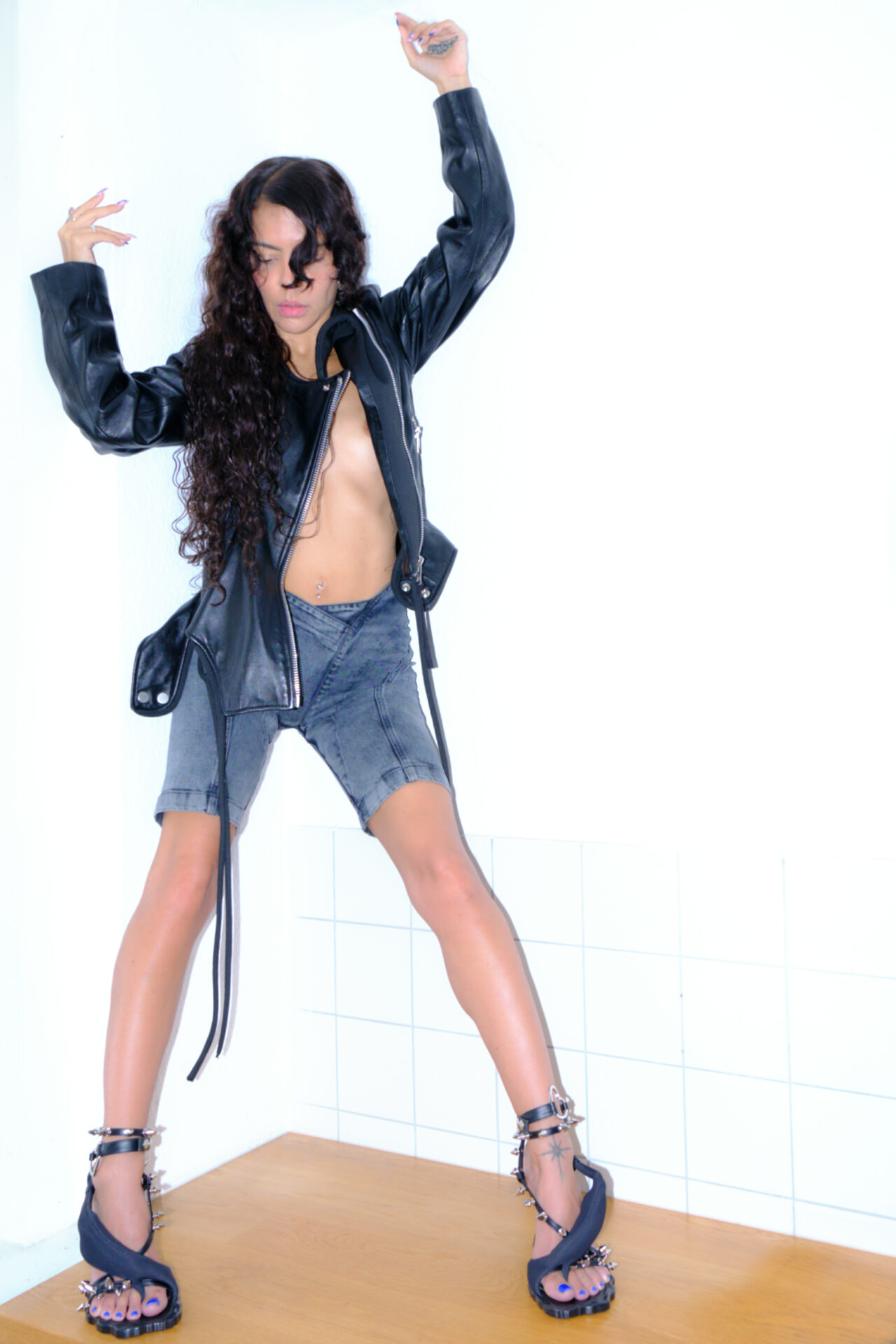
Als SLEEK zum ersten Mal mit Kianí del Valle im Jahr 2024, eines wurde sofort klar: Bewegung ist für sie viel mehr als nur körperliche Aktivität. Sie ist eine Art, die Welt zu begreifen, Identität und Emotionen sowie die Räume dazwischen zu erkunden.
Diese Einstellung hat die in Berlin und Los Angeles lebende Regisseurin, Choreografin, Tänzerin und Performance-Kuratorin aus Puerto Rico in nahezu alle Ecken der Welt geführt. Ihr Schaffen umfasst eine über 20-jährige Solokarriere in den Bereichen Theater, Film, Pantomime, Museen und ortsspezifische Inszenierungen sowie die Entwicklung ihrer eigenen KDV Performance Group, sowie Kooperationen mit namhaften Musikern, darunter Lorde, Travis Scott, Aphex Twin, Bad Bunny und Labrinth. Del Valle hat sich eine Karriere aufgebaut, die sich ständig zwischen verschiedenen Disziplinen bewegt. Damit hebt sie sich auf einzigartige Weise von anderen ab und ebnet einen Weg, wie man ihn unter Bewegungskünstlern in der Berliner und der Los-Angeles-Szene selten findet.
Ironischerweise begann ihre künstlerische Reise nicht mit dem Tanz, sondern mit Malerei und Bildhauerei. Betrachtet man jedoch heute ihr Werk, erscheint diese Entwicklung fast unvermeidlich. Jede neue Disziplin ist zu einer weiteren Sprache geworden, zu einer weiteren Ebene, auf der sie dieselben tiefgründigen Fragen zum Körper, zum Geist und zur Welt um uns herum erforscht.
Zwei Jahre nach unserem ersten Gespräch haben wir uns erneut mit Del Valle getroffen, um über alles zu sprechen, was sich seitdem ereignet hat. Wir trafen sie hinter der Bühne bei Lollapalooza, kurz vor Lordes Auftritt auf der Hauptbühne, bei dem Del Valle für die Inszenierung und die Choreografie verantwortlich war. Sie gab Einblicke in die Zusammenarbeit mit solch großen und spannenden Namen: “Bei Lorde ist der Prozess sehr ganzheitlich und experimentell. Ich würde sagen, er ähnelt meiner eigenen Arbeitsweise sehr, was bei der Zusammenarbeit mit einer Künstlerin wie ihr eher selten vorkommt. Es war wunderbar, wirklich, wirklich schön.”
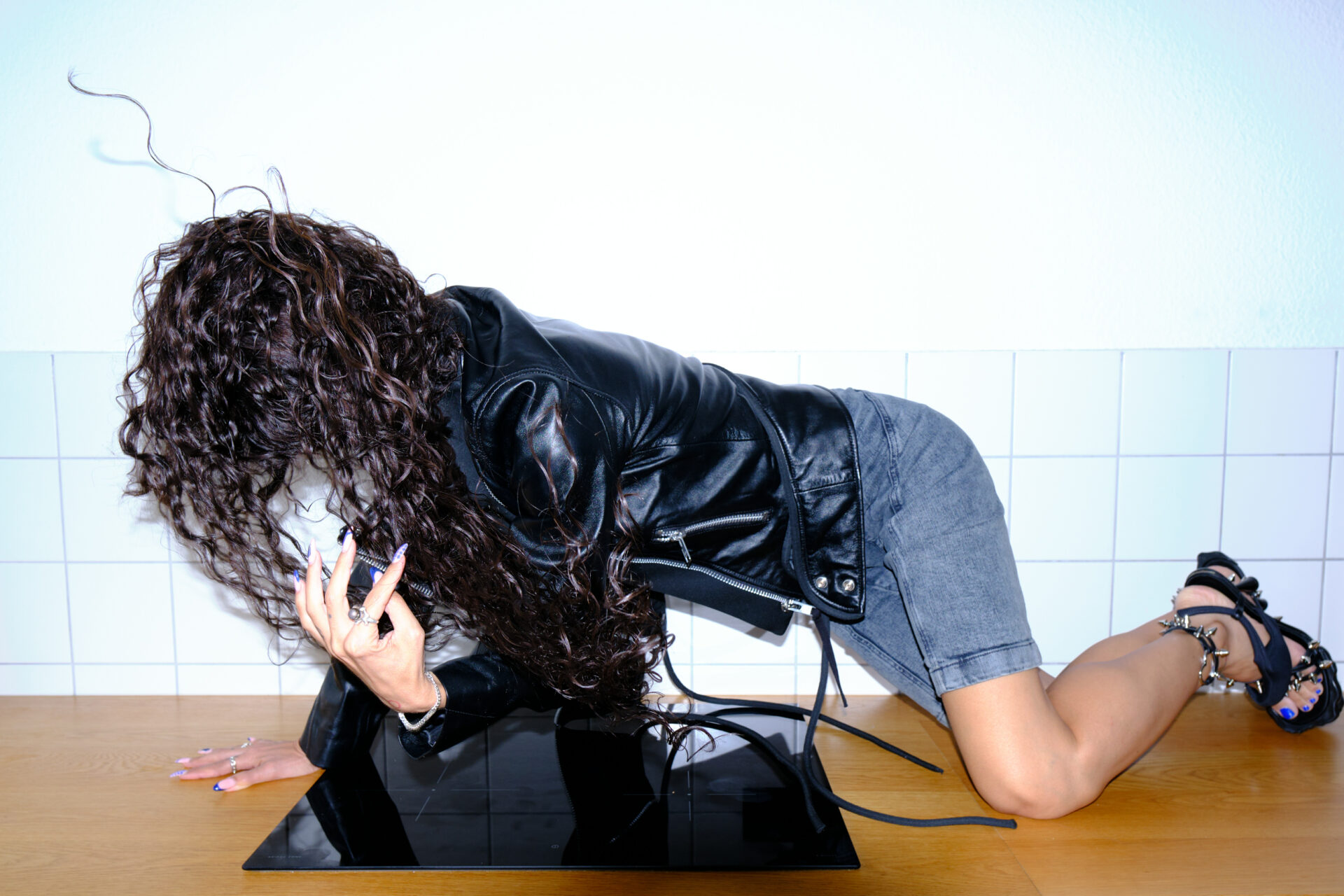
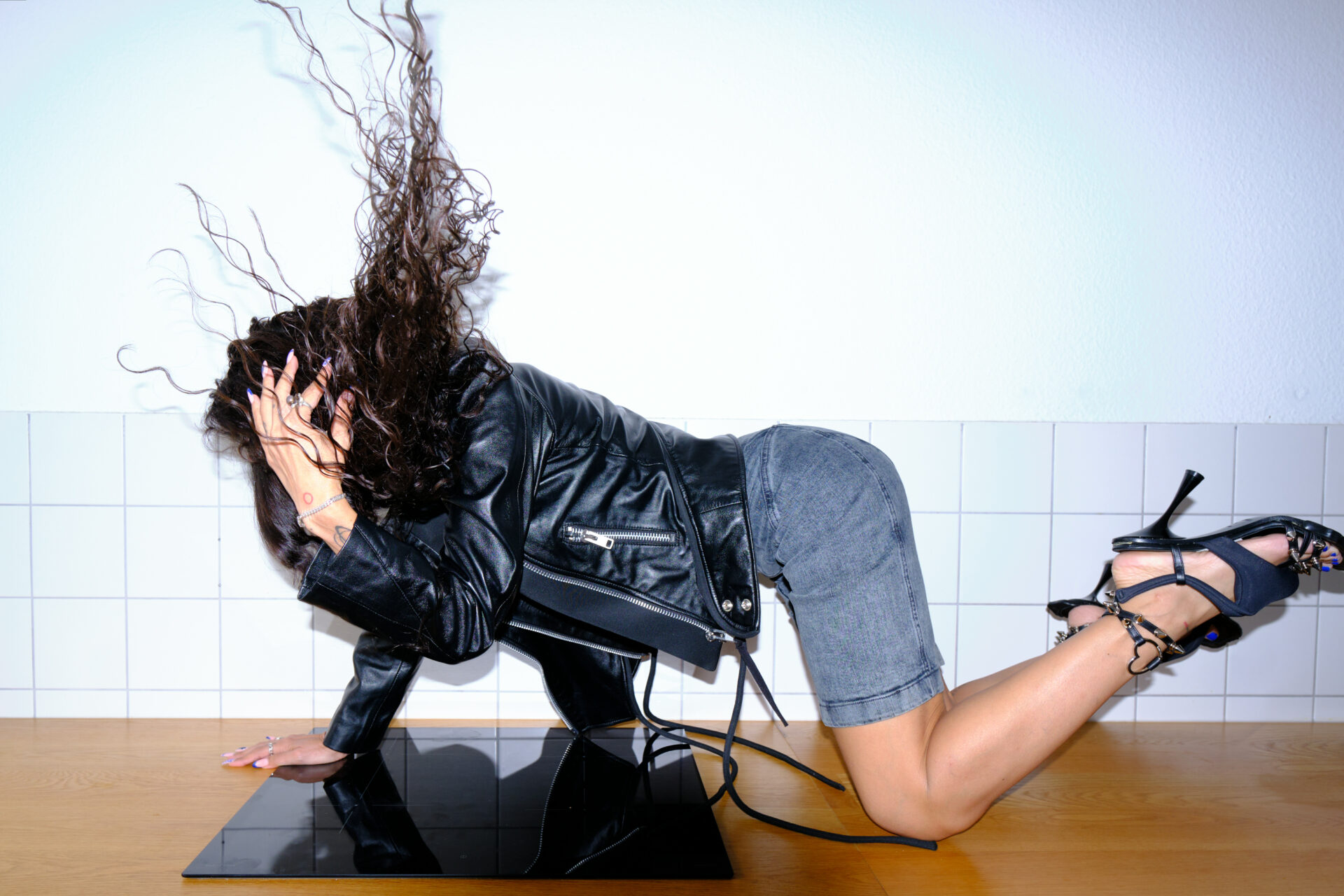
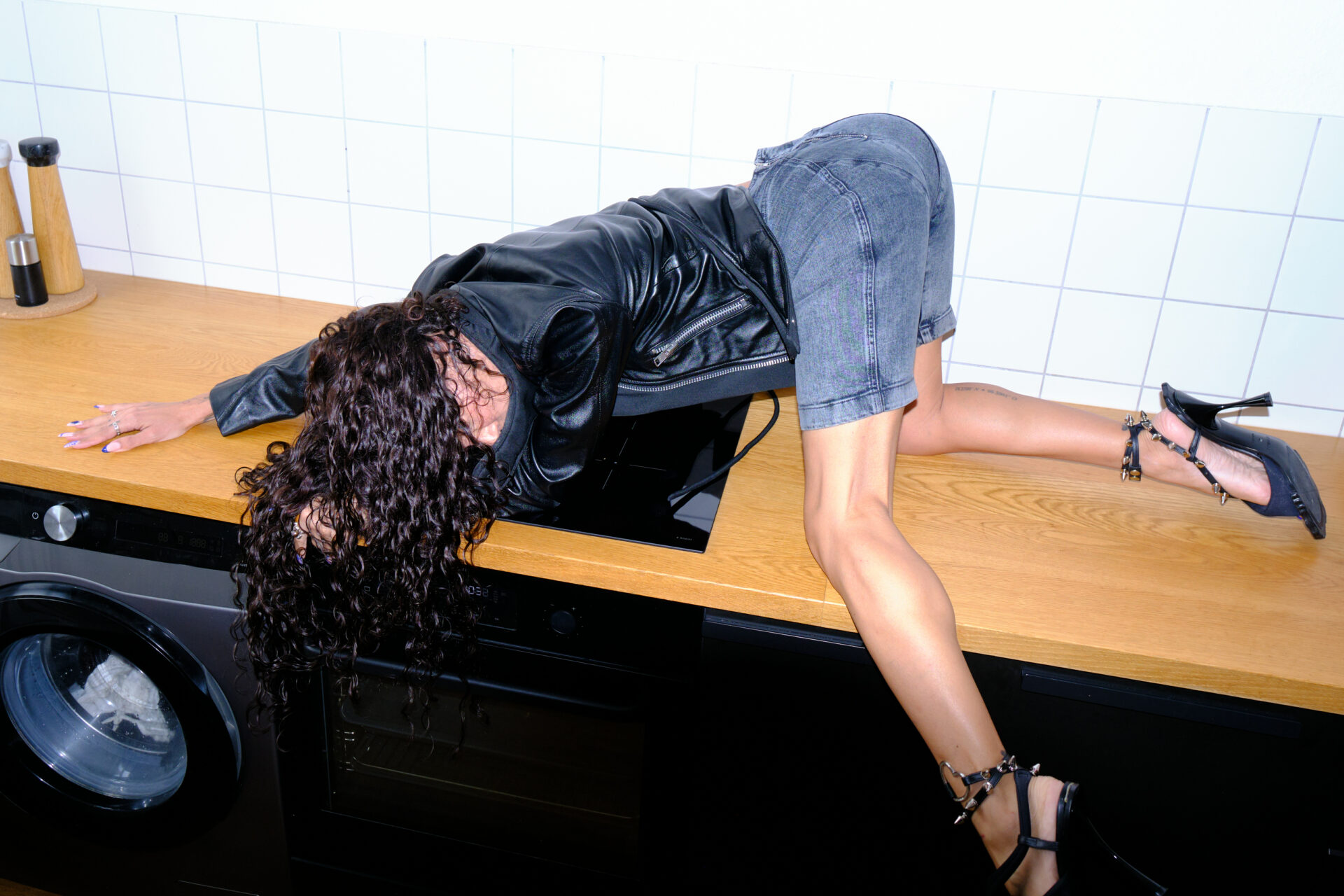
"Wenn man mit Künstlern zusammenarbeitet, muss man deren Universum verstehen, aber ich versuche dennoch, ein Gespür dafür zu bewahren, dass mein eigenes Werk im Universum des Künstlers seinen Platz findet." – Kianí del Valle
Viele von uns im Berliner Publikum haben diese Erkenntnis irgendwann einmal in einem der avantgardistischen Werke von Del Valle erlebt. Nehmen wir zum Beispiel die Halbzeitshow von Bad Bunny. Diese gewagte Stunt-Choreografie an der Stange, bei der Del Valles Universum ihn konzeptionell und körperlich still im Hintergrund unterstützte. Aber fangen wir von vorne an.
Die NFL-Halbzeitshow im Februar war ein Spektakel in einer ausverkauften Arena, 128 Millionen Menschen haben diese Sendung gesehen, womit es zum meistgesehenen Live-Fernsehauftritt der Geschichte wurde. Bad Bunny stand im Mittelpunkt und wurde nicht nur für seine Musik bewundert, sondern auch für sein Engagement, insbesondere für Puerto Rico und alle Menschen in Lateinamerika.
Als erster Künstler, der eine komplette Super-Bowl-Halbzeitshow auf Spanisch aufführte, hielt sich Bad Bunny in keiner Weise zurück. Versteckte Symbole, vielschichtige Anspielungen auf die Geschichte und Kultur Puerto Ricos sowie Gesten, die sich an die gesamte lateinamerikanische Gemeinschaft richteten, waren auf der fast 500 Quadratmeter großen Bühne allgegenwärtig.
Die Sendung begann mit weitläufigen Kamerafahrten über Zuckerrohrfelder und Arbeiter, vorbei an einem Piragua-Stand, bis hin zum Casita, das klassische puertorikanische Haus, dessen Türen für Familie und Freunde offen stehen. Dann der Höhepunkt: Bad Bunny, der auf einem Strommast steht. Hinter dieser dreiminütigen Stunt-Choreografie stand Del Valle, die als Puertorikanerin und Tochter von Aktivisten eine tiefe Verbindung dazu hatte. Ein ganzes Leben, eine Karriere und ein Lebensweg trafen in genau diesem Moment aufeinander.
Das Lied, das in diesem Moment gespielt wurde, war Der Stromausfall (engl.: „The Blackout“), über eine anhaltende Krise: den Zusammenbruch der Stromversorgung in Puerto Rico, der eng mit dem kolonialen Status der Insel und dem fast vollständigen Fehlen jeglicher Unterstützung seitens der Vereinigten Staaten verflochten ist. Jedes Jahr, 3,2 Millionen Einwohner sind von Stromausfällen betroffen. Der längste Stromausfall in der Geschichte der USA war der fast einjährige, den Puerto Rico nach dem Hurrikan María erdulden musste. Die Reaktion der US-Regierung? Nichts. Die Einwohner brachten sich selbst grundlegende Elektroarbeiten bei und begannen, unter Spannung stehende Strommasten zu erklimmen, wobei sie ihr Leben riskierten, um die Stromversorgung wiederherzustellen.
Bad Bunny, der dort auf der Stange thronte, stand symbolisch für jeden Menschen, der ohne Strom gelebt und unter den Folgen eines zerbrochenen Kolonialstatus gelitten hatte. Zu den Betroffenen gehörten auch Del Valle und ihre Familie. “Der Song, den ich bekommen habe, ist sehr politisch, daher habe ich eine große Verantwortung gespürt und mich darauf konzentriert, meine Sache gut zu machen. Das ganze Ausmaß der Sache wurde mir erst bei der Generalprobe richtig bewusst. Ich war sehr angespannt und habe mich darauf konzentriert, meine Zeit so zu nutzen, dass in diesen wenigen Minuten das Herz und die Stimme des puertorikanischen Volkes zum Ausdruck kamen”, sagt sie.
Für Del Valle ist Bewegung die Grundlage ihrer Arbeit. Sie ist die Sprache, die allem anderen zugrunde liegt. Sie beschreibt ihre Kunst als die beste und ehrlichste Form der Kommunikation für sich selbst, als Übersetzung dessen, was sie fühlt und wahrnimmt, wobei sie gelebte Erfahrungen, Emotionen und Beobachtungen in Bewegung umsetzt: “Bewegung ist im Grunde das Mittel und die Sprache, die mir die größte Freiheit gibt, das auszudrücken, was ich mit Worten nicht in Worte fassen kann.”

In den letzten Jahren hat sie ihr Fachgebiet auf die Bereiche Regie und bildende Kunst ausgeweitet. Derzeit leitet Del Valle Tourneen für aufstrebende Talente aus Puerto Rico. RaiNao und Young Miko, womit sie ihren Lebenslauf als einzige weibliche Showregisseurin großer Musikveranstaltungen aus Puerto Rico im vergangenen Jahr weiter ausbaute. Ihre Arbeit für Superstars Lorde und Labrinth wird sich im verbleibenden Teil des Jahres 2026 fortsetzen.
In ihrer eigenen künstlerischen Praxis steht Del Valle in diesem Jahr kurz davor, einen der größten Museumsaufträge ihrer Karriere umzusetzen. Im September wird ihre Tanzkompanie KDV Performance Group präsentiert ein neues Werk im Berliner Neue Nationalgalerie, während sie gleichzeitig weiterhin mit ihrem Soloprogramm auf Tournee ist Von Hexen und Geistern mit einer Komposition von Ziur und Pitch Pigeon Puerta unter der Komposition und Co-Regie eines langjährigen Kollegen Kelman Duran und AGF.
Bemerkenswert ist, dass Del Valle in der Berliner Szene zudem eine der wenigen Choreografinnen ist, die in den letzten Jahren von einer Galerie unter Vertrag genommen wurden. Ihre Vertretung durch die puertorikanische internationale Galerie Botschaft Dies führte zu ihrer eigenen Einzelausstellung mit ihren choreografischen Zeichnungen, die sie bis zur Material Art Fair Mexico brachte und nun, im Dezember, zur Präsentation neuer Video- und Zeichnungsarbeiten auf der NADA Fair Miami im Rahmen der Art Basel Miami.
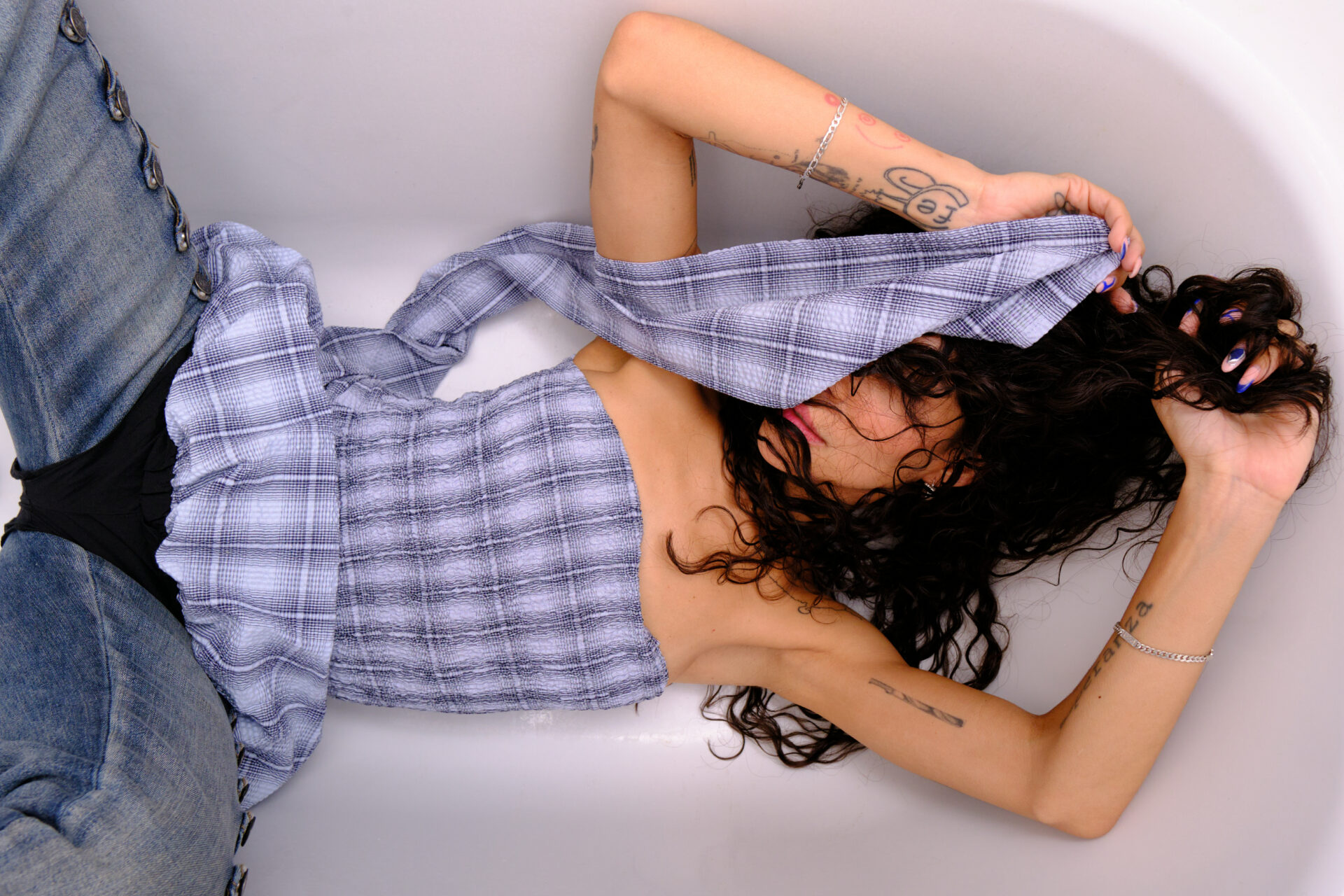
Ausgerechnet in Berlin hat diese Praxis wirklich Gestalt angenommen: “Berlin hat mir meine künstlerische Praxis ermöglicht”, sagt sie. In New York, Los Angeles und London jonglierte sie mit drei Jobs, nur um ihrer Leidenschaft für die Kunst nachzugehen. Puerto Rico ist ihre Heimat, dort, wo alles begann und wo die Wurzeln ihrer Forschung und ihrer Identität liegen. Aber Berlin verlangte diesen Kompromiss nicht von ihr. Die Stadt gab ihr Jahre Zeit, sich auf ihren Weg zu konzentrieren, ihr eigenes Unternehmen aufzubauen und eigene Werke zu entwickeln.
Diese Präzision begleitete sie auch beim Lollapalooza-Festival. Für Lorde entwarf Del Valle eine Choreografie, die zurückhaltend und fließend wirkte und andere Acts im Vergleich dazu blass erscheinen ließ. Dreizehn Jahre von Lordes Karriere wurden in einem einzigen Auftritt zusammengefasst – eine Mischung aus Intimität und Nostalgie, untermalt vom elektronischen Puls von Solarenergie. Man konnte spüren, wie das Gesamtwerk von Del Valle selbst in der Bühnenshow dieses großen Popstars weiterlebte. Eine elektrische Energie, die in jeder Bewegung auf der Bühne spürbar war.
Das ist es auch, was nach dem Betrachten von Del Valles Arbeiten nachklingt: das Gefühl, dass sie wirklich versucht, das Universum eines Künstlers zu verstehen, anstatt lediglich die Zeit zwischen den Songs zu überbrücken. Gerade in einer Zeit, in der Choreografien darauf ausgelegt sind, virale Momente zu schaffen, offenbart ihre Arbeit die tiefgründigen Geschichten, die nur Bewegung erzählen kann.
Bei SLEEK berichten wir seit fast einem Jahrzehnt über Del Valles Arbeit und ihren Werdegang in der Berliner Szene. Es ist wunderbar zu sehen, wie diese Arbeit sie in den letzten Jahren auf die internationale und globale Bühne gebracht hat. Wir sind schon sehr gespannt, wie es weitergeht.
CREDITS
Fotografie: Valentin Dobrun
Styling: Asya Urazbakhtina
Besonderer Dank gilt Timo Kreitz, Ottolinger