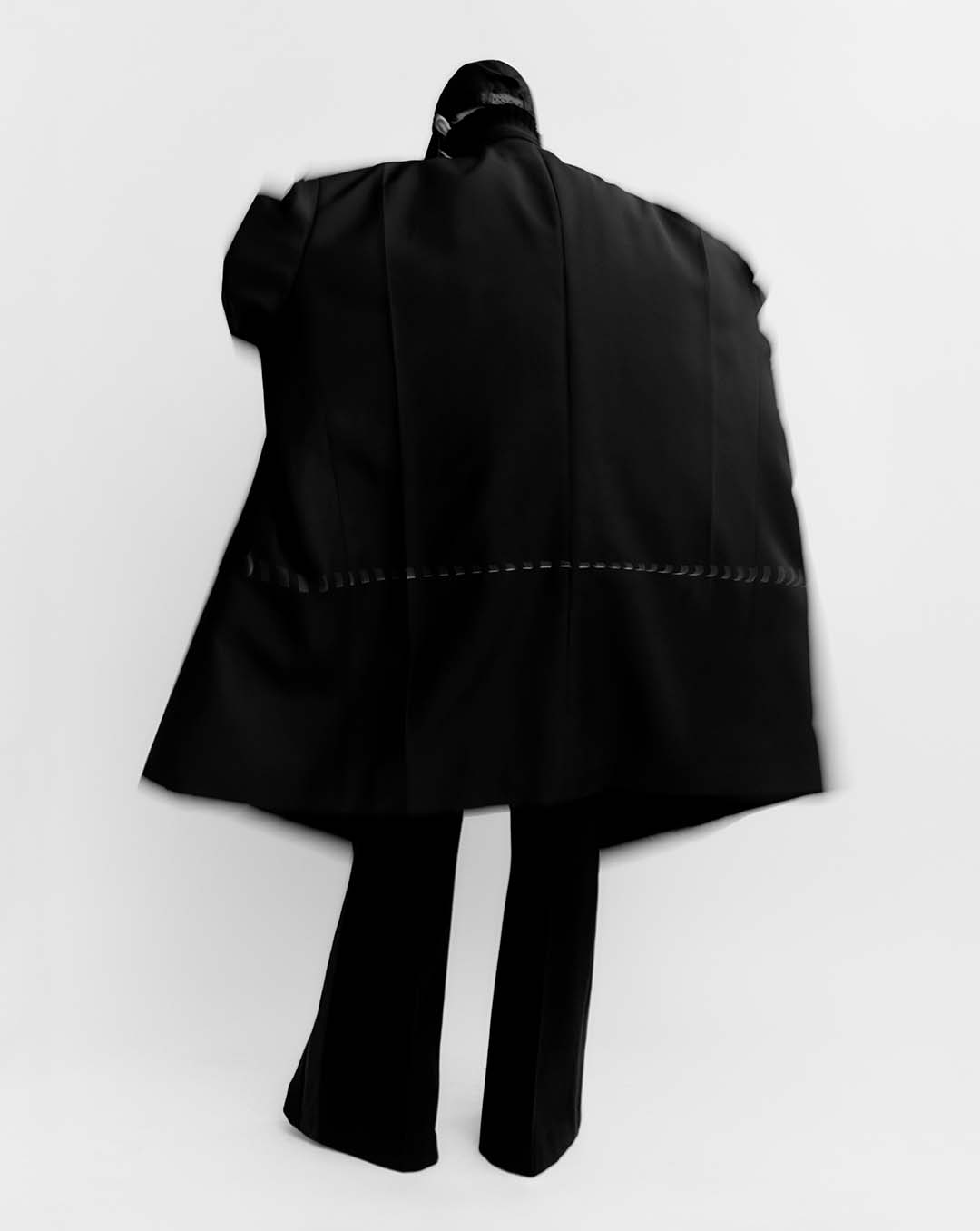
After inviting designer Peter Do and his label’s collective to speak to us over the summer, we began a very special kind of collaboration. Born in Vietnam and based in Brooklyn, Peter honed-in on an idea that really reflected his group’s story. What these friends create in their studio is a necessary, inspiring, free and uninhibited path towards creative work where community is always at the fore.
SLEEK: It’s touching that your label is a collective run by friends. How did you form this ‘togetherness’? And can you describe the moment when you all came together again in the studio after the lockdown?
Peter DoThinking back to that time, I’m at once surprised and proud of the way we got through that period of uncertainty. We were really living and working day by day, not knowing what the next day might look like for the world. When all of our communication had to take place over Zoom, there were a lot of logistical issues that were hard to overcome, including fabric meetings and fittings. But the second we all got back into the studio … there was immense joy to just be in the same room physically with one another and with the garments. We realised the value of being able to work together in person and made the most out of every second of the day.
S: You said that you have created your own rules; that you stick together and keep your independence. How does that fit in with the fashion world?
PD: We’ve always done what felt right to us as a company and a family from the very beginning. There are a lot of rules in the fashion industry but we do our best to stay true to what we feel is right. A lot of brands are taking more control over the way they operate, from wholesale to e-commerce and PR – the industry is slowly responding to that as well.
S: As a designer, how free can you really be from the fashion industry?
PD: We often speak of the industry as an entity, but we’ve met nice people in the industry. There have been people who have taken a chance on us, including editors and buyers who were excited by this ‘young kid on the block’ and gave us a chance. As a whole, we’re not a niche brand. We still show two times a year, speak to the press [ourselves] and are still in [direct] conversations with stores. So we’re still within the industry. We do things that are a mix of old and new school. To me, there’s a fine balance between being on the inside versus the outside.
S: You described your collective as ‘outsiders’. Is that an advantage?
PD: I still feel like an outsider, even if we’re at the head of the table it doesn’t mean we’re seen. I think it’s nice to not completely be on the ‘inside’, so to speak. But in general we don’t feel natural being in the structure at hand. There’s a validation to being on the outside, but it doesn’t always validate your work. There are people doing good things who aren’t included at the table. I don’t think being an outsider is a negative thing. We want to do things our own way and figure things out on our own timelines. We have space to do it because we don’t follow a system completely. Even for the show [at this year’s New York Fashion Week], it was the first time we were on the official calendar. Even then it was a struggle to conform to having a show in Manhattan, but the most important part for us was to show in Brooklyn, which is our home. Rules change overtime and we want to be part of changing the norm.
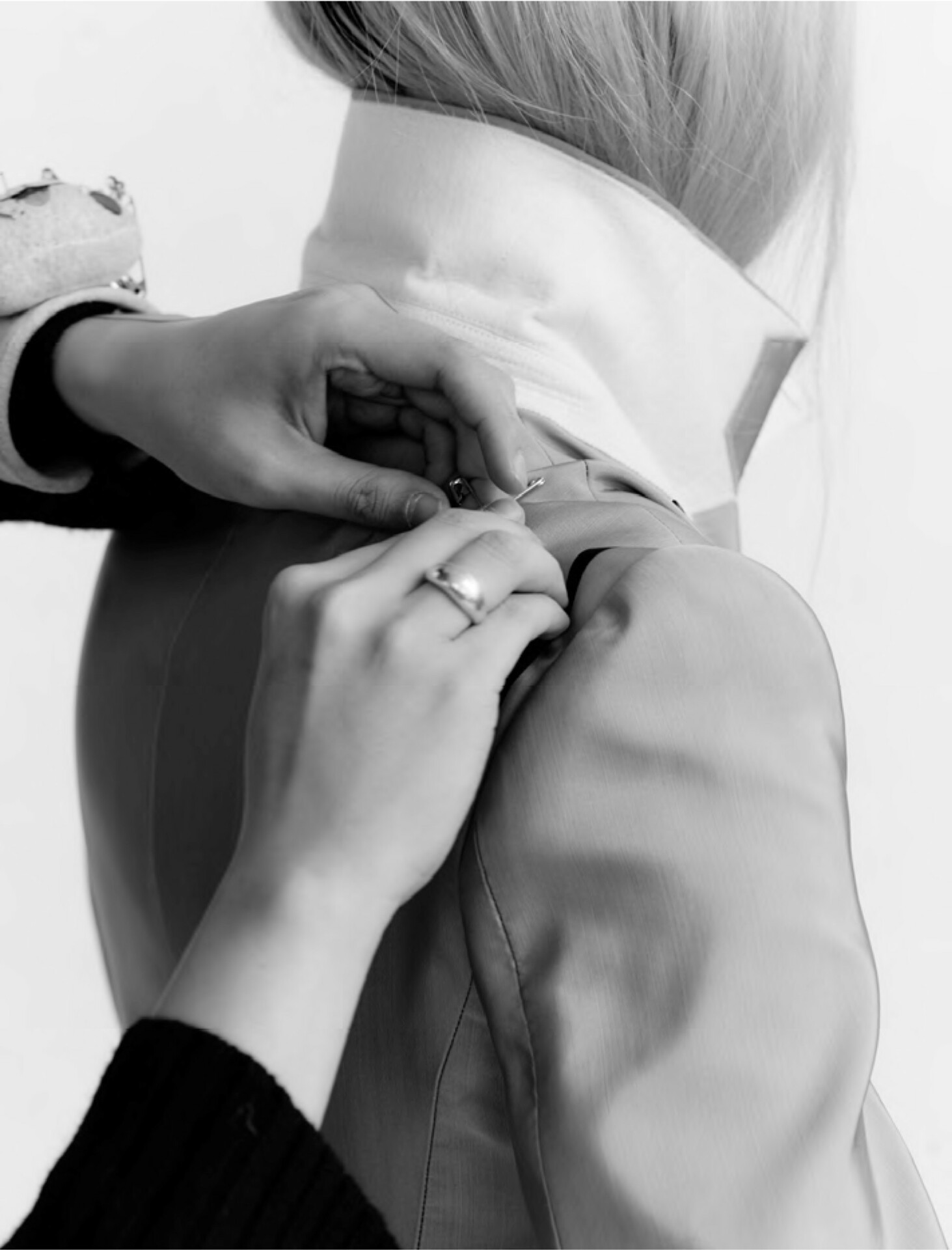
S: I notice that you bring your social and cultural values into the label. By this, I mean that you consciously and openly say what concerns you and where you want to take responsibility.
PD: As individuals, we all care and invest our time into contributing to social causes, no matter how big or small. I think it’s important that, as a brand, we should use the platform to do what we can for our communities. Jessica Wu, our press director, has been a loud voice in various social causes via her Instagram platform, and it’s only natural that we amplify that voice.
S: How do you want to influence change?
PD: We’re not here to prove a point but to do the things we feel are right. There are things we don’t agree with and we don’t do it. It’s simple. We’re not doing this because we want to change the industry, but to make space for ourselves and our community to do it another way. There are some positive things to that and people see that we’re doing things our own way. At the same time, sometimes it’s just not possible to do certain things. But there are a variety of ways of doing business – treating people, hiring people. We’re not doing things just for the sake of change. I want to lead with producing good work and be recognised for it. I see myself first and foremost as a designer and garment maker. Now, I’m focussing all my energy toward making clothes – and letting the clothes speak first.
S: Fashion, after all, is not just about the clothes themselves, but about feelings. It’s about fears and society itself as well – a narrative. Do you see it like that, too?
PD: I feel like sometimes there’s too much pressure for brands to express all of these changes at once. Sometimes I want to make beautiful things and for those things to contradict … that’s what I love to do. It has been a positive change to focus again on the clothes, especially this year. I think clothes and the construction of clothes speak to the things you mention – feelings, fears and a story, a narrative.
S: The extent to which we communicate through our clothes also makes fashion very powerful. What sort of ‘codes’ do you use?
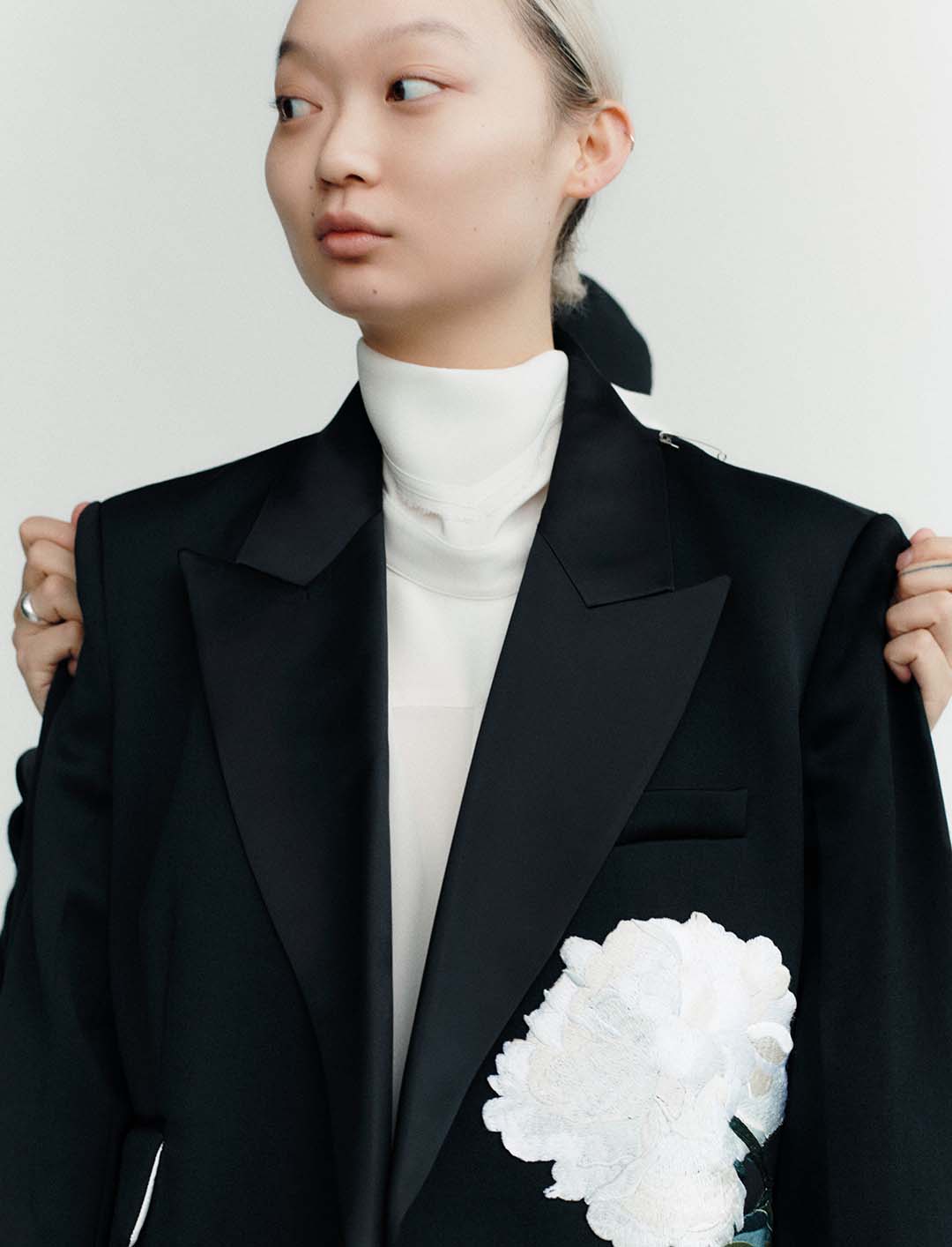
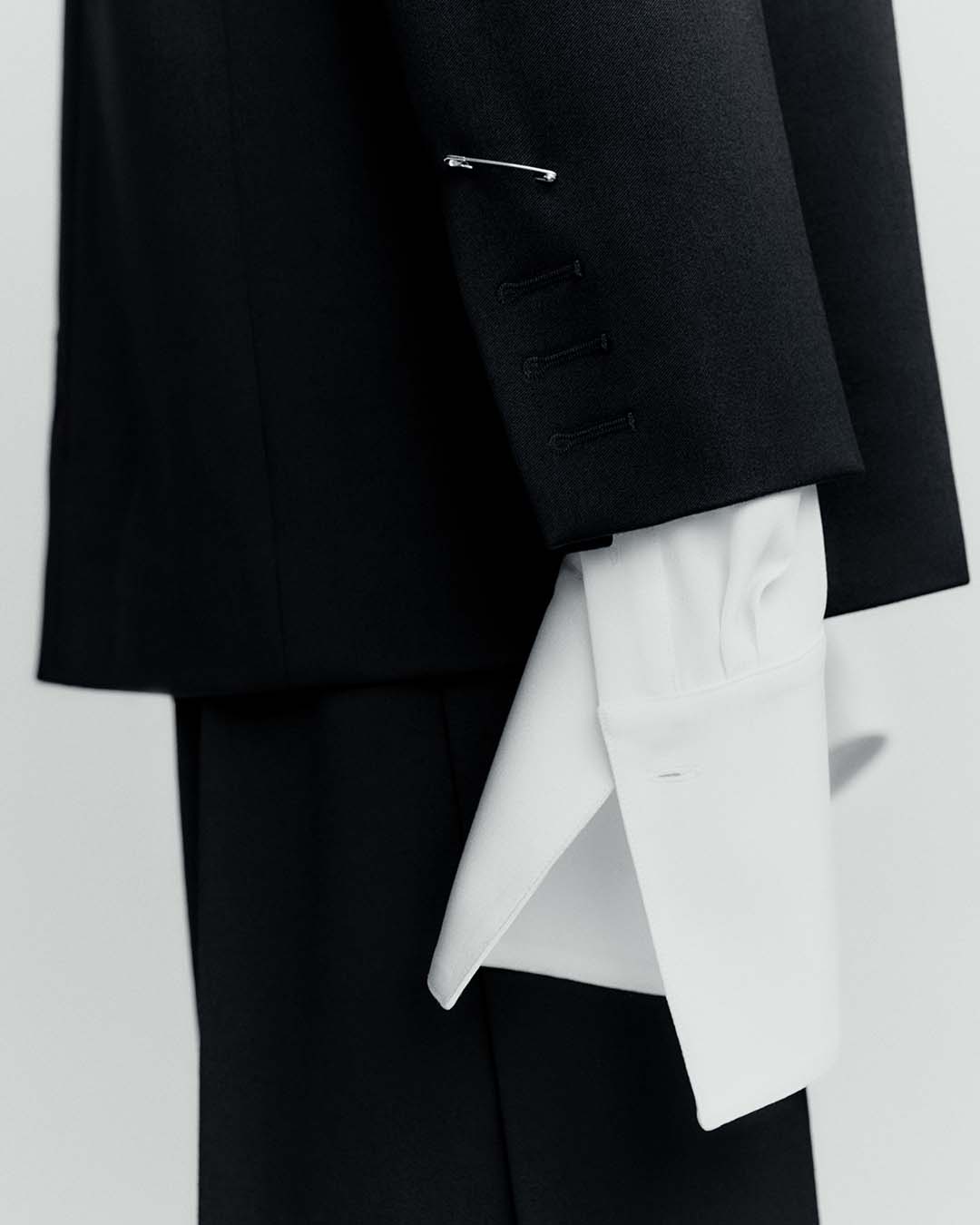
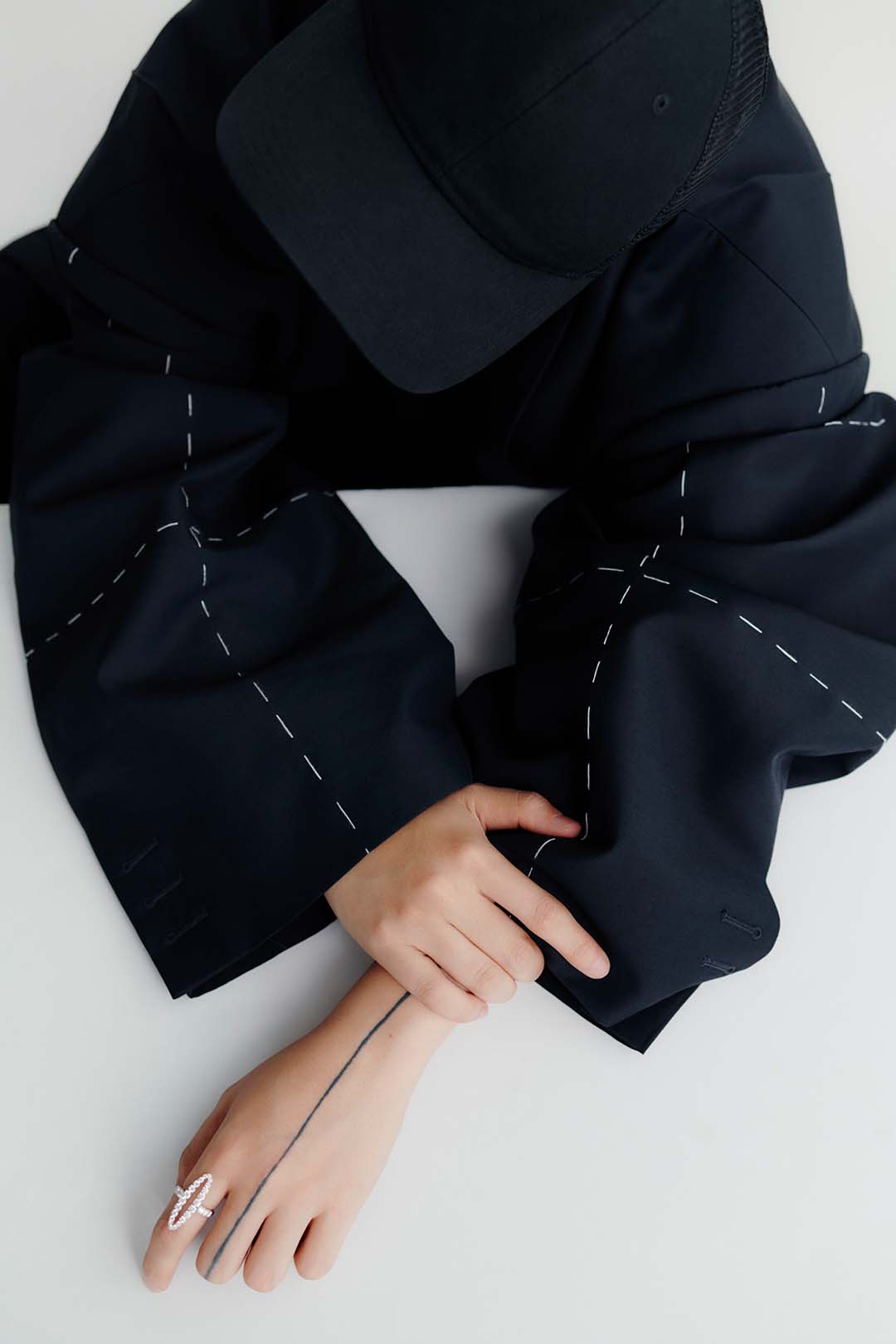
PD: Tailoring is still the code. Something I always go back to is that the clothes have to do a lot for you. For women, they need to adapt and be versatile. Clothing that can adapt depending on women’s lives. She can adjust the level of drama to reveal more skin. There’s a level of adaptation built into the design.
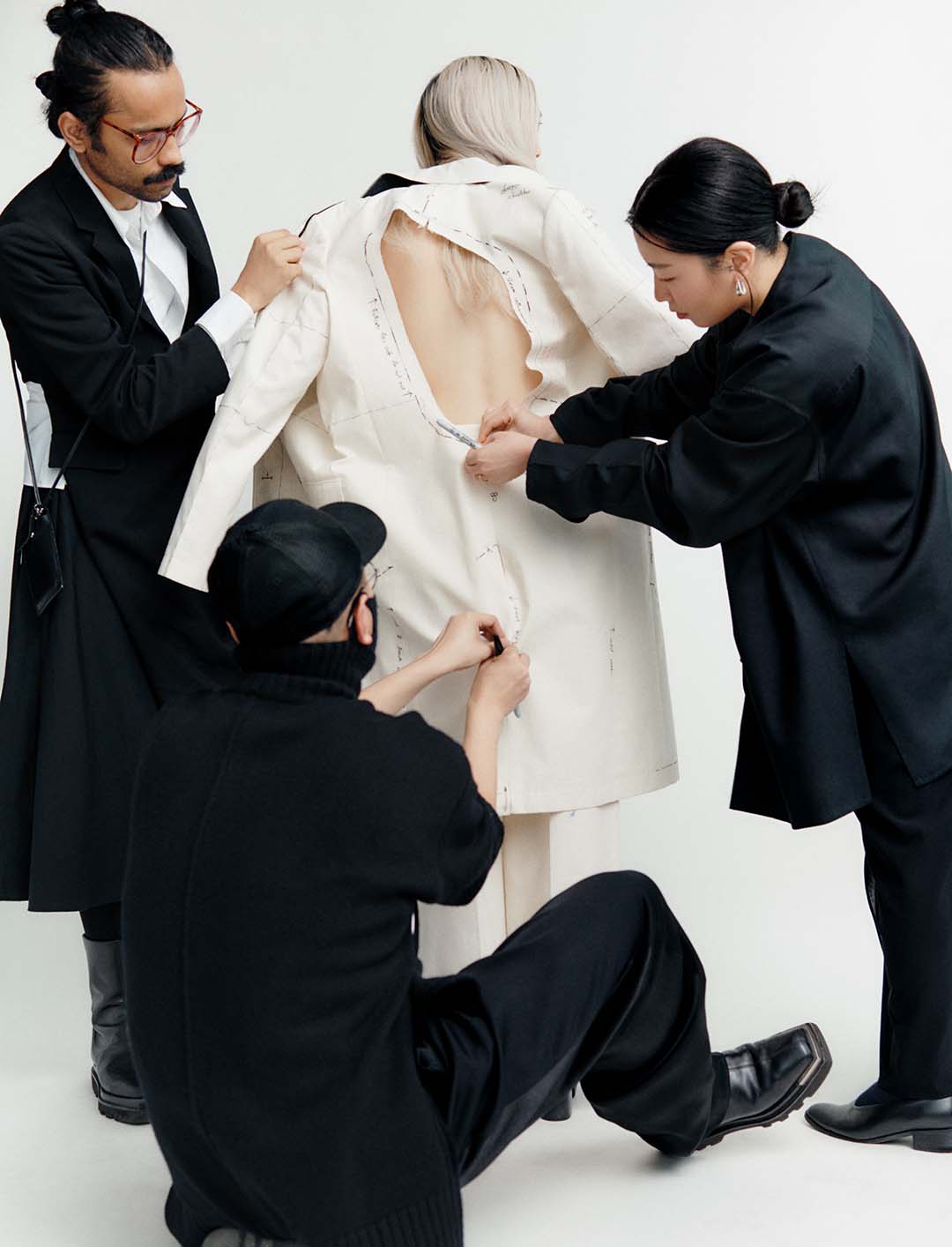
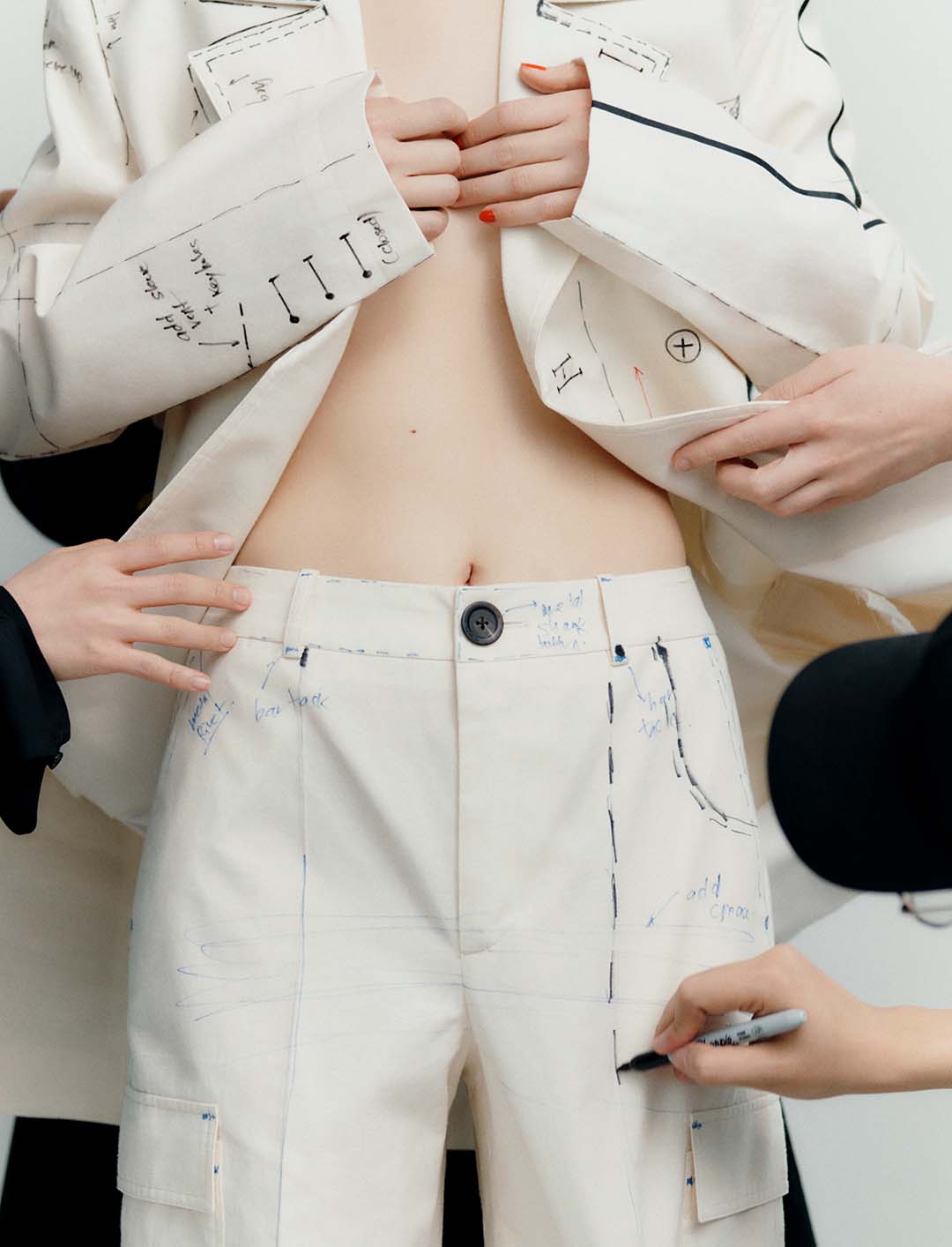
S: Which fashion references inspire you?
PD: I’ve spoken about this before, but Irving Penn’s Small Trades (2009) is something I always go back to whenever I think about our relationship with fashion. The book is about everyday people and their uniforms – what they wear when they work. It’s about functionality. I was attracted to the way people dressed in different industries, garments that are lived in with each detail serving a particular function. A lot of the elements were about protection, which is what clothes are primarily meant to be.
S: How has New York influenced your work?
PD: To me, New York represents freedom. Since living here for 10 years plus, I’ve learned a lot about the city, especially the people here. I’ve met some of my closest friends here, including those who have been a part of the Peter Do [label] journey. The chaos of this city gives off the kind of energy that drives me to do what I do. There’s a duality of strength and vulnerability about the city that inspires me.
S: What is your current collection about?
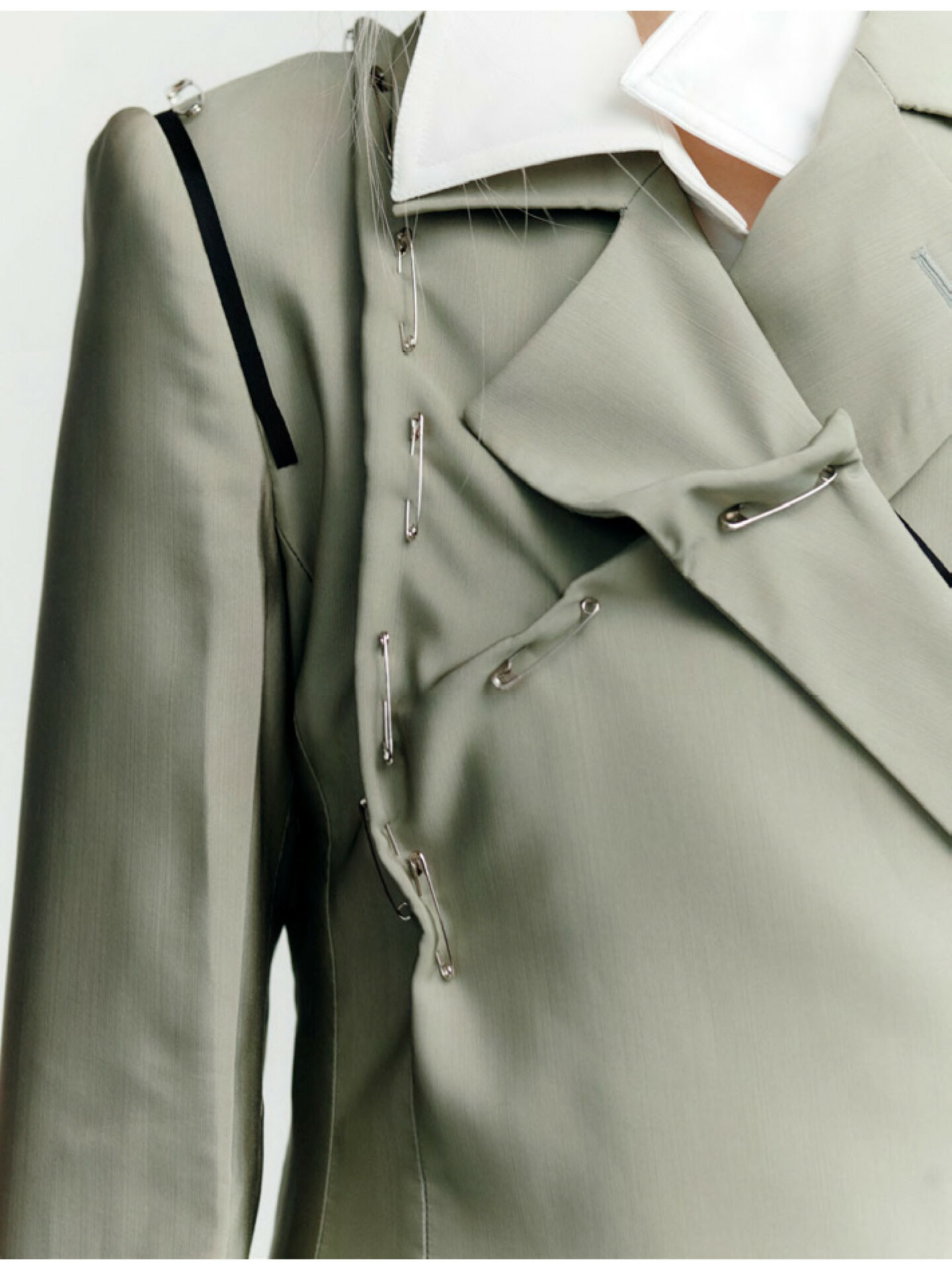
PD: Spring/summer ’22 is a culmination of everything we’ve done since the brand’s establishment in 2018. Each look comprises a collective memory of where we are from, going all the way back to my home in Vietnam. Elements of Vietnam come through as fragmented memories … things that have remained vividly in my head since leaving, like the softness of silk in the summer heat and the sound of water flowing through the rivers. This collection continues to speak to our collective vision of strength but is enunciated through softer tailoring. It’s a celebration of our perseverance throughout these difficult times, and we thought that this collection should speak to the past, present and future.
S: How do you see the relationship between the digital and ‘real life’ in your work?
PD: In real life, the brand was built via digital-first and ideas were exchanged this way; with the physical show, it was a reaction against being so digital, especially coming-out of Covid. For our first show, it felt like the time to have a physical presence and to see the clothes move with the casting and music. We can exchange ideas through both digital and the physical, that’s the hybrid way we all navigate.
S: Your colour palette is very ‘readable’. Where do the black, white, earth and stone tones take you? Is there a narrative to them?
PD: In the first years of Peter Do … They allowed us to focus. It’s hard to see garments when it’s an emotional colour. The neutrals are a good base for me to focus on the fit, on the fabric – it’s less distracting. Colour can come in later when it speaks on an emotional level. We use it with purpose.
S: Do you keep an archive of all your inspirations and work ?
PD: We physically archive all of our collections.
S: What music are you currently listening to ?
PD: In the studio everyone listens to different kinds of music but I prefer to [either] work in silence or listen to a song that I love on repeat, obsessively.
S: Would you like to come to Berlin?
PD: Definitely, yes, in the future.
Wie vorgestellt in SCHLANK 71 - MACHT.
Kredite
Fotografie: Bastian Achard
Produktion: Studio 11:40/Ronja Prinz and Pia Domkowski
Photography Assistant: Ross T.Zavoyna
Besonderen Dank an Jessica Wu, Cynthia Leung, Nancy Xu, Peter and the whole Peter Do team.