At Artissima 2026 in Turin, Present Future curators Joel Valabrega and Léon Kruijswijk explore labour, technology and the fragile boundaries between human and non-human. In conversation with our managing editor Nisha Merit, they reflect on the tensions between art and commerce, the intimacy of industrial materials and what it means to make art for an uncertain future.
What does it mean to create in an industrialised society today? For the third consecutive year, Joel Valabrega and Léon Kruijswijk have curated Present Future, Artissima’s section dedicated to promising artistic practices. Bringing together ten solo presentations, this year’s edition explores experimentation with materials, techniques and technologies, understood in the broadest sense, from digital processes to traditional craftsmanship. At its core lies labour, both human and technological, and the traces it leaves behind.
Rather than approaching the section as a conventional art fair presentation, the two curators, both coming from institutional backgrounds, think of it as something closer to a group exhibition. “We try to work with the section as if it was a group show, we’re considering it beyond the art fair,” explains Valabrega. The result is a constellation of individual artistic worlds connected by questions of labour, transformation and endurance.
This year, the curators also placed particular emphasis on geographical diversity, bringing together artists and galleries from across the world. The selection spans emerging and more established galleries, including Yehudi Hollander-Pappi from São Paulo, A+ Works of Art from Kuala Lumpur and Management from New York. For Valabrega, this international perspective is an essential part of the section, opening up conversations between different artistic contexts, generations and approaches to making.
But how does one curate within a commercial setting while maintaining artistic autonomy? For Kruijswijk, the boundaries between the institutional and commercial art worlds are increasingly difficult to separate. With public funding being cut and institutions becoming more dependent on private initiatives, these relationships are not only unavoidable but potentially productive. “You can dream further,” he says of institutional work, where the concept can take precedence over sales. At a fair, however, different considerations come into play.
Valabrega agrees. “The main difference is that you are inviting artists and galleries to participate in something, but there’s an economic commitment, which changes the game completely.” Yet the limitations can also become productive. Present Future insists on solo projects rather than commercially convenient group booths, encouraging each artist to approach their presentation as an immersive world.
And perhaps the distinction between these ecosystems is less absolute than we tend to think. As Valabrega observes, young galleries are often deeply committed to supporting their artists beyond the market. Particularly at Artissima, a fair with a strong institutional presence, commercial participation can become an opportunity for artistic visibility and dialogue.
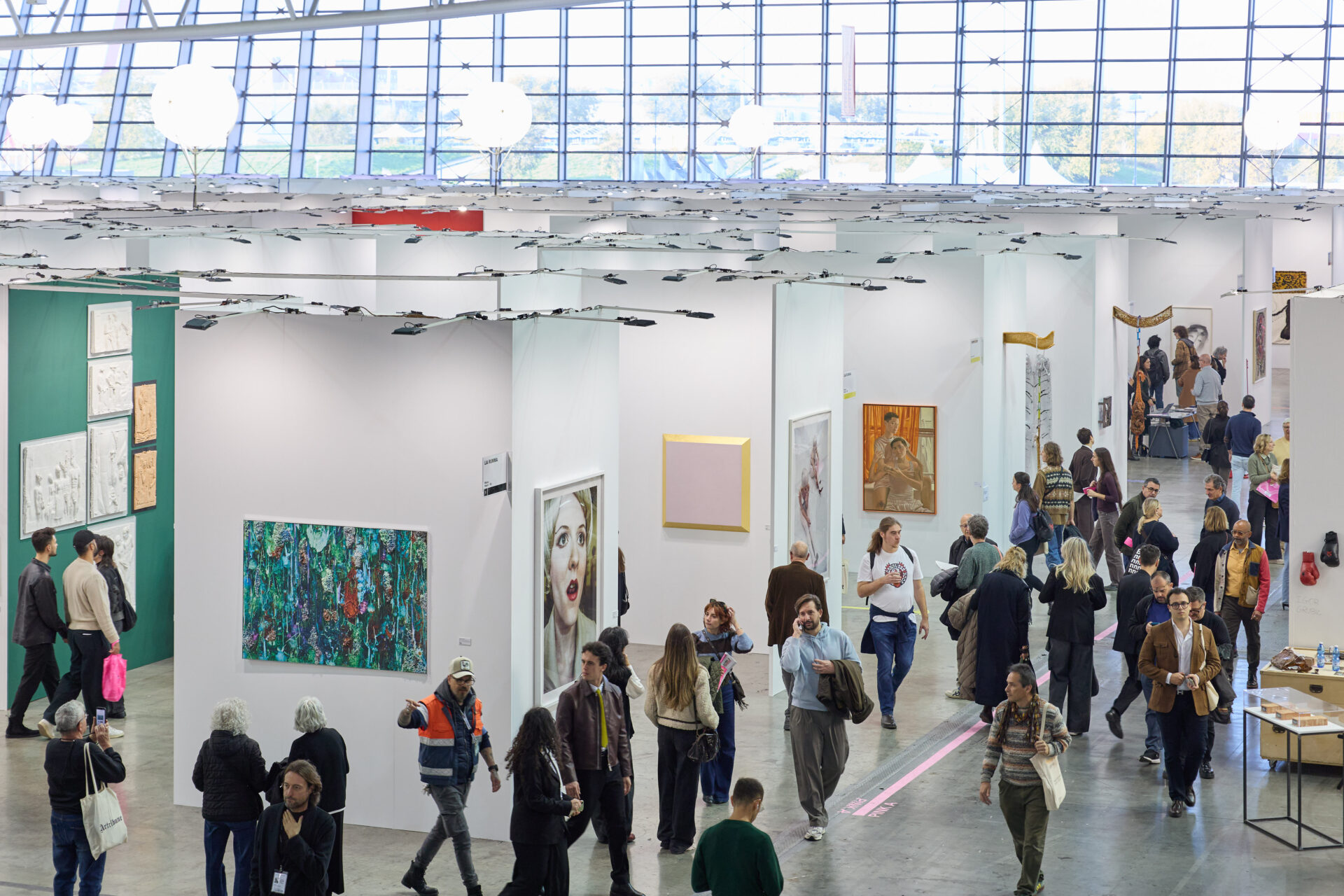
What, then, do these ten artistic positions reveal about the generation we are living in?
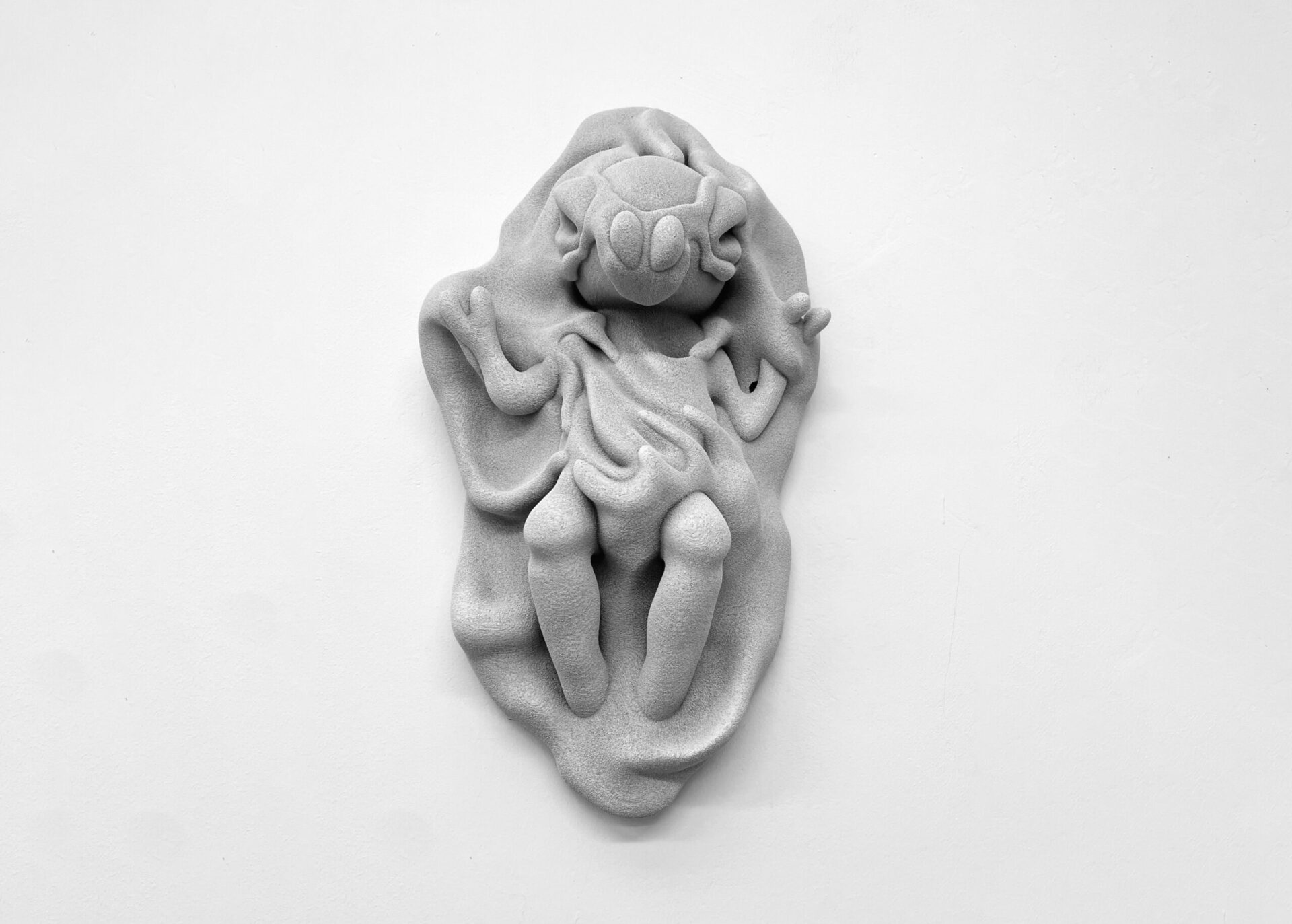
For the curators, one recurring theme is the dissolution of boundaries. Between human and non-human, natural and artificial, past and present. Mary-Audrey Ramirez’s cyborgian creatures blur the distinctions between technological bodies, animals and familiar companions, while other artists turn towards the histories embedded in everyday materials.
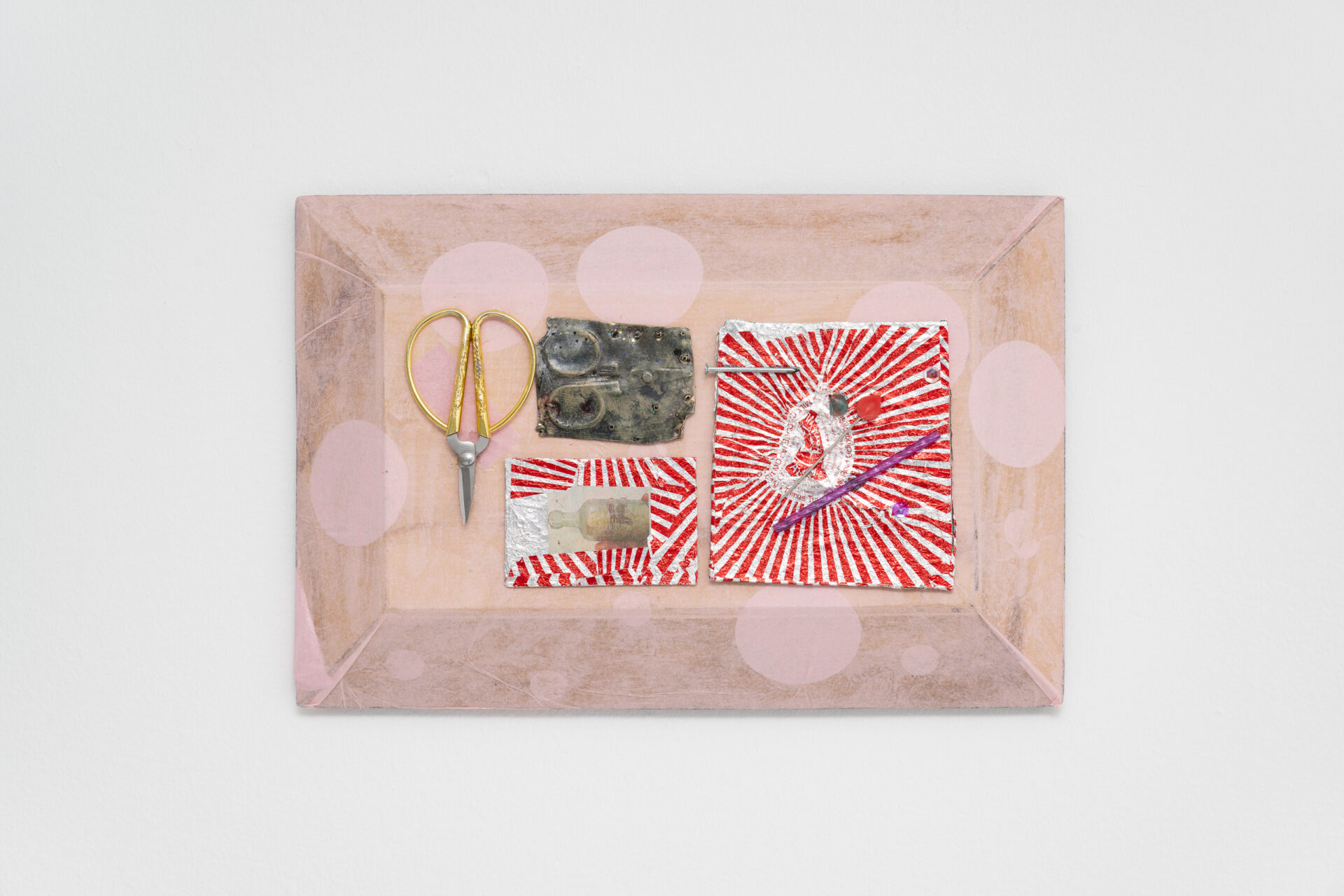
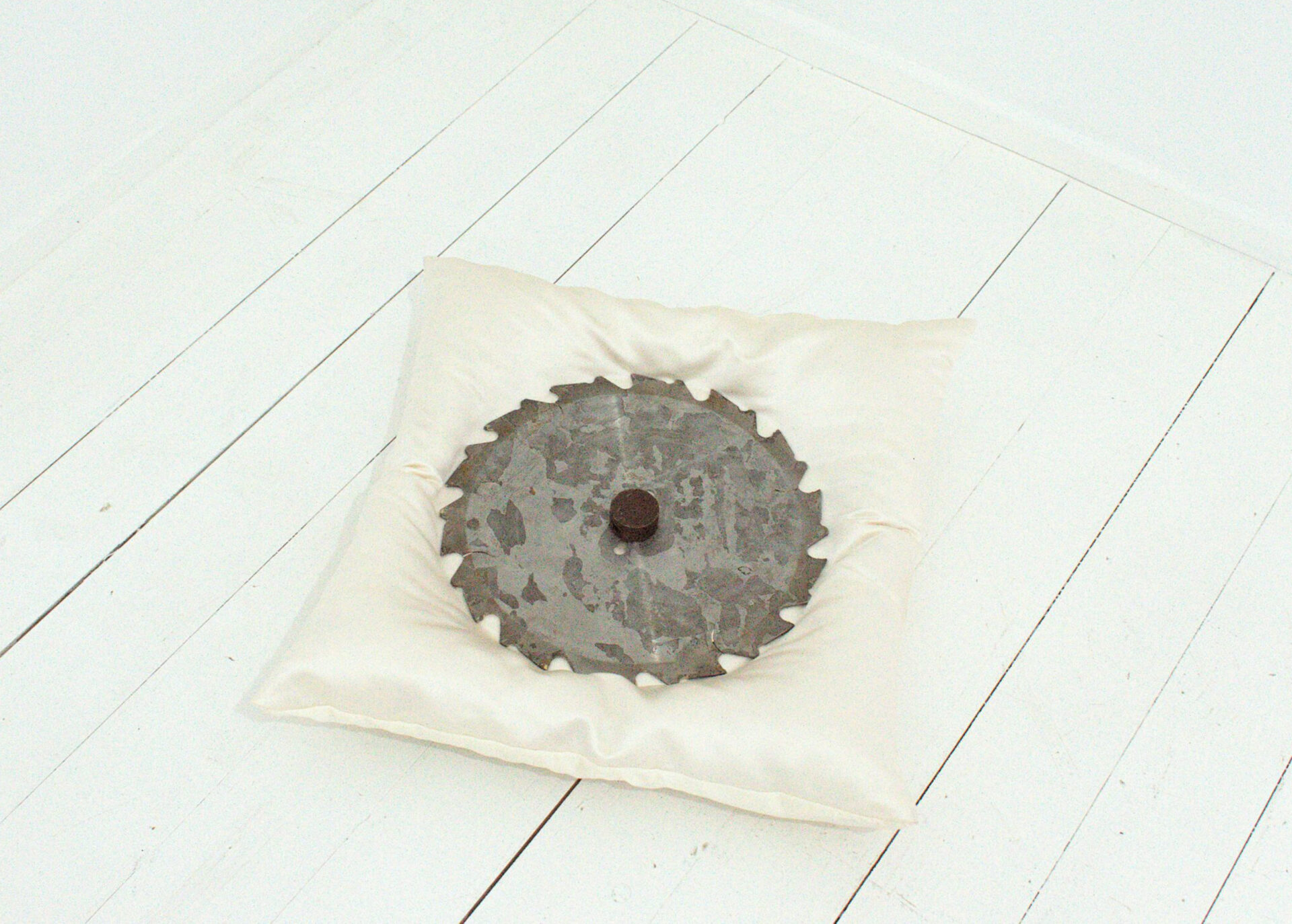
There is also a strong intergenerational dimension. C. Mae Bloom’s practice draws on the textile labour of her mother and grandmother, while Gamze Palabiyik reflects on her own family’s history of migration and factory work. Her silk pillow, compressed by the blade of a saw, holds softness and danger in the same gesture.
“I think it’s a very caring section,” Valabrega reflects. “It’s really looking at forms of delicacy and fragility.” These qualities extend beyond the personal into the natural world, where vulnerability and endurance become inseparable.
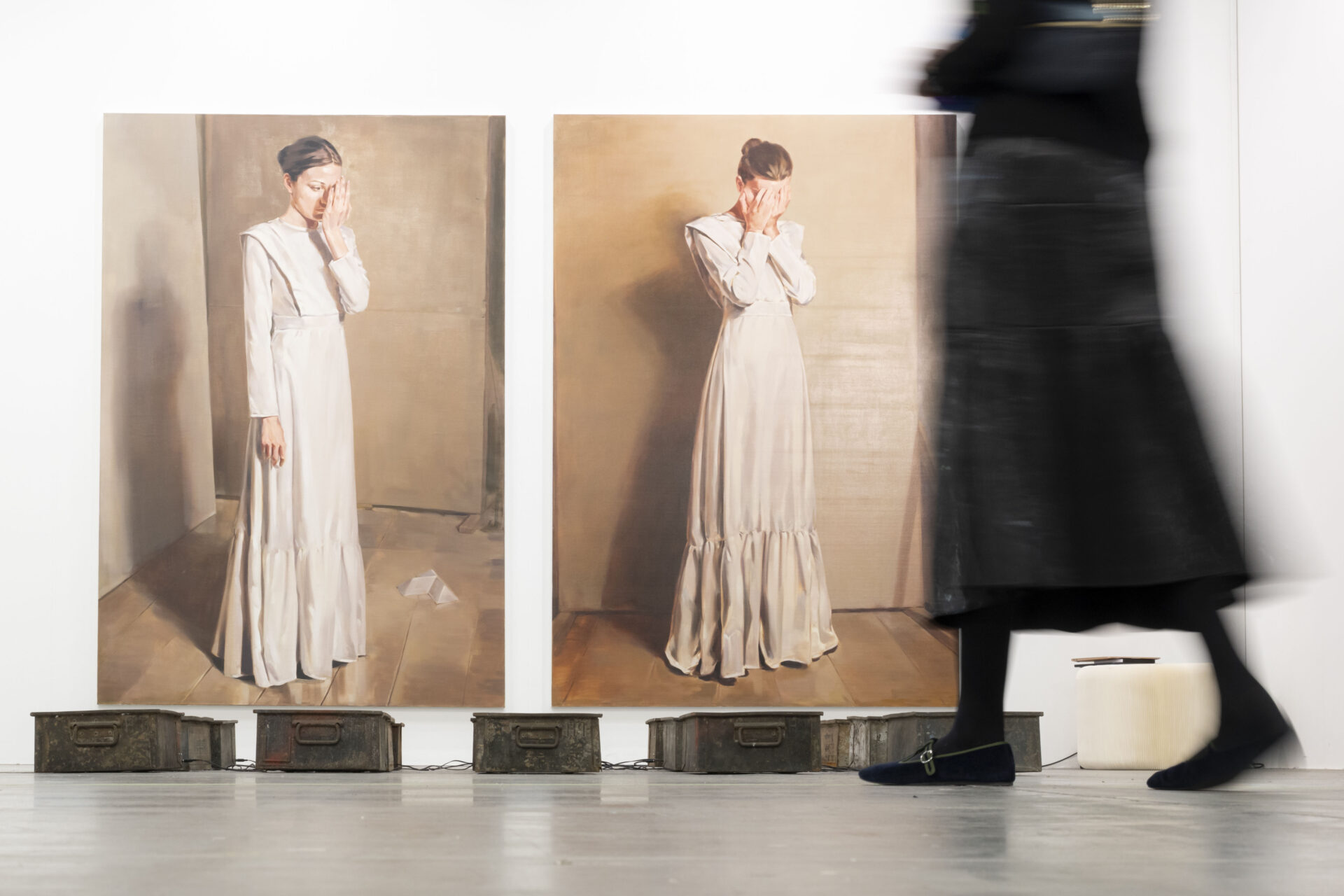
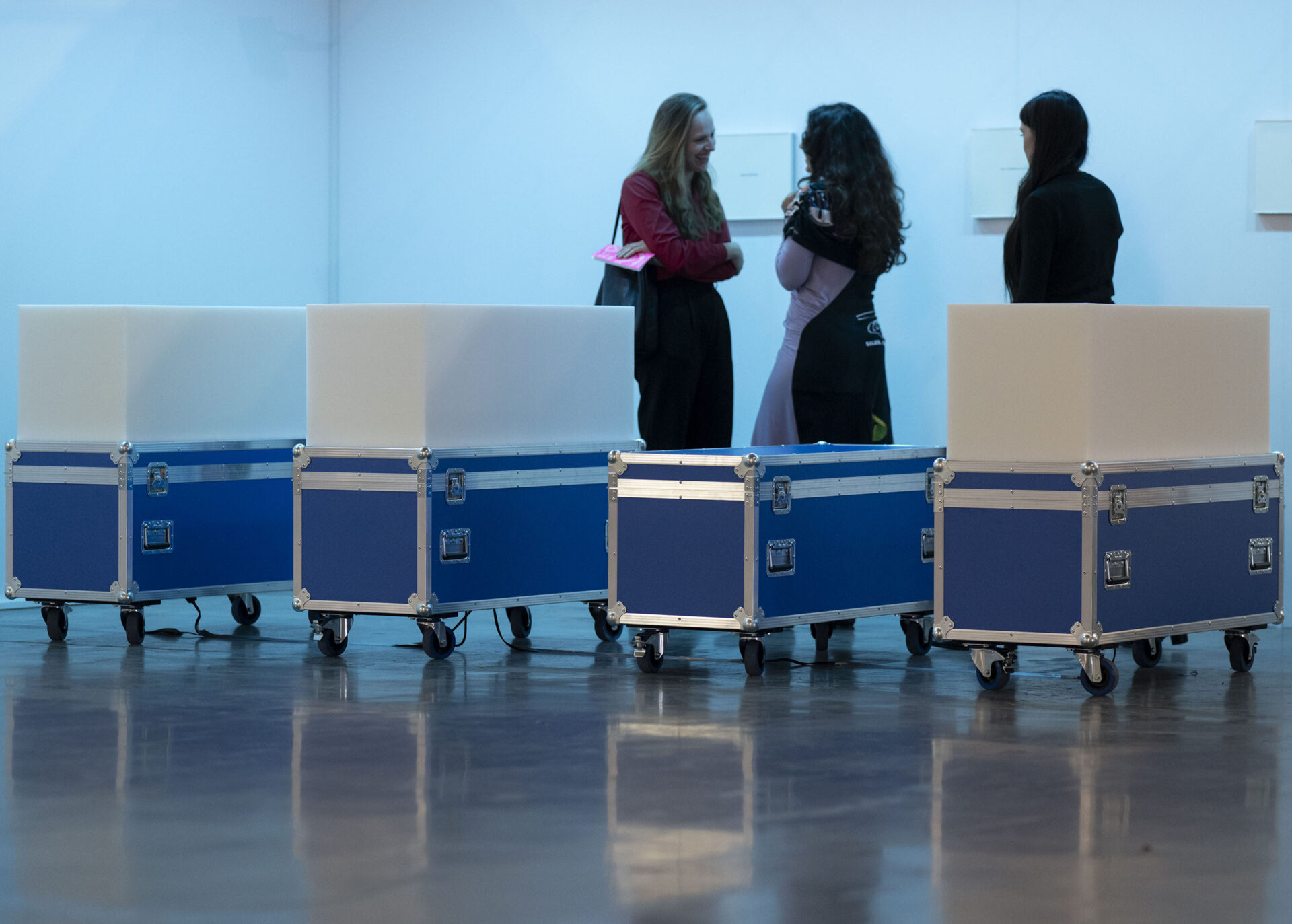
That tension also emerges in Juliana Frontin’s installation, in which flight cases, normally used to transport equipment before and after a performance, become the work itself. Individual speakers carry different layers of a soundtrack, some muffled or almost hidden. For Kruijswijk, the work draws attention to what is pushed aside, finding power and beauty in what endures outside the centre.
Although anxiety runs through many of the presentations, neither curator sees the section as pessimistic. “There’s for sure hope,” Kruijswijk says, before reconsidering. “It’s a type of confidence. Despite it all you can create and move forward and think and reflect and find poetry.”
It is this intimacy that makes the section particularly compelling. Beneath its sleek, almost industrial surfaces lies something surprisingly tender. “It’s about finding this intimacy and vulnerability and softness within that,” Kruijswijk explains.
And what does Present Future actually mean? Who gets to define what comes next?
For Valabrega and Kruijswijk, the answer begins with reconsidering the idea of the emerging artist. Rather than imposing an age limit, they prefer the word promising, allowing for a more open understanding of artistic potential.
The title Present Future itself remains deliberately ambiguous. “There’s a certain arrogance in this title,” Valabrega admits. “Because it’s like what we are presenting now, it’s going to make it in the future.” It is a proposition that requires both confidence and humility.
Kruijswijk, meanwhile, is less interested in imagining the world in twenty years than in paying attention to what is already changing around us. “What’s actually going to happen next year, or in three years, maybe even tomorrow? Let’s keep it close to where we are now.”
That urgency also raises a question about the art world’s relationship to the world beyond its own structures. How can an art fair, with all its institutional and commercial conventions, remain connected to the social realities it claims to reflect?
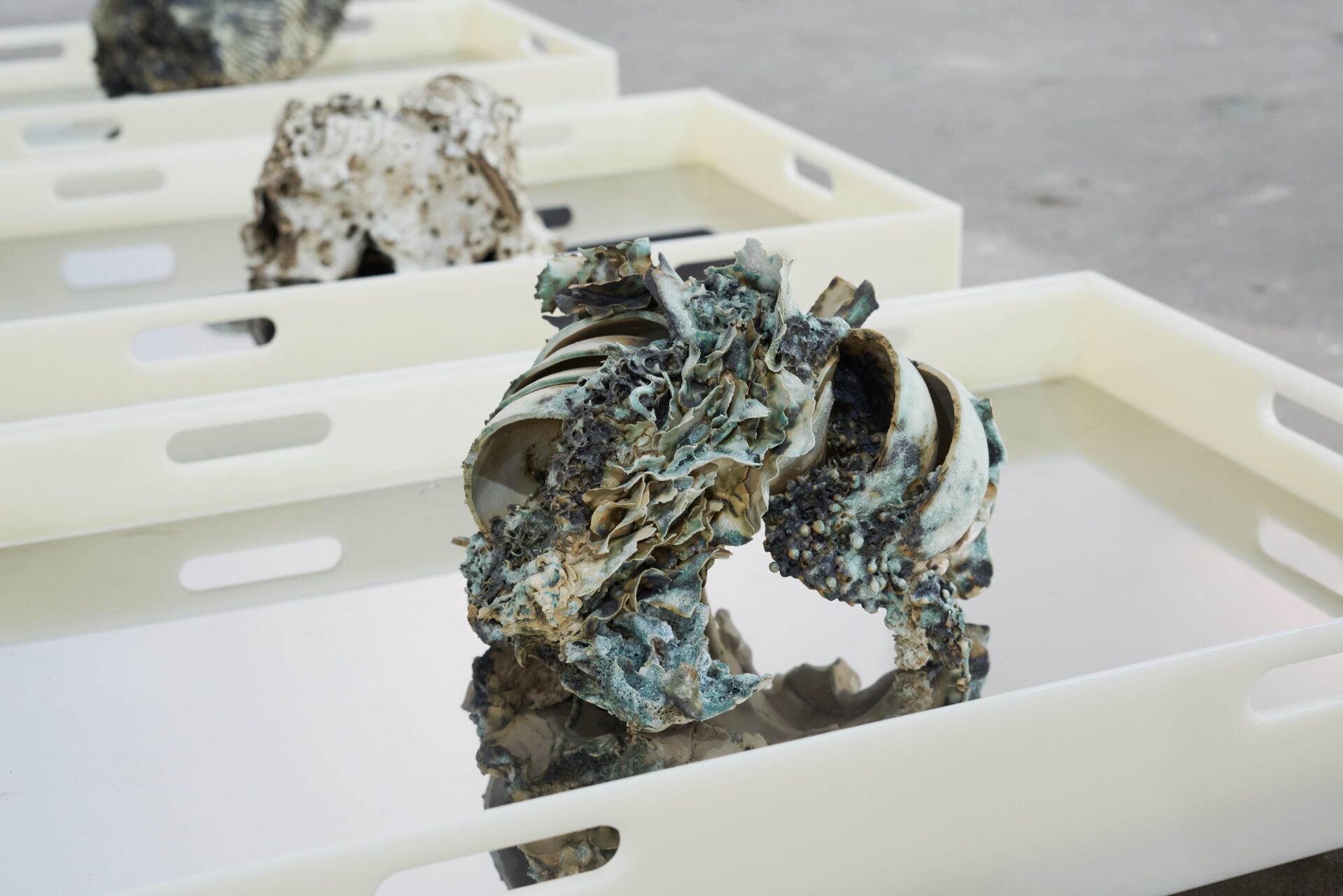
The answer is perhaps found in works such as Hu Yun’s, which draws on encounters with Nepalese migrant workers in Croatia and plants capable of surviving in contaminated soil. Through questions of displacement, extraction and endurance, the artist connects intimate observations to larger systems of migration and labour.
Present Future does not claim to predict what art will look like tomorrow. Instead, it proposes that the future is already being negotiated through the materials we use, the work we perform and the histories we carry. And perhaps, within an increasingly industrialised and uncertain world, the most radical gesture is to insist on vulnerability, care and the possibility of making something new.