Image Courtesy of 20th Century Fox and Fox 2000 Pictures.
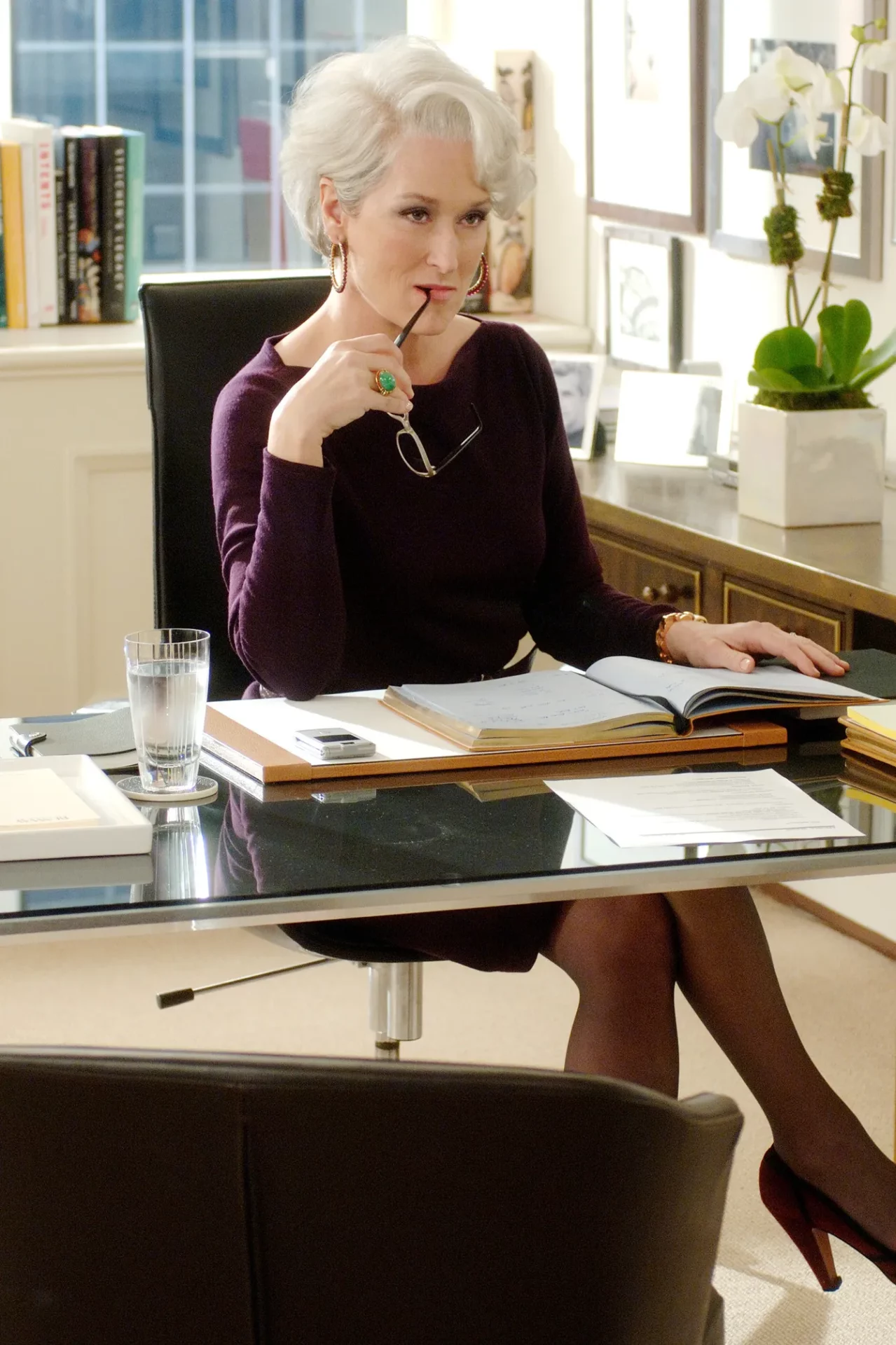
“Emilyyyy” screams my colleague who is sitting at the desk in front of me, imitating the nasal, arrogant voice of Miranda Priestly calling for her first assistant. Everyone laughs. Of course, all of us recognize this voice – and he did it just right. At our office, we often quote movies and series that culturally impacted our lives: Böse Mädchen, Sex and the City, Legally Blonde, and reality TV. From “You can’t sit with us” to “*cough cough* “I’m sick”, everything is referred to in our daily business. But our all-time favorite has always been and probably always will be Der Teufel trägt Prada with Meryl Streep portraying the awful, horrible, impressive, iconic, Prada-and-sunglasses-wearing-boss of the imaginary fashion magazine Startbahn.
For those who haven’t seen the movie (which by the way I don’t think any of you hasn’t’), Miranda Priestly hires the innocent, sophisticated, and “average” Andy Sachs as her second assistant. While no one takes her seriously in the beginning, she quickly develops into a Chanel-wearing It girl and overshines Emily, the fashion-obsessed, career-driven first assistant. During the movie, Andy has to fulfill seemingly impossible tasks like booking a private jet despite a heavy storm, while getting bullied for her weight, and basically getting shooed and ordered around the whole time. Miranda is the ice queen in this story – never saying thank you, never smiling, never being happy while everyone else tries to unsuccessfully meet her expectations. A working atmosphere, that is shaped with a dangerous mixture of humility, ambition, and fear.
You might think now, that this isn’t something anyone would aspire to work for – but Miranda summarizes it petty well in the end: “Oh don’t be ridiculous Andrea. Everybody wants this.” And if Andrea decides to leave, she knows there will be a new, better, even more obedient girl in just five minutes. What seems to be an exaggerated version of the fashion world, can be for some people reality. In the end, it’s no secret that Der Teufel trägt Prada was written by a former assistant at Condé Nast and the character of Miranda is therefore based on Anna Wintour.
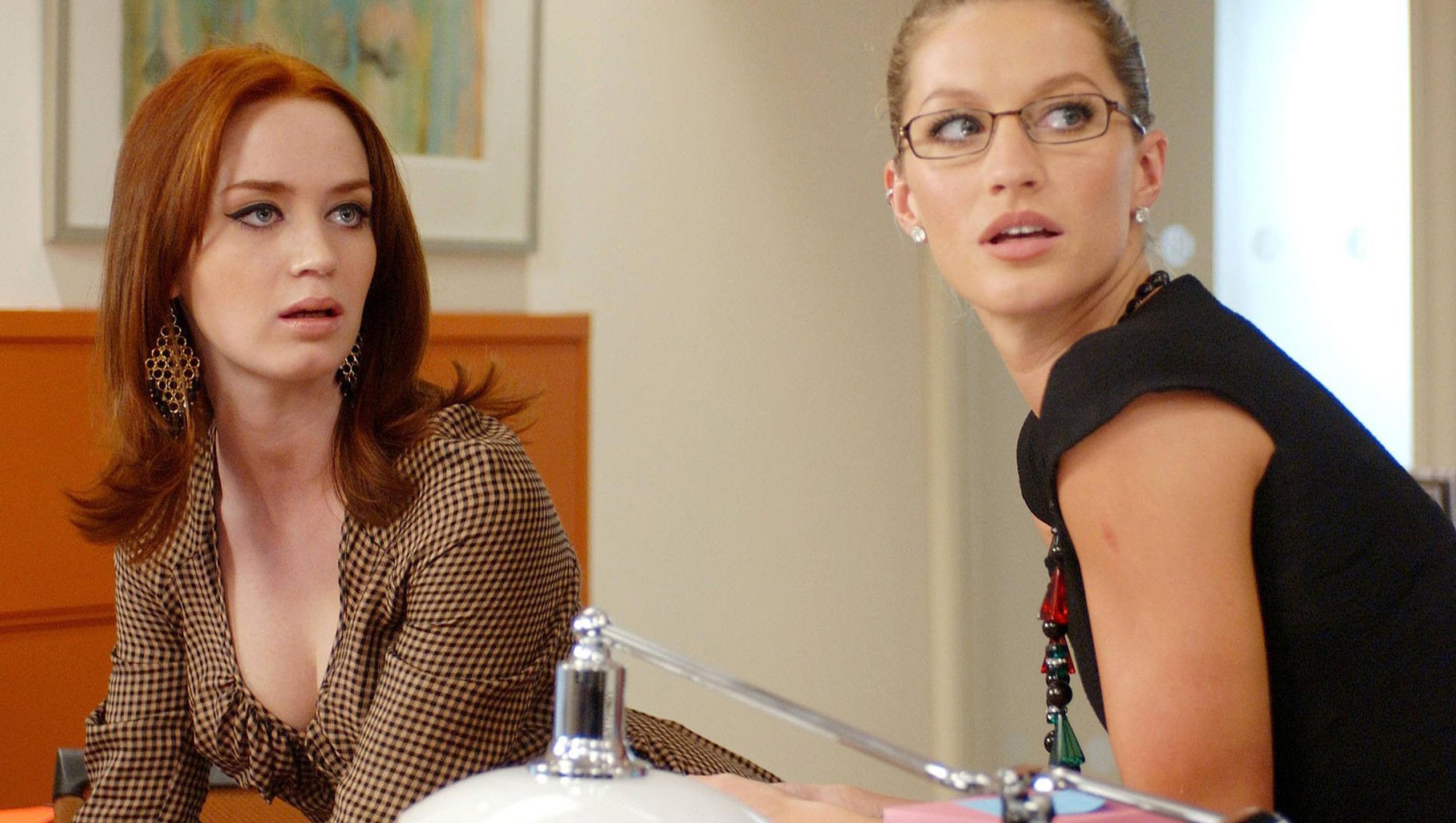
Image Courtesy of 20th Century Fox and Fox 2000 Pictures.
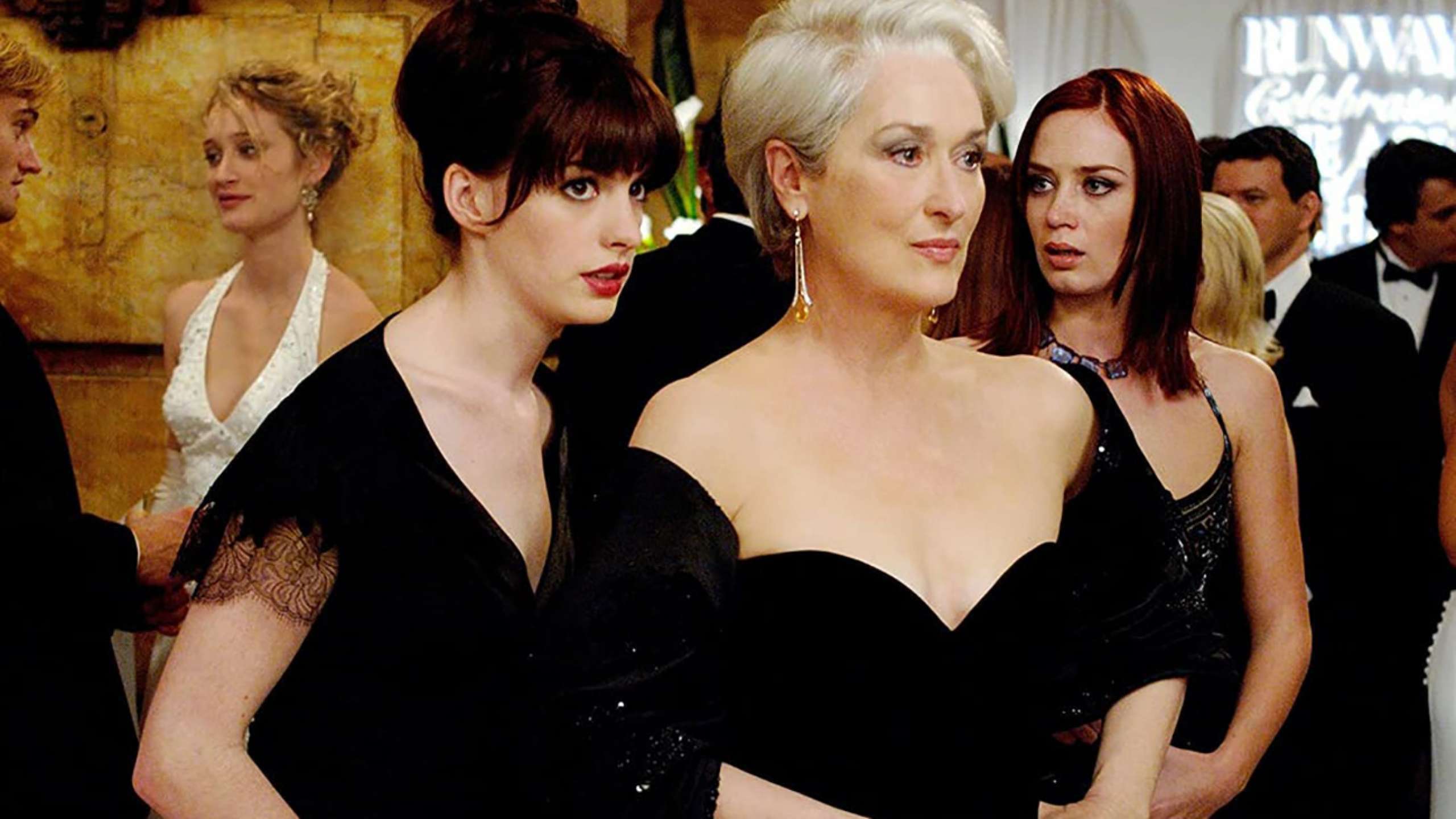
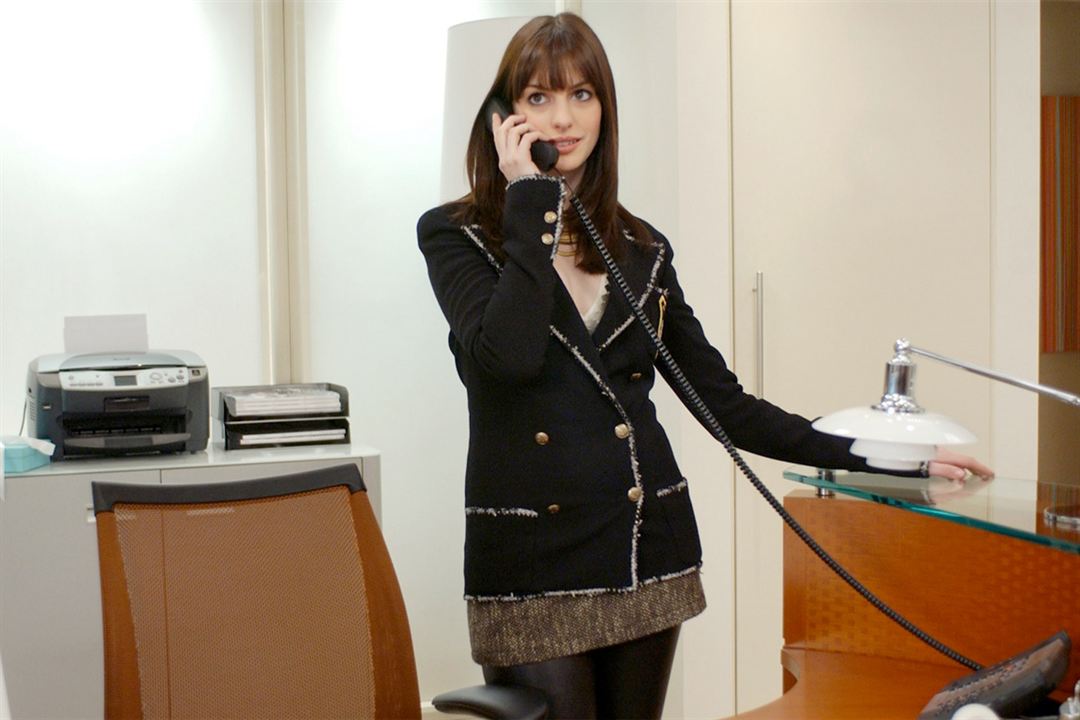
Image Courtesy of 20th Century Fox and Fox 2000 Pictures.
Maybe some of you remember the job advertisement the editor-in-chief and Global Chief Content Officer of Vogue America published last year: To be her assistant you have to be confident, enthusiastic, have a can-do attitude, willing to learn, humble, extremely organized – I will not list you everything, it would take too long. But the tasks would be arranging editor’s meetings, events, commitments, and the supervision of the communication between Anna and her New York Office. For the modest salary of 60,000 to 80,000 Dollars a year (not a lot to live in New York) you could be the new Andy Sachs – or the new Emily depending on your character of course. But that’s not all obviously. In Anna Wintour’s Biography “Anna” another former assistant tells stories of how they weren’t allowed to leave their desk (not even to powder their noses) unless another assistant was present – and that could mean hours.
So, is it true that “everybody wants this”? Somehow, I feel like the answer is yes. I mean, it’s not only us in the office who are completely obsessed with this movie, obsessed with this powerful, elegant, intimidating woman, quoting every sentence, recognizing every outfit. No, people all over the world are fascinated with this portrayal of the toxic yet glamorous fashion world: When the transformative makeup artist Alexis Stone arrived at the Balenciaga show during Couture Week in Paris this year as Miranda Priestly, wearing the original sunglasses, a blonde wig and an issue of the British Vogue, he and Demna had everyone in a chokehold. I remember when I saw the pictures of Alexis’ performance for the first time – I just thought “Genius”. How genius of them to let the fashion world dream a little bit. To dream about success, elegance, glamour, and about an industry that is not touched yet by AI, social media, and the slow death of print as it prevails to outlive any crisis.

Image Courtesy of 20th Century Fox and Fox 2000 Pictures.
When I asked my sister, who is working in tech, why she thinks people are so obsessed with this movie and the toxic fashion industry she answered “Because the people who don’t work in fashion, don’t know it better”. But that’s not true. Especially the people who do work in fashion are fascinated with Miranda. If you go to a fashion university, I bet that probably half of the students will tell you how much they were inspired by Der Teufel trägt Prada to pursue a career in fashion although the movie paints such a picture of unrealistic body standards, exploitation, and competition.
Well, I’m not that innocent either. When I started my first ever job in fashion I worked for a fashion magazine as well: At the office, there were huge posters of the covers hanging on the walls, editors who had an extra pair of more elegant shoes underneath the desk to change during the day and (the best thing) a room where all the samples for shootings were stored. When I saw the number of high-heels, colorful boots, jacquard coats, flowy dresses, and leather handbags, I felt like Andy Sachs finally tasting the first sweet sip of that crazy industry. I felt like in Der Teufel trägt Prada – and I loved it.
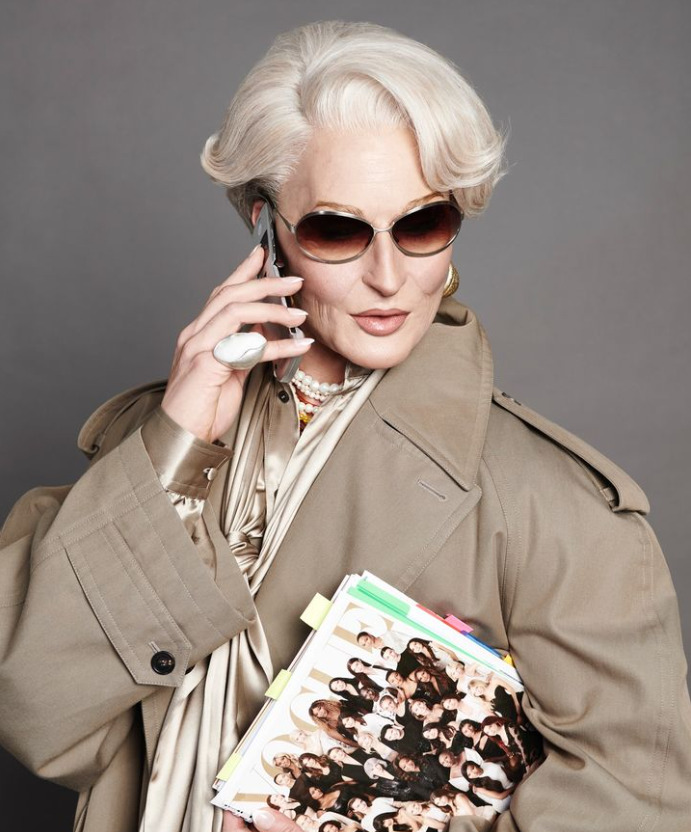
Alexis Stone as Miranda Priestly. Photography by Mateusz Sitek.
Being so obsessed with this movie feels like romanticizing a toxic reality to me. It seems like we are willing to excuse wrong body standards and exploitation with glamour, beauty, and luxury. Even when it comes to Miranda, people all over the world agree that she is not the villain in the movie – although the title literally refers to her as the devil. Turns out, the real villain is Nate, Andy’s egoistic boyfriend who shames her for pursuing her career, developing and working hard.
But if you think about it, the real devil is probably the fashion industry itself. Not Miranda. Not Nate. They are just products that were created, shaped, and pushed by the shallow, never-changing structures within the fashion industry. It’s a world you can only survive in if you’re willing enough to work hard, to prove yourself every day over and over again. If you’re willing to swallow injustices, willing to sometimes put money before creativity.
Since Der Teufel trägt Prada was filmed, there’s not much that has changed in the fashion industry. Yeah, the style changed a little bit. Office siren glasses like Gisele Bündchen wears them in the movie were in style, out of style, and now in again – but if you look closely enough, you can see that diversity and body standards, payment structures, and the representation of women in leading positions only changed on the surface. And there are a lot of people within the industry who don’t have the power to change these things for good. Stylists can only work with the samples and their sizes the brands provide them as well as models and their agencies can only earn money by offering the designers what they want. To change the fashion industry structurally, you have to start at the top. With this thought in the back of my head, I’m excited to see the upcoming sequel of Der Teufel trägt Prada. Will they portray today’s fashion industry as if something had changed? Probably.