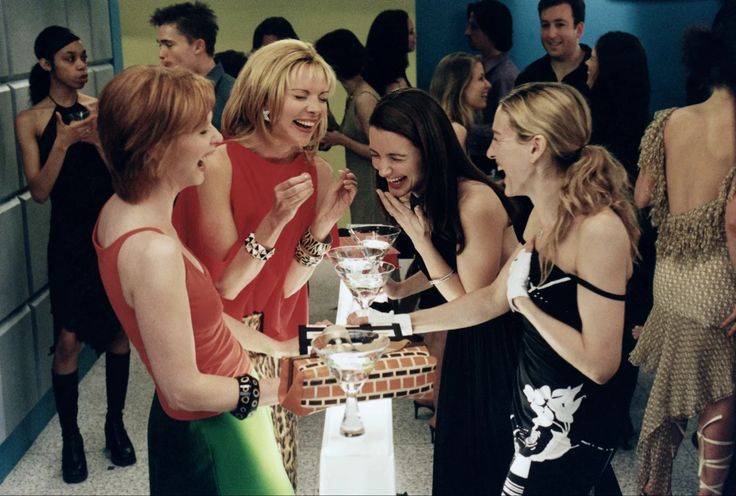
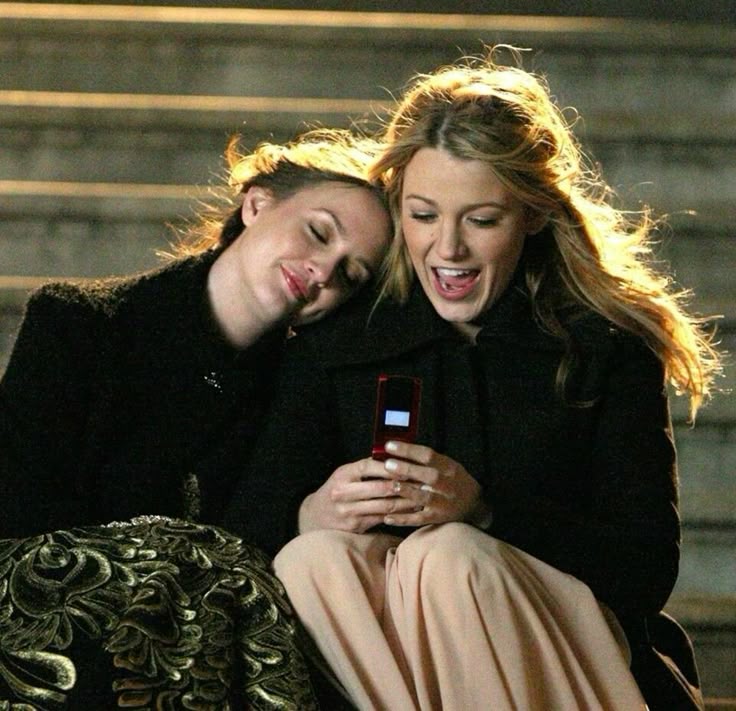
For a long time, television gave us a clear example of the kind of woman worth admiring and rooting for. Carrie Bradshaw and Serena van der Woodsen were two characters built with the “perfect” physical and personality traits. They were relatable and therefore lovable: women whose lives made sense because they were, in one way or another, built around being loved. But as time goes on, we’ve seen how Samantha and Blair are the ones who get the reappraisal. They’re messier, more composed and less interested in external love and validation. We didn’t use to prefer them. Now we certainly do.
That shift signals something: it suggests that the traditional story, in which a woman’s completeness depended on being chosen, isn’t as fixed as it once seemed. This is a belief many of us absorbed early, because as humans we often don’t question what we’re told, or we simply don’t bother to check it. Think of the Disney princess films most of us grew up on: the man arrives to save the day, tells us he loves us and would do anything, teaching us that this is the norm. Most romantic films and series repeat this pattern. In Sex and the City, the four best friends’ lives revolve around men, with little else to talk about; they spend their time analysing men’s behaviour instead of living their own lives. That’s the script that a growing number of women are, actively and consciously, refusing.
If you spend any time on social media, which you surely do, you’ll likely have come across women talking about “decentering men”, a movement that shows up across Instagram, TikTok and group chats. Each person may describe it differently, but they all have a similar goal: putting energy and love into friendships, personal goals and work instead of organising life around men’s attention; not shrinking or performing for validation, and treating romantic love as one good thing among many rather than the main thing that makes everything else count. Don’t mistake it for a rulebook. Instead, think of it as a personal decision to stop letting male approval dictate whether our lives are worth something.


This can look like a trend without a real cause. It isn’t. It’s the result of changes that have been building up for a while. But why now? Society is constantly evolving, and a certain kind of woman, urban, educated, working in a job that pays enough to live alone, is less economically dependent on men than at almost any point before. For her, a relationship is no longer the difference between security and precarity, and independence is genuinely in her own hands.
For a lot of women, however, a partner’s income is still what makes rent possible, the difference between stability and falling behind. Decentering is, unfortunately, not a lifestyle they can opt into; it’s a risk they can’t afford to take. So when we talk about this “shift”, we’re really describing a movement made possible by a specific set of conditions, economic, geographic, generational, not something every woman can simply apply to her life. That doesn’t make it any less real where it’s happening, but we have to understand that it’s just one part of the story, not the whole of it.
Relationships are a choice, and expectations have shifted alongside that. Fewer women believe a romantic partner is the finish line, and more believe in building a life on their own terms, without seeking external validation to do so. With all of these small but impactful changes, dating itself has changed.
There’s no more risk involved in dating. Dating apps turn rejection into something private. A match disappears, a message goes unanswered. There’s no one-to-one conversation in real life, which protects everyone’s ego but also asks nothing of anyone’s courage. As a result, performance has taken over romance, no one is being fully honest about what they feel, because they’re afraid, or think they’re “too much”, or aren’t sure yet if they even like the other person. Basically, we live in a generation where showing interest reads as weakness, but not getting attention on demand reads as a red flag. Why seek validation from someone who isn’t even willing to give us their time? We should want the opposite: someone excited to know us, open to actually sharing their thoughts.
Sociologist Zygmunt Bauman had a name for this shift: liquid love. He argued that relationships have moved from something durable to something fluid and superficial, without any type of commitment, designed to be entered easily and, more importantly, exited easily. Connection starts to resemble any other consumer good: worth keeping only as long as it’s convenient, disposable the moment it requires real maintenance. He linked this to the individualism that late capitalism trains into us, a culture that teaches self-sufficiency as the highest good, where needing someone else starts to feel like a flaw rather than a human fact. He was describing dating culture, a condition everyone in it is subject to, regardless of gender.
Women have been taught for generations that male approval is one of the main currencies they can earn, that their life is measured, at least partly, by whether it includes being chosen. That’s why decentering is something heavier. Decentering is the act of consciously giving less power to those we were taught had power over us. It’s about deliberately changing the narrative for future generations, so this becomes a historical fact rather than an ongoing issue. Men, on the other hand, aren’t handed that same script; a man’s worth was rarely built around waiting to be picked. So when women decide to decentre men, they’re unlearning something built into how they were taught to see themselves: through a male lens.

There’s a trap hiding inside that work, too. The point is not necessarily to need no one. Needing someone often comes across as a weakness, but it’s far from the truth. As humans, we need interaction with others in order to live. The purpose is to stop treating yourself, or anyone else, as disposable, including the version of you that only felt worth something while chasing someone.
None of this is a call to swear off men or relationships, nor is it about resenting them. But in a way, finding a partner was never the actual solution to romantic loneliness. Choosing ourselves is. So, instead of asking questions like “how do I find a partner?” or “how do I make someone like me?”, we should be asking “who am I and what do I want?”. Being genuinely comfortable with who we are tends to attract the right person anyway, for a romantic relationship, and for every other kind too.
However, even this idea of choosing yourself deserves a deeper look than we’re giving it. Decentering men still requires men to be the reference point. You’re consciously not building your life around them any more, but you’re still organising it in response to them. To decentre something is still to let it decide where your attention goes. Think of it like a photo negative: same image, just with the colours reversed. A woman who spends her energy not thinking about a man is still, technically, thinking about him. She’s just doing it from the opposite direction.
If we truly didn’t care, it wouldn’t need a name or an essay defending it; it would just be silence on the subject. Maybe we’re calling it decentering, but what we’re actually doing is centring them. In a way, that’s fine. We’re clearly not there yet, so in the meantime, having the conversation is better than pretending the subject doesn’t deserve one, even if, ideally, one day it won’t.
A hobby doesn’t need anyone’s approval to matter. A friendship doesn’t need to turn into romance to count as a real connection. And if a relationship happens, it needs to happen alongside a life that’s already full.