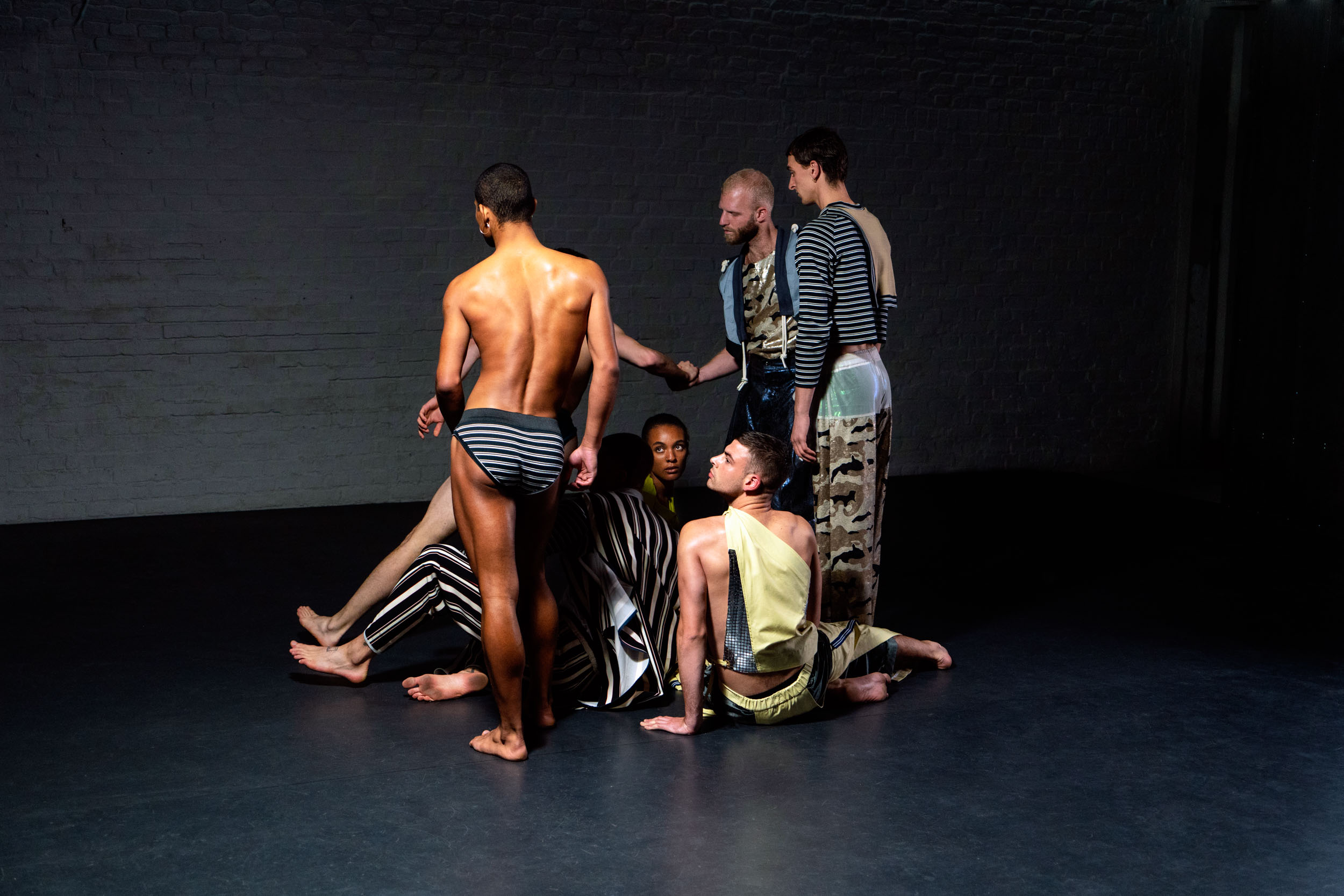
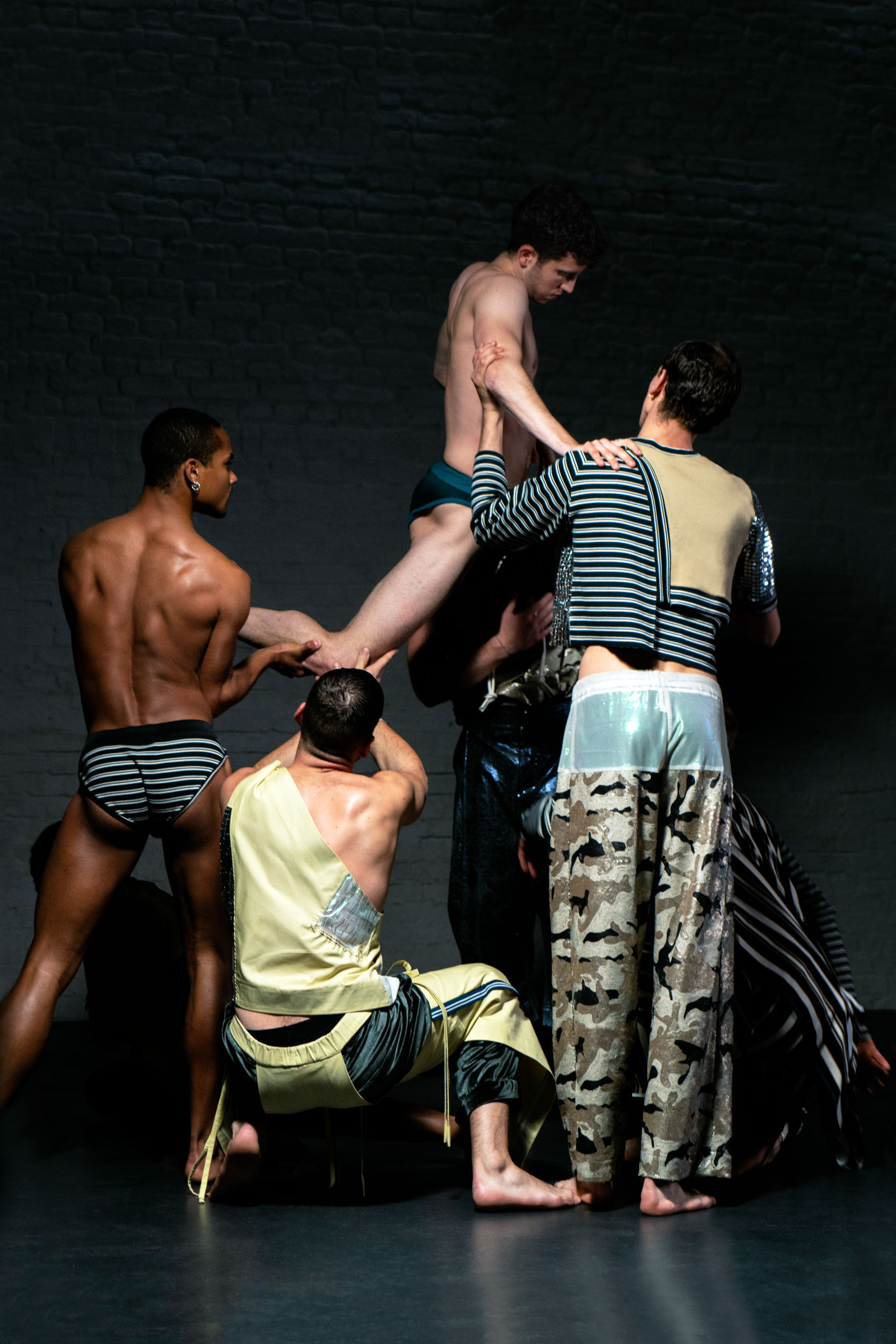
Photo: Florian Hetz
The traditional fashion show is based on functionality – it’s a great way to see all the pieces and decide which ones you want to stock in your stores or put in editorial spreads. But buyers and editors are not the only ones watching now, and people are expecting a show. This is why Marc Jacobs showcased his models to riding up and down custom escalators for Spring / Summer 2013 and Chanel constructed an entire fake supermarket for Fall / Winter 2014-2015. But between spring/summer, pre-fall, autumn/winter, resort, menswear and couture week, there are only so many ways to jazz up a runway. For younger brands, which do not have investor pressure to show new collections five times a year, is there a better way? Berlin seems to think so.
The German capital is famous for mixing fashion and nightlife, but this time it has gone a step further. Combine four emerging genderless designers – Olga Khristolyubova, Johanna Liebl, Don Aretino and Maria Miottke – the creative direction of Tanja Bombach and M.J. Harper choreography (read our interview with the dance master hier) then you get, NOW YOU MAY TELL THAT I HAVE BEEN SEEN BY YOU.
We’re not going to pretend that collaborations between dance and fashion are anything new. Harper himself collaborates regularly with designer Stefano Pilati, and has created movement for Grace Wells Bonner’s runways, and just this autumn, Israeli choreographer Sharon Eyal sent contorted aggressive limbs dancing down the catwalk at Dior’s SS19 show at Paris Fashion Week. However, SEEN BY YOU sets itself apart by striving for a balance between fashion and dance. Hosted in Trauma Bar und Kino, a new venue trying to integrate the arts and club culture, the performance felt more like going to see your favourite DJ play at one of Berlin’s techno clubs than attending an haute couture presentation at Bryant Park or a contemporary dance show at Sadler’s Wells.
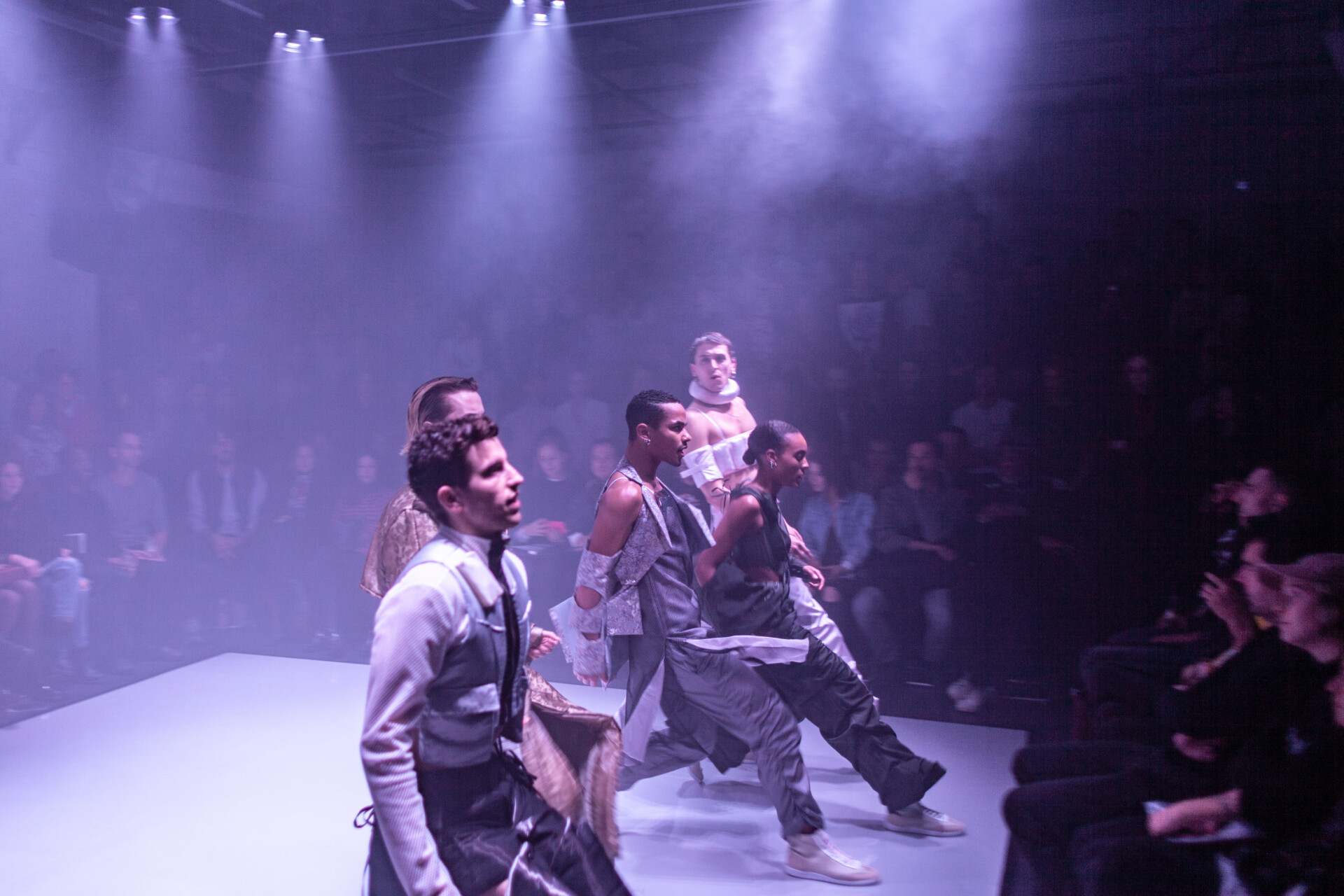
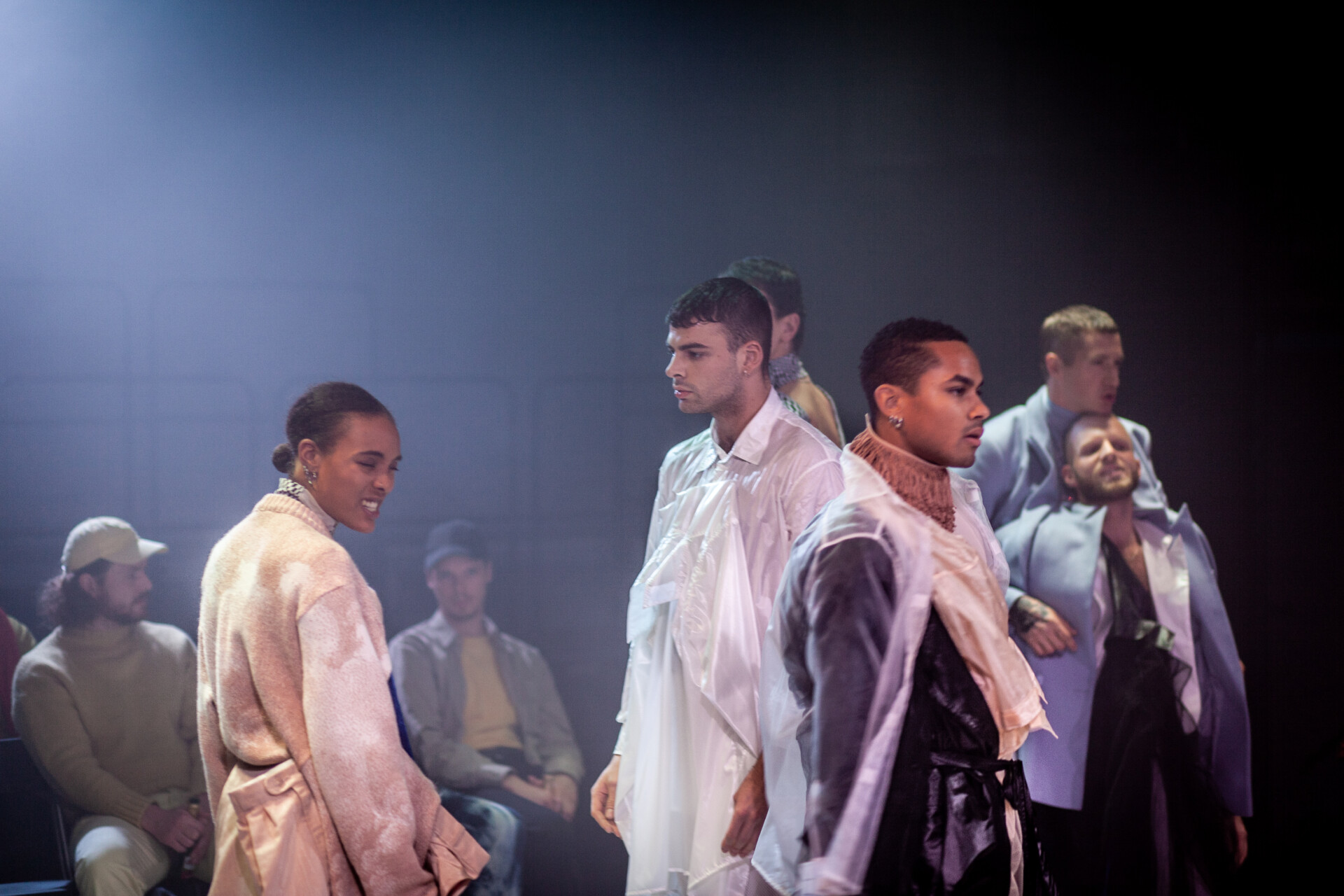
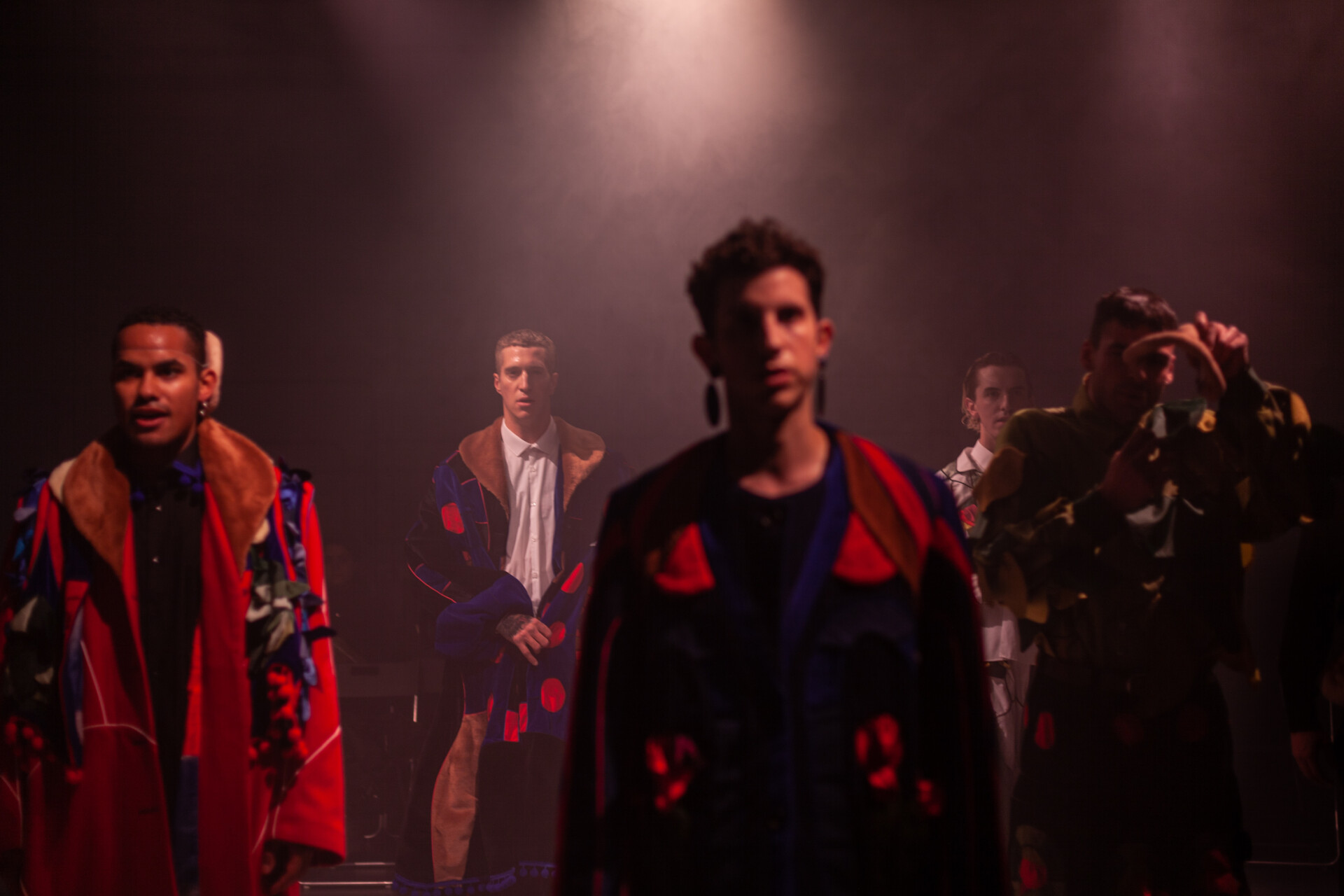
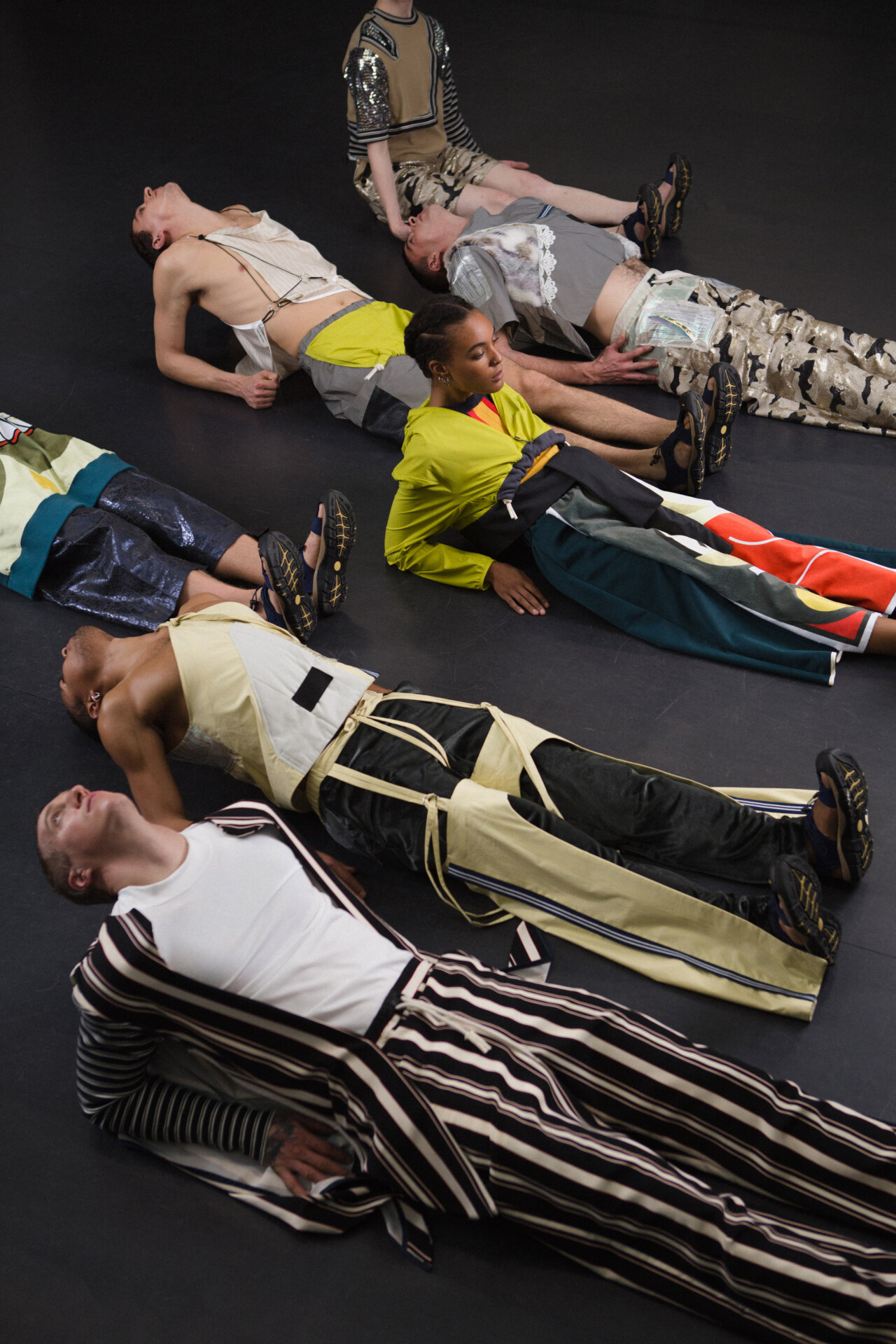
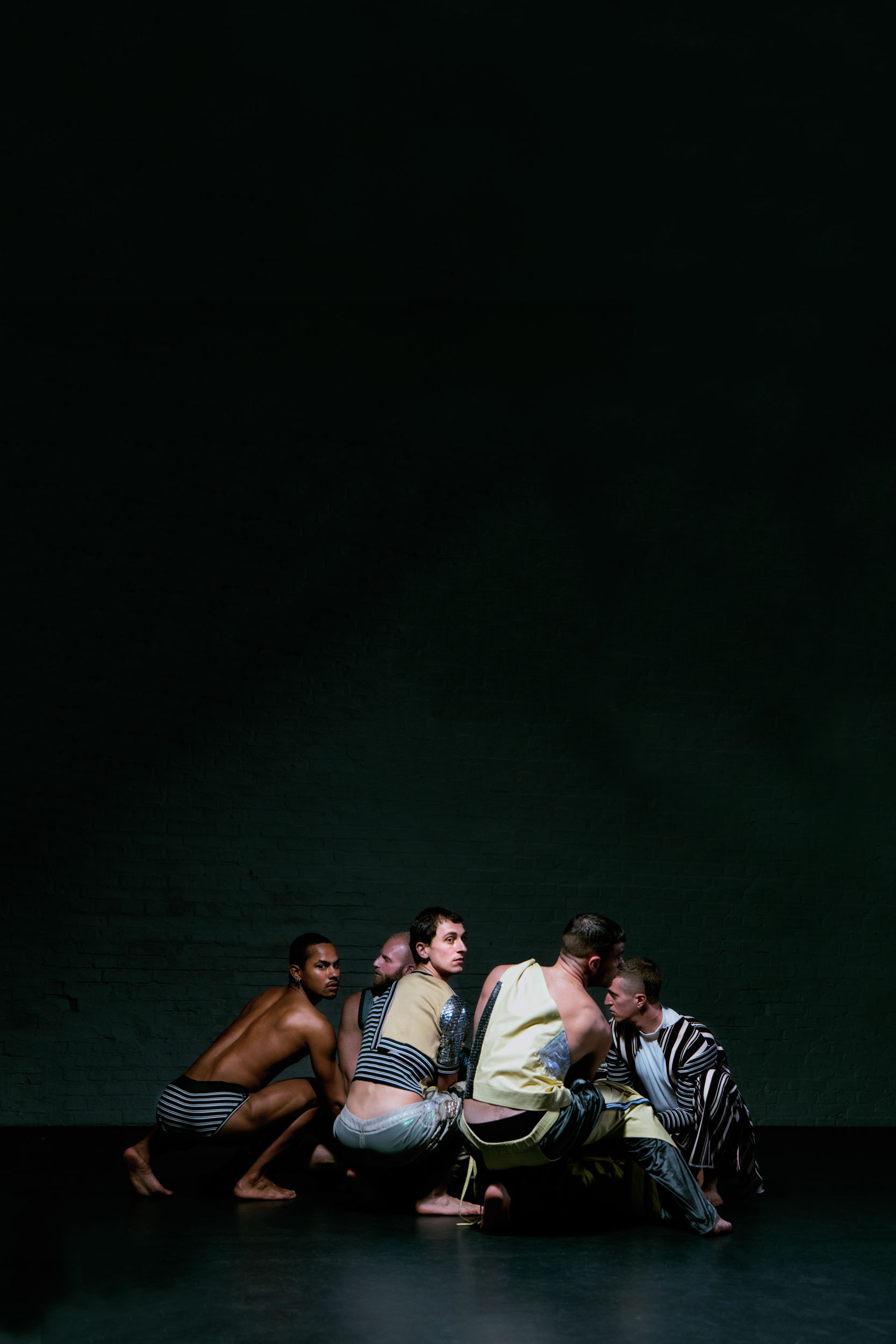
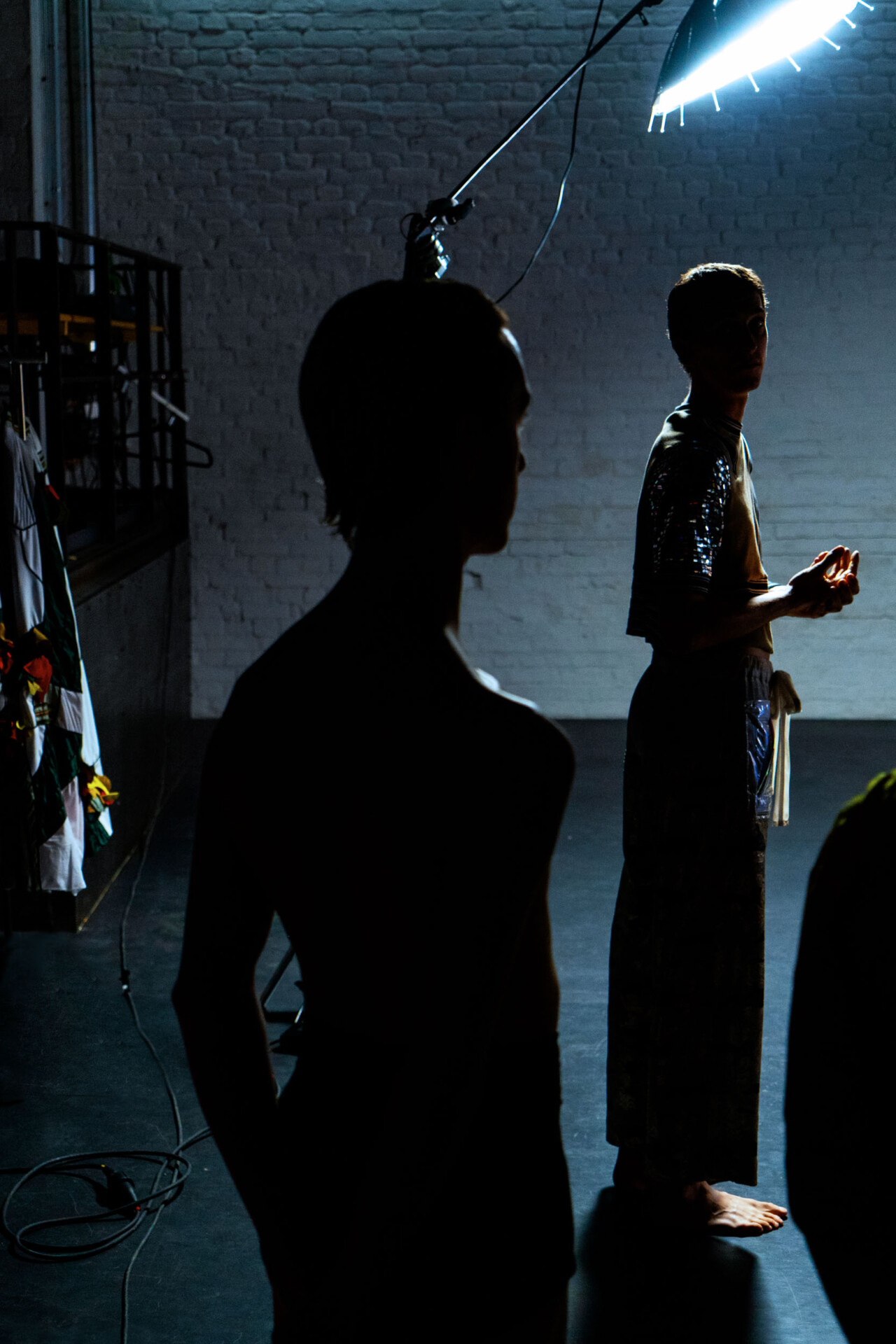
As the dry ice haze filled the brick walls and flashing lights energized the dark room, all notions of a catwalk were abandoned. The dancers inhabited a round setting, which demolished the so-called “the fourth wall”, inviting the audience in to Harper’s abstract exploration of the myth of Diana and Acteon. Themes of transformation, godly possession and animalistic qualities were evident as bodies writhed on the floor, suddenly switching to moments of technicality and control, only to return to chaotic motions.
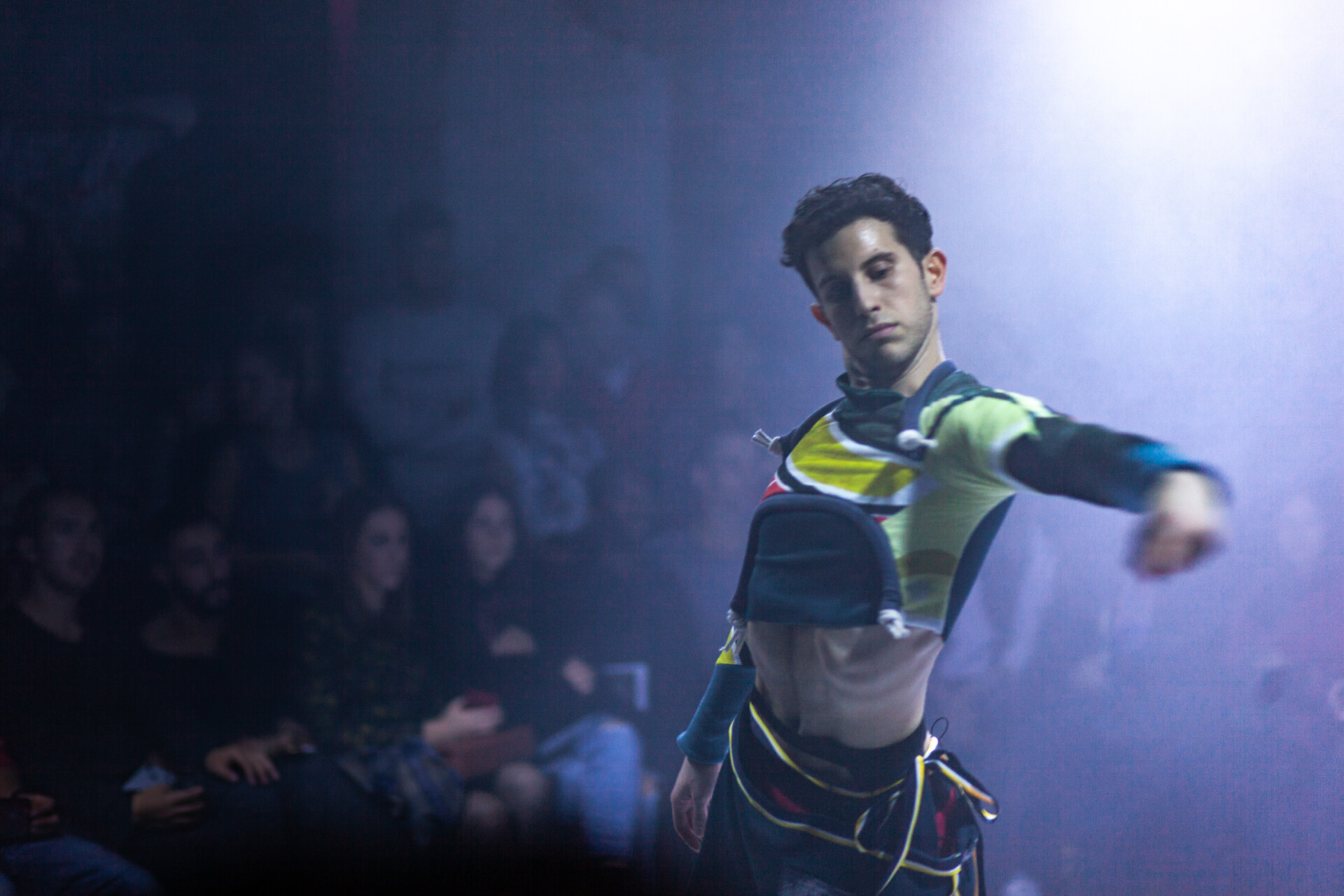
Photo: Matthias Neumann
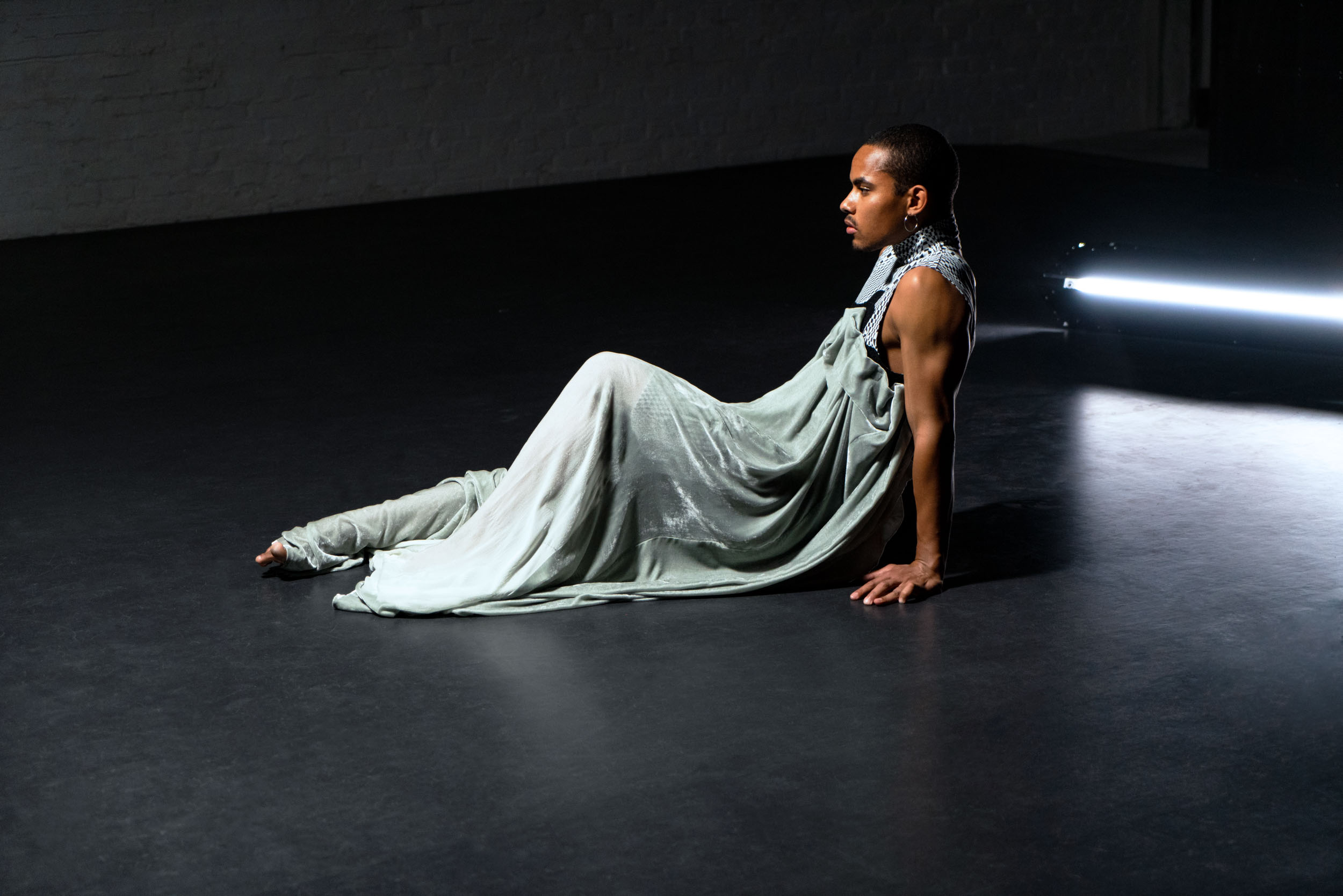
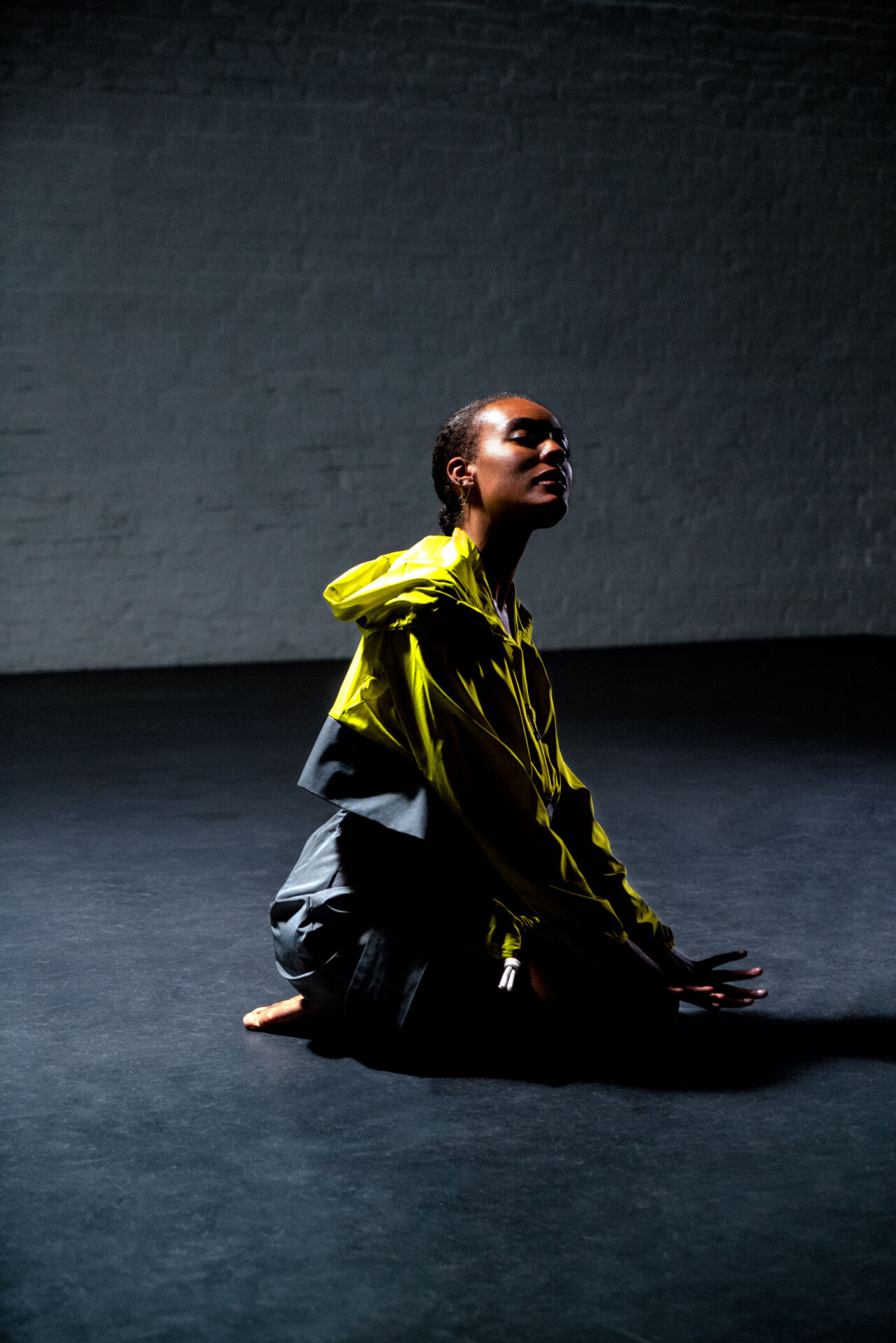
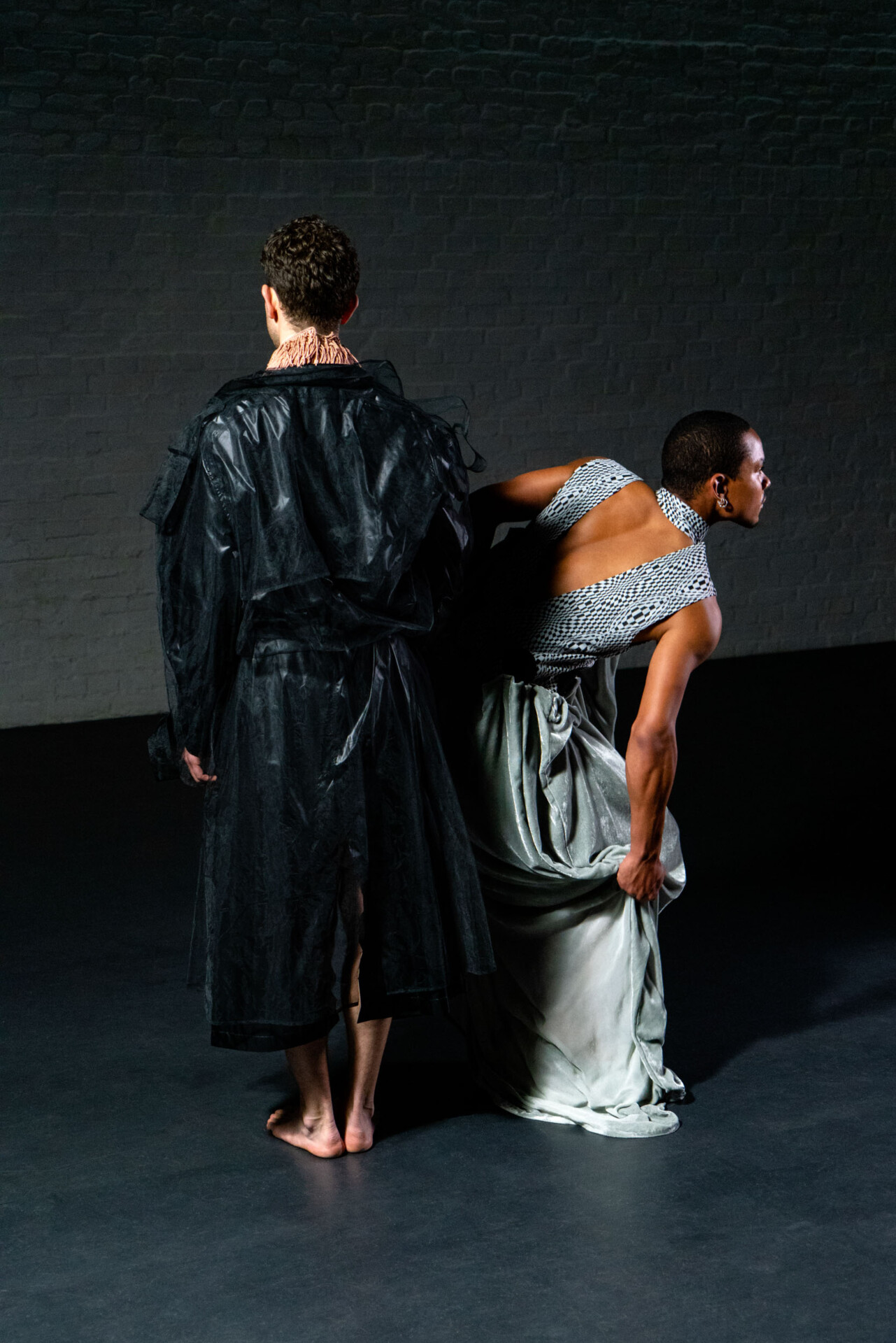
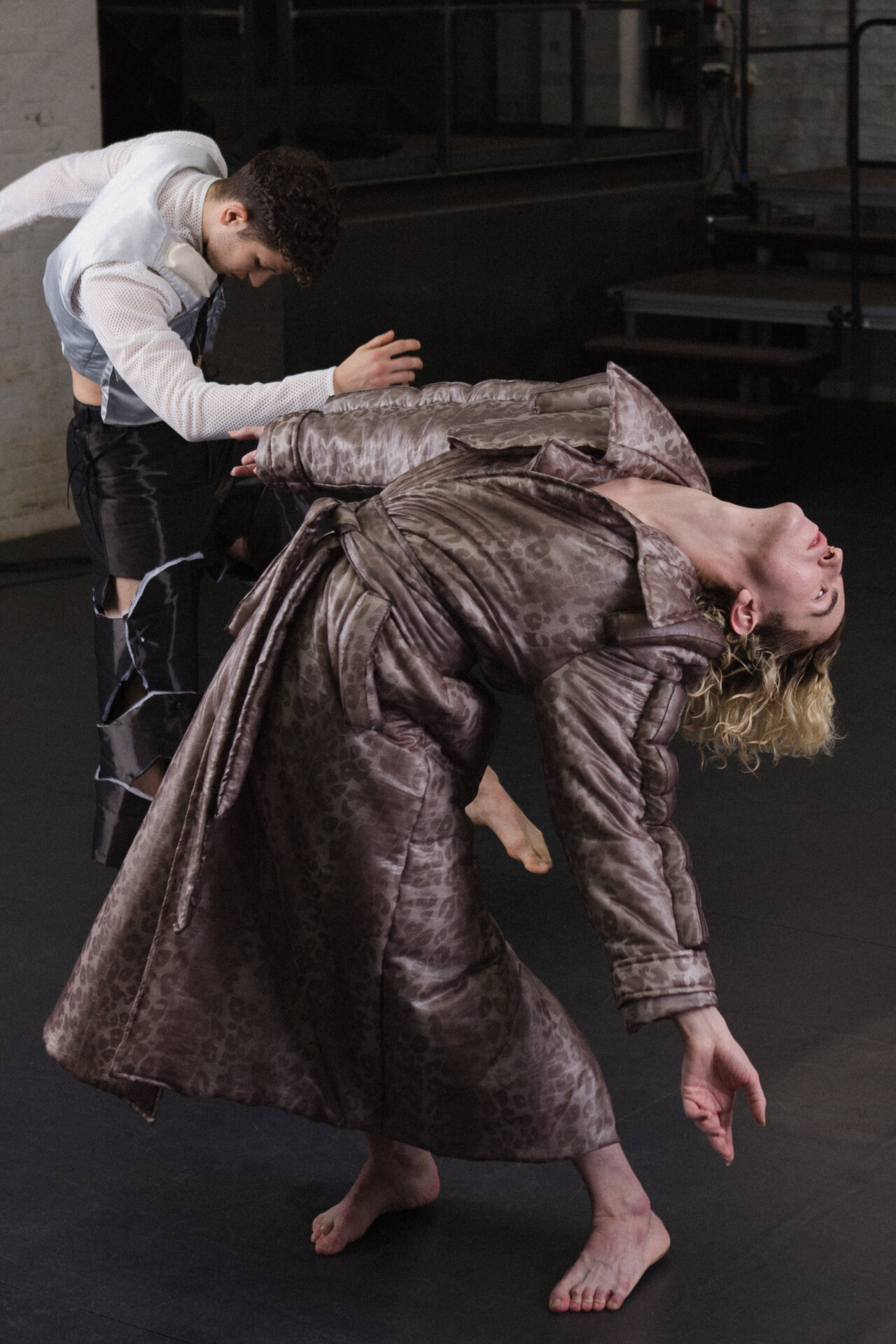
With all this action, the clothes could turn into costumes, rather than art work themselves, but the choreography in fact shows off the garments, allowing them to be observed from different, obscure angles, with fabric trailing in the wind as dancers fly through the air and intertwine with each other in tantalising, orgy-like bundles. It was important that neither artist compromise for the other, but in this case, the choreography was actually inspired by the clothes. Harper tells SLEEK that his goal was “to focus on building movement based on the personality and stimuli of each collection rather than focusing on the actual garments themselves”, a method that differentiates the clothes worn during the performance from costumes.
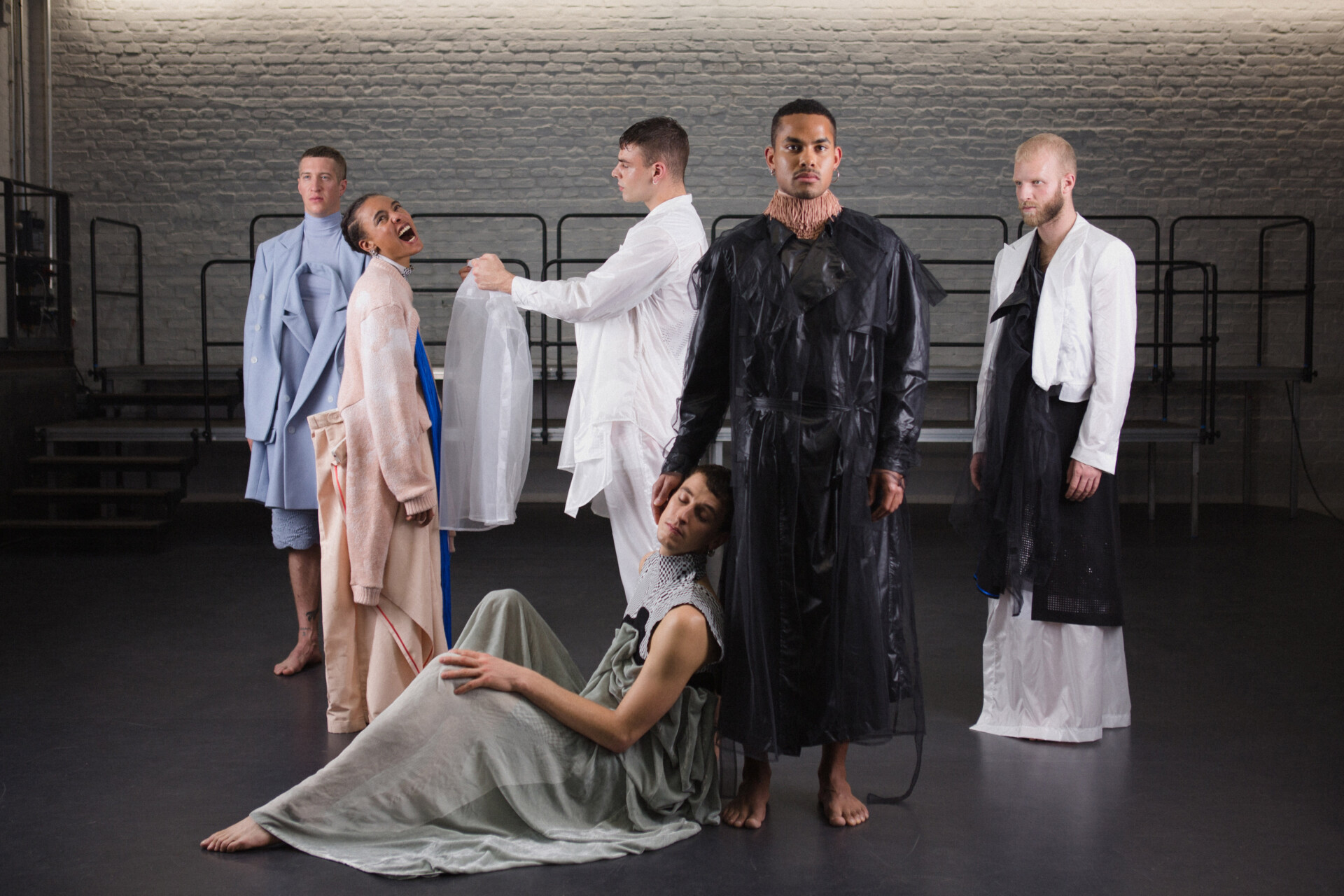
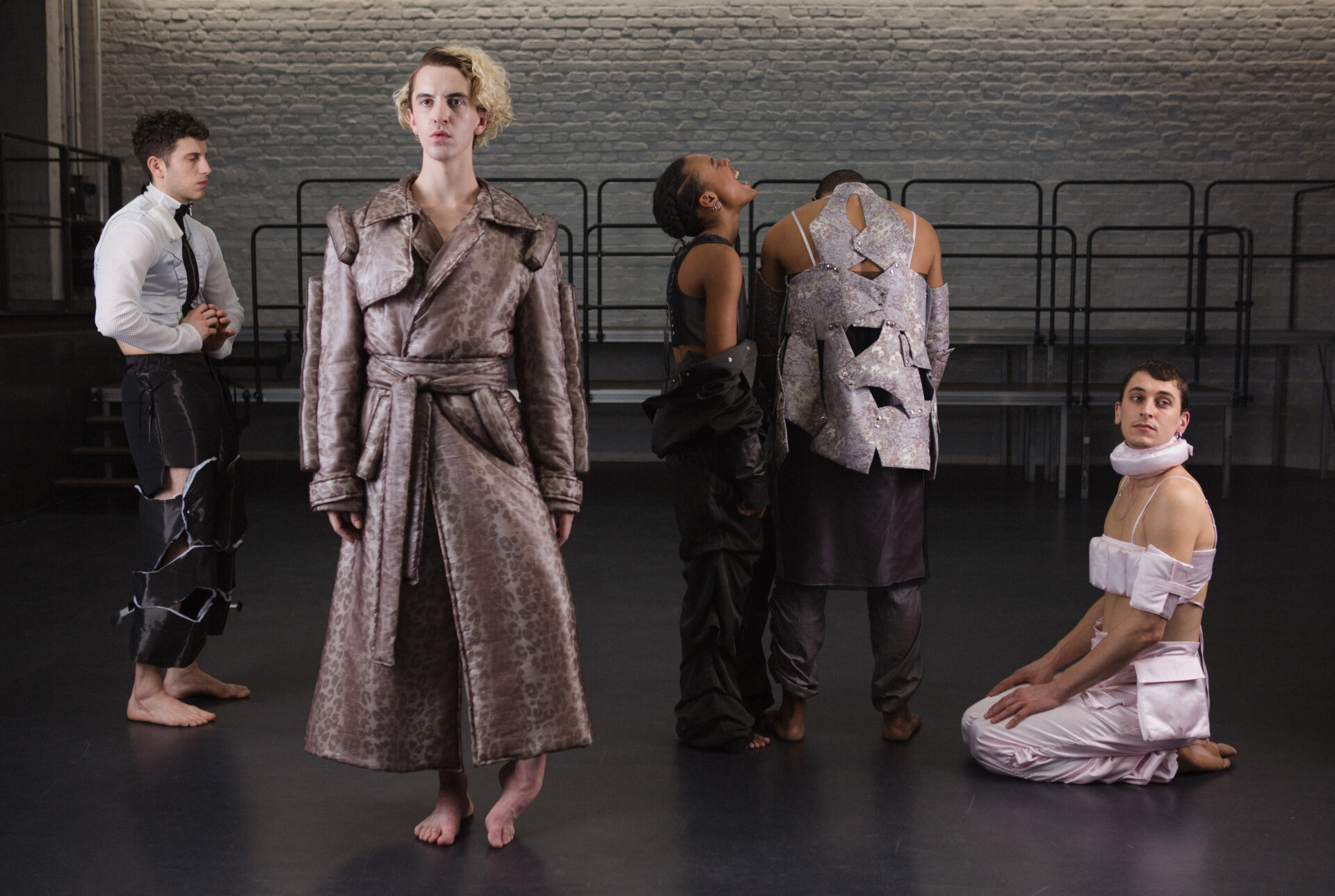
The motifs that Harper drew his inspiration from were glass windows in the work of Maria Miottke – which included patchwork coats reminiscent of Craig Green – and the deconstructable pieces of Johanna Liebl’s collection that literally disappeared into the dance. Meanwhile Don Aretino’s work draws on his experiences of living as an Indonesian abroad, and how he deals with the seemingly polar identifies of being gay and Muslim, and Olga Khristolyubova’s garments explore the relationship between vulnerability and strength. “I worked with some elements of [the] military, but also things connected to bed… pillows, bedsheets” she explains. “For example, I [created] this bullet proof vest but it was soft.” “I have some pieces which are falling apart but are still fixed together” she continues as she refers to pairs of cargo pants which are covered in gashes and slashes.
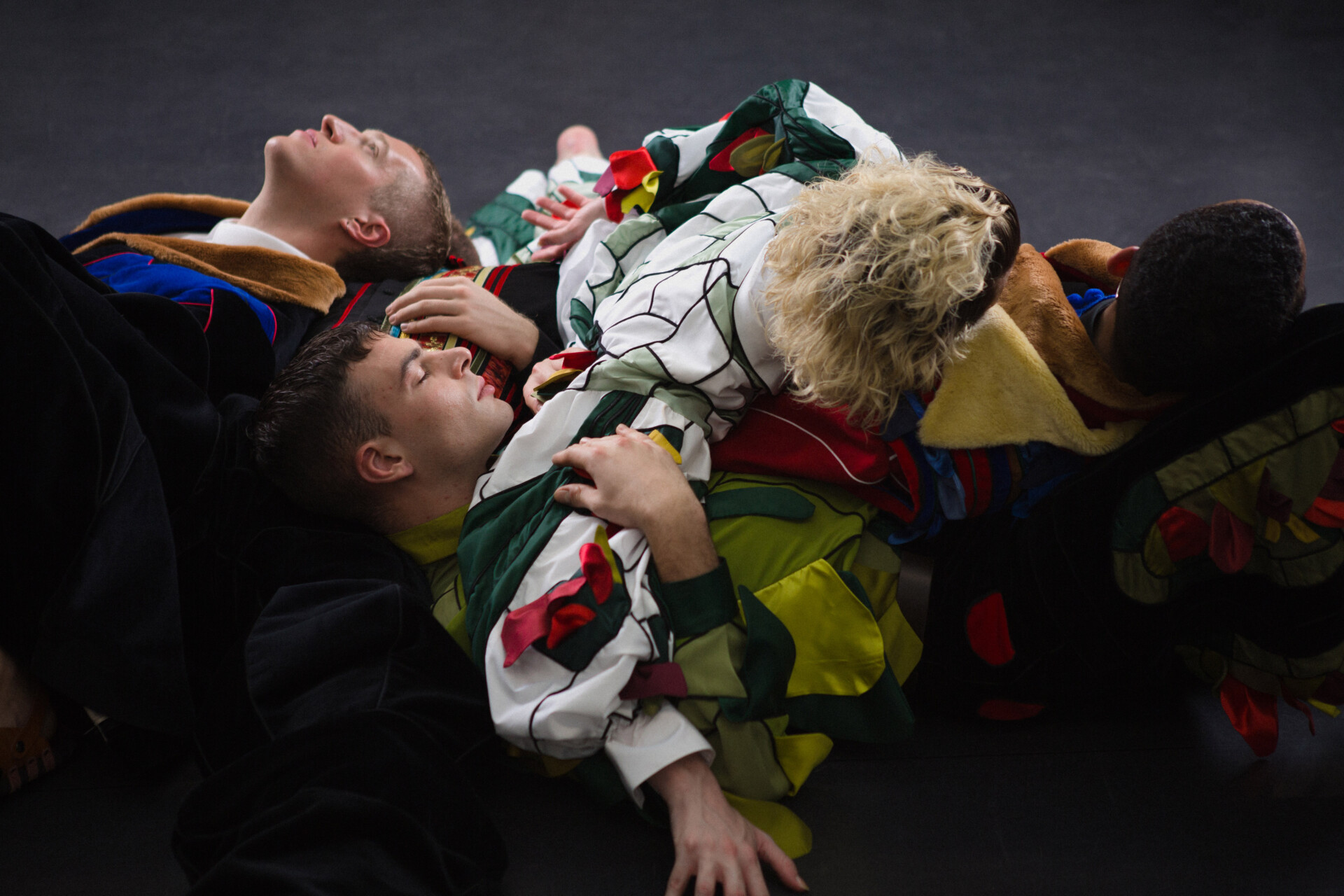
Photo: Olga Khristolyubova
There are obvious limitations to presenting collections in this way. The designers created 10 looks each, of which only 8 made it into the piece, whereas a traditional fashion show has looks well into the double digits. Also, due to the small-scale production methods of the designers and the point of the show being to, as Bombach says “showcase and experiment with fashion” rather than pedal products, there was no opportunity to place orders for garments after the show. The performance allows for freedom, but it will probably never sell in the numbers you see at fashion week. The industry will probably not abandon runways for clubs – we wouldn’t want them too – but it is nice to see a more collaborative approach to fashion and the proliferation of great choreography.

Photos by: Florian Hetz, Olga Khristolyubova and Matthias Neumann