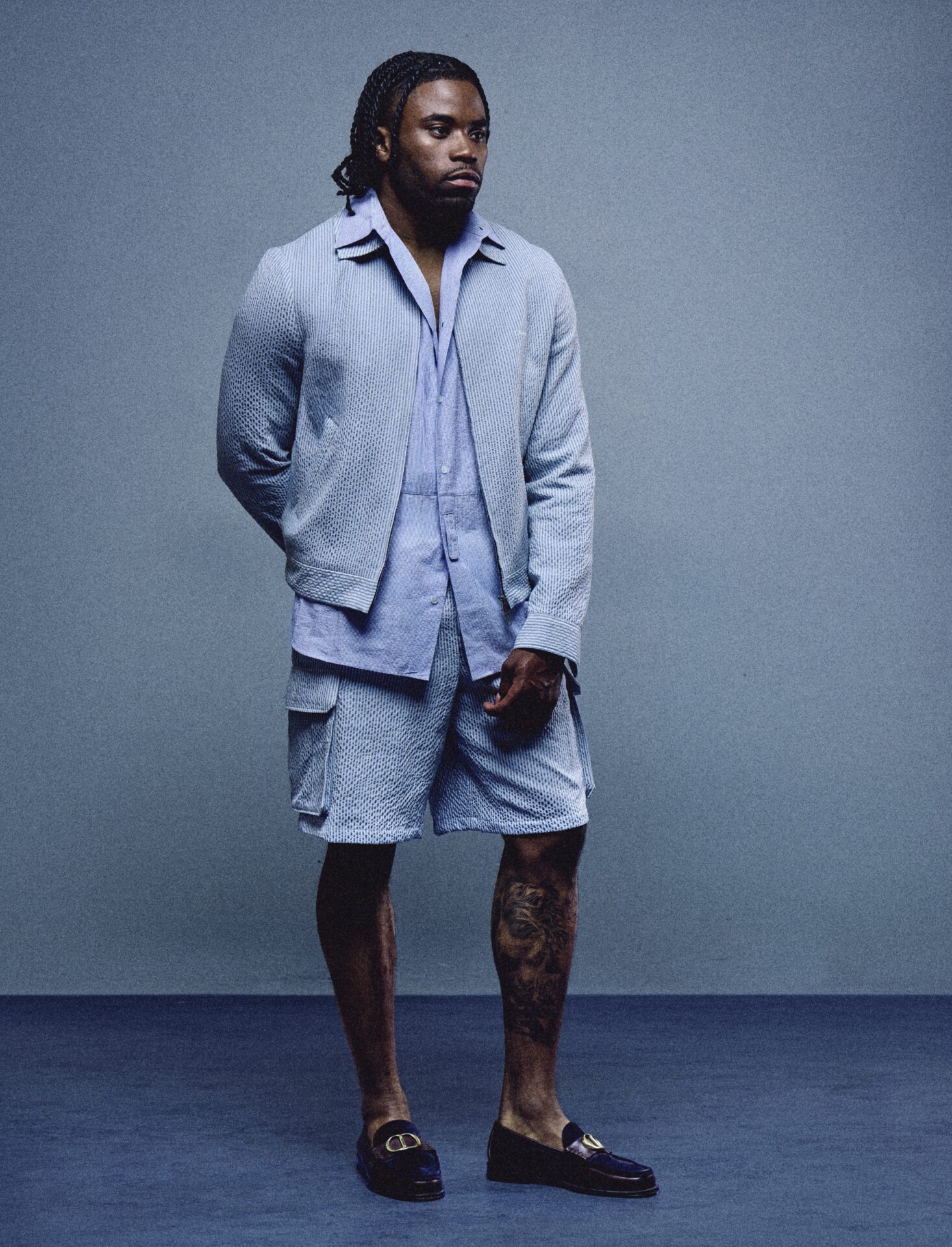
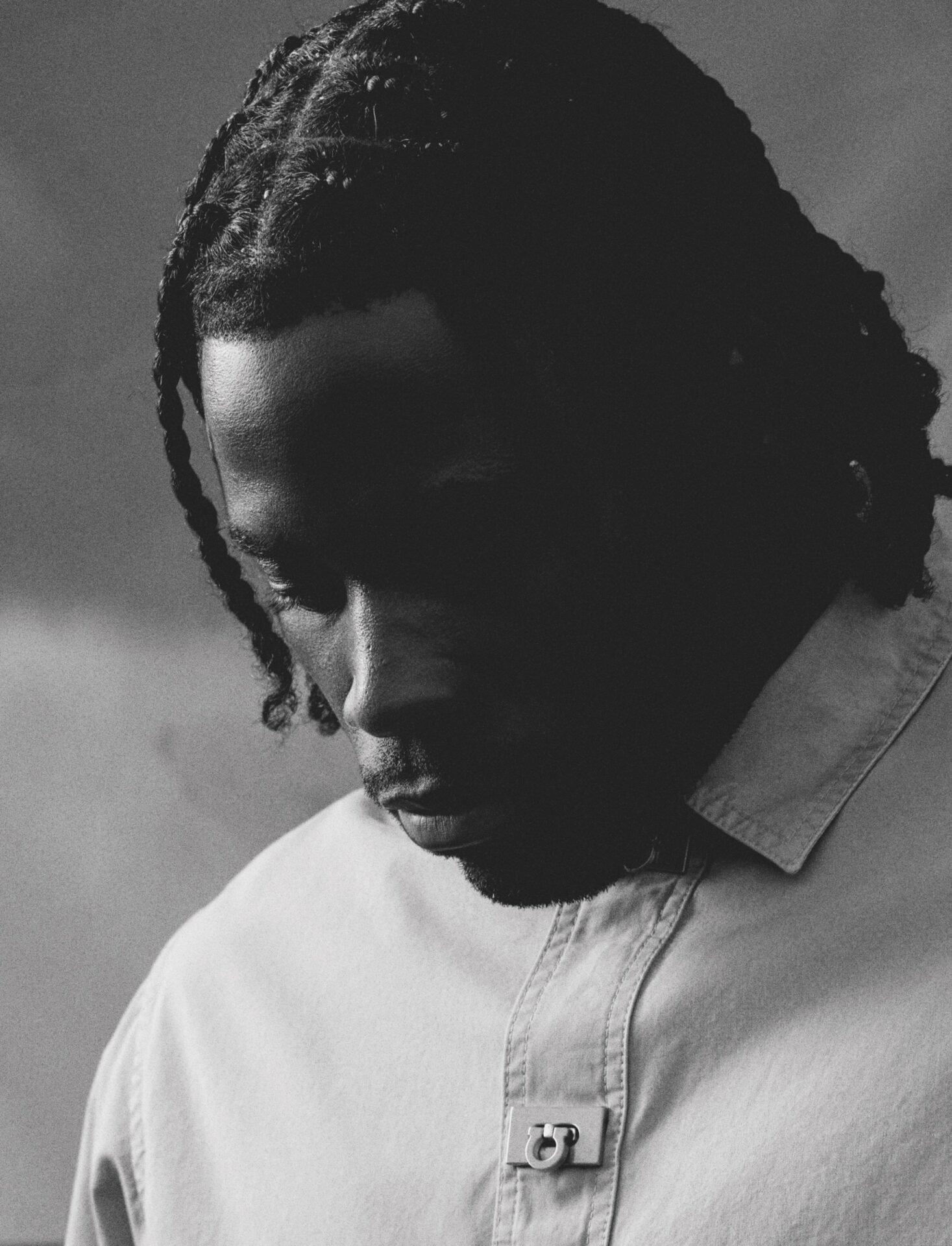
KENNY MOORE II ON PLAY, INSTINCT, AND THE ART OF ARRIVING SOMEWHERE YOU WERE NEVER SUPPOSED TO BE.
KENNY MOORE II enters a room the way he plays defense: quietly, without announcement, already reading the situation before anyone else has caught up. The former Indianapolis Colts cornerback has spent nearly a decade in the NFL – a league he only began preparing for in his senior year of high school. Before football, there was basketball, soccer, and track. Everything except the thing that made him famous. We meet in Berlin, where Moore II played in the 2025 Colts–Falcons game – part of the NFL’s expanding international slate. He is a man in transition, negotiating two timelines at once: the final chapter of a playing career and the opening pages of whatever comes next. The conversation moves between football and philosophy, Germany and Georgia, the robotic and the alive. The subject of this issue is PLAY: not sport, not performance, not the professional version of either, but the thing before all of that. By the end, it is clear that Moore II has been thinking about exactly this for a long time.
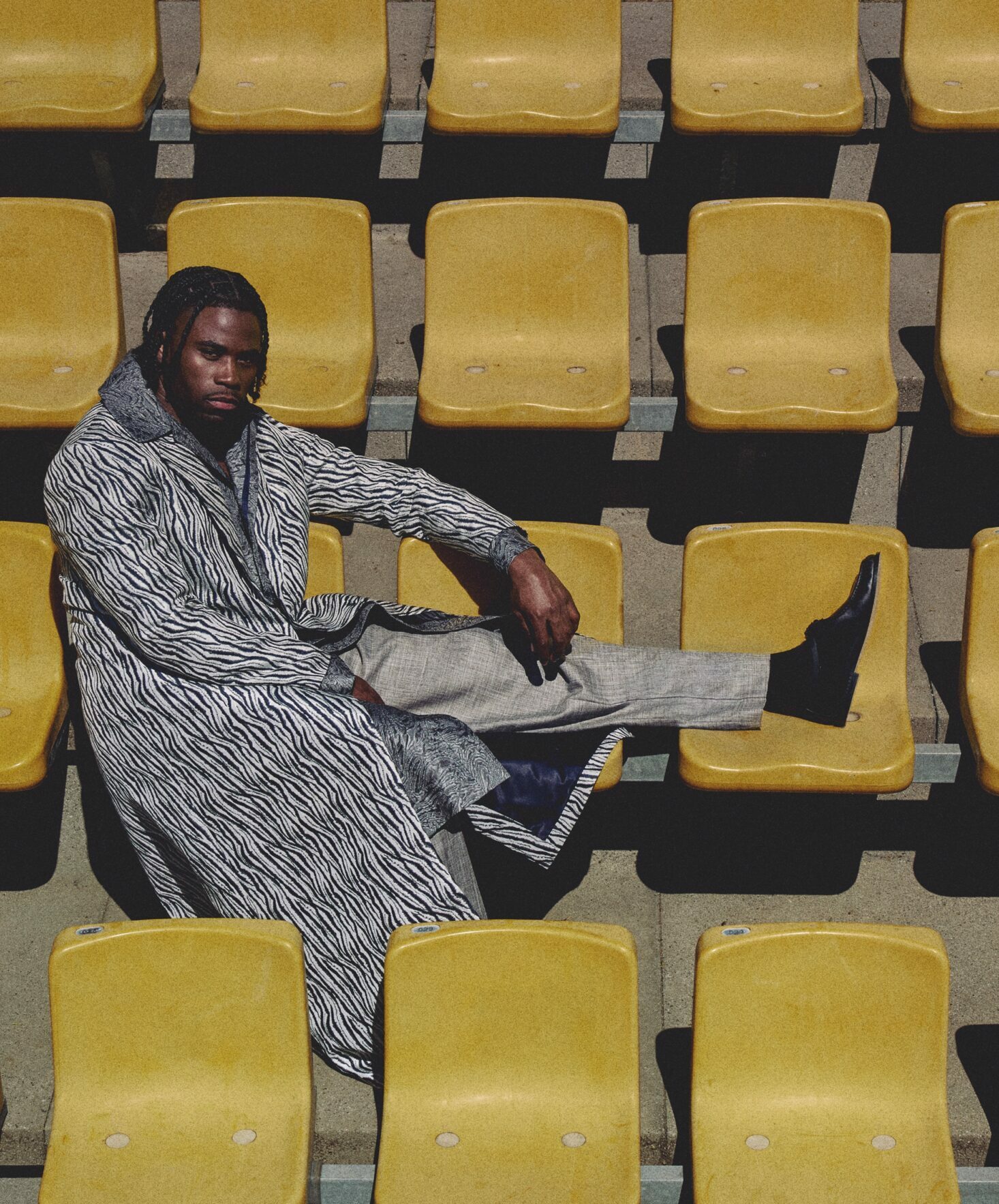
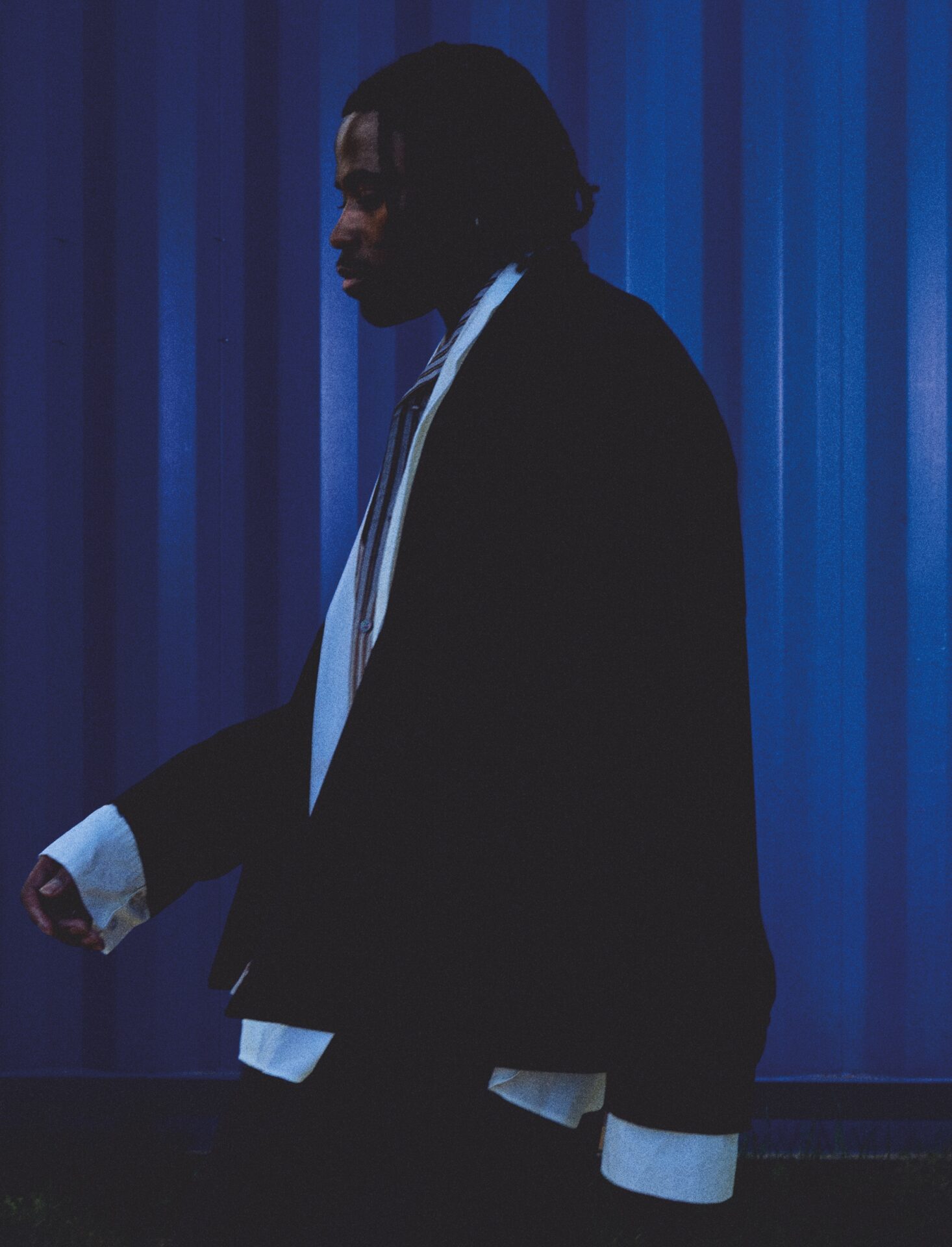
CHRIS HORN: You didn’t start playing football until your senior year of high school. Basketball, soccer, track, everything else came first. How does it feel to have arrived somewhere you never anticipated?
KENNY MOORE: I used to feel like I didn’t belong. But I feel like God doesn’t make mistakes. I’m just walking in my purpose. From an image standpoint, I’ve always struggled with whether I really belonged in the league, just because I didn’t do it my whole life. Whenever I go back home, a lot of people don’t know me as a football player. Now it’s completely different. It’s a little strange, balancing those two realities. But going into my tenth year, I’d say having all those sports and being comfortable in different environments really helped me. They all correlate with football – they complement each other.
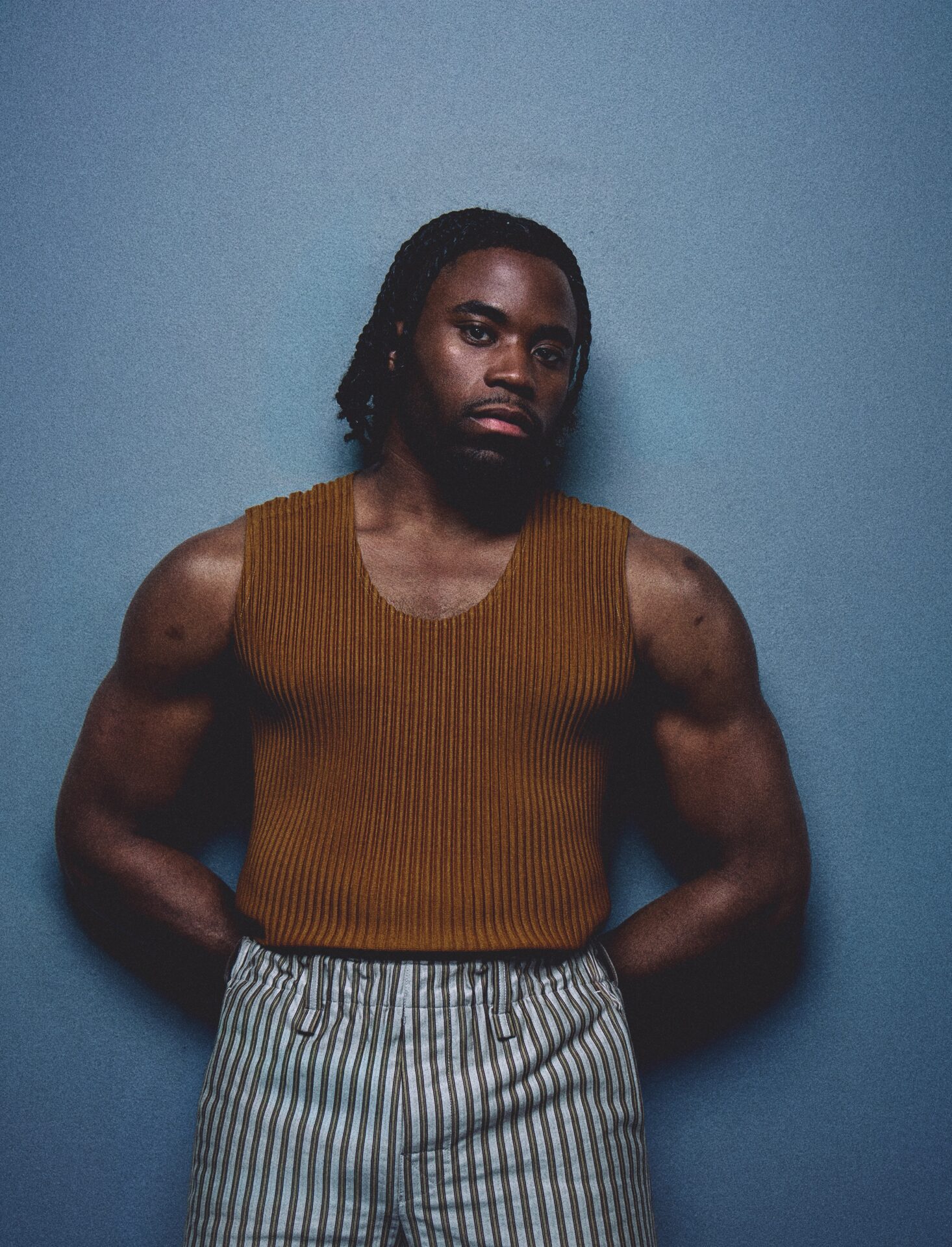
CH: Playing sport and turning it into a career can take away the unburdened quality of it. Have you ever been in a situation where the play has been taken out of it?
KM: It’s not a good state to be in when you’re not playing with joy. Football – any traditional sport – is a children’s game. You want to feel like a child every time you step on the field. When you don’t, it becomes hard to go to work every day. I was twenty-one, playing for a team that had just won a Super Bowl. On my first day, my coach told me I wouldn’t make the team. It makes you think: why am I here? But it was still an opportunity – a great brand to be part of, and it pushed me forward. So it’s a blessing to have it in my story. But when the play is gone, it feels like you’re going through the motions. Like it’s just a day at the office. No athlete wants that.
CH: The cornerback position is one of the most instinct-driven in football. Is that improvisation or pattern recognition – and is there a difference?
KM: The finesse of the sport is something you can’t teach. Reading body language – of one player or a combination – before a play starts comes with preparation. That preparation gives me the confidence to play fast, to play freely. I used to play flag football before organised football, and what I learned was not to do the generic things other guys do. It’s like art. You look at someone else’s work – good or bad – interpret it, and make it your own. When I see other players do something different, I take it and try to make it mine. So yes, somewhere between improvisation and pattern recognition. But really, it’s closer to art.
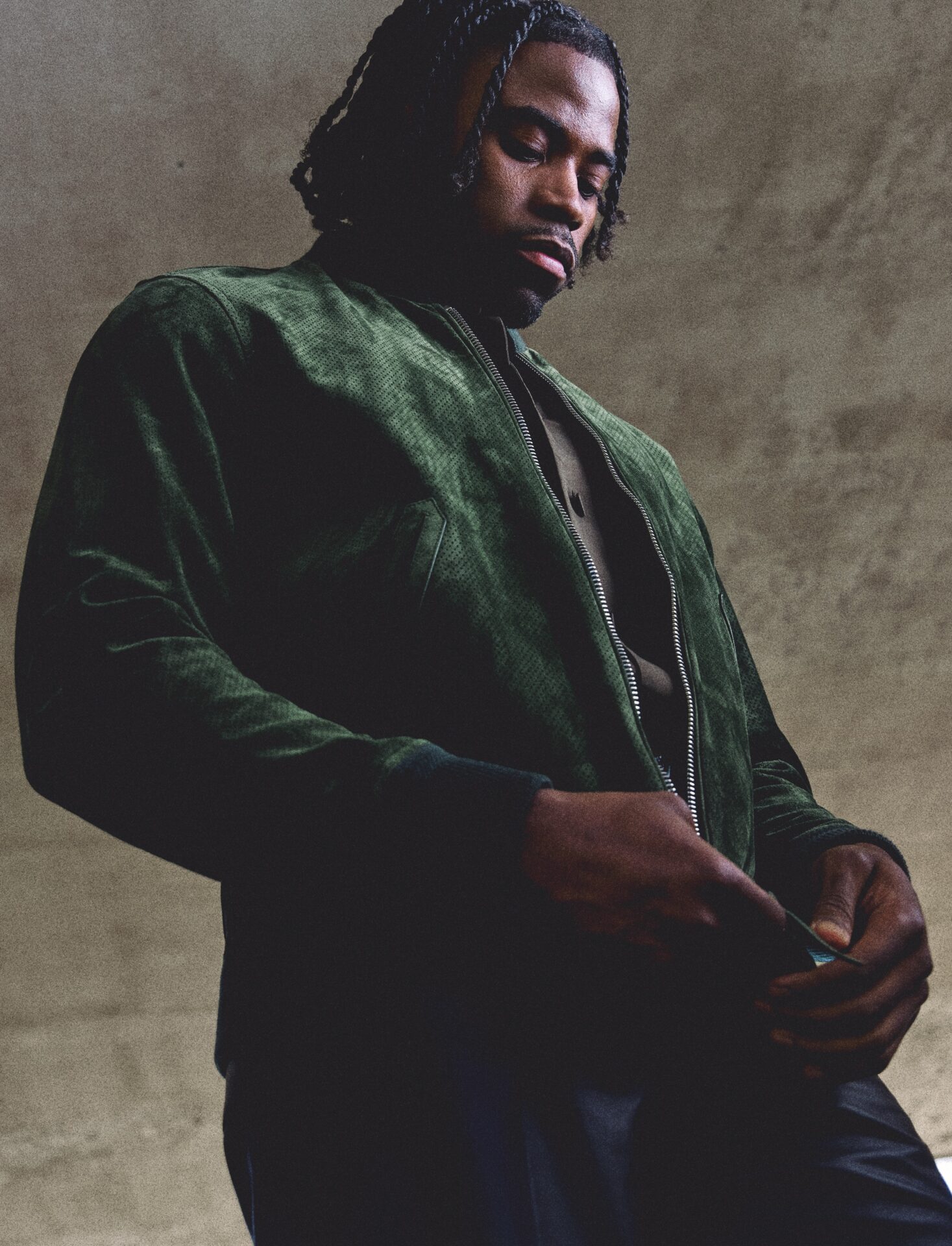
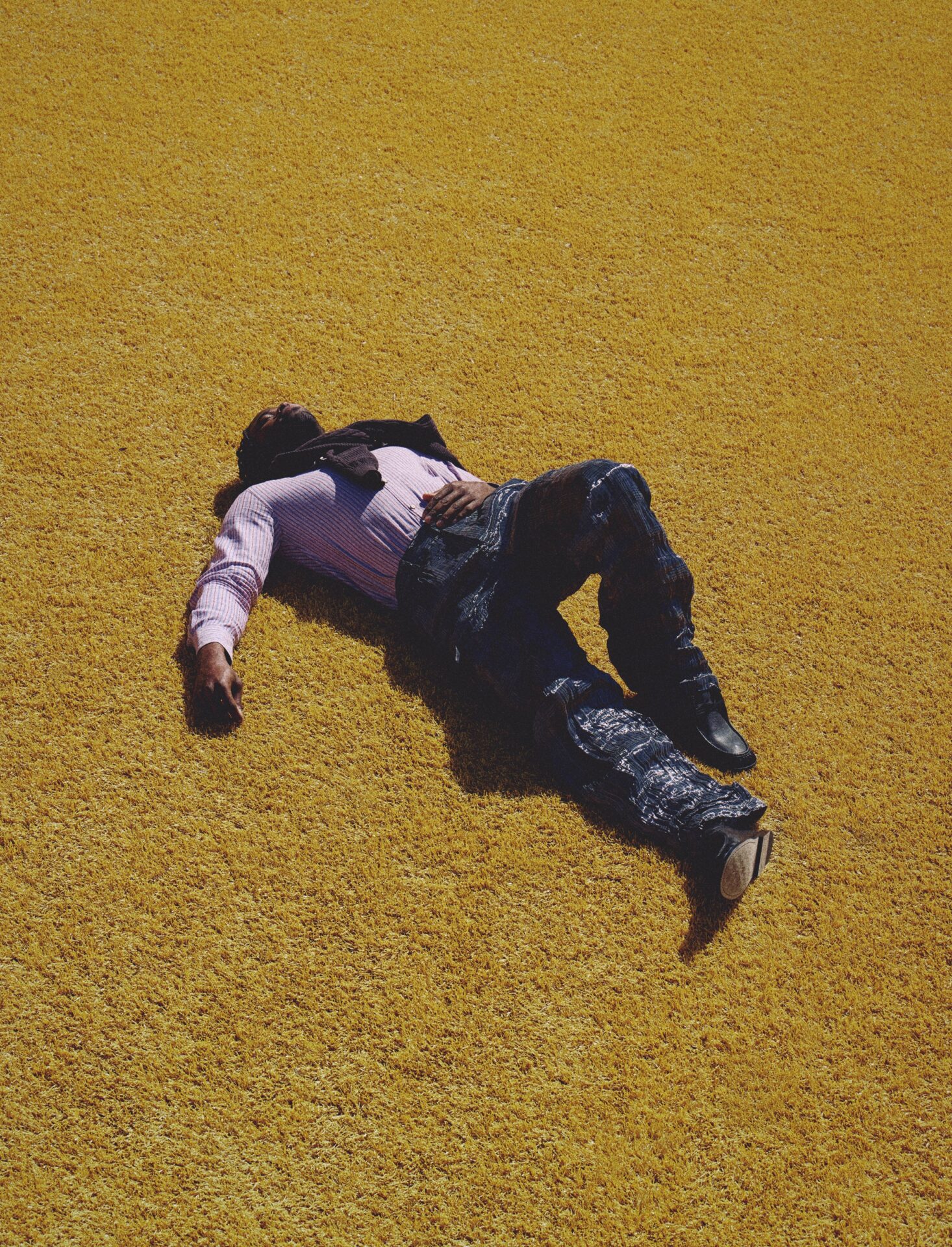
CH: At thirty, you’re one of the most experienced players on any roster and already thinking about other options. How do you stay fully in the game while preparing for what comes next?
KM: It would hurt me not to embrace what’s next. If the sport tells you you’re not good enough anymore and you don’t have a plan B, a lot of bad things can happen. One benefit of starting late is that I already had different interests before football. That can be a challenge with time – but it’s also a blessing, because I’ve been able to express myself in different areas during my career. I’ve built a strong team around me to help me balance things – personally and professionally. I don’t feel the pressure I used to. I’ve put myself in a position where I can transition. Whatever happens, I know I’ll adapt.
CH: You’re a Walter Payton Man of the Year nominee – the NFL’s most prestigious award. What does that mean to you?
KM: We’re more than players. No athlete wants to be put in a box. This gives us a chance to express not only ourselves, but things bigger than us. For me, giving back isn’t something I do, it’s a calling. It’s my role, not just for my community, but for people I don’t even know. Young athletes need role models, and I love that the league is honouring those who are.
CH: This issue is about PLAY. Not sport. The moment before it becomes professional, before it has stakes, before someone is watching. Do you still have access to that?
KM: I’m always trying to stay in touch with it. You’re always figuring things out. But I try to compartmentalise: balance work and family, make sure everyone’s good, and keep the fun in it too. The greatest feeling in my sport is feeling like a kid again, running onto the field, the jerseys, the impact you make, your role in a city. I fell in love with that. The hard part is that it doesn’t last forever. So you have to be intentional. Play is like a mental health routine – something you work on daily, something you keep close.
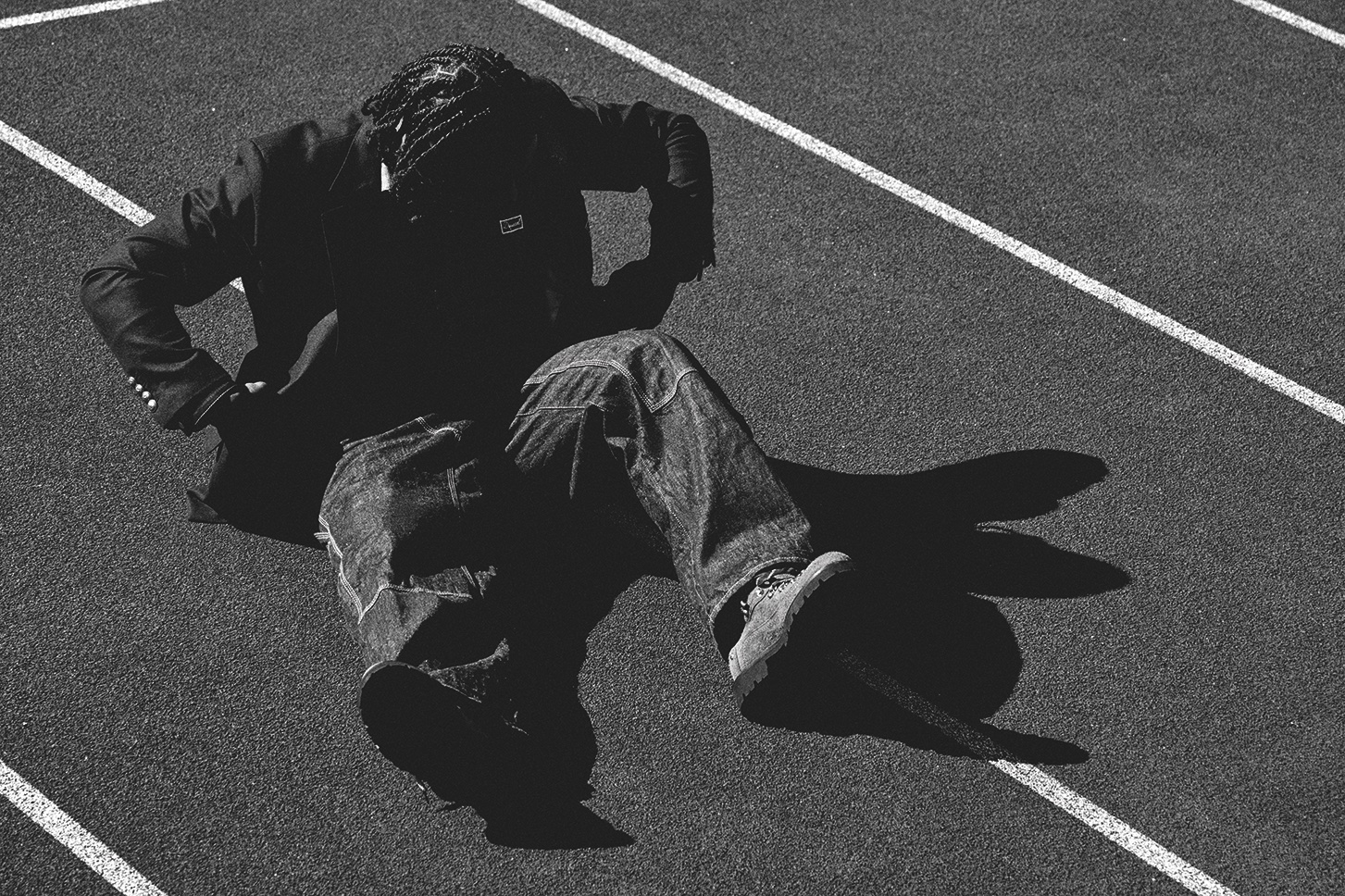
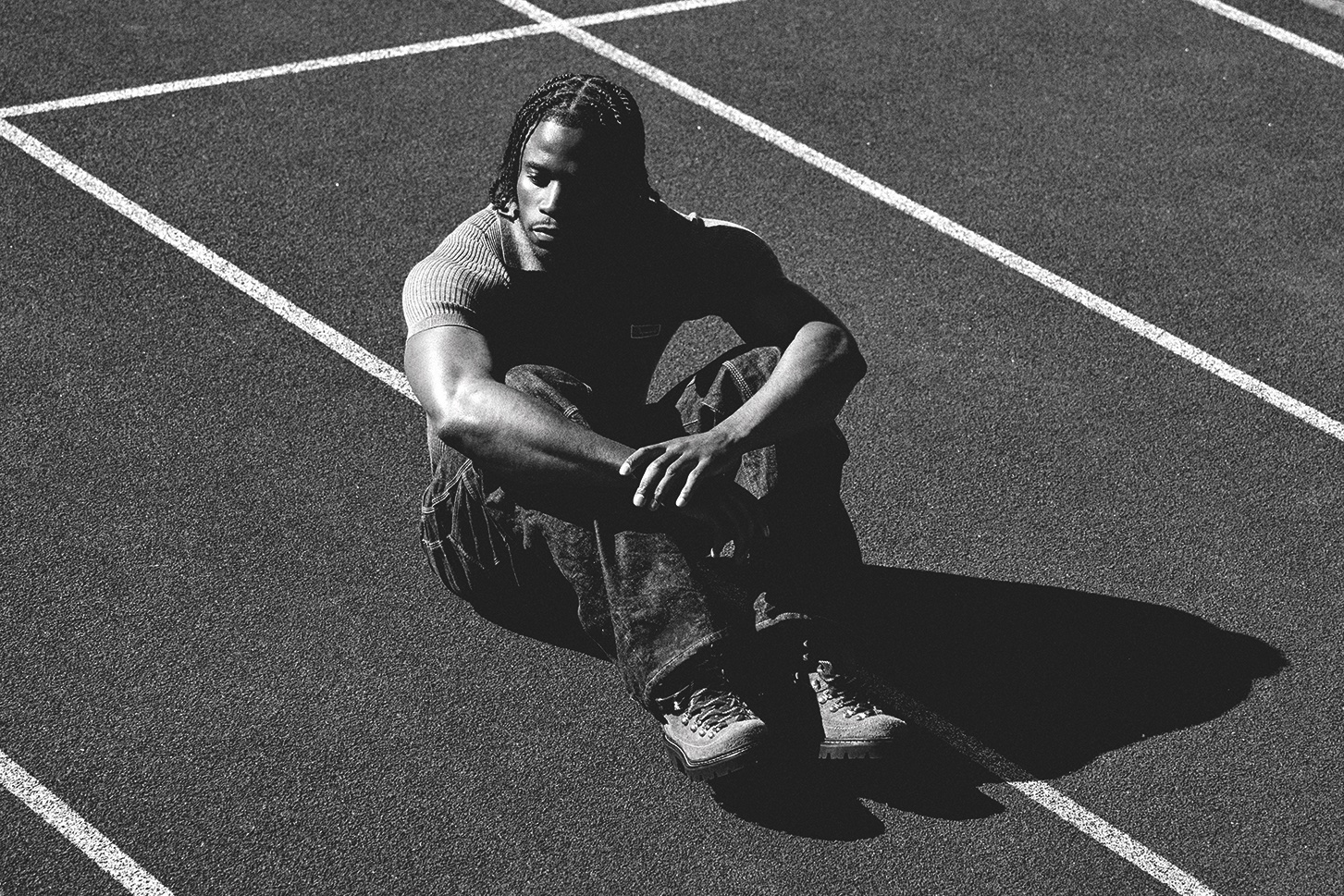
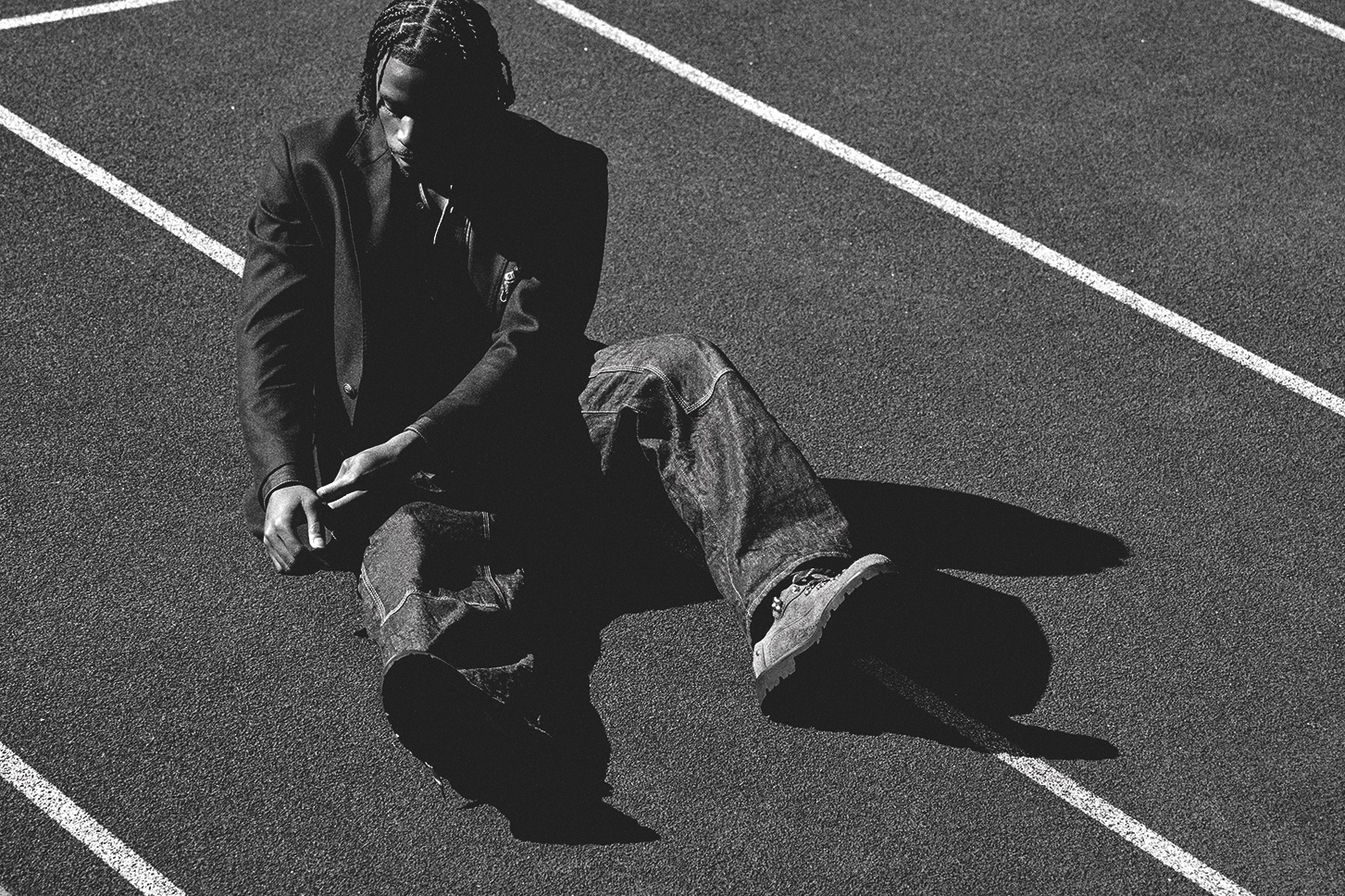
KENNY MOORE II played nine seasons for the Indianapolis Colts. He is a Walter Payton Man of the Year nominee and a two-time participant in the NFL’s International Series in Germany.
CREDITS
Fotografie von TOBIAS KRUSE
Kreativleitung ANTONIA DIPNER
Kreative Produktion JOHANNA ERDL
Photography Assistant ERIC TERREY
Styling von LENA LAUER
Styling-Assistent ANTTI NGUYEN