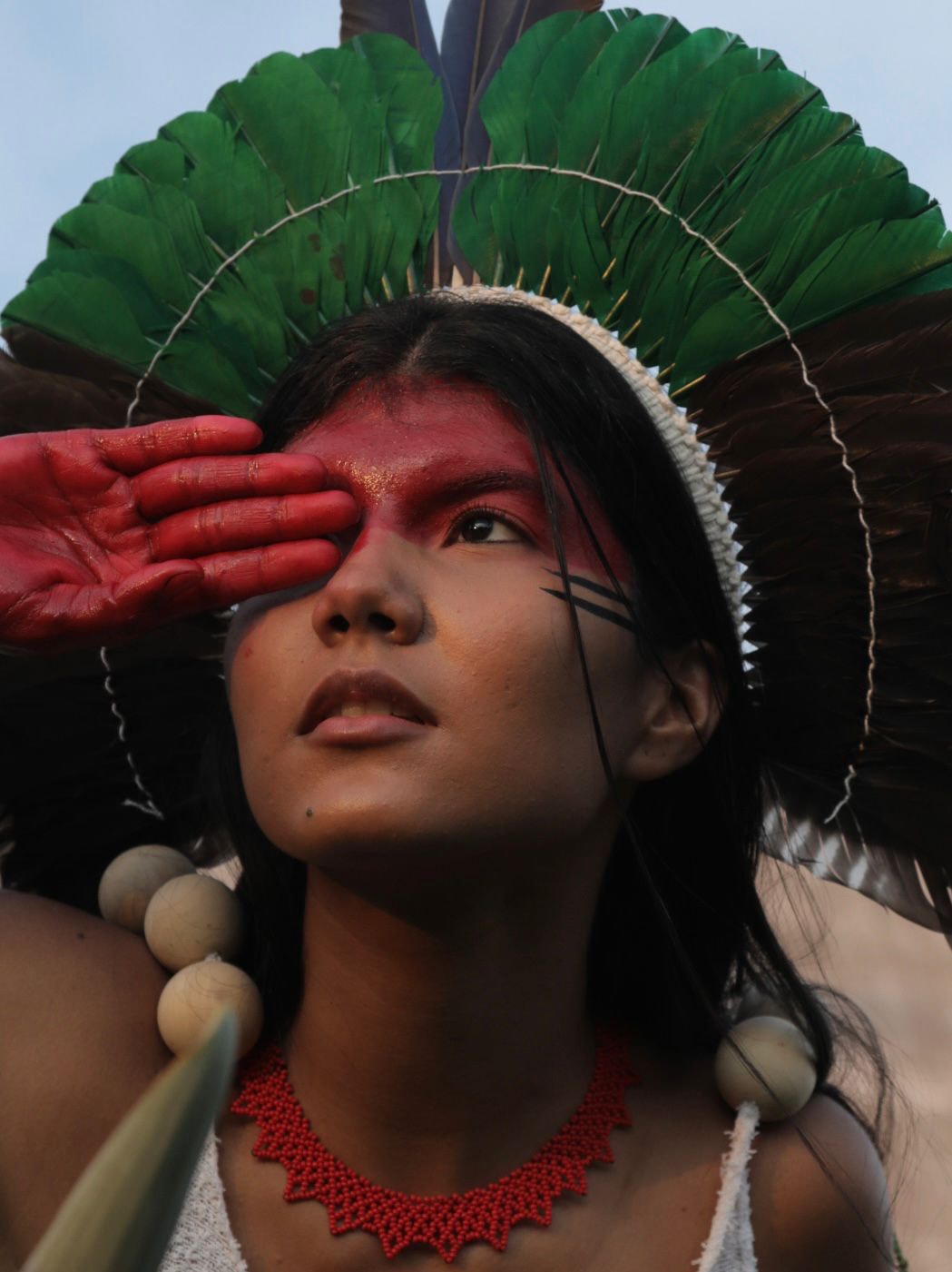
Photography by Vava Ribeiro for i-D.
Ich höre mir gerade Zaya Guarani feels like a tremor slicing through space: the universe seems to tilt towards her all at once. As she speaks, I half expect all of the espresso cups and saucers at the Parisian Starbucks she calls in from to rattle off their tables and shatter. That the entire café hasn’t been rendered completely immobile by her voice shocks me. Zaya is clarity embodied. ‘Indigenous people are fighting for everyone,’ she emphasises with characteristic intensity. ‘We are forcing ourselves to be everywhere, in every space, to be seen, to be heard — not just for our people but for the future of society and the planet. We are fighting for everyone.’
An internationally renowned model and devoted activist, Zaya isn’t here for anything short of radical political action, which she’s learned can be hard to come by in the fashion industry. Although she earned fame in Brazil as Ford Models’ first fully Indigenous fashion model, Zaya ended her relationship with the agency after a single year due to political differences: ‘Basically, they were superficial. When I pursued my activism, they didn’t support me. They did not genuinely support my cause.’ Since severing ties with Ford in February 2022, Zaya has crystallised her political intentions and now only lends her likeness to socially and environmentally conscious companies: ‘I will only work with brands that are committed to my cause and to helping tell my story.’ As comfortable holding the fashion industry environmentally accountable as she is articulating the Indigenous cosmo-visions key to averting global ecological collapse, Zaya sees herself as ‘the bridge between the Indigenous and the modern.’
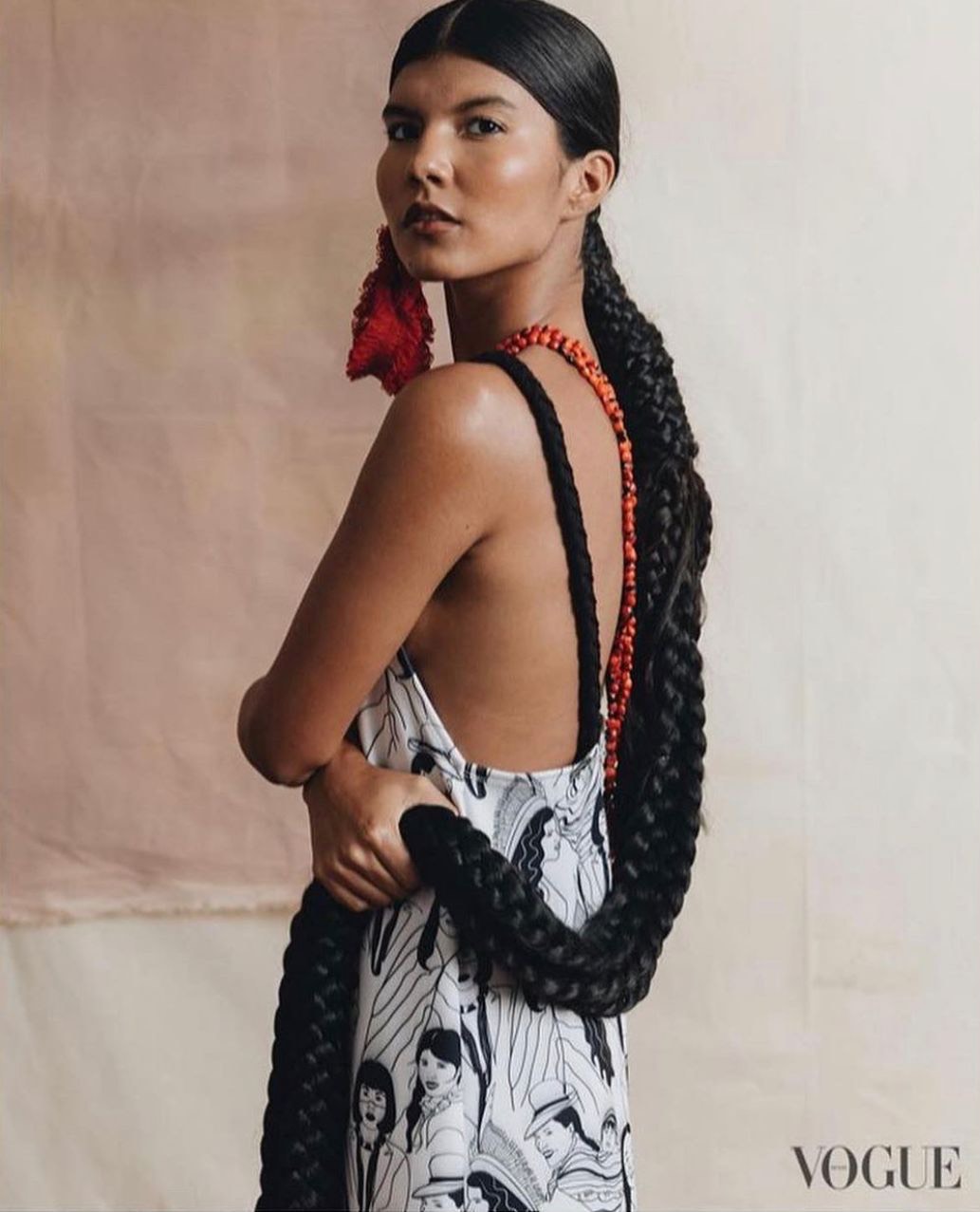
Photography by Felipe Vianna for Vogue Brazil.
That such clarity and commitment converge in a single soul is rare, let alone in someone as young (and striking) as Zaya at the tender age of 21. ‘I have always had this activism inside me,’ she explains. ‘Indigenous people are born with activist blood. We are born already fighting. A lot of people do not realise that we are constantly experiencing violence.’ She’s fresh off speaking at the 2022 Venice Film Festival in support of National Geographic’s recent documentary The Territory, which chronicles the ongoing wars waged between capitalist interests and Indigenous communities over the Amazon. Zaya, who was born in Rondônia, Brazil, near where The Territory was filmed, reveals that she grew up in the same devastating circumstances: ‘I suffered through and survived these same wars to be alive today.’ Zaya shares that she wept throughout the film, which she refers to as ‘a gift to this planet.’ It brings the reality of the Amazonian Indigenous struggle to a global audience. ‘People have only recently starting talking about deforestation and climate change,’ she clarifies, ‘but we Indigenous people have been living this struggle and facing this threat for centuries.’
Descended from generations of strong women leaders and shamans, Zaya belongs to the Indigenous Kamorapi and Guarani Mbya ethnicities. Although she currently lives in Europe and plans to move to New York City later this year, Zaya still feels fully connected with her Indigenous identity. Before taking to the streets of European metropoles each morning, Zaya paints her face with customary genipapo ink: ‘When I use sacred, traditional ways to represent my culture, I feel powerful.’ Nor is this daily ritual just a matter of aesthetics — it’s a matter of survival. Zaya’s maternal culture is on the brink of extinction. Her grandmother, who still lives in the Amazon, is one of only 20 people alive today who belong to the Kamorapi community. ‘I grew up learning from my grandmother but not from my cultural people,’ Zaya explains. ‘Everyone, since I was seven years old, died fighting these wars in the Amazon. No one talks about it, but indigenous people are really killed in silence.’ She pauses momentarily, then reiterates: ‘Indigenous people are killed in silence.’
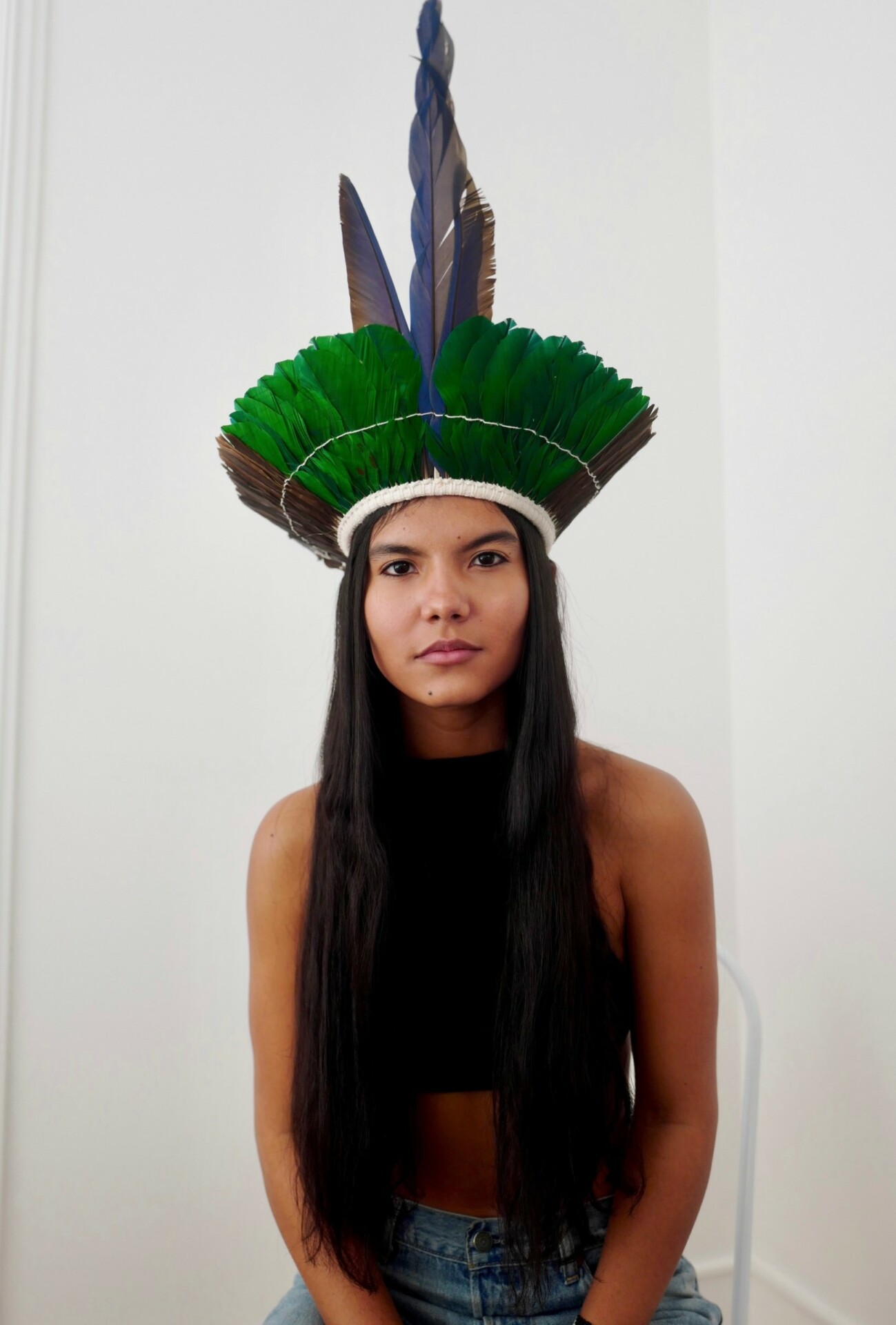
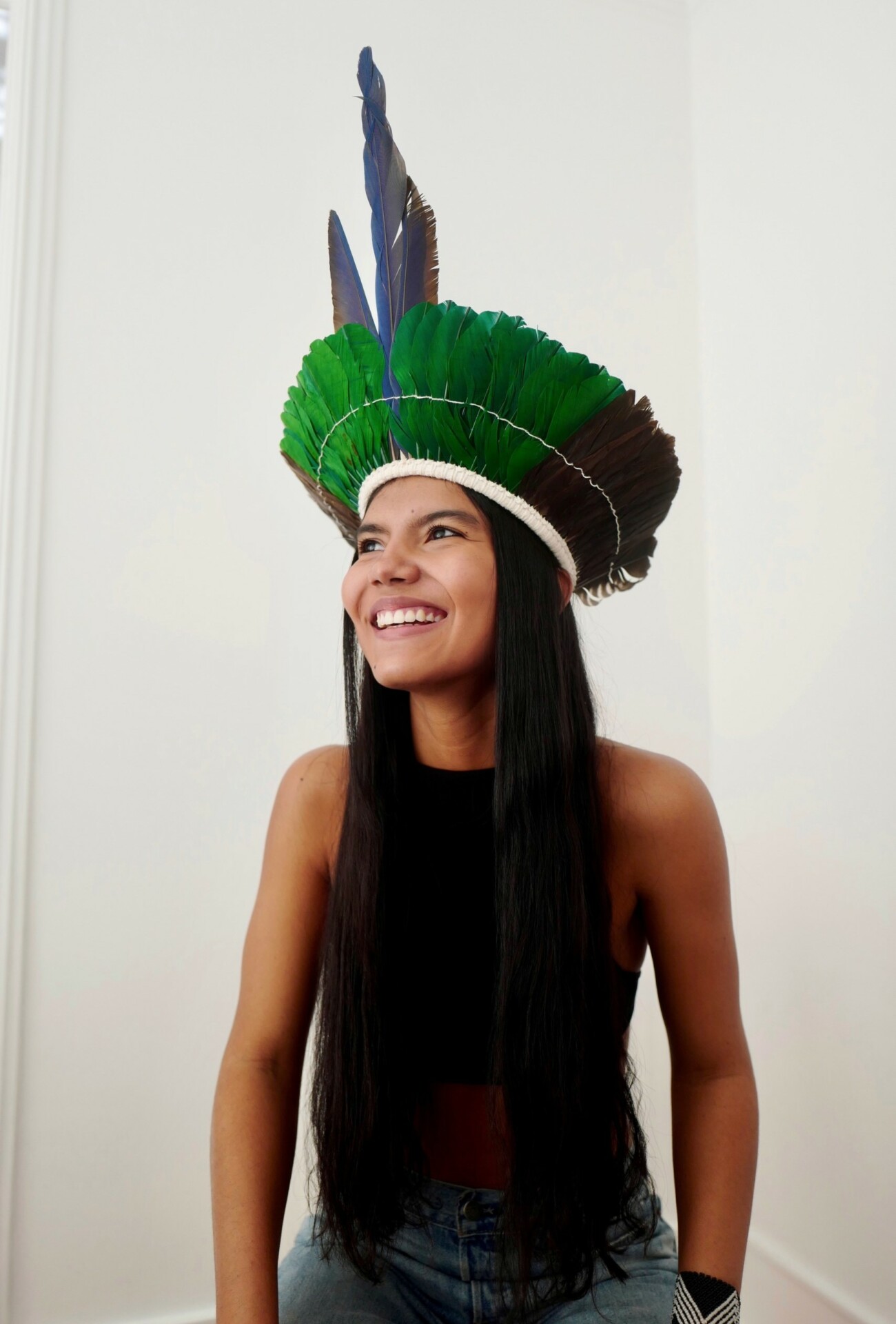
Image Courtesy of Zaya Guarani.
This is the exact message that Zaya intended to share with the world when she started learning English only nine months ago. She has made it her mission to raise her voice at every opportunity and uses her growing platform to speak on behalf of silenced Indigenous communities around the world. At an Indigenous rights protest in Brazil earlier this year, Zaya’s path was revealed to her by an Indigenous spiritual leader: ‘He said to me, “You were born to do something really different. Your way is already set: you, Zaya, will become the largest voice on the planet to save the Amazon.” When he said that, I started to collapse — when a spiritual leader tells you this kind of thing, it’s like a powerful ritual prayer. Every word that comes from his mouth will happen for sure, 100%. It might take time, but it will happen.’ This moment, a source of honour and pride, illuminated Zaya’s fate and opened the floodgates of her political energy: ‘After that, I told myself that I will do everything in my power to advocate for Indigenous rights. I will go everywhere, to every conference — even if I don’t speak English very well, I will do my best. I will do it my way and make things happen.’ And so she has: in November, Zaya will attend COP27 as an ambassador for the Legacy Forum, a humanitarian non-profit, to advocate for Indigenous rights and Mother Nature on the world’s largest political stage.
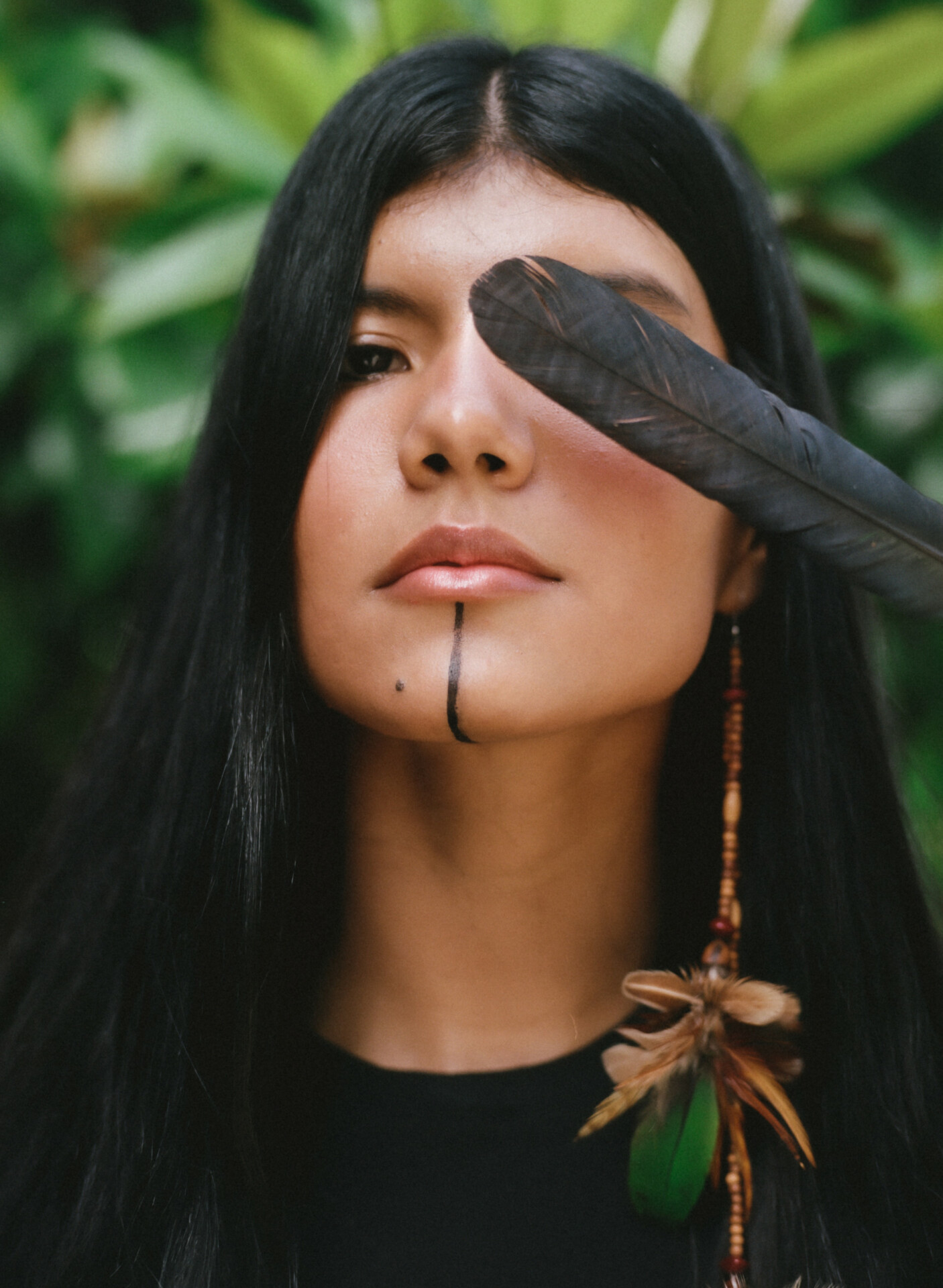
Photography by Kevin Buitrago.
Undaunted by the magnitude of her destiny, Zaya radiates a certain grounded confidence. I ask how she maintains her strength while shouldering the responsibility of speaking on behalf of so many: her own people, indigenous communities worldwide, the planet itself. She considers my question, taking a moment to reflect, then suddenly speaks with her signature self-assurance. ‘It’s very crazy, what I will tell you,’ Zaya begins, ‘but it is my truth: sometimes I have visions. I think this ability comes from my lineage, from my grandmother. When I have these visions, they are very powerful. I embrace them. One vision reveals that everything I’m doing will pay off — not too soon, but I will have the results eventually.’ This spiritual connection with the cosmic current fulfils and fortifies her: ‘I always have the answers. Even when I’m insecure, I have the answers. I know that everything I’m doing will help my people. This brings me strength every day.’
The governmental tides, too, may soon turn in her favour: on October 30, Brazil will hold its run-off election between progressive leftist Luiz Inácio Lula da Silva and far-right incumbent President Jair Bolsonaro, who ‘basically approved a series of laws to give farmers, loggers, and miners the right to invade Indigenous land,’ Zaya explains. This opportunity to remove Bolsonaro from office is pivotal for Indigenous rights and climate justice movements, both locally and globally. Amidst an uncertain political future, Zaya remains resolute in her vision. ‘We cannot continue to extract and exploit our natural resources for profit,’ she says. ‘I talk about my people because we need to preserve their culture and knowledge to help form regenerative solutions that support life. It’s very important that we not wait until it’s too late.’