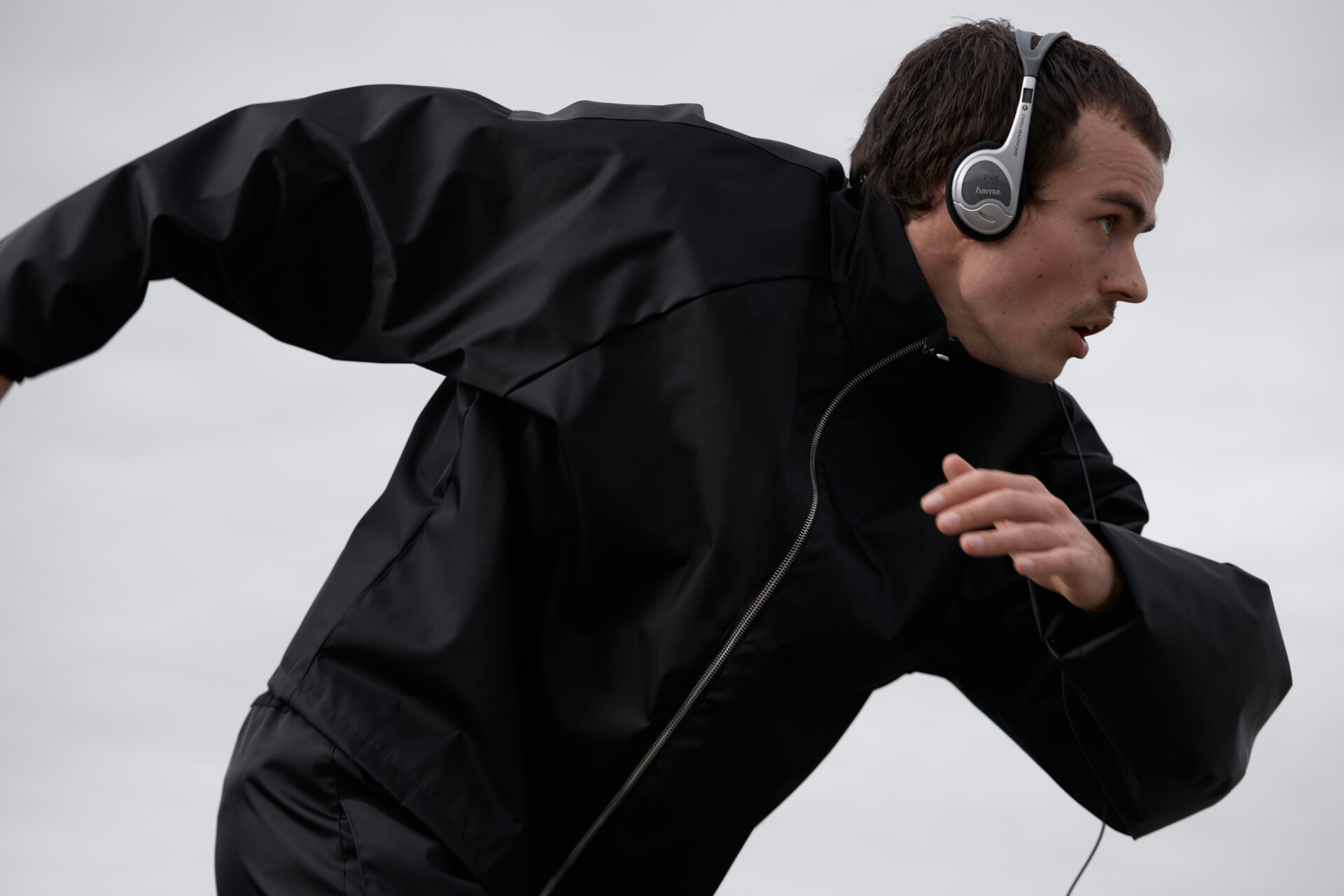
Image Courtesy of Valentin Hansen. Photography by Tom Funk.
When was the last time you were impatiently waiting for a new release from your favorite music artist? Perhaps, as you read this, you’re already waiting for a new release – or even a whole album, But what if artists become so efficient and productive that the waiting time shrinks to a minimum—or even disappears completely? A concept that seems unthinkable. For his latest project, Berlin-based artist Valentin Hansen has taken on this challenge and presents an album that could potentially never end.
Over the past decades, efficiency has become the currency of a whole generation. We try to optimize all processes in our lives, aiming to make the most of every second. We monitor our sleep, take nutritional supplements, order groceries via phone, and (try to) find love through algorithms. But how do you optimize art and genius—fields known to be the pinnacle of individual creative power? Across all arts and crafts, we can feel the influence of digitalization. Sometimes it’s successful, and sometimes it’s not, as famously seen in the rise and fall of the NFT market.

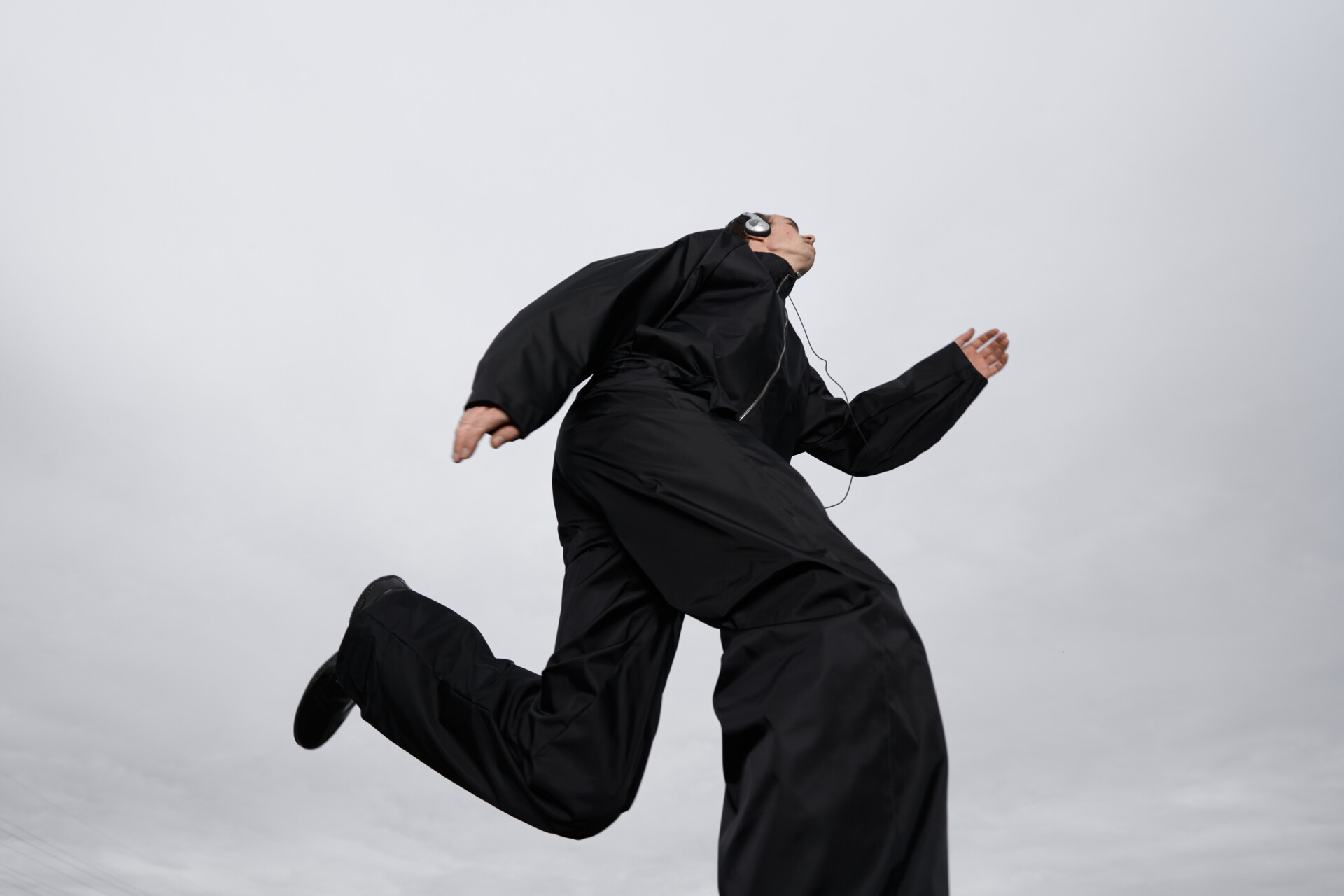
Image Courtesy of Valentin Hansen. Photography by Tom Funk.
For music, the most crucial evolution in the near past was the shift from physical copies to digital streaming. This development brought many positive aspects, such as the democratization of the music market and the simplicity with which we can now discover new music. But music was not only transformed into a collection of 1s and 0s; it also became subject to KPIs, performance metrics, and ultimately, capitalist interests. New technology is further fueling the development of efficiency-optimized art.
While streaming was the subject of Valentin Hansen’s 2019 project crisis (“The Worthless Album”), he is now exploring the possibilities of music in the age of machine learning and artificial intelligence production tools. His album “max” began in early 2025 and has not stopped since. At the time this article was written, the album consisted of 13,650 songs and had already surpassed the record held by Asha Bhosle, an Indian singer who recorded over 11,000 songs since 1947. With no end in sight, the project critically examines what the future might hold for music while navigating the thin line between critique and glorification of a technology that could reshape the lives of countless creatives and artists.
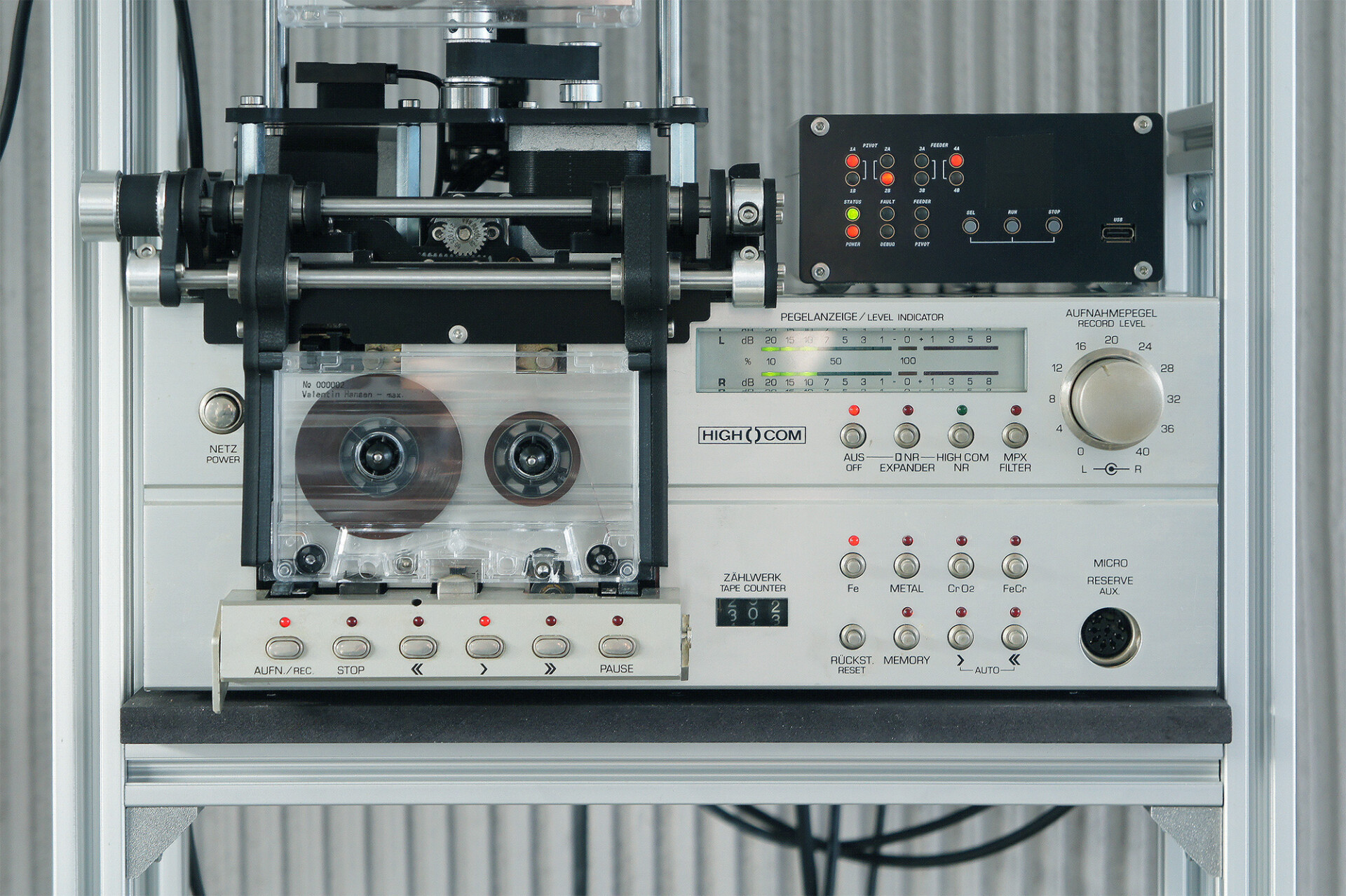
Image Courtesy of Valentin Hansen.
Peter Obradović: What was the initial situation that sparked your interest in a project that delves into machine-made music?
Valentin Hansen: About one and a half years ago, I came across some projects experimenting with AI-generated music. Seeing those, things clicked for me. If it’s possible to create music with machines—or just press “start”—then it would be possible to do this indefinitely. That was the initial inspiration. From there, I tried to develop the concept of a never-ending album.
PO: What did you feel when you realized a machine could take over your job and be far more efficient?
VH: Excitement! I believe being a musician or pop artist takes much more than just producing music. I wouldn’t say AI is taking over everything—not yet, at least. Initially, it was exciting. But of course, I also had doubts and insecurities about how the future might unfold.
PO: How do you create an album like max?
VH: The goal was always to make the music easy to listen to. I didn’t want to create something overly abstract or too artificial. I wanted to achieve a sound that fits within mainstream music. We started by training AI models on my music, but the initial results were very noisy—more like experimental noise music.
So we adjusted the process, combining tools and refining our methods. As we incorporated multiple tools, it became more about maximum productivity. A project about this high-performing, producing way of living.
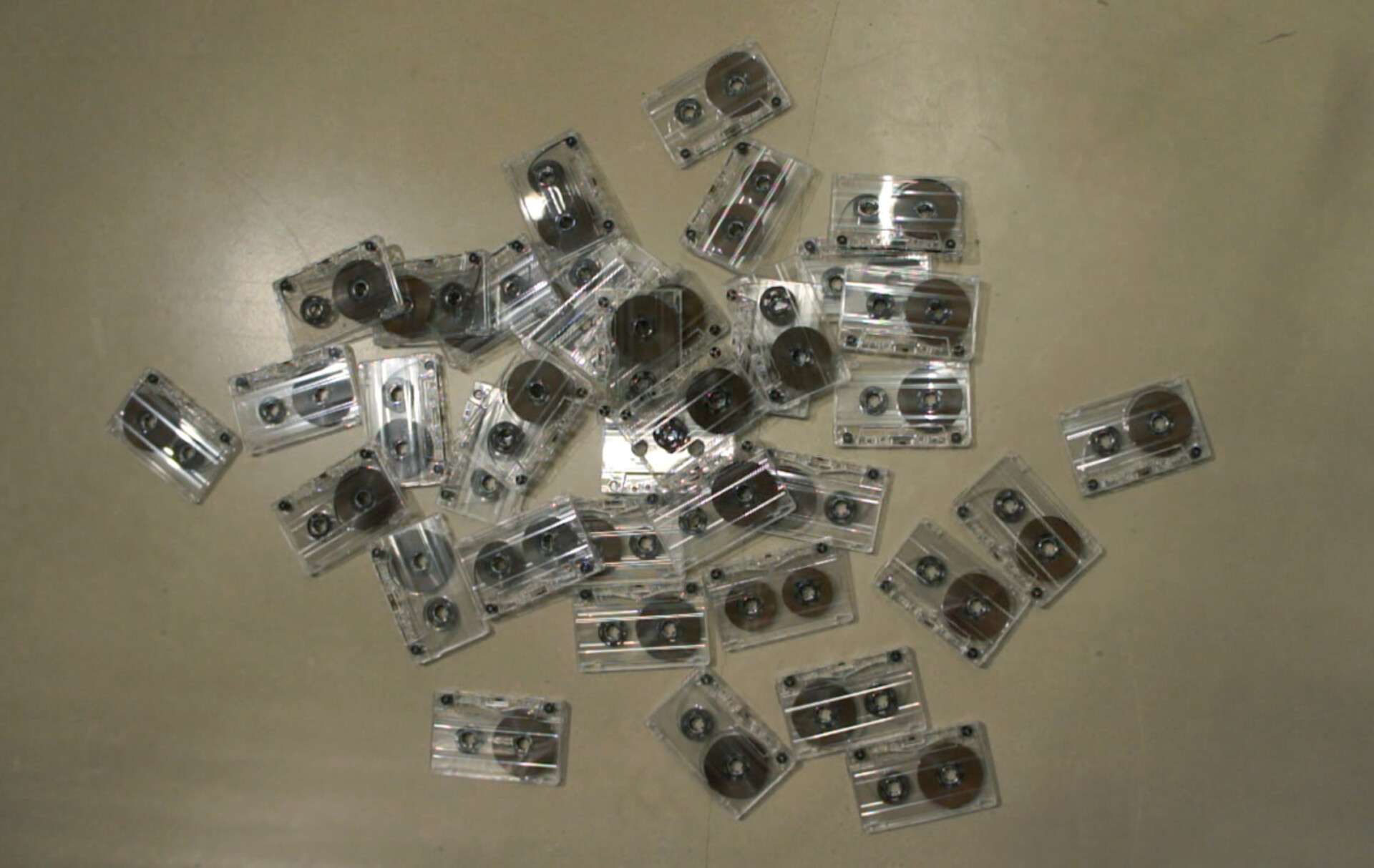
Image Courtesy of Valentin Hansen.
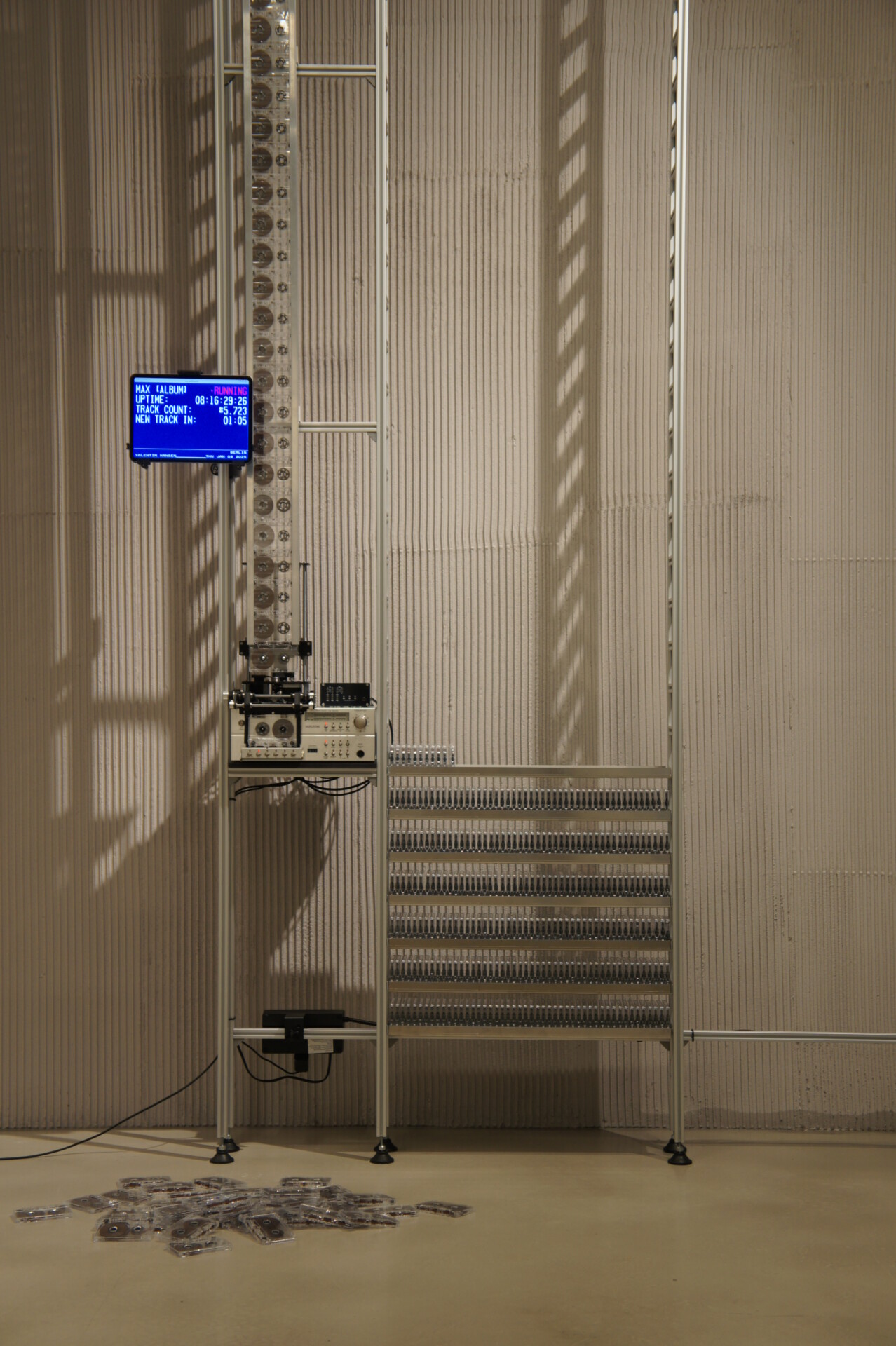
Image Courtesy of Valentin Hansen.
PO: Did your opinion on AI-generated music change while working on this project?
VH: Yeah. I mean, while working with it, I think my opinion changed multiple times. I don’t see that much potential for AI music, at least yet. Sometimes, for me, it’s just like an office joke—generating a song with fun lyrics and sending it to your buddies.
That said, I can see singer-songwriters using AI for inspiration, generating ideas they later develop themselves. This is already happening. But I don’t see pop music becoming entirely AI-generated. It doesn’t make sense to me.
PO: Now that the machine generates new songs every two minutes, do you consider yourself more the artist or the listener?
VH: I think it’s both. When I’m talking about it, I’m more the artist of the album. But when I’m on the website listening, I’m 100% the listener because I haven’t heard the songs before. It’s quite strange, especially because it’s my voice. Sometimes I recognize words from my own lyrics, as the software is trained on my songs. But in those moments, I definitely feel more like a listener.
PO: Are there moments where you’re jealous of the ideas the AI generates?
VH: Absolutely, 100%. Sometimes I’m even jealous of how the AI sings—it can do things I couldn’t sing myself.
PO: Why did you decide to archive the digital never-ending album on tapes, a limited and outdated format?
VH: When I came up with the concept of a never-ending format, I started thinking about its implications for things like music videos, live performances, merchandise, and content creation.
I also questioned data carriers—CDs, vinyl, or something else. Tapes seemed the best fit for translating the idea of the project. CDs felt too digital, and vinyl was technically too complex. Tapes, with the help of Lukas Esser and Orlando Hefner, became the perfect medium to archive “max”.
Image Courtesy of Valentin Hansen. Photography by Tom Funk.
PO: Is there an end in sight for “max”?
VH: No, the end is still open. I think time will ultimately define the end.
PO: How do feel about such rational things as a machine now determining how long we wait for music – a very emotional “product”?
VH: Sometimes it feels a bit like scrolling through TikTok—going on the website and just listening to another, next one, next one, next one, waiting for a song that moves me. So, I think it’s a bit like reacting to this non-stop feed of content.
PO: Do people understand how the album is made?
VH: Not really. For many people, it’s confusing. The voice sounds so clean and so much like mine that they struggle to imagine how it’s produced. People often approach me with questions, feeling perplexed.
PO: Doesn’t that scare you—that someone could impersonate you?
VH: Yes, definitely. But I’m not scared. I think we’ll adapt during this transformation phase, and systems to verify authenticity will emerge when necessary. However, it’s fascinating to see how many people can’t tell –or hear– the difference.
PO: What advice would you give to young producers starting out? How should they approach this new era of music production?
VH: The same advice applies as always, even before AI or streaming: Find your own sound. If you have a unique sound—or at least a vision of one—it doesn’t matter what the dominant technology is. You’ll be able to adapt and thrive.