
Die drei ironischsten Dinge: Frankreich fordert die Menschen auf, keine Kleidung mehr zu kaufen. Dabei ist dies das Land, das uns die Pariser Modewoche, die Haute Couture, die Met Gala und unsere Lieblingsszenen in Der Teufel trägt Prada (2006), hallo?! Jetzt nimmt Frankreich eine Branche ins Visier, deren Geschäftsmodell darauf ausgerichtet ist, dass wir uns nie wirklich auf dem Laufenden fühlen. Nun ja, zumindest teilweise. Denn ab September tritt ein neues Gesetz in Kraft, das das, was Frankreich offiziell als „Ultra-Fast-Fashion” bezeichnet, weniger attraktiv macht. Und genau bei diesem kleinen Wort „Ultra” wird es interessant.
Was bewirkt das Gesetz nun eigentlich? Ab September können Unternehmen der Ultra-Fast-Fashion-Branche für jeden verkauften Artikel mit höheren Umweltabgaben rechnen. Darüber hinaus werden Anfang nächsten Jahres auch Werbung und Influencer-Werbung für Ultra-Fast-Fashion verboten. Nun, das’Es ist schon eine ziemliche Sache, wenn eine ganze Einkaufskultur in unseren Feeds stattfindet. Also ja, dein nächster Einkauf bei Temu oder Shein könnte sich bald etwas schwerer an ein französisches Publikum verkaufen lassen. Ups.
Und ehrlich gesagt klingt das doch eigentlich ganz gut. Wir kennen doch alle diese nervigen Kollaborationsvideos. Jemand schüttet den Inhalt eines Pakets mit 23 Oberteilen auf sein Bett, probiert jedes einzelne zwölf Sekunden lang an und erzählt uns, welche davon „richtig gut aussehen“”. Dann kommt ein weiteres Paket an. Und noch eines. Abgesehen davon, dass es lächerlich günstig ist, Die „Ultra-Fast-Fashion“ hat dazu beigetragen, das Einkaufen in Inhalte zu verwandeln und Inhalte in einen weiteren Grund zum Einkaufen. Frankreich versucht nun, diesen Kreislauf zu durchbrechen, indem es gegen die Preise, die Werbung und letztendlich auch gegen die damit verbundene Attraktivität vorgeht.
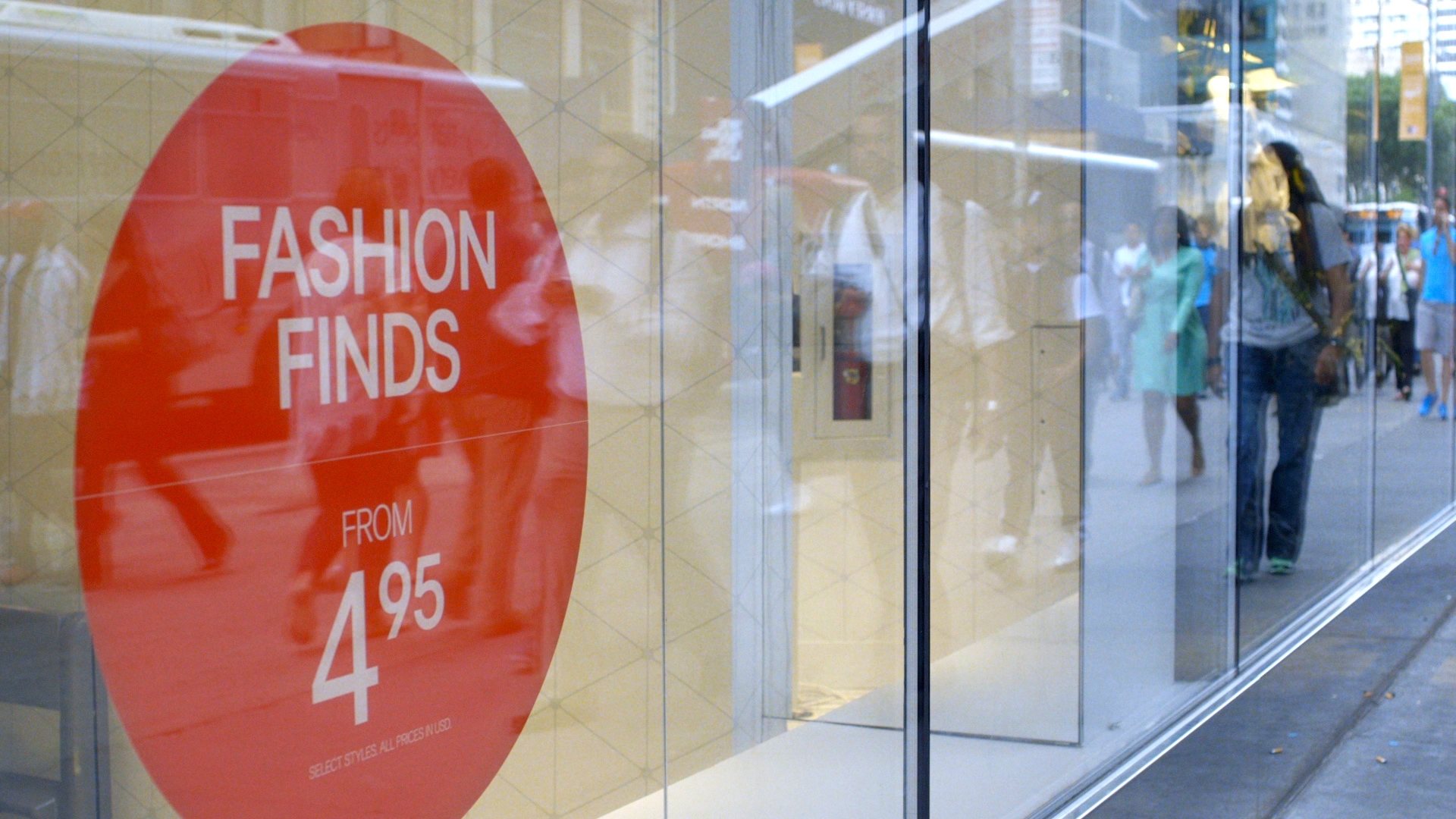
Hinter all dem verbirgt sich natürlich eine Frage der Nachhaltigkeit. Selbst für ein Top für 7 € werden Stoff, Wasser, Energie, Arbeitskraft, Verpackung und Transport benötigt. Wenn Kleidung in riesigen Mengen produziert und nach ständig wechselnden Trends entworfen wird, erscheint dieser niedrige Preis plötzlich nicht mehr ganz so harmlos. Wenn wir ehrlich sind, haben wir uns alle schon einmal dabei ertappt. Und Frankreich möchte, dass einige dieser versteckten Kosten schwerer zu ignorieren sind. In diesem Fall können Unternehmen dazu verpflichtet werden, Informationen über Umweltauswirkungen, Reparaturmöglichkeiten und Recycling offenzulegen. Plötzlich muss dieses 7-Euro-Oberteil einiges mehr erklären.
Dennoch stellt sich hier eine heikle Frage: Warum kaufen die Leute das überhaupt? Die Modebranche vermittelt uns ständig, dass es wichtig ist, mit der Zeit zu gehen. Heutzutage erreichen uns Trends über unsere Handys in einer Geschwindigkeit, auf die unsere Kleiderschränke und Bankkonten nie ausgelegt waren. Und jemandem zu sagen, er solle “besser einkaufen”, klingt verlockend, wenn ein 200-Euro-Hemd zur Auswahl steht. Für viele Menschen ist das jedoch keine Option. Es hat etwas Paradoxes, wenn eine Branche jedem bestimmte Sehnsüchte verkauft und dann die Menschen dafür verurteilt, dass sie auf die günstigste Variante davon zurückgreifen.
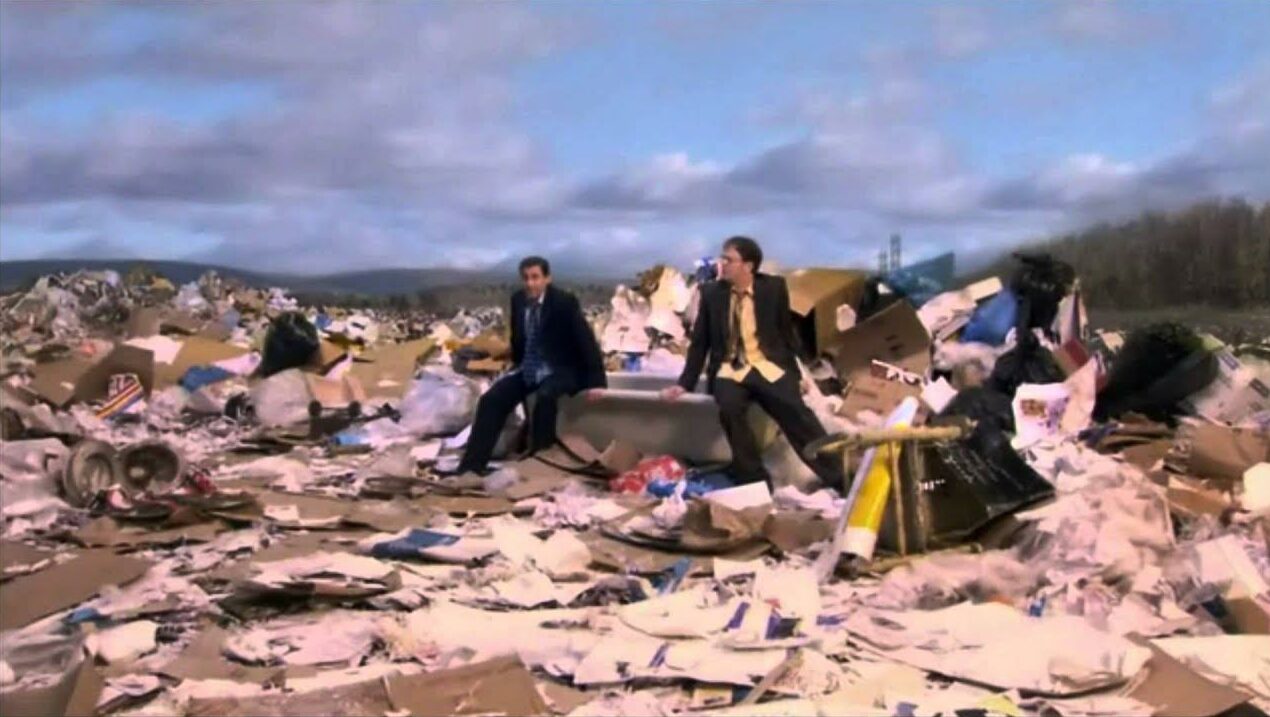
Zudem zielt das neue Gesetz vor allem auf Ultra-Fast-Fashion-Anbieter wie Shein und Temu ab. Marken wie Zara und H&M bleiben von den strengsten Vorschriften weitgehend verschont. Sicher, sie arbeiten nicht genau auf dieselbe Weise. Aber auch sie produzieren riesige Mengen an Kleidung in hohem Tempo. Wenn Frankreich also wirklich die Mode nachhaltiger gestalten will, müssen wir fragen: Wo genau fängt “zu schnell” an?
Diese Idee wird noch interessanter, wenn wir uns anschauen, was auf der anderen Seite der Modewelt passiert. Vor kurzem hat Zara John Galliano für eine zweijährige Zusammenarbeit unter Vertrag genommen, wobei der ehemalige Designer von Dior und Margiela sein Archiv und seine kreative Handschrift in eine der größten Einzelhandelsmarken der Welt einbringt. Das bedeutet: Während Frankreich eine Form der Massenmode weniger begehrenswert macht, wird eine andere mit den kulturellen Codes des Luxus veredelt.
Früher stand die Haute Couture ganz oben, die High-Street-Mode irgendwo in der Mitte und die Schnäppchenmode ganz unten. Heute kann Zara sich die kulturelle Glaubwürdigkeit von Galliano als Deckmantel zunutze machen, während Shein zu jener Art von Mode wird, von der die Regierungen aktiv wollen, dass wir sie meiden: Die eine Variante genießt das Prestige der Designer, die andere wird reguliert.
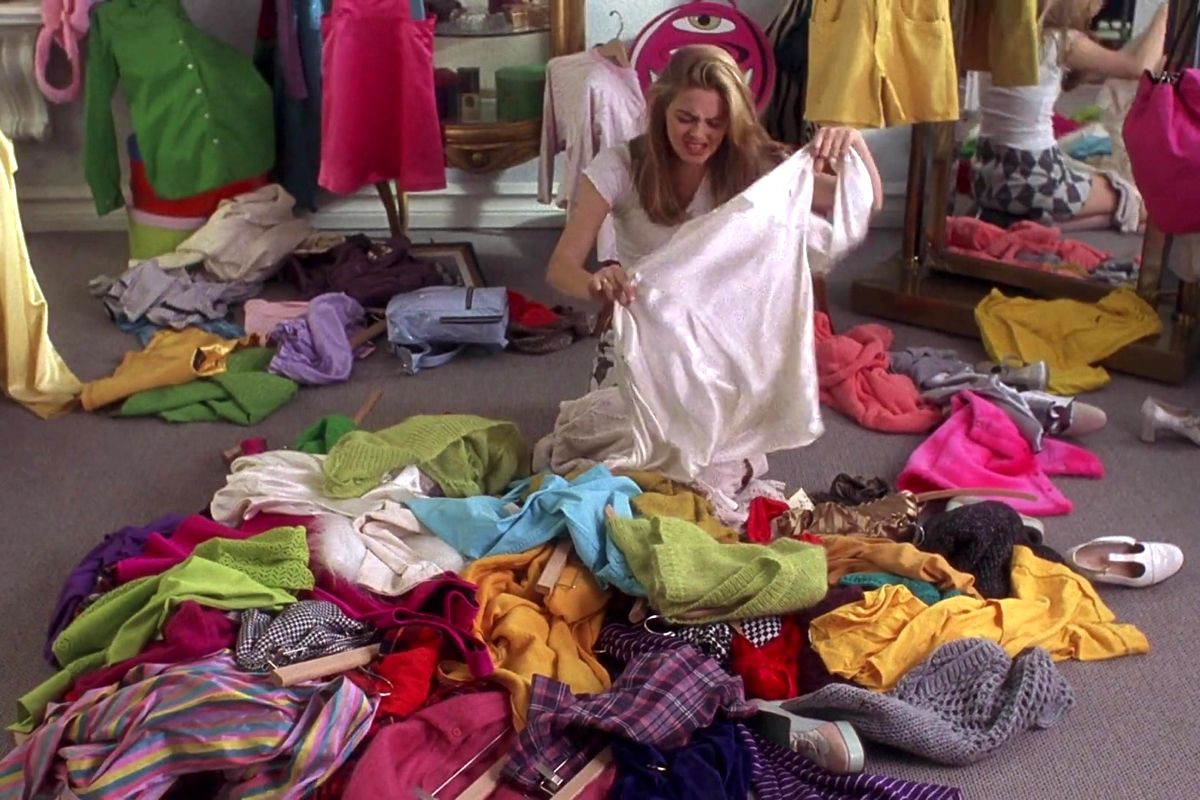
Das’Deshalb wird der September spannend, Leute. Mal sehen, vielleicht kaufen die Menschen weniger. Vielleicht ändern sich die Plattformen. Oder möglicherweise verlagert sich der Konsum irgendwie hin zu Marken, die sicher außerhalb der Definition von „Ultra-Fast-Fashion“ liegen. Denn die extremste Form des Überkonsums unattraktiver zu machen, bedeutet nicht,’Das macht Mode nicht automatisch nachhaltig, und vielleicht werden wir einfach wählerischer, wenn es darum geht, wo wir zu viel konsumieren.
Natürlich ist es falsch, „Ultra-Fast-Fashion“ so zu behandeln, als ob es sich um eine €Dass „4 Dress“ aus dem Nichts auftaucht, war von vornherein nicht nachhaltig, und es ist ein sinnvoller Schritt, die Verantwortung den Unternehmen zuzuschreiben, die dieses System antreiben. Aber wenn Shein zur Mode wird …’… das inakzeptable Gesicht, während Zara Galliano engagiert und H&M Stella McCartney hat, Wir verändern das System nicht wirklich. We Einfach nur eine schönere Linie durch dieselbe Kultur des ständigen Konsums ziehen.
Nachhaltigkeit kann nicht nur darin bestehen, eine Shopping-App durch eine andere mit einem seriöser wirkenden Logo zu ersetzen. Sie muss unsere Einstellung dazu verändern, wie viel Kleidung produziert wird, wie schnell wir erwarten, dass sich Trends ändern, und inwieweit wir zulassen, dass Mode zu Wegwerfware wird. Frankreich hat einen positiven Anfang gemacht, indem es die Frage gestellt hat, wann „fast“ zu schnell wird. Die schwierigere Frage ist jedoch, was als Nächstes kommt: Wie viel Mode ist zu viel?