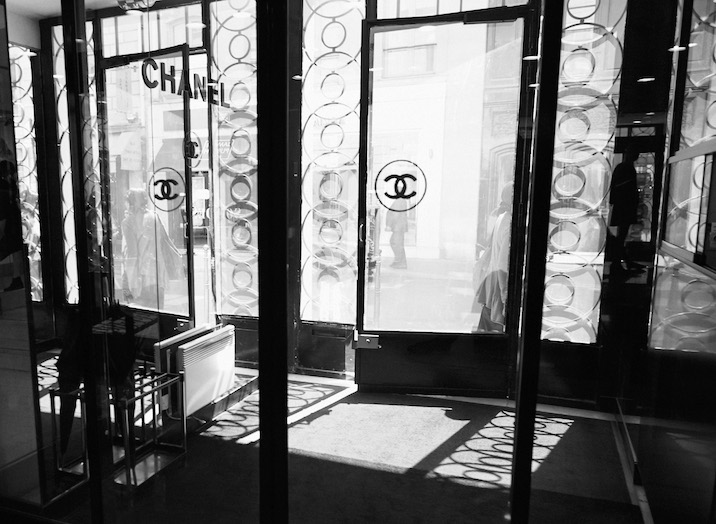
 Photography by Christoph Wohlfahrt
Tucked away in suburban Pantine, the House of Lesage houses workshops churning out details for Balenciaga, Valentino, Givenchy and, of course, Chanel, who kindly invited Sleek for a tour. As we wandered behind the scenes, here are five things we learned on Chanel’s cutting room floor.
The five workshops
The haute couture atelier is composed of five workshops: Maison Paloma for confection and finishing, Lesage for embroidery, millinery at Maison Michel, the fine jewelers and metal-workers at Goossens, and finally, Lemarié’s feather and fabric flower makers. It’s not quite the rickety, Dickensian labyrinth of attics Sleek was expecting (abuzz with fairy godmother seamstresses) but these are Chanel’s five hands of Patin and it is the flutter of the so-called “petites-mains” (tiny hands), the highly-skilled (and mostly female) artisans employed here upholding the painstaking standards of a craft steeped in centuries of tradition.
There’s a calm before the storm
In addition to technical challenges, the petites-mains also contend with the demanding pace of the fashion calendar. There isn’t a moment to spare between the surge of collections produced for biannual haute couture and prêt-à-porter seasons, plus inter-seasonal lines, archive refreshment and special commissions. Yet despite the imminence of yet another Paris Fashion Week (we visited just before haute couture week), the atmosphere throughout the building is serene.
 Photography by Christoph Wohlfahrt
Age comes before beauty
Maison Lesage is the oldest of its kind in Paris, with archives boasting exquisite samples from founder Albert Michonet’s time right up to the present day. Michonet was chief embroiderer to Charles F. Worth (haute couture’s founding father), Napoleon the Third and Empress Eugenie, but sold his atelier to the Lesage family in 1924. Current directrice Murielle Lemoine has held the keys to Maison Lesage’s treasures for over 25 years and is the first point of contact for designers as they begin work on a collection.
The Maison has used some unusual materials…
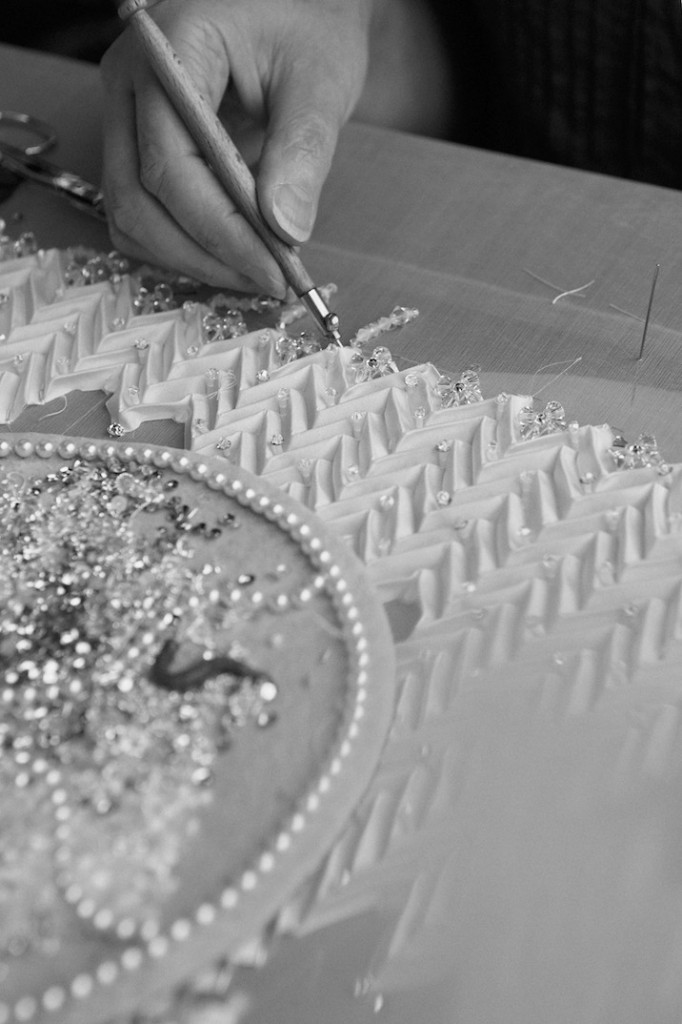
The archive itself is a veritable sweet shop of fashion history, boasting the largest and oldest collection of couture embroidery in the world. There are more than sixty tons of supplies from beads, mother-of-pearl shards, tassels and gemstones to more unusual materials – Sleek’s guide shows us a swatch of raffia embellished with acorn shells and melon seeds, and tells us about the bounty of moules that fed the maison for months when the visionary Schiaparelli demanded mussel shell embellishment.
 Photography by Christoph Wohlfahrt
…and is always challenging new frontiers
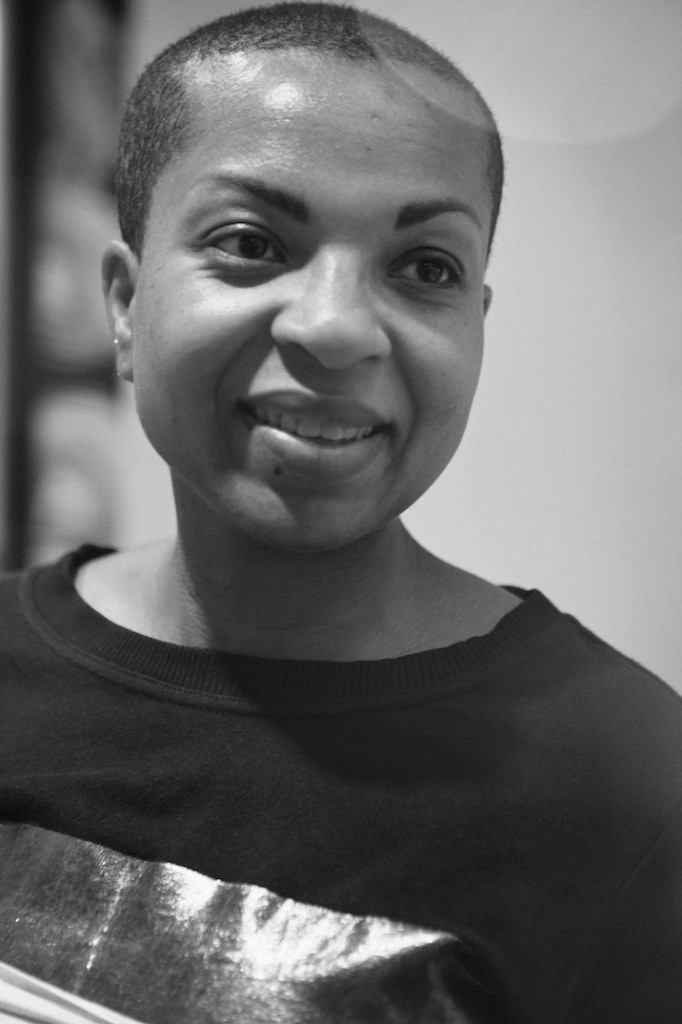
Chanel has two private ateliers: the Flou for fine, delicate fabrics; Tailleur for suits, tailoring and work required for tougher fabrics like Chanel’s trademark tweed. The Flou focuses on light, gauzy fabrics like tulle, chiffon, satin and organza but this year Madame Martine is working with neoprene. She tells Sleek that she insists on perfection but enjoys the space to experiment within established traditions too. Conventional materials for buttons include paste, wood, horn, plastic and mother-of-pearl, precious stones and metal plates. This year, Madame Martine tells Sleek with a grin, Karl has asked for cement.
Original text by Ella Plevin.
For our full article from the Chanel cutting room floor, read Sleek Magazine 43, Youth/Truth — available now.
See more images from our visit to the House of Lesage below.