Anan Fries über Rituale, Technofaschismus und die KI-Mythologie des Silicon Valley
Künstliche Intelligenz wird oft als technologische Revolution dargestellt, doch ihre kulturellen Auswirkungen reichen weit über Fragen der Innovation oder Automatisierung hinaus. Zunehmend überschneidet sich KI mit Religion, Mythos, Ritual und Glauben und offenbart dabei ebenso viel über das menschliche Verlangen nach Gewissheit, Sinn und Transzendenz wie über den technologischen Fortschritt. Für den Kurator und Künstler Anan Fries sind diese Entwicklungen untrennbar mit dem Aufstieg des Technofaschismus, der Ideologie des Silicon Valley und der zunehmenden Machtkonzentration in den Händen einer Handvoll Technologieunternehmen verbunden.
Gemeinsam mit der Kuratorin Marlene Wenger geht Fries diesen Fragen in Neue Rituale für das Ende der Welt im HEK Basel. Die Ausstellung vereint Künstler*innen wie Zach Blas, Auriea Harvey, Skawennati, S()fia Braga, Christiane Peschek und Etsuko Ichihara untersucht die Ausstellung, wie Rituale das heutige Leben weiterhin prägen – von KI-Begleitern und algorithmischen Glaubenssystemen bis hin zu spekulativen Formen der Wahrsagung, digitaler Spiritualität und Widerstand gegen Big Tech. Anstatt Rituale als Relikt der Vergangenheit zu betrachten, schlägt die Ausstellung sie als Rahmen vor, um sich in einer Ära zurechtzufinden, die von technologischer Beschleunigung und politischer Unsicherheit geprägt ist.
In diesem Gespräch mit Anika Meier für SLEEK spricht Anan Fries darüber, warum KI zunehmend mythologisiert wird, wie das Silicon Valley quasi-religiöse Narrative rund um die allgemeine künstliche Intelligenz kultiviert, warum Künstler*innen innerhalb der heutigen technologischen Infrastrukturen nur begrenzte Handlungsmöglichkeiten haben und wie Rituale zu einem Mittel werden können, um die kollektive Vorstellungskraft in einem Zeitalter des Technofaschismus, des Plattformkapitalismus und der permanenten Krise zurückzugewinnen.
Anika Meier Anan, warum findet die Ausstellung Neue Rituale für das Ende der Welt Liegt der Schwerpunkt bei HEK Basel auf Ritualen? Schließlich dreht sich dort alles um KI, KI-Pessimismus, die „Tech-Bro“-Kultur und das Silicon Valley – allesamt geprägt von einer stark lösungsorientierten Denkweise. Rituale hingegen scheinen in eine ganz andere Kategorie zu fallen, eine, die eher spirituell als technologisch ist. Was hat Sie dazu bewogen, diese beiden Welten zusammenzubringen?
Anan-Pommes Rituale sind ein sehr praktischer Ansatz. Für mich ist diese Idee der „Wiederverzauberung“ – eine Rückkehr zu oder ein erneutes Bekenntnis zu spirituellen Glaubenssystemen – auch eine Antwort auf den „Tech-Bro-Kult“, den KI-Untergangspessimismus und die technokratischen Machtstrukturen, die insbesondere seit Trumps zweiter Amtszeit zunehmend dominieren. Obwohl ich intensiv mit Technologie arbeite und sie aufrichtig schätze, verspürte ich ein starkes Bedürfnis, einen Gegenpol zu diesen Entwicklungen zu finden. Diese Machtsysteme sind so hegemonial und überwältigend, dass sie leicht zutiefst entmutigend wirken können. Deshalb betrachte ich spirituelle oder mystische Glaubenssysteme als einen interessanten Ansatzpunkt. Natürlich können auch sie von Technokraten instrumentalisiert werden. Gleichzeitig bieten sie eine Möglichkeit, Narrative zurückzugewinnen und damit ein gewisses Maß an Interpretationsfreiheit darüber, wie wir die Welt verstehen, welche Überzeugungen wir vertreten und welche Arten von sozialen und politischen Ordnungen wir uns vorstellen.
AM Sie haben erwähnt, dass Sie gerne mit Technologie arbeiten. Gleichzeitig werden viele Künstler dafür kritisiert, dass sie KI einsetzen, während andere gerade mit diesen Technologien Werke schaffen, um sie zu hinterfragen. Fühlen Sie sich selbst manchmal in diesem Spannungsfeld gefangen? Führt die Arbeit mit KI zu einem Konflikt zwischen Ihrer künstlerischen Praxis und Ihrer kritischen Perspektive, oder sehen Sie diese beiden Positionen als sich gegenseitig verstärkend an?
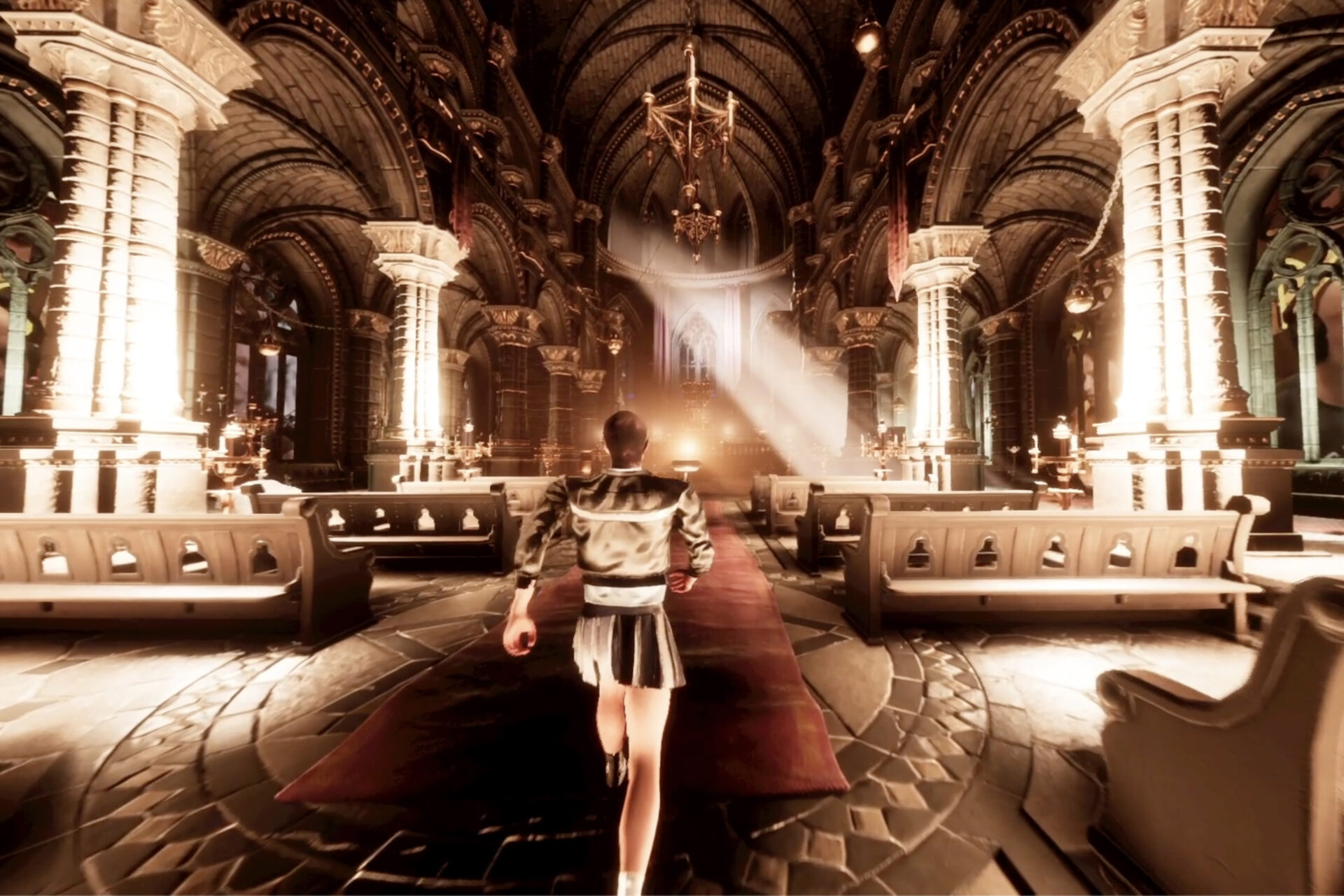
AF Das kann ich wahrscheinlich besser anhand einer anderen Technologie erklären. Im Jahr 2021 habe ich ein Werk mithilfe von Virtual Reality und einem Meta-Headset geschaffen. Da ich aus dem Theaterbereich komme, fand ich die Arbeit mit VR unglaublich inspirierend. Sie eröffnete mir neue Möglichkeiten für die Gestaltung von Welten. Natürlich hatten Künstler das schon lange vor mir getan, daher war das Medium an sich nichts Neues. Aber für mich war es eine aufregende Erfahrung, mithilfe von Technologie immersive Welten zu erschaffen und sie für das Publikum unmittelbar greifbar zu machen. Zu dieser Zeit beschäftigte ich mich intensiv mit xenofeministischem Denken und, im weiteren Sinne, mit dem emanzipatorischen Potenzial von Technologie. VR erschien mir als ein Medium, durch das ich diese Ideen erforschen und auf fesselnde Weise zum Ausdruck bringen konnte. Es war kreativ befreiend.
Springen wir nun zu Trumps zweiter Amtszeit und dem immer deutlicher werdenden Bündnis zwischen ihm und den CEOs der großen Tech-Unternehmen. Vor allem Mark Zuckerberg schien einen bemerkenswerten Wandel durchzumachen und entwickelte sich vom liberalen Tech-Nerd zu einem Maskulinisten…
AM Das war ungefähr zu der Zeit, als Zuckerberg davon sprach, dass es in der Unternehmenskultur mehr “männliche Energie” brauche.
AF Mark Zuckerberg machte sich eine frauenfeindliche Vision zu eigen, wonach die Unternehmenskultur männlicher werden sollte. Er schlüpfte in die Rolle eines “Hyper-Bro”, der mehr daran interessiert zu sein schien, über das Vieh zu sprechen, das er auf seiner Farm züchtet, um es später zu verspeisen, als an irgendetwas anderem. Diese Wandlung zu beobachten – und insbesondere seine Befürwortung der Idee, dass seine Plattformen mehr „freie Meinungsäußerung“ bräuchten – war für mich zutiefst ernüchternd. Ich weiß, das klingt naiv. Im Nachhinein betrachtet war er vielleicht schon immer diese Art von Unternehmer, aber er präsentierte sich anders. Es war diese Version von ihm, diese Maske, unter der ich mich mit seiner Technologie beschäftigte.
Vor kurzem wollte ich ein weiteres Virtual-Reality-Projekt mit dem Meta-Quest-3-Headset starten. Doch mir wurde klar, dass ich mich einfach nicht mehr dazu überwinden konnte, diese Hardware zu nutzen. Für mich ist sie völlig befleckt. Es geht nicht nur um KI oder darum, welche KI-Tools wir nutzen – auch wenn diese Debatte derzeit verständlicherweise im Mittelpunkt der Kunstwelt steht. Das gleiche Problem besteht bei vielen Technologien. Wir gestalten die zugrunde liegenden Protokolle nicht mit, und als Künstler*innen, die mit diesen Systemen arbeiten, haben wir nur sehr wenig Einfluss. Wie Mat Dryhurst argumentiert, wenn man nicht im Vorfeld tätig ist – also auf der Ebene, auf der diese Technologien tatsächlich entwickelt und gesteuert werden –, hat man kaum Einflussmöglichkeiten darauf. So arbeite ich nicht, und unter diesen Umständen kann die Auseinandersetzung mit diesen Technologien zutiefst ernüchternd sein.
Auch ich habe in meiner Arbeit einige problematische KI-Tools zur Videogenerierung eingesetzt. Wenn man es aus energetischer Sicht betrachtet, könnte man sagen, dass sie karmische Katastrophen sind. Aber ich habe sie genutzt, weil ich verstehen wollte, wie sie funktionieren. Ich hatte das Gefühl, dass ich wissen musste, wie diese Systeme von innen heraus funktionieren. Die eigentliche Herausforderung – nicht nur für Künstler, sondern auch für die Politik, Institutionen und die Gesellschaft im weiteren Sinne – bestand schon immer darin, alternative Werkzeuge zu entwickeln und verschiedene Arbeitsweisen zu erforschen.
AM Sie haben argumentiert, dass wir andere Instrumente und andere Wege der Arbeit mit Technologie entwickeln müssen. Gibt es Personen oder Projekte, die Ihrer Meinung nach bereits in diese Richtung weisen?
AF Audrey Tang ist ein herausragendes Beispiel für eine Person mit einer tiefgründigen, reflektierten Haltung, die zugleich wirklich praktische Vorschläge für den Einsatz von KI entwickelt. Tang vertritt die Ansicht, dass KI dazu genutzt werden sollte, die Demokratie zu stärken und dabei Raum für Meinungsverschiedenheiten zu schaffen, anstatt diese auszuschalten. In diesem Sinne wird KI zu einem Kommunikationsinstrument, das dabei hilft, zwischen verschiedenen Gemeinschaften und konkurrierenden Perspektiven zu vermitteln. Audrey Tang ist eine „Protokollkünstlerin“, denn als politische Entscheidungsträgerin beschränkt sie sich nicht darauf, über KI zu theoretisieren. Sie entwickelt konkrete Rahmenbedingungen für deren Einsatz, um die demokratische Teilhabe zu erweitern, anstatt sie einzuschränken. Dies steht in krassem Gegensatz zum breiteren Diskurs rund um den „Technofaschismus“, der sich darauf konzentriert, wie KI eingesetzt wird, um demokratische Institutionen zu untergraben. Ein Beispiel hierfür ist Civic AI. Es handelt sich um ein demokratisches Instrument, das Gemeinschaften dabei helfen soll, gemeinsam über gemeinsame Themen zu beraten. Die KI analysiert ein breites Spektrum an Standpunkten, ermittelt Überschneidungen und schlägt politische Leitlinien vor, die einen möglichst breiten Konsens widerspiegeln. Das Ziel besteht nicht darin, eine perfekte Einigung zu erzielen. Vielmehr sollen Ergebnisse angestrebt werden, die zwar niemand als ideal empfindet, die aber für möglichst wenige Menschen völlig inakzeptabel sind.
AM Wir haben bereits über den “AI-Doomerismus” und das allgemeine Gefühl gesprochen, in einer Zeit der Apokalypse und Krise zu leben. Doch „das Ende der Welt“ kann sehr unterschiedliche Bedeutungen haben – von einem unmittelbar bevorstehenden technologischen Zusammenbruch bis hin zu einem weitaus längeren historischen Zeithorizont. Als du dir vorgestellt hast, Neue Rituale für das Ende der Welt, wie wörtlich hast du diesen Untertitel verstanden? Auf welche Art von “Weltuntergang” beziehst du dich?
AF Marlene Wenger und ich haben das Konzept der Apokalypse eher als etwas Zyklisches denn als einmaliges Ereignis betrachtet. Es ist eher wie ein Rhythmus. In ihrem Katalogessay schlägt Jenny Stümer sogar vor, dass die Apokalypse als eine Art Ritual verstanden werden kann, als etwas, das immer wieder durch die Geschichte pulsiert. Wir wollen damit nicht sagen, dass die Welt heute mehr als vor dreißig Jahren untergeht. Vielmehr reagieren wir auf einen bestimmten Zeitgeist. Wir erleben gerade eine Zeit, die von zutiefst apokalyptischen Phänomenen geprägt ist: die Klimakrise, die Pandemie sowie die gewalttätigen Konflikte und Massengräuel, die sich weltweit abspielen und die gemeinsam unsere Lebenswirklichkeit grundlegend verändert und viele Menschen traumatisiert haben. Wir fassen diese verschiedenen Entwicklungen unter dem Begriff einer apokalyptischen Stimmung oder Sensibilität zusammen. Das bedeutet jedoch nicht, dass wir glauben, die Welt würde im absoluten Sinne untergehen.
Ebenso wichtig ist für uns die Erkenntnis, dass die Apokalypse nie ein universelles Zukunftsereignis war. Für viele Völker, insbesondere seit der Kolonialisierung, hat die Apokalypse bereits wiederholt stattgefunden. Ganze Welten wurden von anderen Völkern und Imperien zerstört. Wir stützen uns auf ein Zitat von Ailton Krenak, der argumentiert, dass indigene Völker seit Jahrhunderten mit der Erfahrung des Aussterbens leben, während die imperiale, kolonisierende Welt erst jetzt beginnt, sich mit ihrer eigenen Anfälligkeit für das Aussterben auseinanderzusetzen.
AM Es scheint ein allgemein wiedererstarktes Interesse an Spiritualität und einer Rückkehr zum Zauber des Alltäglichen zu geben. Warum, glauben Sie, geschieht dies gerade jetzt?
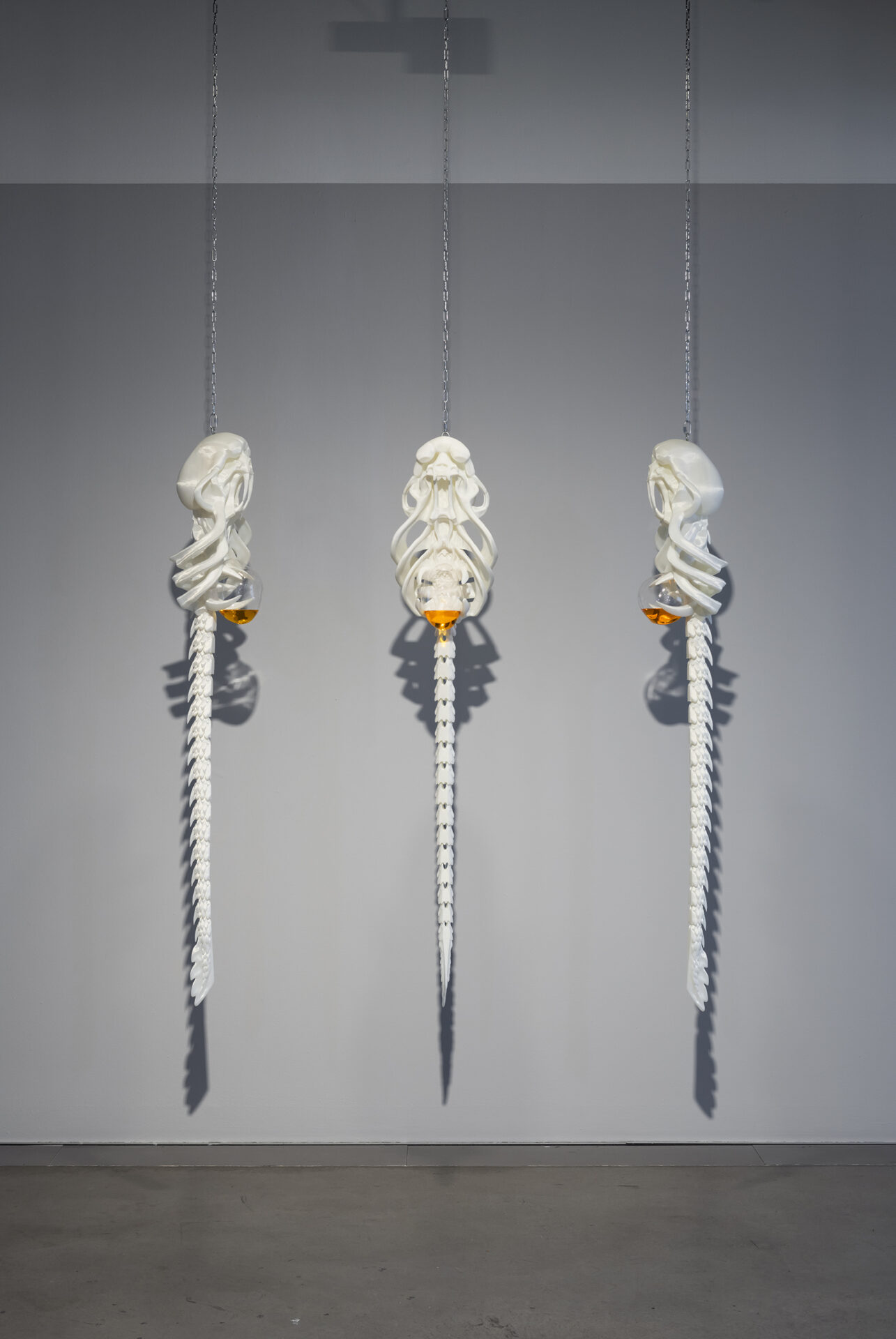
AF Es gibt mehrere Gründe für dieses wiedererwachte Interesse an Spiritualität. Einer davon lässt sich mit Arthur C. Clarkes berühmter Feststellung zusammenfassen: “Jede ausreichend fortgeschrittene Technologie ist von Magie nicht zu unterscheiden.” Immer wenn eine neue Technologie gesellschaftliche Veränderungen bewirkt, neigen die Menschen dazu, magisches Denken auf sie zu projizieren. Allgemeiner betrachtet glaube ich, dass Menschen schon immer ein Bedürfnis nach Transzendenz und Spiritualität hatten. Ein Buch, das für unsere Forschung besonders wichtig war, war Gott, Mensch, Tier, Maschine (2021) von Meghan O’Gieblyn. Sie argumentiert, dass sich Wissenschaft und Spiritualität nach der Aufklärung in zwei getrennte Bereiche aufgespalten haben. Sie vertritt die Ansicht, dass das Trauma der Entzauberung für viele Menschen zu einem Mangel an innerer Sinnhaftigkeit geführt hat.
AM Sie meinen also, dass KI lediglich die neueste Technologie ist, auf die diese Wünsche projiziert werden?
AF KI verstärkt diese Dynamik, weil sie so undurchsichtig bleibt. Große Sprachmodelle sind im Grunde genommen „Black Boxes“. Selbst diejenigen, die sie entwickeln, verstehen nicht vollständig, wie sie zu den einzelnen Ergebnissen gelangen. Diese Ungewissheit lädt natürlich zu magischem Denken ein.
AM Aber ist das nicht nur ein Teil der Geschichte? Es scheint auch, als würde die KI-Branche dieses Gefühl des Geheimnisvollen aktiv schüren.
AF Unternehmen wie OpenAI mythologisieren KI bewusst. Sam Altman hat wiederholt in fast transzendenten Begriffen von künstlicher allgemeiner Intelligenz (AGI) gesprochen, als handele es sich um eine höhere Form der Intelligenz. Der Wettlauf um die AGI wird fast so dargestellt, als handele es sich um die Ankunft einer gottgleichen Entität, die jenseits des gewöhnlichen menschlichen Verständnisses liegt. Auch das ist eine Marketingstrategie. Audrey Tang vertritt einen ähnlichen Standpunkt. Wenn es Ihr Ziel ist, ein All-in-One-System zu entwickeln, das alles kann, hilft es, es als etwas darzustellen, das mehr ist als nur ein Werkzeug. Tang plädiert für den gegenteiligen Ansatz: viele kleine, lokal gesteuerte Modelle, die für bestimmte Gemeinschaften und Zwecke konzipiert sind. Systeme wie ChatGPT hingegen werden zunehmend eher als Begleiter denn als Werkzeuge dargestellt. Um diese Idee überzeugend zu machen, stützen sich Unternehmen auf eine Art zeitgenössischen Animismus. Die Technologie wird so dargestellt, als besitze sie Eigenwirksamkeit, fast einen eigenen Geist, anstatt als von Menschen geschaffene Software verstanden zu werden.
AM Sie beschreiben KI als etwas, das zunehmend mythologisiert wird. Gleichzeitig haben die Menschen begonnen, eine überraschend enge Beziehung zu Systemen wie ChatGPT aufzubauen und sie um Rat, Bestätigung oder sogar existenzielle Orientierung zu bitten. Glauben Sie, dass KI Funktionen übernimmt, die früher mit Religion in Verbindung gebracht wurden?
AF Genau das finde ich daran so faszinierend: diesen orakelhaften Charakter. Unternehmen wie Palantir machen sich diese Idee bei der Vermarktung ihrer Produkte aktiv zunutze. Einige ihrer Systeme sind speziell für militärische Anwendungen konzipiert und werden als Werkzeuge präsentiert, die Kriege vorhersagen und sogar verhindern können, bevor sie überhaupt beginnen. Das Versprechen lautet, dass diese Systeme durch die Analyse riesiger Datenmengen Ergebnisse vorhersehen und es den Vereinigten Staaten als globaler Supermacht ermöglichen können, zu handeln, bevor sich Ereignisse entfalten. Es ist kein Zufall, dass das Unternehmen Palantir heißt. Der Name stammt von Der Herr der Ringe, wo die Palantíri als Sehsteine dienen, um einen Blick auf ferne Orte und mögliche Zukunftsszenarien zu werfen. Die Symbolik ist sehr bewusst gewählt.
Ich verstehe, warum diese Vision so fesselnd ist. Ich verstehe auch den Wunsch nach einem Orakel, nach etwas, das einem einfach sagen kann, was richtig und was falsch ist. Aber ich habe nicht das Gefühl, dass ich in meinem eigenen Leben ein Glaubenssystem habe, das mir diese Art von Gewissheit geben kann. Für mich ist das Verlangen nach Spiritualität ein Ausdruck dafür, dass mir ein Glaubenssystem fehlt, an das ich wirklich glauben kann.
AM Wie sind Sie bei der Auswahl der Künstler für die Ausstellung vorgegangen? Was verband diese sehr unterschiedlichen künstlerischen Praktiken miteinander?
AF Wir haben das Ritual als einen Ansatz betrachtet, um über die Beziehung zwischen Technologie und Spiritualität nachzudenken. Rituale waren schon immer eine Möglichkeit, spirituelle Praxis zu verkörpern und sie durch den Körper greifbar zu machen. Gleichzeitig hatten wir das Gefühl, dass das Ritual ein zugängliches Konzept ist. Die meisten Menschen haben sofort eine gewisse Vorstellung davon, was ein Ritual ist, was es zu einem nützlichen Einstieg in diese übergeordneten Fragen machte. Die Nutzung des Rituals als kuratorischen Rahmen gab uns zudem viel Freiheit. Einige Künstler bringen tatsächliche Rituale in die Ausstellung ein, während andere sich mit dem Ritual in einem viel umfassenderen, spekulativeren Sinne auseinandersetzen.
AM Können Sie ein Beispiel dafür nennen, was Sie unter einem spekulativen Ritual verstehen?
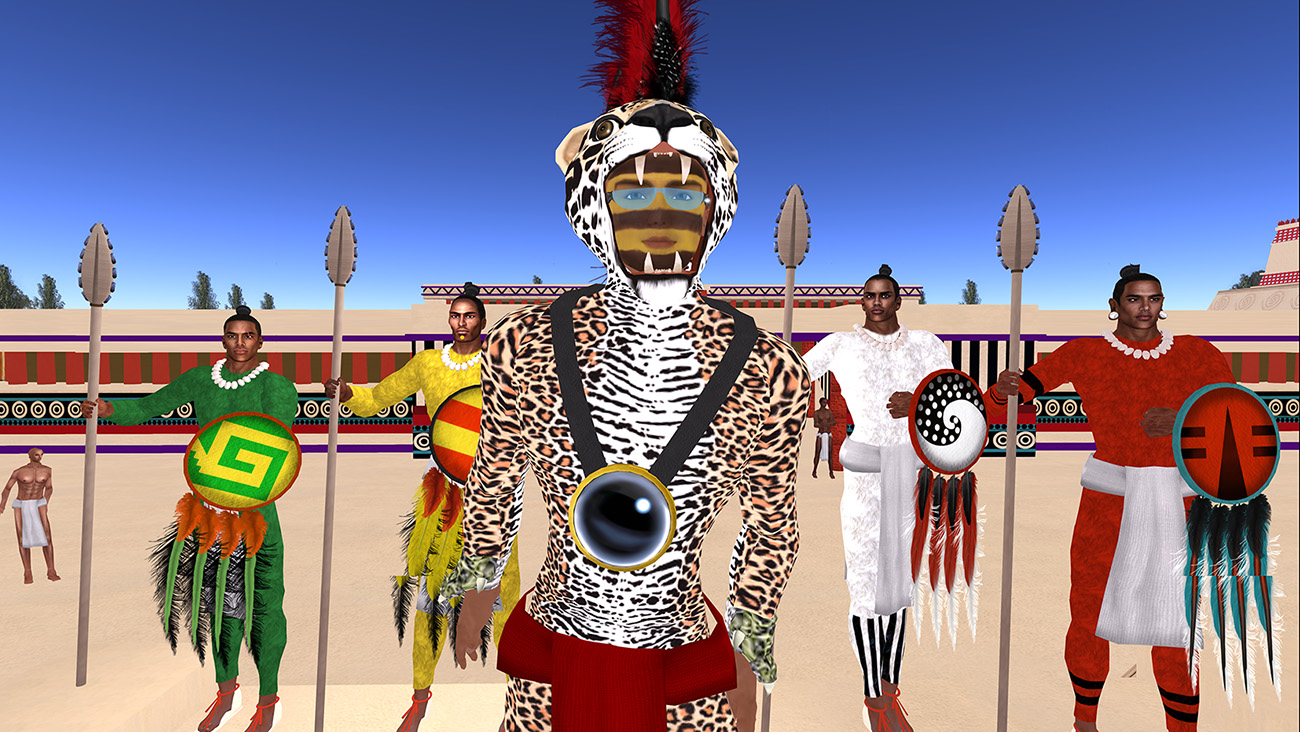
AF Ein Beispiel dafür ist Skawennatis Machinima TimeTraveller™ (2007–2014), ein neunteiliger Film, der vollständig in Second Life entstanden ist. Er handelt von einem Mohawk-Kopfgeldjäger, der mithilfe eines Science-Fiction-Geräts – einer Brille, die es ihm ermöglicht, durch die Zeit zu reisen – verschiedene historische Epochen durchquert. In einer Folge reist er zu einem aztekischen Ritual und opfert sich selbst. In einer anderen besucht er ein zukünftiges Großtreffen indigener Völker. Was uns daran interessierte, ist, dass der Akt des Aufsetzens der Brille und des Zeitreisens selbst zu einem spekulativen Ritual wird. Er eröffnet einen Raum, in dem man sich sowohl das Ende von Welten als auch den Beginn neuer Welten vorstellen kann.
AM Auch Ihre eigene Installation schlägt ein spekulatives Ritual vor, allerdings in einem viel wörtlicheren Sinne. Wie funktioniert das?
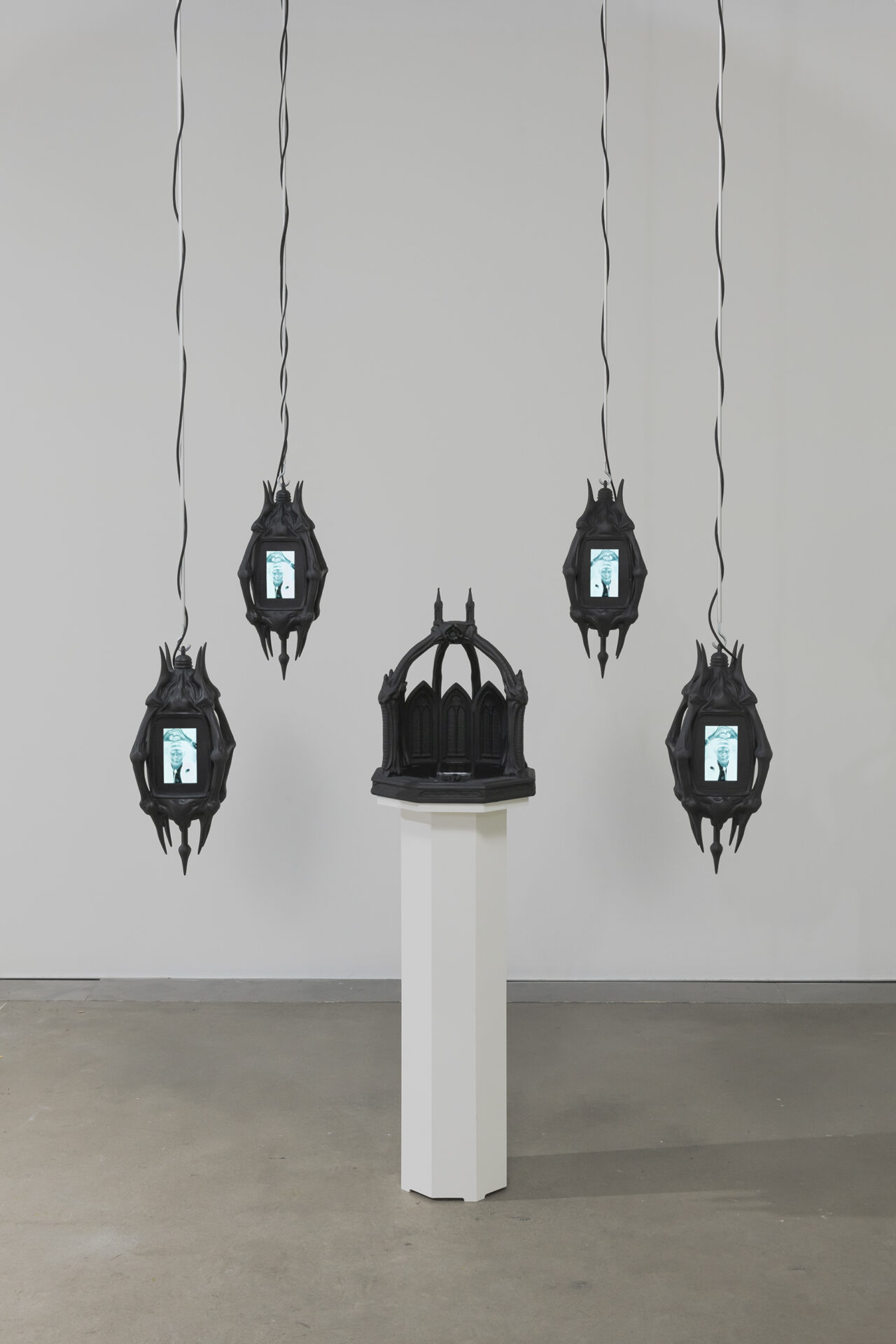
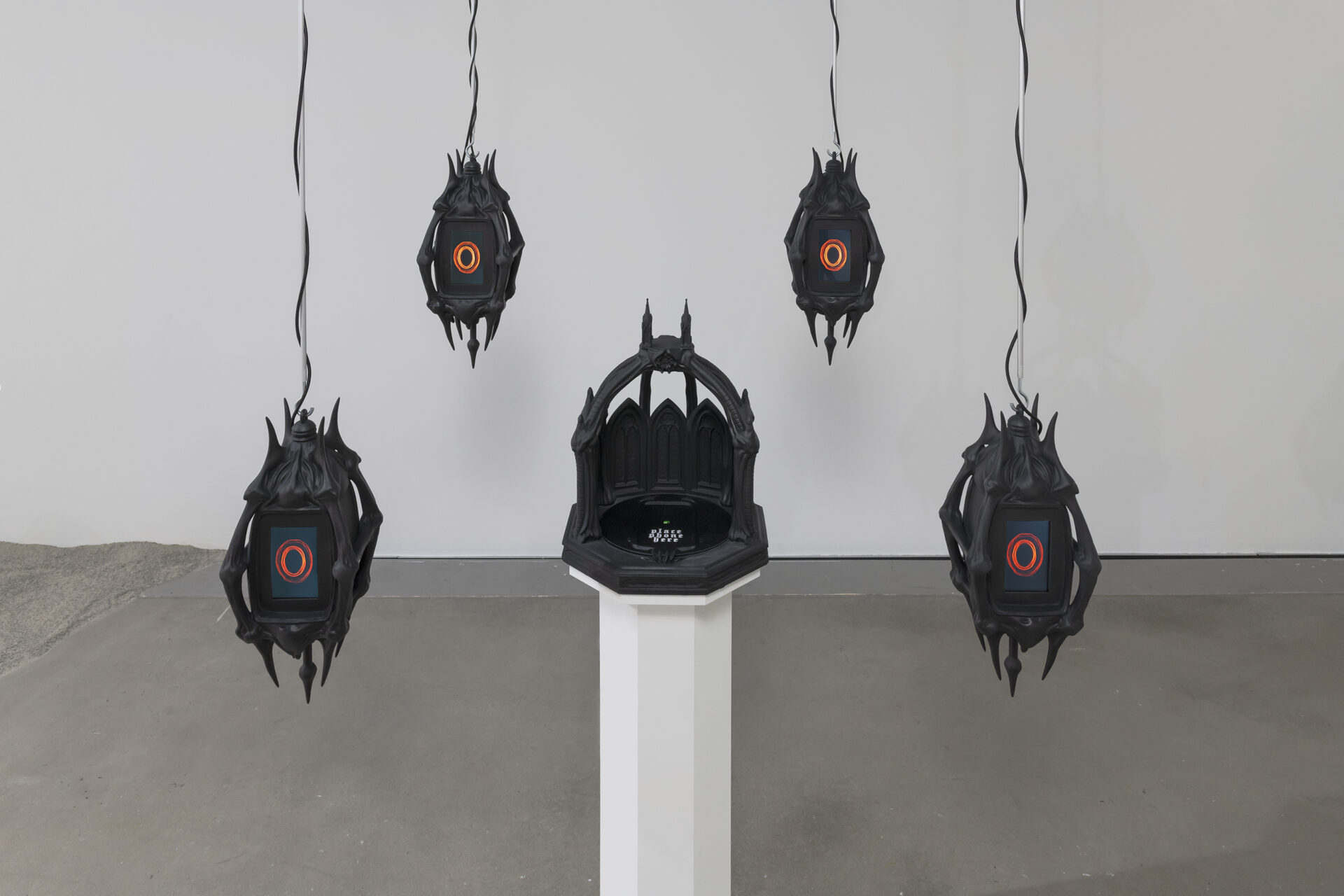
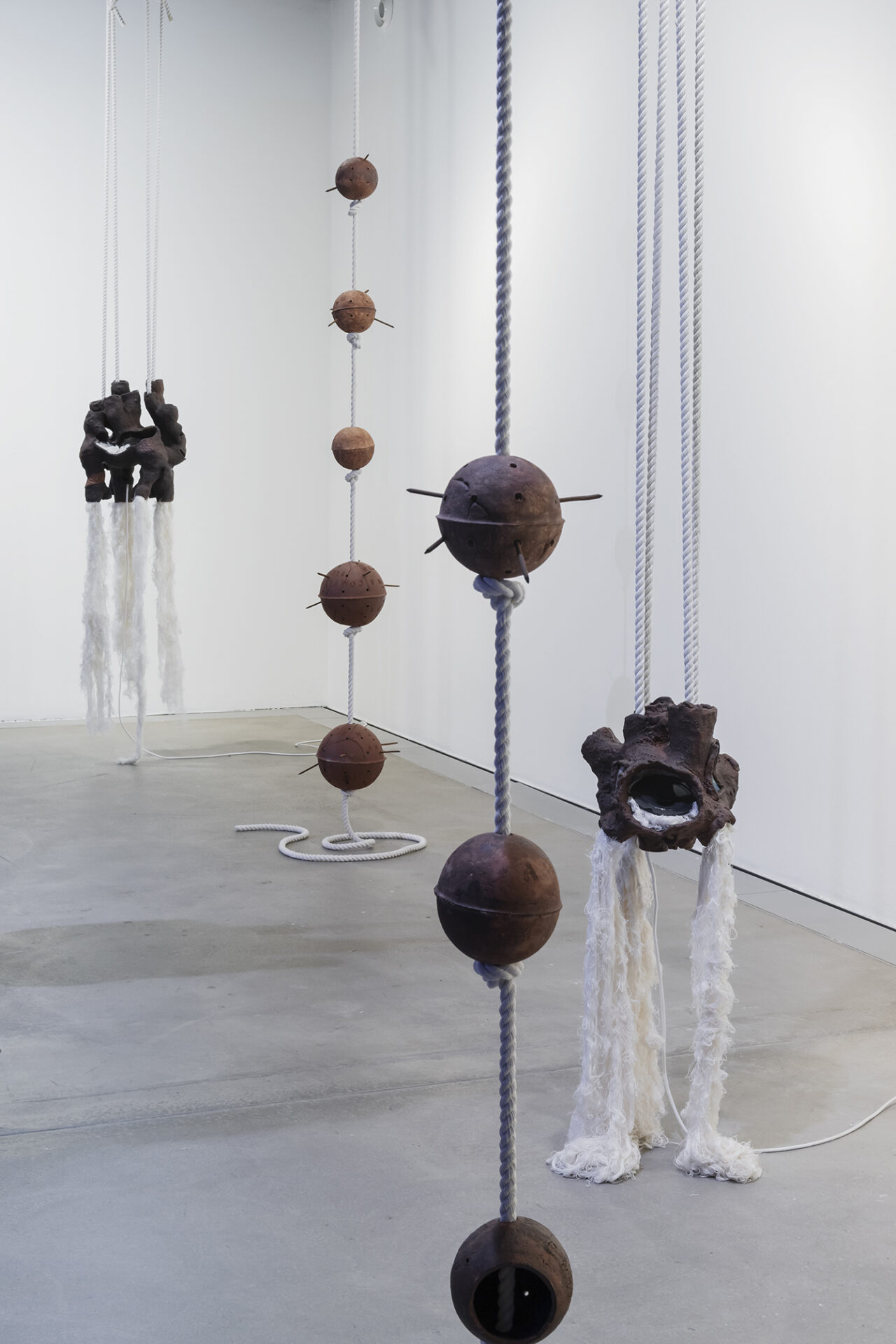
AF Meine Arbeit ist eine Skulptur, die wie ein Schrein für Smartphones funktioniert. Besucher können ihr eigenes Handy darin platzieren und so die Skulptur aktivieren. Diese führt daraufhin ein spekulatives Reinigungsritual durch, bei dem das Handy von dem gereinigt wird, was ich als “techno-faschistische Energien” bezeichne. Unter dem Handy befindet sich ein Sensor. Sobald das Handy in den Schrein gelegt wird, beginnt in den an der Skulptur hängenden Gefäßen ein Video zu laufen. Das Ritual beginnt mit dem „Aufladen“ des Handys – oder besser gesagt: mit der Beschwörung von Geistern. Diese Geister werden anhand der Börsendaten der vier Technologieunternehmen visualisiert, die im Mittelpunkt der Arbeit stehen: Meta, Google, X und Nvidia. Am Ende des Videos erscheinen die CEOs dieser Unternehmen als betende Gottheiten, bevor sie allmählich verschwinden. Das ist der Höhepunkt des Reinigungsrituals. Es ist natürlich spekulativ, drückt aber den Wunsch aus, den Mythos rund um diese „Tech-Bro“-Figuren zu entmystifizieren.
AM Dein Werk stellt sich ein Ritual vor, das uns von der Macht der Big Tech befreit. Zach Blas hingegen fordert die Besucher auf, einer KI-Gottheit ein Opfer darzubringen. Inwiefern erweitert sein Werk die in der Ausstellung dargestellte Vorstellung von Ritual?
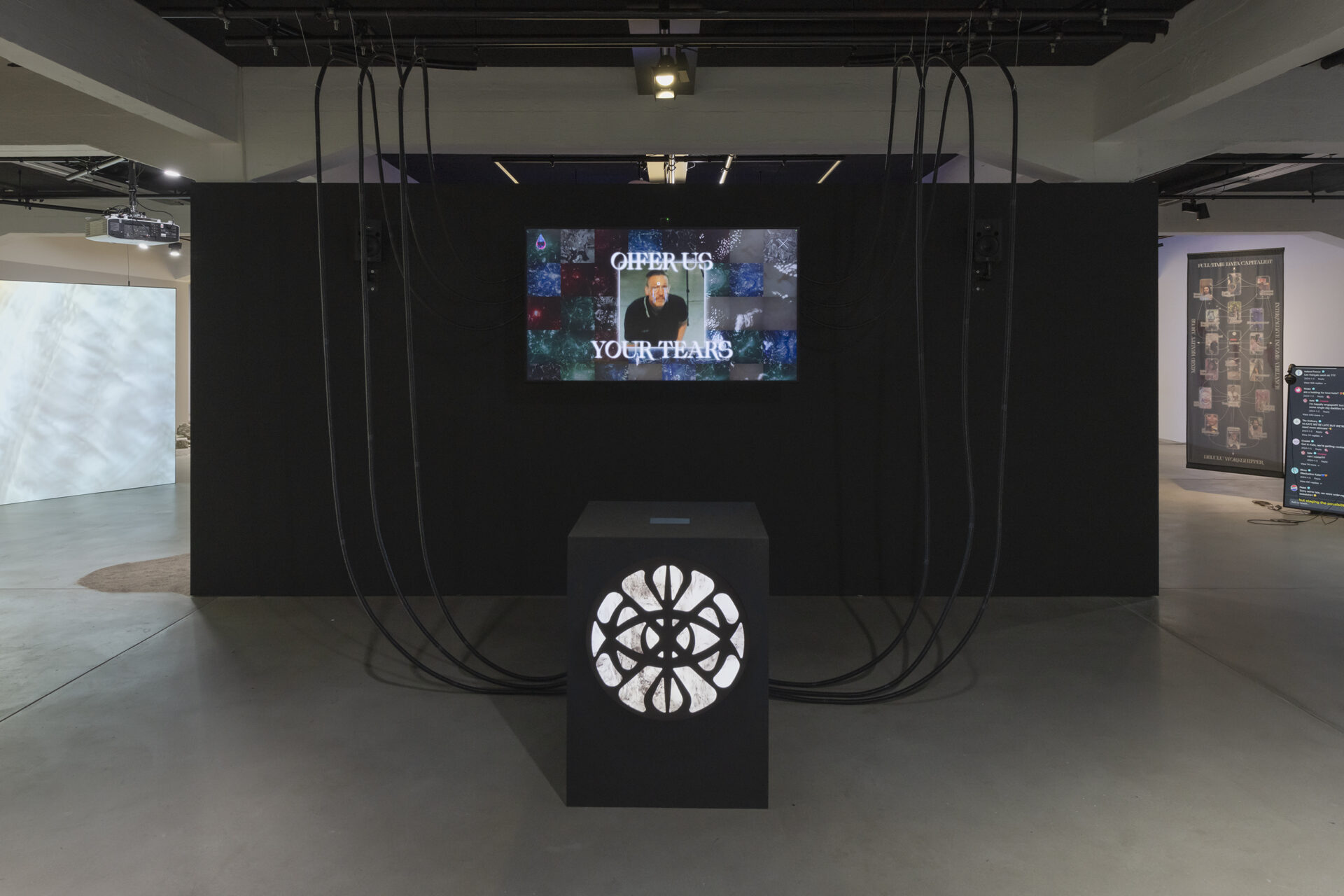
AF 576 Tränen (2022–2026) war ursprünglich ein webbasiertes Projekt, das Zach Blas für die Ausstellung in eine physische Installation umgewandelt hat. Das Werk nutzt Gesichtserkennung, um anhand des Gesichtsausdrucks eines Besuchers eine von sechs Emotionen zu erkennen. Sobald eine Emotion identifiziert wurde, werden Sie dazu eingeladen, Ihre Tränen der von Zach geschaffenen KI-Gottheit Lacrimae zu spenden. Ein Augmented-Reality-Filter überlagert Ihr Gesicht mit Tränen, sodass es so aussieht, als würden diese über Ihre Wangen laufen. In diesem Moment opfern Sie dieser KI-Gottheit gewissermaßen Ihre Emotionen. Das Werk verwandelt emotionale Arbeit in eine Art rituelles Opfer und lädt die Besucher dazu ein, über die emotionalen Beziehungen nachzudenken, die wir zunehmend zu technologischen Systemen aufbauen.
AM Während Zach Blas unser Verlangen untersucht, uns einer KI-Gottheit hinzugeben, scheint Auriea Harvey zu einer viel älteren Form der Wahrsagerei zurückzukehren.
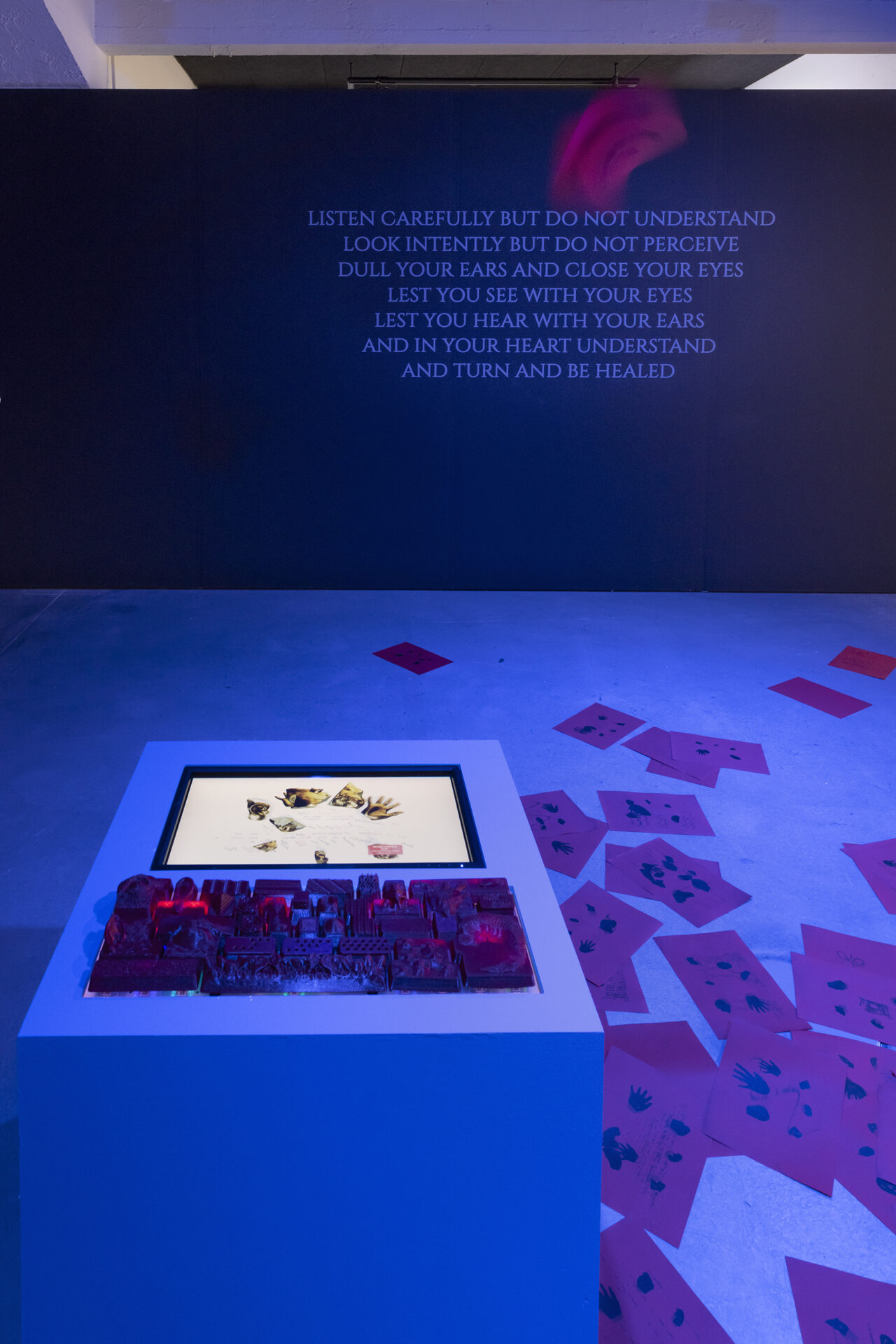
AF Auriea Harveys Arbeit setzt sich mit der Bibel als einer Art Orakel auseinander. Die Installation ist in vielerlei Hinsicht ein sehr konkretes Ritual. Die Besucher interagieren mit einer speziell angefertigten Tastatur, die konkrete Gedichte generiert. Auriea Harvey programmierte das System anhand einer umfangreichen Datenbank mit Bibelstellen, die mit verschiedenen Körperteilen in Verbindung stehen. Nach kurzer Zeit druckt das Werk für jeden Besucher ein personalisiertes Orakel aus. In diesem Sinne inszeniert es eine Begegnung mit der Wahrsagung. Das Werk spricht direkt unser Verlangen nach einem Orakel, nach Prophezeiung oder nach Führung durch eine höhere Instanz an.
AM Wir haben über Religion als Quelle von Gemeinschaft, gemeinsamem Glauben und Ritualen gesprochen. Heute finden viele dieser Erfahrungen im Internet statt. Wie thematisiert die Ausstellung die Rolle der sozialen Medien bei der Entstehung neuer Formen kollektiven Glaubens?
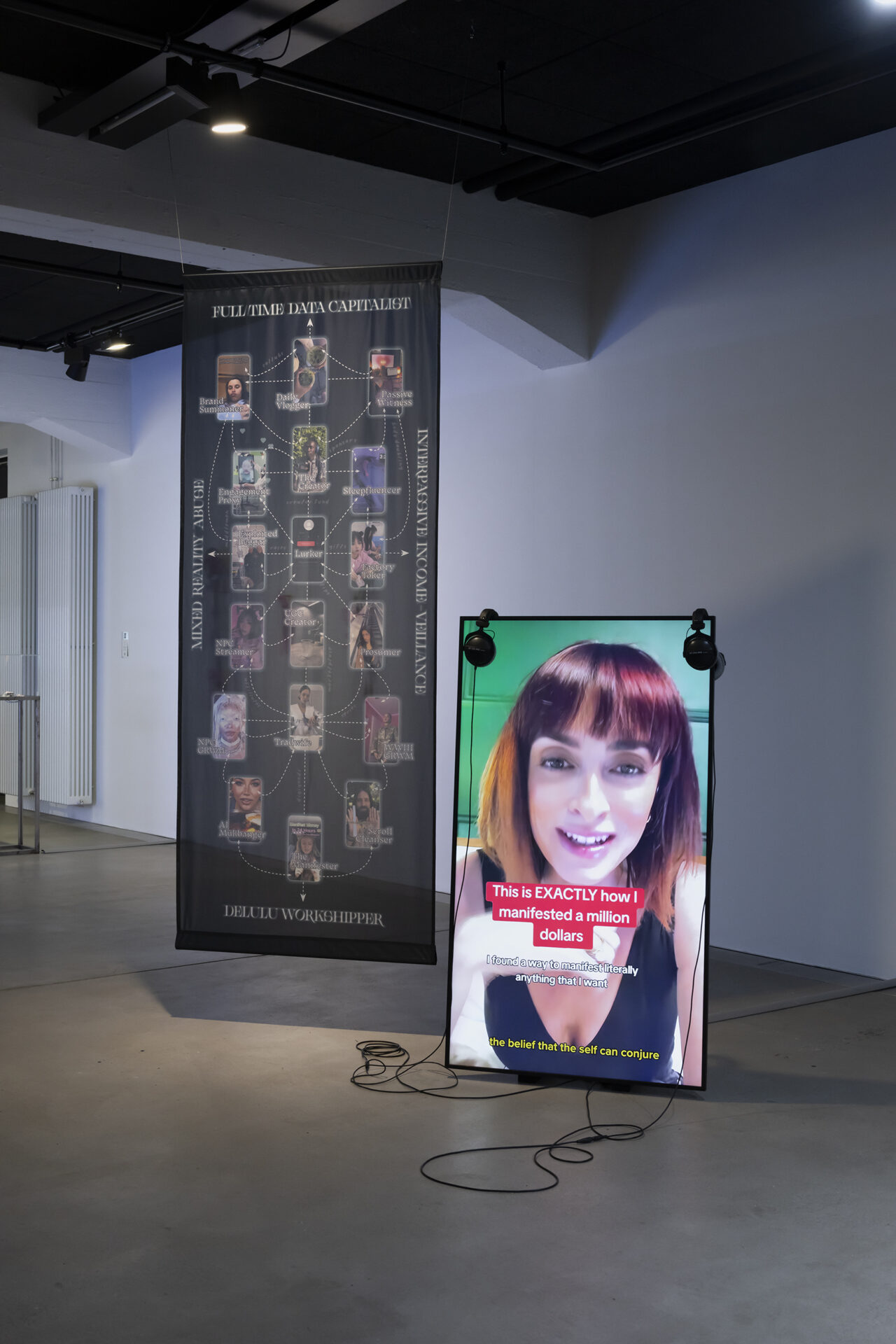
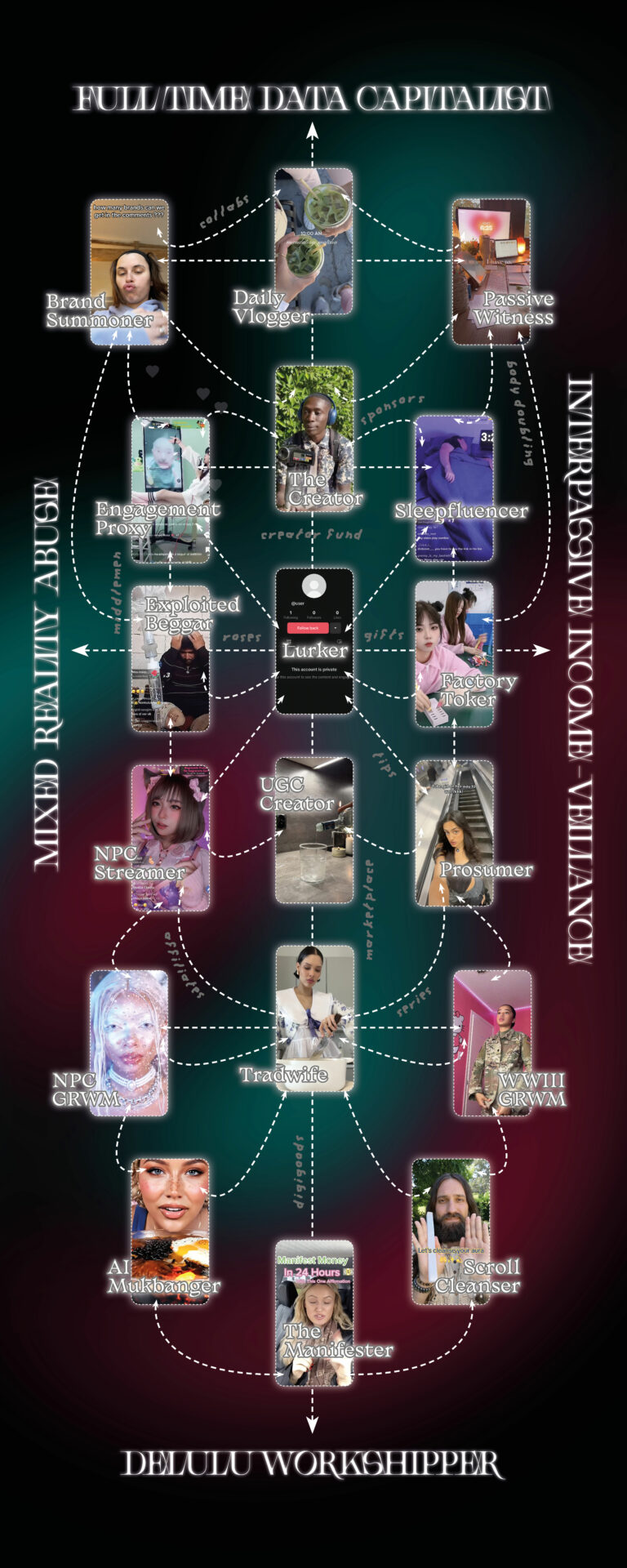
AF Neben diesen Werken, die sich auf christliche Bildsprache und Rituale beziehen, gibt es eine weitere Gruppe von Arbeiten, die soziale Medien als einen Raum betrachtet, in dem neue Formen kollektiven Glaubens entstehen. S()fia Bragas Werk Plattform-Workshippers (2023–2025) untersucht beispielsweise, wie Algorithmen in sozialen Medien fast wie eigenständige Glaubenssysteme funktionieren können. Anstatt lediglich Informationen zu verbreiten, prägen sie die Realitäten, in denen wir leben, schaffen Gemeinschaften, die sich um gemeinsame Narrative organisieren, und verfestigen bestimmte Sichtweisen auf die Welt.
Von dort aus wendet sich die Ausstellung Werken zu, die spekulativer sind und ihre Wurzeln in der Science-Fiction haben. Künstler*innen wie Skawennati und Christiane Peschek interessieren sich für das Erschaffen von Welten: wie Erzählungen und Technologien alternative Realitäten und Vorstellungswelten hervorbringen können. In diesem Sinne verlagert sich der Fokus der Ausstellung von der Untersuchung digitaler Plattformen als Infrastrukturen des Glaubens hin zu der Frage, wie sich völlig andere Welten und andere Formen des Zusammenlebens vorstellen lassen.
AM Welche Rolle spielen die sozialen Medien dabei?
AF Es gibt die offensichtlichen Beispiele – Astrologie-Kanäle auf TikTok, WitchTok und ähnliche Communities –, aber daneben gibt es auch Phänomene wie Realitätsverschiebung. Es entstand auf TikTok, obwohl es dazu auch YouTube-Videos mit Millionen von Aufrufen gibt. Es ging aus der Harry-Potter-Fangemeinde hervor, hat sich aber inzwischen auf viele andere Fan-Communities ausgeweitet. Die Idee dahinter ist, dass man seine gewünschte Realität bis ins kleinste Detail beschreibt. Durch die Kombination von Manifestationspraktiken mit einer populären Interpretation der Quantenphysik – dem Glauben, dass alle möglichen Realitäten gleichzeitig existieren – kann man schließlich durch die Kraft der Manifestation in diese alternative Realität “übergehen”. Es handelt sich offensichtlich um eine zutiefst eskapistische Praxis. Aber in gewisser Weise gilt das für viele Glaubenssysteme. Sie vermitteln ein Gefühl von Sinn, Zusammenhang oder Zugehörigkeit, das den Menschen sonst zu fehlen scheint. Und ich denke, genau das macht sie so fesselnd.
AM Rituale sind nicht von Natur aus befreiend. Sie können auch dazu dienen, bestehende Machtstrukturen zu festigen.
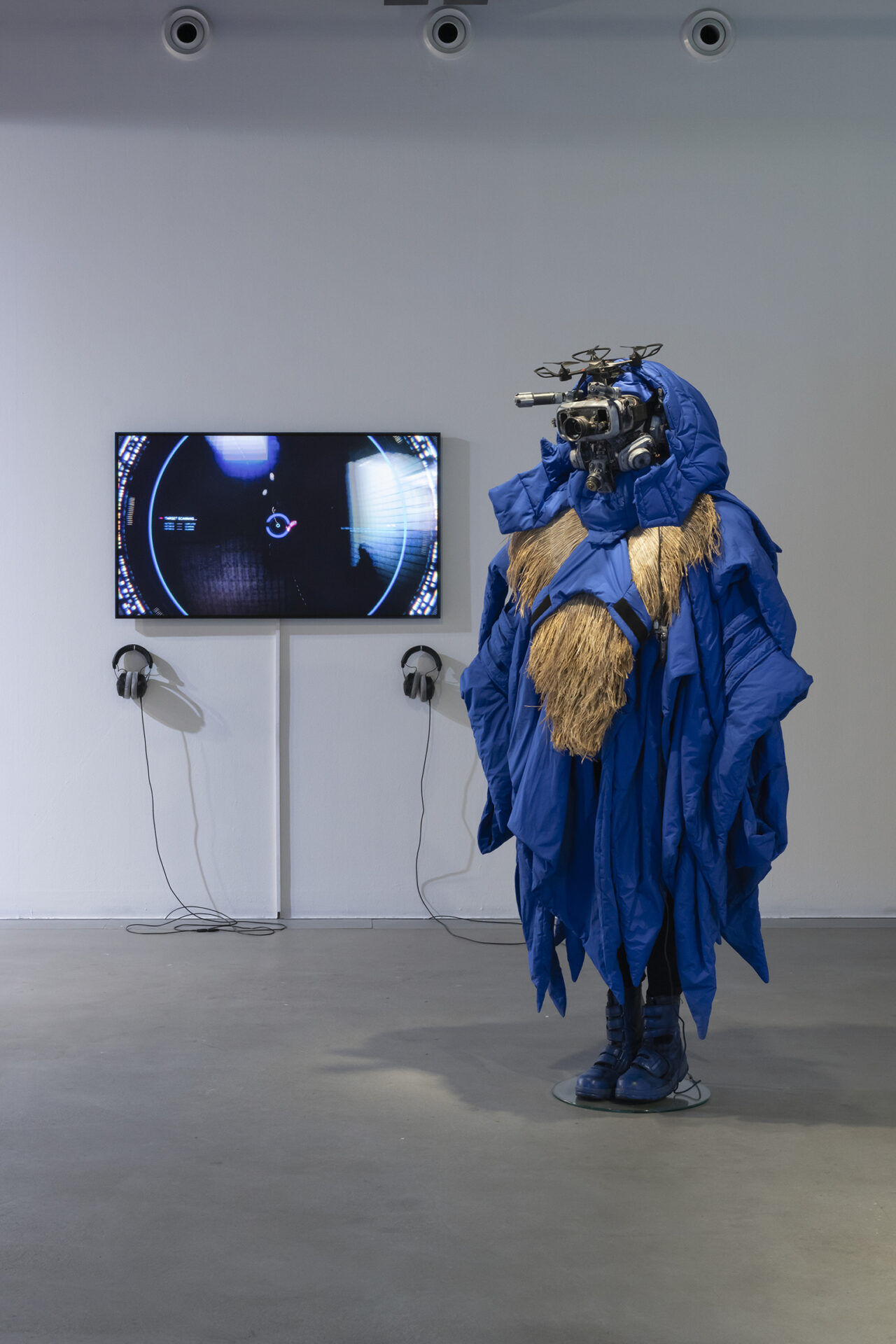
AF Eines der Werke der Ausstellung, das sich besonders gut mit diesem Thema auseinandersetzt, ist Etsuko Ichiharas Namahage in Tokio (2017). Das Werk interpretiert eine Figur aus der japanischen Folklore neu für das Zeitalter des Überwachungskapitalismus. Traditionell ist der Namahage ein Fabelwesen, das das Verhalten der Menschen überwacht. Er erinnerte mich an den Heiligen Nikolaus, wie ich ihn aus meiner Kindheit in der Schweiz kannte: eine Figur, die im Auge behält, ob sich die Kinder das ganze Jahr über gut benommen haben, bevor sie ihr Urteil fällt. Ichihara passt diese Idee an das digitale Zeitalter an. Ihr Namahage hat Zugriff auf Datenbanken, Videoüberwachungsnetze und Gesichtserkennungstechnologien. Es handelt sich um eine technologisch erweiterte spirituelle Figur, die dazu dient, ein Überwachungsregime aufrechtzuerhalten und bestehende Machtstrukturen zu festigen.
Wir wollen also keineswegs behaupten, dass Rituale von Natur aus wohlwollend oder emanzipatorisch sind. Rituale können genauso leicht vereinnahmt, korrumpiert und instrumentalisiert werden wie jede andere kulturelle Praxis. Gleichzeitig vertreten wir die Ansicht, dass Rituale einen Moment des Innehaltens schaffen können – eine Gelegenheit, sich neu auszurichten, die Perspektive zu wechseln oder ein Glaubenssystem zu bekräftigen, für das man sich bewusst entschieden hat, anstatt es einfach nur geerbt zu haben.
AM Nachdem Sie die Ausstellung miterlebt und die Reaktionen des Publikums beobachtet haben: Was hat Sie am meisten überrascht?
AF Am meisten hat mich die Resonanz auf die Ausstellung ermutigt. Sie hat mir bestätigt, was ich zwar gehofft, aber nicht mit Sicherheit gewusst hatte: Die Menschen können sich tatsächlich mit Fragen der Spiritualität und mit der Idee des Rituals identifizieren. Es gibt ein bekanntes Argument, zum Beispiel bei Byung-Chul Han in Das Verschwinden der Rituale, dass Rituale gänzlich verschwinden. Das ist eine zutiefst pessimistische Sichtweise auf die zeitgenössische Kultur, insbesondere auf das digitale Leben. Auf der einen Seite stehen die Techno-Optimisten, die glauben, dass Technologie alles lösen kann. Auf der anderen Seite stehen die Kulturpessimisten, die digitale Medien als kaum mehr als eine Geschichte des Verlusts und der Verarmung betrachten. Ich halte keine der beiden Positionen für besonders hilfreich. Die Recherchen für die Ausstellung haben mir gezeigt, dass Menschen aktiv neue Rituale und neue spirituelle Praktiken erfinden, von denen viele durch digitale Technologien vermittelt werden. Rituale verschwinden nicht, sondern verändern lediglich ihre Form.