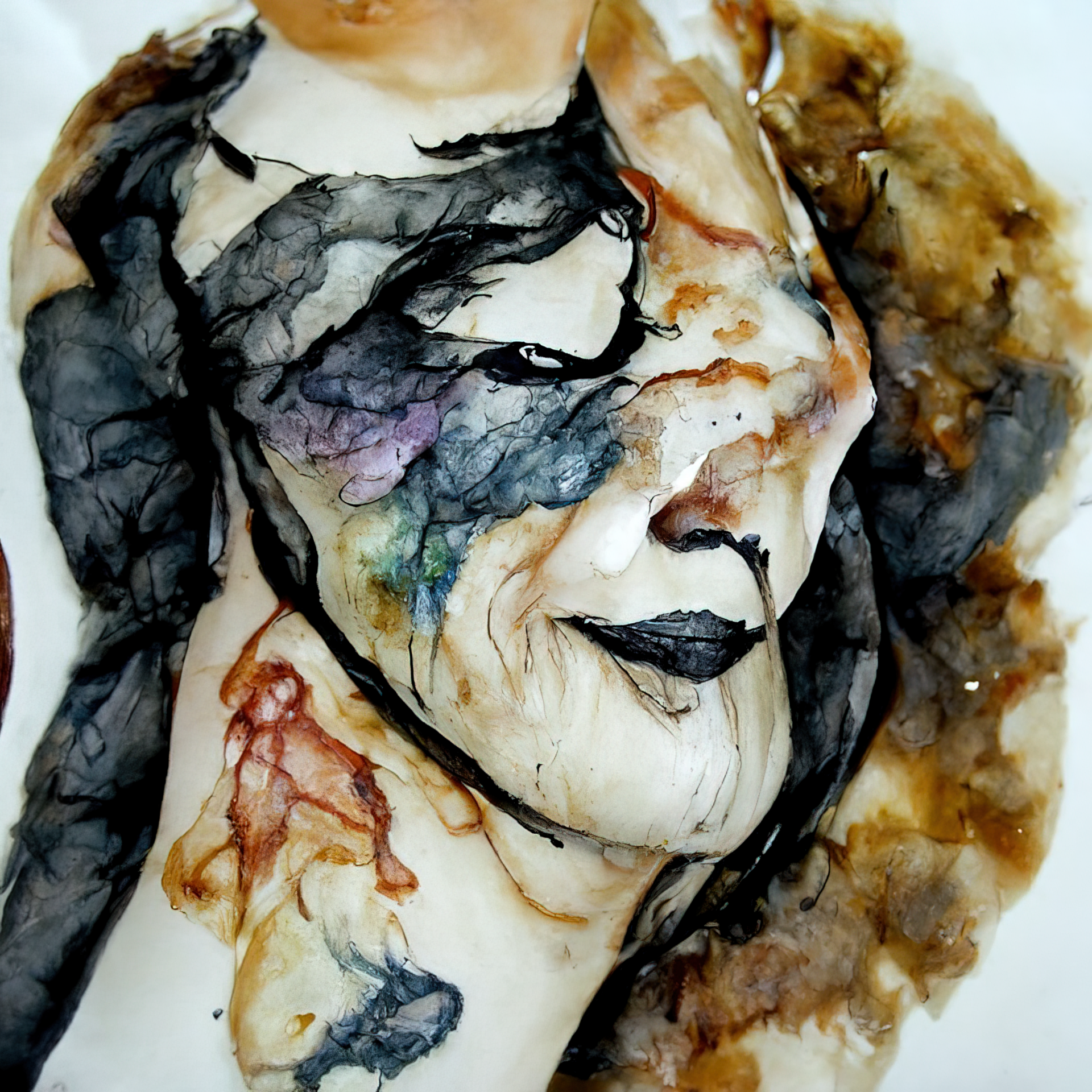
SLEEK: Your art exists in a cultural landscape of information, facts and words, but also a general sense of ignorance about what these things add up to. How does that feel?
Harald Schaack: Working with these techniques involves so many uncertainties that it sometimes feels like exploring new territory. Every parameter that can be adjusted, every input that influences the subsequent steps, every mistake you stumble upon that needs to be solved is part of [a series of] indispensable steps that lead to the next output. This boundlessness is sometimes quite intimidating.
S: Isn’t your art a kind of wonderland that leads to much deeper insights than it seems on the surface?
HS: Definitely. I think my work can be understood as a kind of counter-question. It may sound strange, but you can see it that way: I come up with a wish, an idea, a construction of parameters and configurations and put them in the room as a basis for the next output. I ask a kind of question in the form of data and wait for the answer, which I then get to see. You can leave it at simply looking and look away again. But you can also start to question all the work.
S: How did you get into this nerdy wonderland?
HS: Before I started getting interested in generative art and artificial intelligences, I trained as an information technology assistant. I dabbled in producing music, photography and directing. I firmly believe that it is right and important to follow your own flow. Little by little, more and more opportunities arose to combine the things I had learned so far. It was a question of time to mix and knot my career with all its stations.
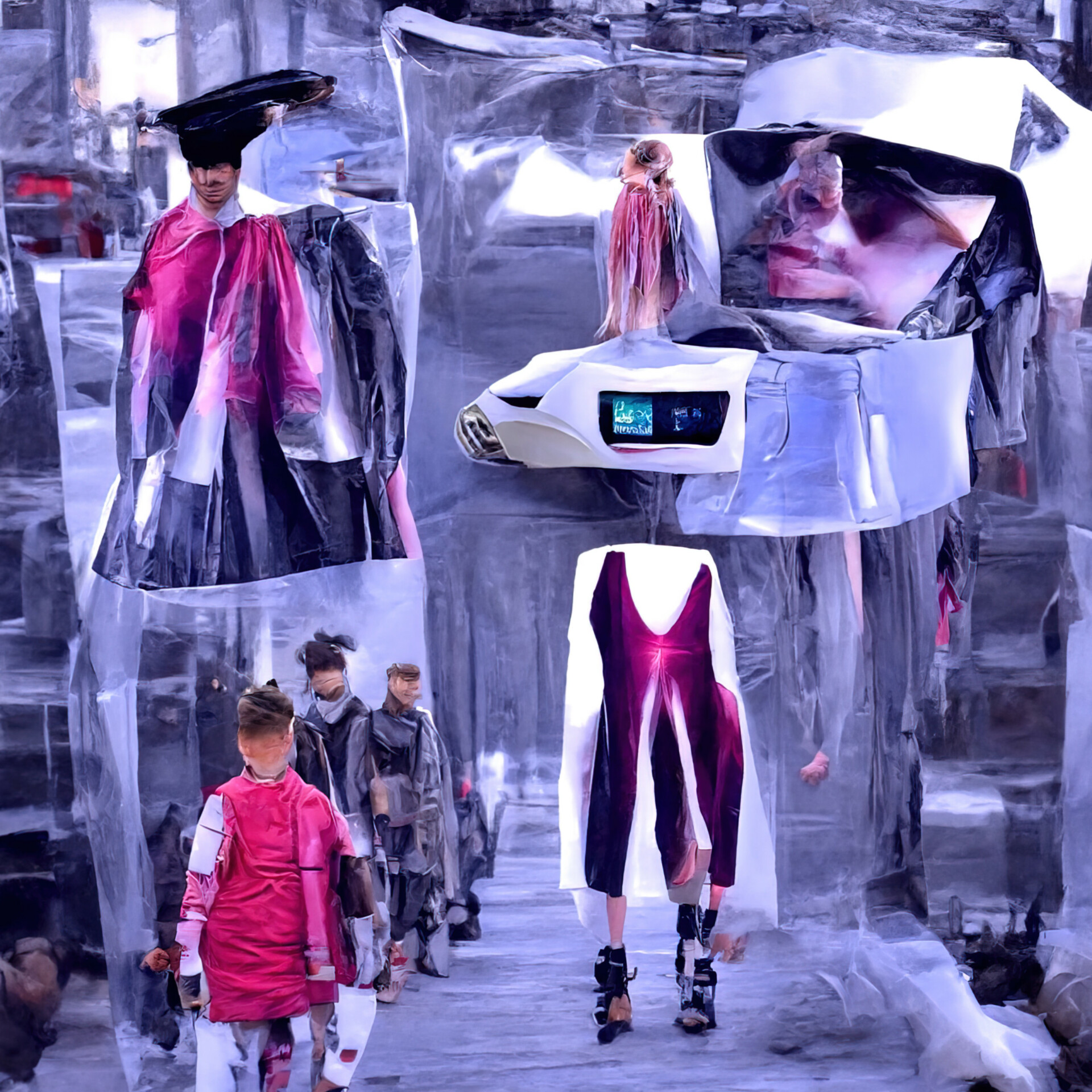
S: What is the attraction for you to work with artificial intelligence and data art?
HS: I love the slightly uncanny aspect of this way of working. Of course we are talking about calculated steps and outcomes, but often I feel exposed to this process as well. I feel a slight sense of loss of control as the iterations add up and the painting slowly builds. When you paint with a brush, you have control over it. If you train and use datasets to use like an artistic tool, it feels like control slips away and everything creates its own space.
S: What do fantasy and reality mean to you?
HS: Fantasy and reality are starting points for me. In my eyes, one can hardly exist without the other, because everything I see, experience and carry around in my thoughts serves at some point as the basis for the most fantastic thoughts. Our reality can be enriched and changed with the help of imagination. Each of us is the wonderful product of these two things.
S: What does your art and work trigger in you?
HS: First and foremost, a sense of wonder. It is simply impressive to see how codes start rolling once you have given your first impulse. I get slightly impatient when I notice how the computer is working, taking its steps and getting closer and closer to our goal.
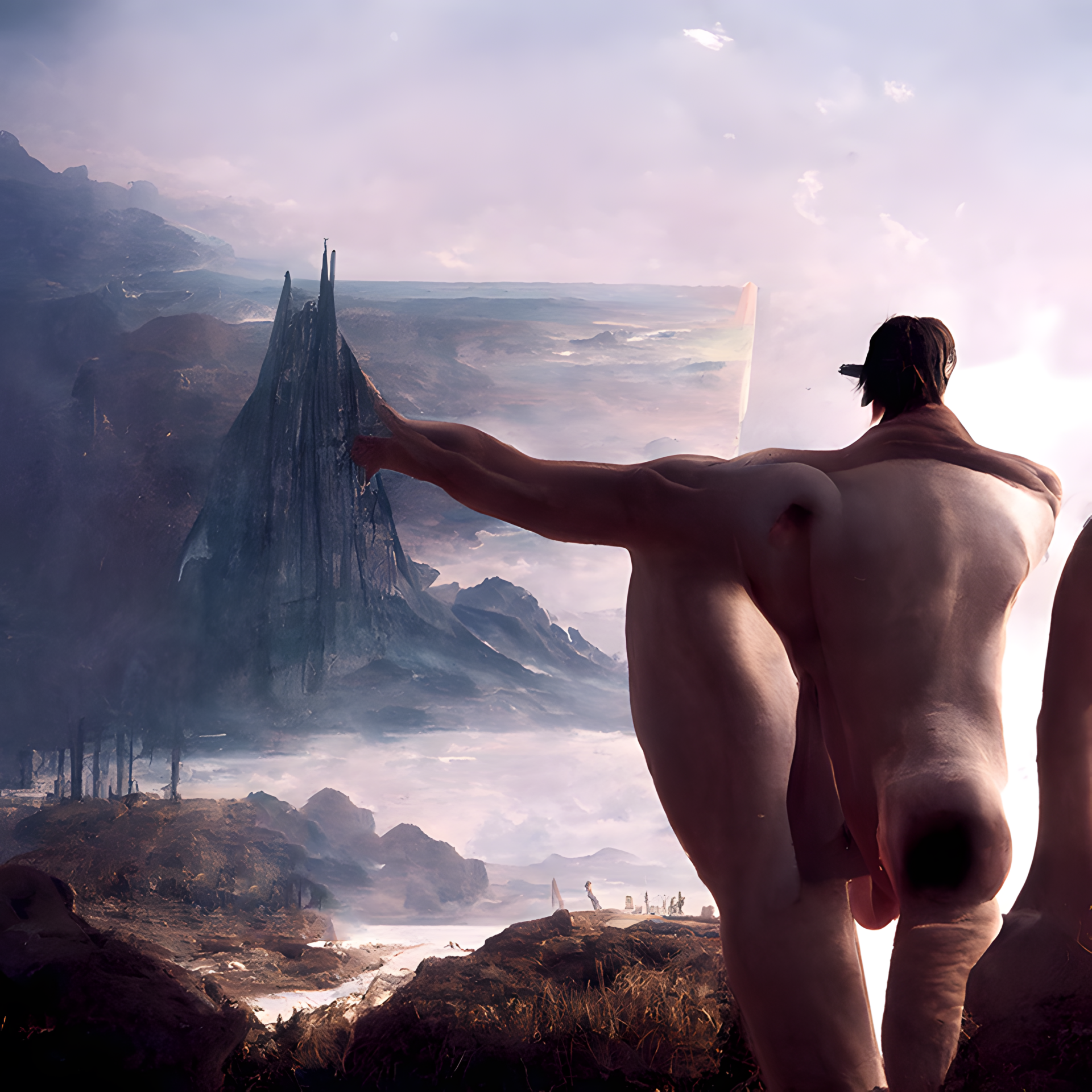
S: And what do you see as the potential that this opens up for us?
HS: There are many voices that worry that techniques like this herald the end of the artist. I don’t think so, because it’s just another technique and tool that opens up a new way for us to visualise, communicate and process our thoughts. I think that is incredibly valuable, and I think of a huge added value for society. The more people make art, the more people look at art.
S: For SLEEK, you took on all the people who entrusted us with their stories and thoughts in the features. What was that like for you?
HS: To be able to portray so many exciting people in this way was an insanely beautiful task. To engage with each one, to understand how they think, how they act, what they stand for and where they want to go and to calculate a portrait from all that is a really beautiful way to pay your respects.
As featured in SLEEK 73 – PASSION. Available in print and digital hier.
Harald Schaack is a conceptual artist from Düsseldorf. His multidisciplinary work ecnompasses film, video, animation, and data art. His work has featured in campaigns for Zalando, Volkswagen und Mercedes. Last year, his solo show, Schwund, was shown at Ratingen’s Künstlerloger gallery.