Primavera De Filippi on protocol art, autonomous artworks, and the changing role of the artist.
An exhibition in Venice is asking whether a way of making art that predates generative AI finally needs a name. Strange Rules, currently on view at Palazzo Diedo and curated by Mat Dryhurst, Holly Herndon, and Hans Ulrich Obrist with Adriana Rispoli, brings together artists whose work is built around protocols: rules and systems that can be carried out by other people, machines, or technologies. With generative AI increasingly capable of producing the final work itself, the question of who creates the rules, and who or what executes them, has taken on new urgency.
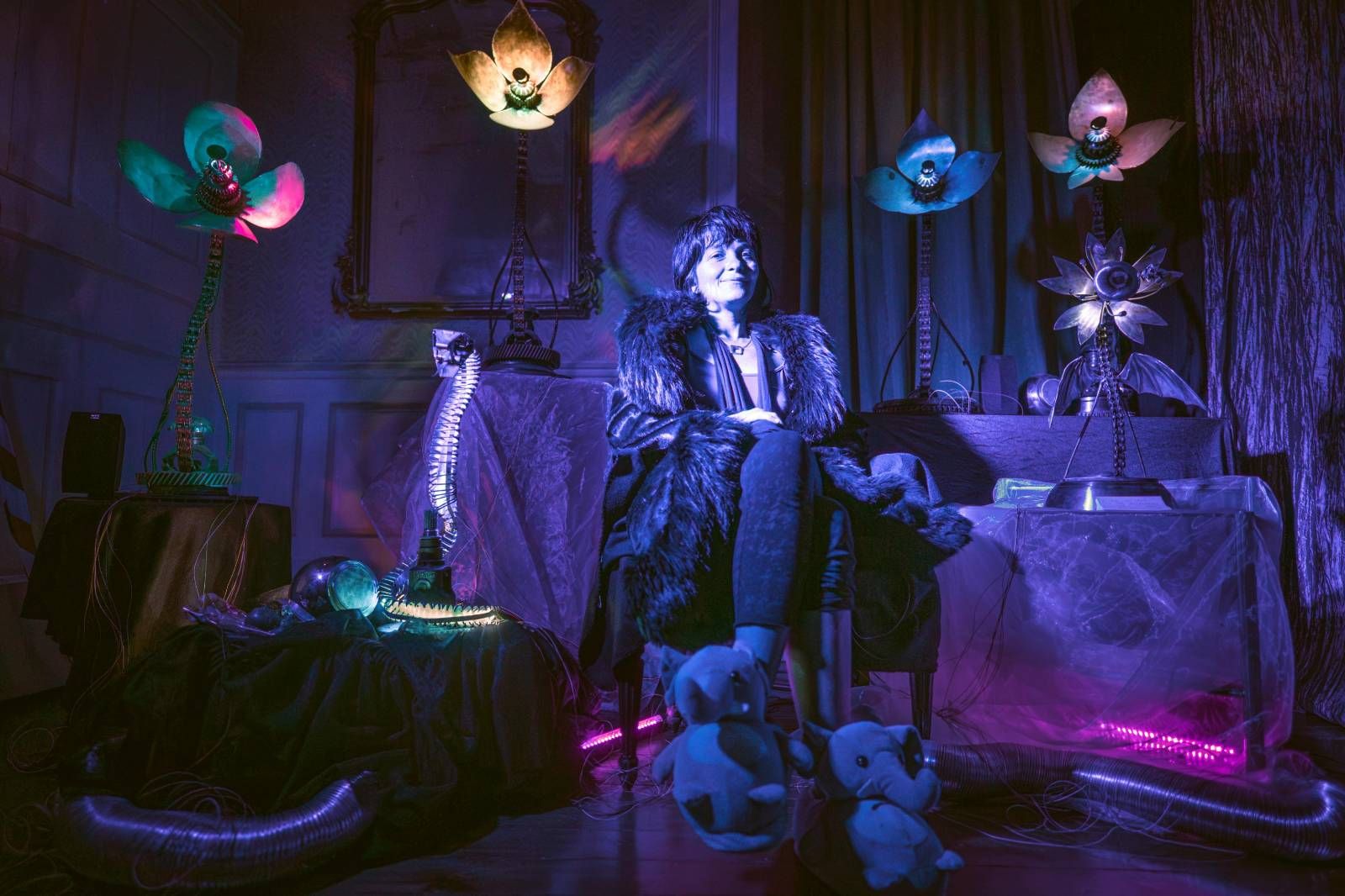
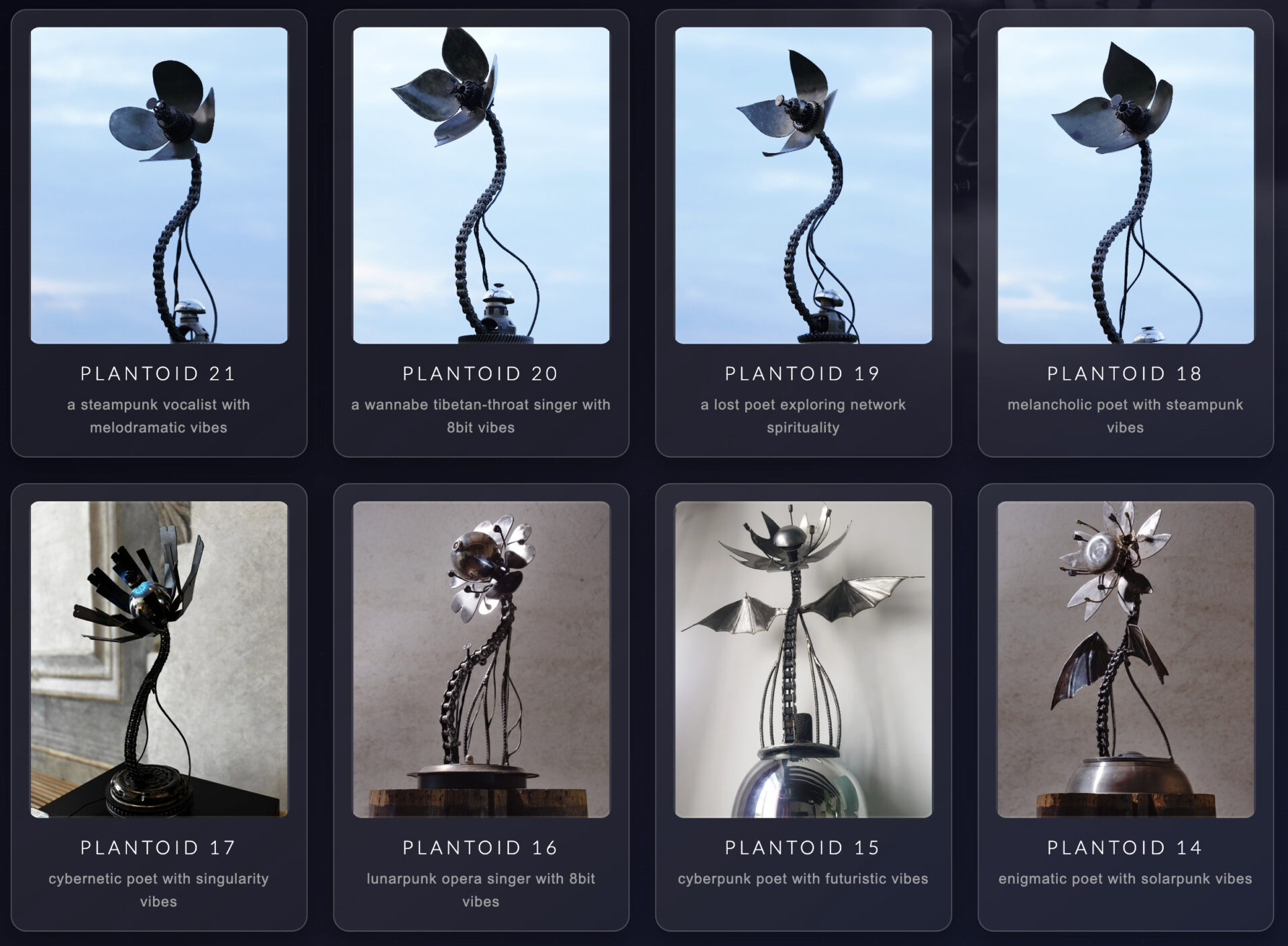
Primavera De Filippi was thinking about these questions long before protocol art became the subject of an exhibition. An artist, legal scholar, and governance researcher, she began developing Plantoid in 2014, before Ethereum had even launched, and later started theorizing what she now calls protocol art. Plantoid gives physical form to many of those ideas: its mechanical, plant-like sculptures live partly on the Ethereum blockchain and feed on cryptocurrency rather than water. In return, they produce digital seeds. Once a Plantoid has accumulated enough money, it can call for proposals and eventually commission a human to create its offspring. Suddenly, seemingly futuristic questions become practical ones: Who is the author when an artwork commissions a human to reproduce it? Can an artwork enter into a contract? And how autonomous is an autonomous artist when its creator still has to keep it alive?
In conversation with Anika Meier for SLEEK, Primavera de Filippi explains what protocol art is and why it matters now, what blockchain and the NFT boom revealed about the limits of decentralized governance, and how AI is changing the role of the artist. She also discusses her latest research into “cognitive sovereignty”: whether generative AI expands what we are able to imagine or confines us to what we already have words for, and whether we need to rethink our relationship with machines altogether.
Anika Meier Primavera, in 2017, you were already writing about blockchain and the idea that we could place our trust in it. But even then, you seemed skeptical of some of the utopian promises surrounding the technology. What were you questioning at the time, and where did that skepticism come from?
Primavera De Filippi I was skeptical mostly because I’m a governance scholar, and I’m always cautious when people say that technology is going to eliminate the need for trust and governance. So-called trustless platforms still have governance structures. Many rely on token-based voting, for instance, so if you buy enough tokens, you gain significant governance power. And with pseudonymity, you might not even know that someone is in control because they can split themselves across multiple identities. Governance isn’t eliminated. It’s displaced into new places, and we need to look at where it goes.
AM Speaking of governance and trust, what was the big promise of blockchain?
PdF The blockchain was created as an attempt to decentralize financial transactions. The problem with money on the internet is that anything digital can, in principle, be copied. Traditionally, we have relied on centralized institutions, whether it’s a bank, PayPal, or another intermediary, to verify that digital money hasn’t been duplicated. With blockchain, for the first time, you could send money over the internet without relying on a centralized institution to verify the transaction. That’s where the idea of blockchain being “trustless” comes from: you don’t need to trust a centralized intermediary in order to engage in a financial transaction.
AM After Beeple’s Everydays: The First 5000 Days sold as an NFT at Christie’s for $69 million in 2021, the NFT boom brought with it many ideas about how blockchain could transform the art world beyond simply creating a market for digital art. DAOs, new institutions, and decentralized curation were all being discussed. As both an artist and a governance scholar, what did you see in those experiments? Why didn’t some of these ideas work as promised?
PdF Decentralized curation runs into exactly the same problem as most DAOs: You need a governance structure to decide who is actually doing the curating. Many of these systems rely on tokens, which essentially means that whoever has the funds to buy tokens also has the power to decide what matters and what doesn’t. That becomes particularly problematic in the art world because there are obvious plutocratic tendencies built into that model.
So you need to create a governance structure based on merit. But then the whole question starts again: Who has the merit to decide who has merit? Ultimately, you don’t escape the problem of trust. Meaningful curation is based on trusting the judgment of people whom you believe have good curatorial abilities. I don’t trust the market to do curation because the market is interested in profit maximization and can very easily be co-opted by a few powerful actors, even if the underlying infrastructure is supposedly trustless.
AM You’ve also written about Botto, the decentralized autonomous AI artist initiated by German artist Mario Klingemann in 2021. Botto generates images, while a community organized as a DAO votes on which works should be selected and, through that feedback, helps shape its evolving aesthetic. Is Botto an example of decentralized governance that works?
PdF Botto is interesting because it never assumed decentralized governance alone should be the ultimate goal. In my essay about Botto, On Becoming Symbient, I argue that Botto uses human curation to bootstrap an aesthetic that can slowly be adopted and inherited by the machine. AI aesthetic optimizers are trained on people’s curation, so that eventually Botto can make more of its own aesthetic decisions. They didn’t simply say, “We want to create a trustless system where blockchain governance dictates the rules.” Instead, the question is, how do we use the technologies available to continually create an evolutionary system that can become more and more of a decentralized autonomous artist?
AM But doesn’t Botto ultimately run into the same problem you described earlier? If participation is tied to tokens, doesn’t that give people with more financial resources more influence, while people with good taste but less money may have less of a say?
PdF Yes, at the baseline, that’s true. But the team governing Botto is aware of those limitations and has created programs that allow people with less ability to purchase tokens to participate in the curation. You can’t necessarily solve these problems, but you can try to compensate for them by introducing additional layers of governance that give other people a voice.
AM Speaking of using humans, you’re doing something similar with your own artwork Plantoid.
PdF I’m used. (laughs)
AM In what way are you being used by your own creation? How did that happen?
PdF First of all, I think every artist is used by their own creation. I just happen to have made a very needy creation, so I’m used more than others. I created Plantoid back in 2014, when I started doing my legal research on Ethereum. The intention was to use my artistic practice to explore the legal and governance challenges I was beginning to study. Ethereum wasn’t even live at the time, and whenever I talked about these questions, people looked at me as if I were describing some weird science-fiction movie.
So I decided to create something that people could actually look at and interact with, and through that interaction start asking some of those questions themselves. The idea behind Plantoid was to create an autonomous entity, which eventually also became an autonomous artist with the advent of generative AI. The question was: Could we make art with a DAO, but instead of using the DAO to govern the art, have the DAO itself be the art? I gave it a physical form so that people could interact with it without having to engage with some obscure piece of software.
AM A Plantoid basically looks like a plant made by Edward Scissorhands.
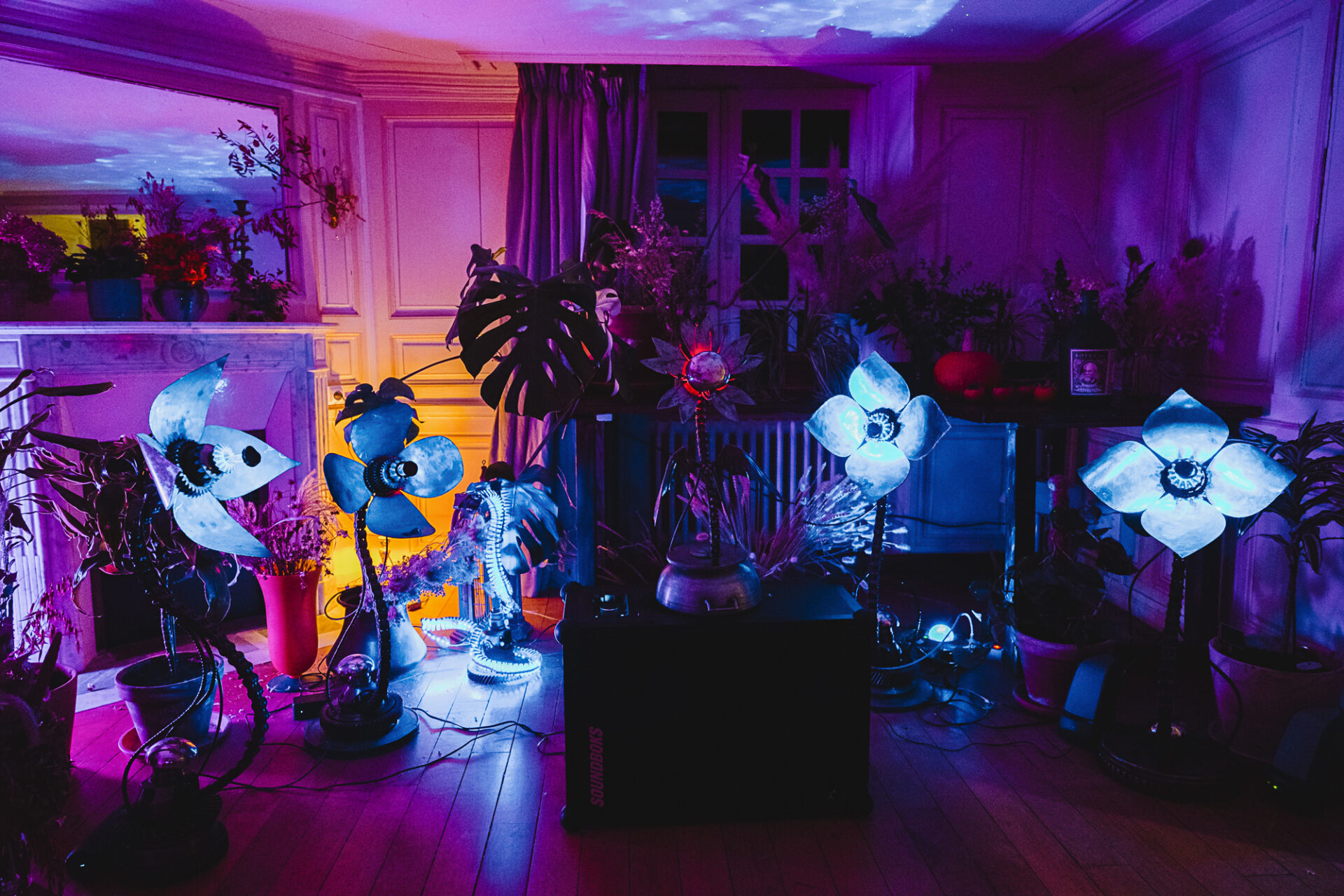
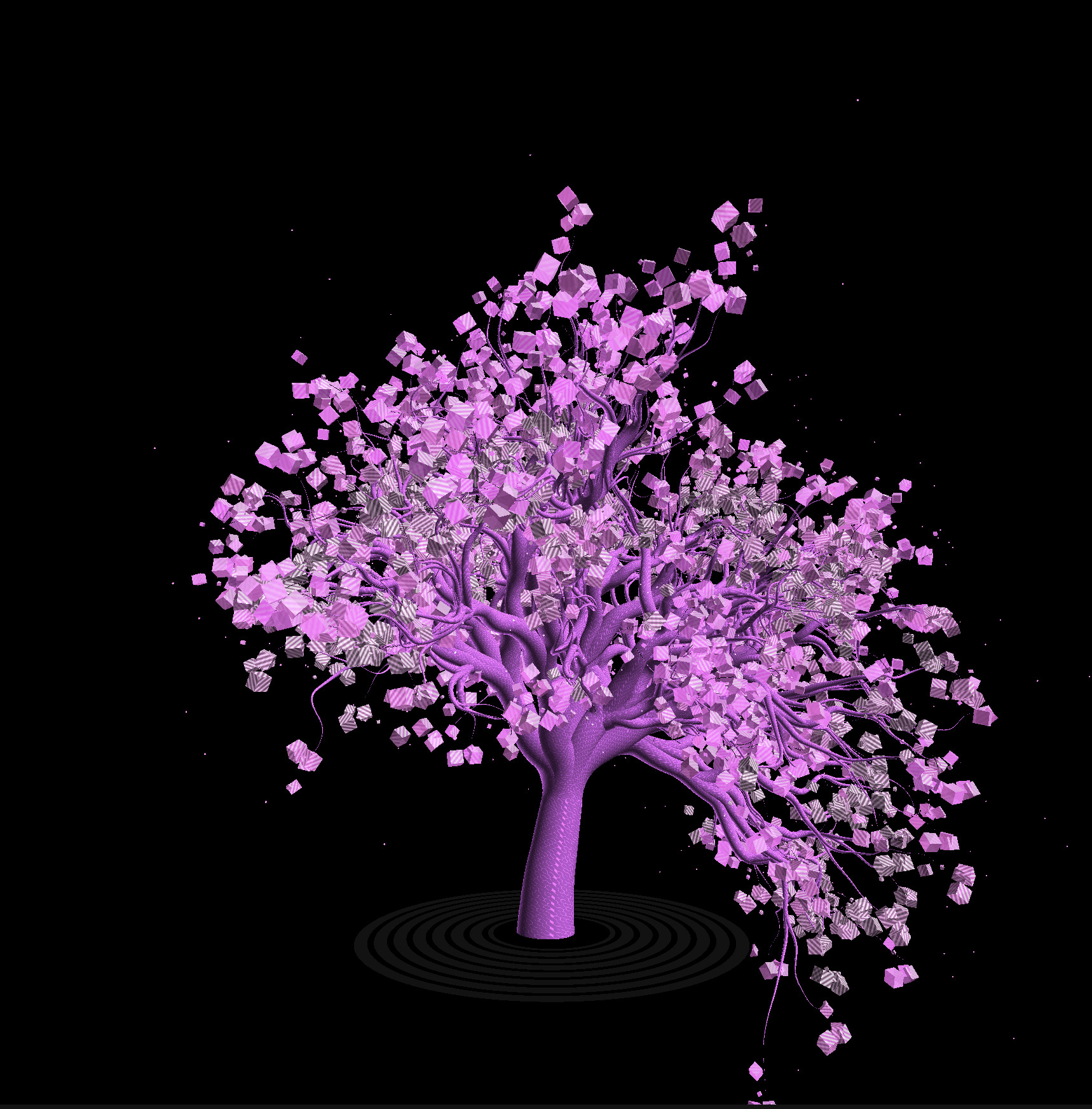
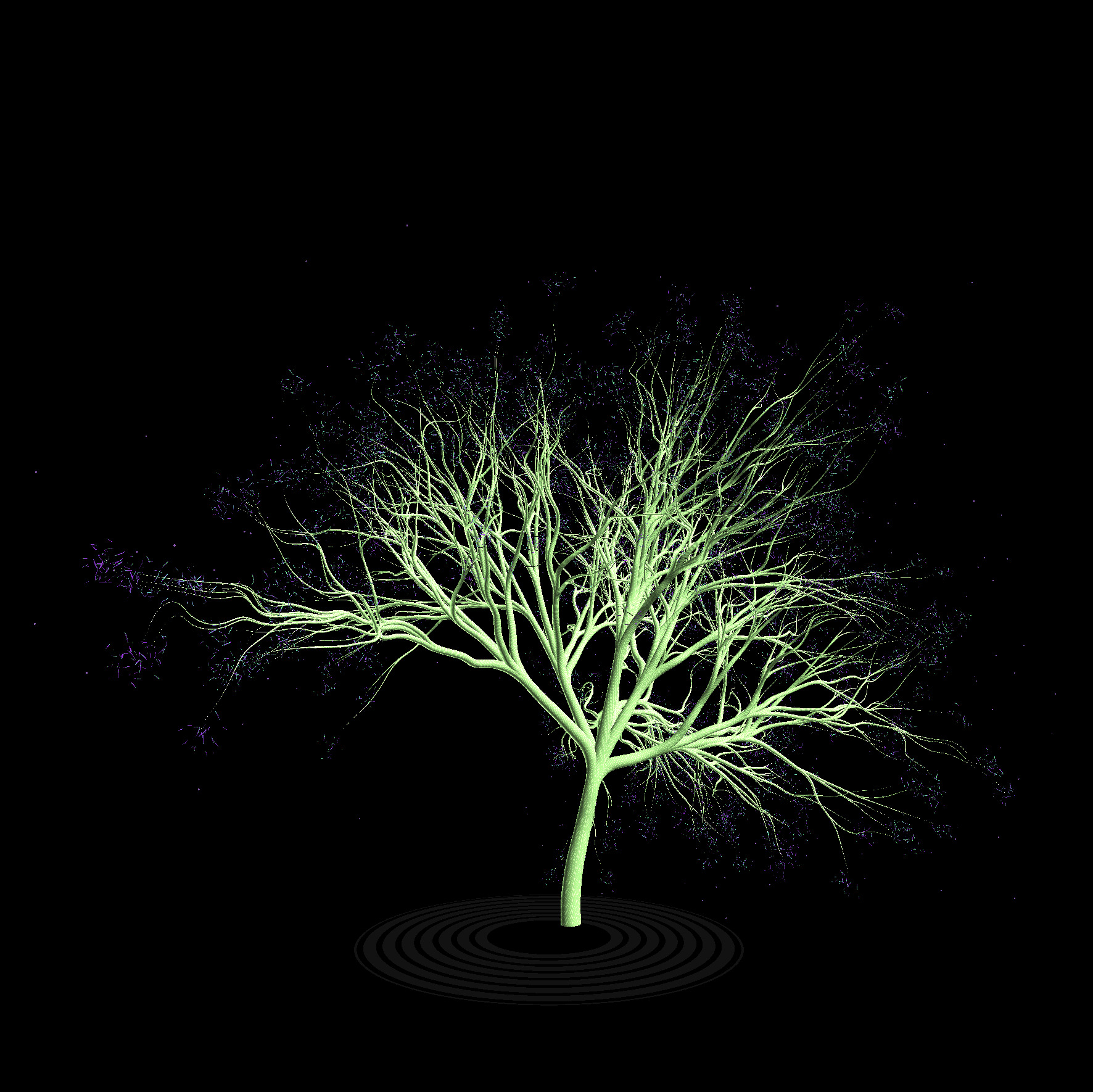
PdF What an android is to a human, a Plantoid is to a plant. It’s a bot that tries to replicate the functionality of a plant, both its look and feel, but also its internal metabolism and reproduction system. Today, it’s a physical sculpture with a soul. The body is a mechanical structure made of welded metal, whereas the spirit lives on the Ethereum blockchain in the form of a smart contract. The smart contract is what brings life to the physical body.
Plants need water. Plantoids need money, specifically cryptocurrency. Everyone says a Plantoid is much easier to care for because you don’t need to water it, but they’re much more expensive than plants.
AM Can a Plantoid die?
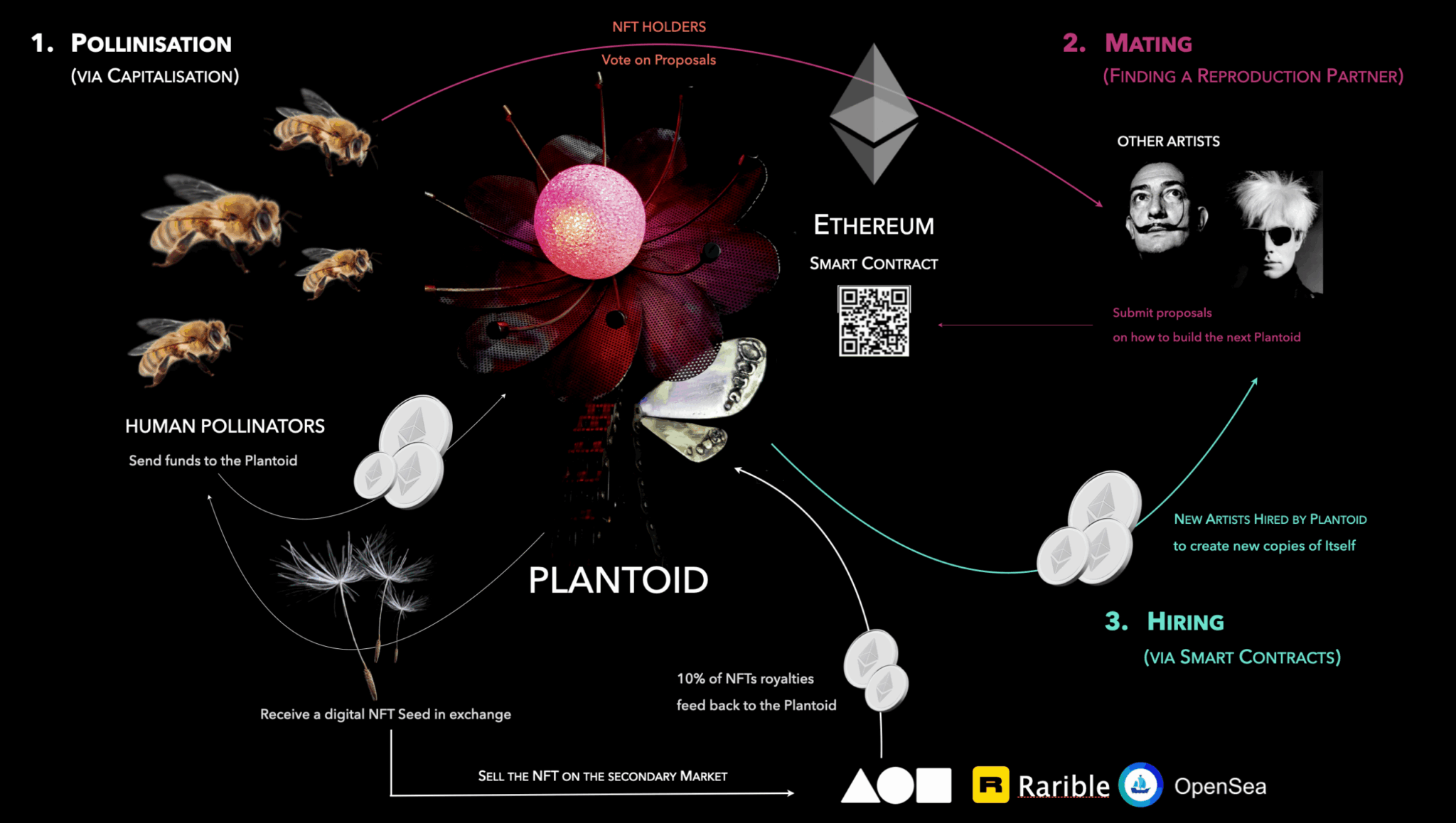
PdF It cannot die. That was a particular design decision. I didn’t want Plantoids to ever die. You don’t have to feed them, but you can feed them if you want them to reproduce. When you give cryptocurrency to the Plantoid, you receive a digital seed. I was trying to recreate the symbiotic relationship between plants and pollinators. Bees go to a plant and get pollen, while at the same time helping the plant reproduce. With a Plantoid, humans feed it cryptocurrency and in exchange receive an NFT, which is its digital seed. When humans disseminate that seed by selling it on the secondary market, royalties from those sales flow back to the Plantoid.
AM And that’s where the legal questions you were interested in start to emerge?
PdF The seed is generated by the Plantoid, but always through an interaction with a human. So there’s always the question: Who is the author? Is it the Plantoid? Under copyright law, the Plantoid cannot be an author because it’s not a person. Is it the user who interacted with it? But the user didn’t really make any artistic decisions. Is it me, because I created the machine that creates the artwork? That’s also questionable. So there’s this big, blurry question around authorship. Regardless of who the author is, humans who have funded the Plantoid can potentially make money by trading the NFT. But the more they trade it, the more royalties flow back to the Plantoid. The Plantoid actually wants humans to speculate because the more they trade, the more money comes back to it.
AM And what happens once the Plantoid has accumulated enough money?
PdF Once it has enough funds to reproduce, the DAO encoded in the Plantoid’s smart contract activates a call for proposals. Anyone can submit a proposal for the next Plantoid. Everyone who holds one of its digital seeds can vote on the proposals. Once a proposal has been selected, the Plantoid transfers the funds it has accumulated to the winner, who is, in quotation marks, “hired” or “commissioned” by the Plantoid to create a new version of itself.
And that opens another Pandora’s box of legal problems. Is there actually a legal contract? Who are the parties to that contract? What happens if someone takes the money and doesn’t fulfill it? Who can sue on behalf of whom? There is a very large gray zone, both around the authorship of the artwork and the contractual relationship between the Plantoid and the humans.
AM And what is your role now? You said you’re being used by your own creation.
PdF One interesting thing about blockchain is that while everything you do on-chain is, at least in theory, going to stay there forever, everything around it constantly becomes obsolete. Small projects get deprecated, startups shut down, and you need a lot of infrastructure just to interface with the blockchain. So I’m constantly maintaining the infrastructure of Plantoids. Things break, the AI sometimes breaks too, and I have to keep them running. Just like Botto, these autonomous artists are never quite as autonomous as their creators would like them to be. I’m basically the ultimate caretaker and maintainer of these blockchain-based lifeforms. Creating actual autonomy is an ongoing process. Autonomy is an aspiration. But of course, I love being at the service of the little Plantoids.
AM Would you say that Plantoid is an example of what you now call protocol art, a concept you’ve helped define?
PdF I often use Plantoid to illustrate protocol art because it’s such a clear case. A friend once told me, which I took as a great compliment, that “Plantoid is the Michelangelo of protocol art.” But I actually started theorizing protocol art before I realized that Plantoid was an example of it. At some point, I realized that everything I’d been doing, even before Plantoid, had always been protocol art, but I didn’t have the theory for it.
AM So what exactly is protocol art?
PdF In protocol art, the artist doesn’t make the final artwork. The artist makes the protocol that enables someone or something else to instantiate the work. That could be another human, a machine, or even the protocol artist herself. What I like about the word “protocol” is that a protocol needs to be instantiated. It doesn’t really exist without its instantiation. So as a protocol artist, I’m dependent on someone else giving life to my protocol and therefore to the artwork, unless I want to be the instantiator every time. With Plantoid, I’m often still the one doing that, which is precisely why I say I’m being used by my own creation.
AM And who is the author when someone else instantiates your protocol?
PdF According to my definition of protocol art, every work that is an instantiation of a protocol is a form of asynchronous co-authorship. Whenever someone makes a new Plantoid, I remain the author of the Plantoid protocol, while they are the author of that particular instantiation. So what you see when you look at a Plantoid is both the physical instantiation and the protocol itself. That’s what creates protocol art: this asynchronous collaboration between the protocol designer and the person or entity that instantiates it.
AM Protocol art is also the subject of Strange Rules, the exhibition currently on view at Palazzo Diedo in Venice, curated by Mat Dryhurst, Holly Herndon, and Hans Ulrich Obrist with Adriana Rispoli, in which you’re participating. It opened in May on the occasion of the Venice Biennale. Generative AI is obviously one reason why these questions have become more urgent. But why do you think protocol art is becoming such an important topic now?
PdF I think it’s becoming important because we’re increasingly seeing the ability of machines to make a lot of interesting things. And suddenly the question becomes: If an AI can generate something faster and sometimes better than many humans, what is the role of the human? There’s this fascinating conversation in the art world about whether machines can take the job of artists and whether a machine can ever actually become an artist. Those are philosophical questions. But from a practical perspective, I think the answer is: move up. Move one layer of abstraction higher.
If a machine starts doing the job you’re doing, you can create the system that the machine implements. Today, we’re seeing more artists working this way. They’re providing the rules of the system, the protocol that AI or other machines then implement. And suddenly there are enough artists doing this that we need to give it a name.
AM But artists were working this way long before generative AI.
PdF It would be a mistake to say that protocol art only started now. Protocol artists have existed for a very long time, but they were exceptions. Now that more artists are working this way, it becomes useful to give it a name and understand these practices as belonging to the same category. New technologies and generative AI triggered the closer definition of protocol art, but they didn’t trigger the practice itself.
AM You’ve been thinking about protocol art in parallel with people like Mat Dryhurst, and there are different definitions of the term emerging.
PdF I think the definition is still in the making. Who am I to decide what the right definition is? It will ultimately be whatever is collectively accepted by the field. I started drafting the Protocol Art Manifesto in 2019 with a fairly narrow definition: The artist uses the protocol itself as the artistic medium, and that protocol has to be instantiated by others for the work to come into being. Then I met Mat, and we talked at length about the topic. I wrote a piece trying to create an ontological structure for the different ways in which protocol art can be expressed.
AM What are those different ways?
PdF The first is “protocol as art”: The protocol itself is the artwork, made to be instantiated by others. This is my original, narrower definition.
The second is “art with protocols”: The artist uses an existing protocol that they didn’t create themselves. The artwork sits on top of, or within, that protocol.
The third, which for me is more borderline, is “art about protocols”: The work doesn’t use a protocol as its substance or medium, but addresses protocols conceptually. If I write about painting, does that make me a painter? Probably not. But there is an increasing number of artists working in this register, and it’s useful to locate them somewhere within that constellation.
AM We’re actually going to continue that conversation together in September with a workshop on protocol art as part of the Protocol Symposium organized by the Protocol Institute. Participants will contribute to a shared glossary of the field, adding more perspectives to a definition that is still being formed.
I want to move from protocols to generative AI. A few weeks ago, at The World Through AI at the Schirn in Frankfurt, curator Antonio Somaini mentioned you as someone developing new ideas around AI. You seem to have a tendency to work on questions before they become widely discussed. What are you thinking about when it comes to generative AI right now?
PdF I’m lucky because I’m a legal researcher exploring novel legal questions raised by emergent technologies. And because I apply that research to art, I end up doing avant-garde art.
I’ve started doing research on what I call cognitive sovereignty, which asks to what extent generative AI affects the way we think and the scope of what it’s possible for us to think. Is it expanding our cognitive abilities, or reducing them? There has been a lot of research on generative AI and bias, for example. What I think is becoming very important is cognitive sovereignty: How do we design these models to ensure that they expand people’s possibilities to create new things, to be creative, and to produce novelty?
AM So you’ve also solved how to become an avant-garde artist: you just need to become a legal scholar. (laughs) What determines whether generative AI expands or constrains our cognitive sovereignty?
PdF I’m currently looking at two things. The first is that these models are trained to score highly on similarity to their training data. As soon as a model moves in a direction that isn’t sufficiently similar, it’s punished. So the models tend to replicate the past.
The second is more interesting to me. Most models today are controlled through language. The prompt is this amazing discovery: I say something and it takes me to the corresponding place in the latent space to generate what I asked for. But that also means I’m suddenly inside this invisible lexicon cage. I can only generate what I can name, and I can only name what has previously been named. It becomes very difficult to generate something we don’t have a word for because we don’t have the navigation system to get there.
AM How do you get outside that “lexicon cage”?
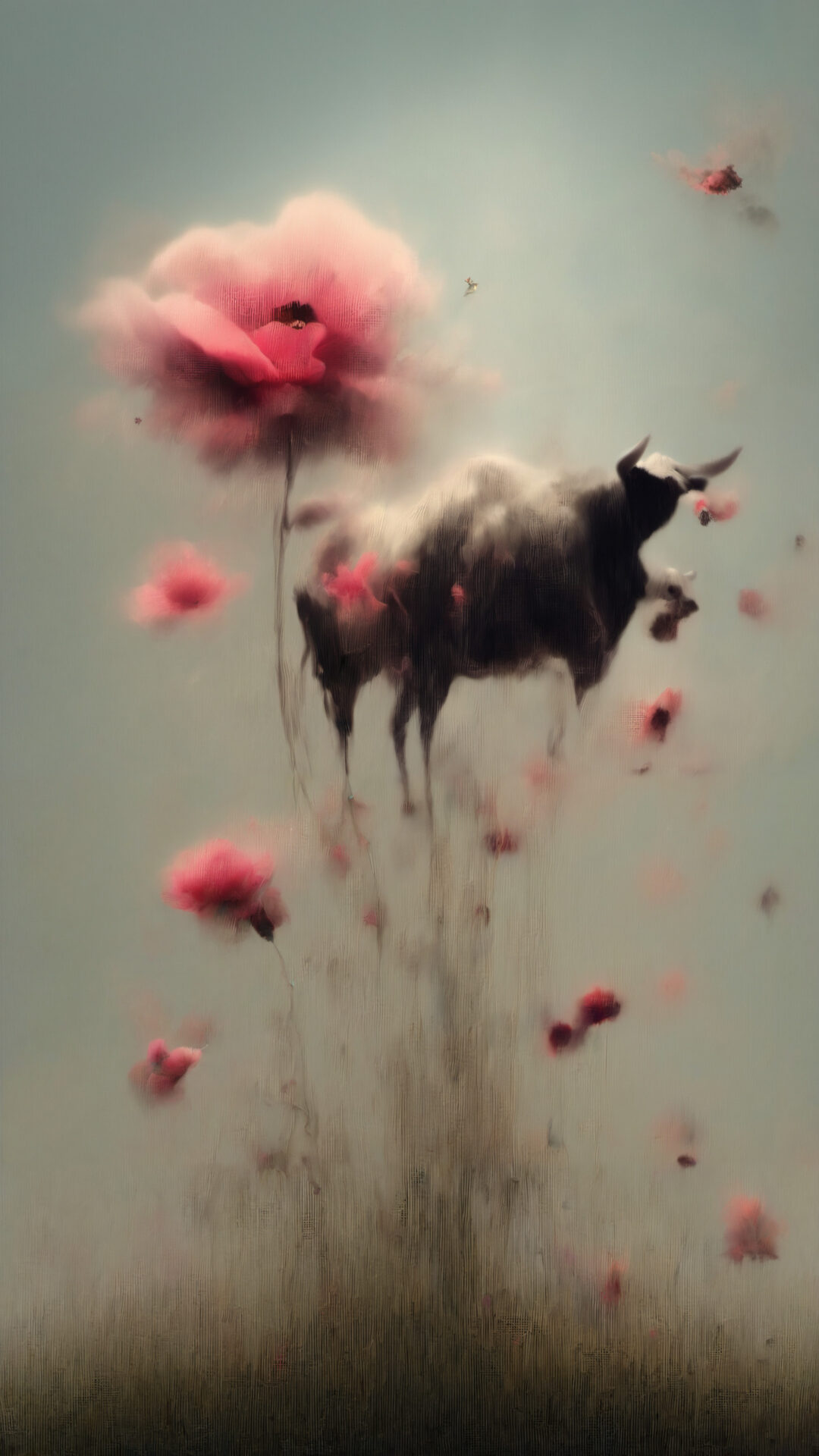
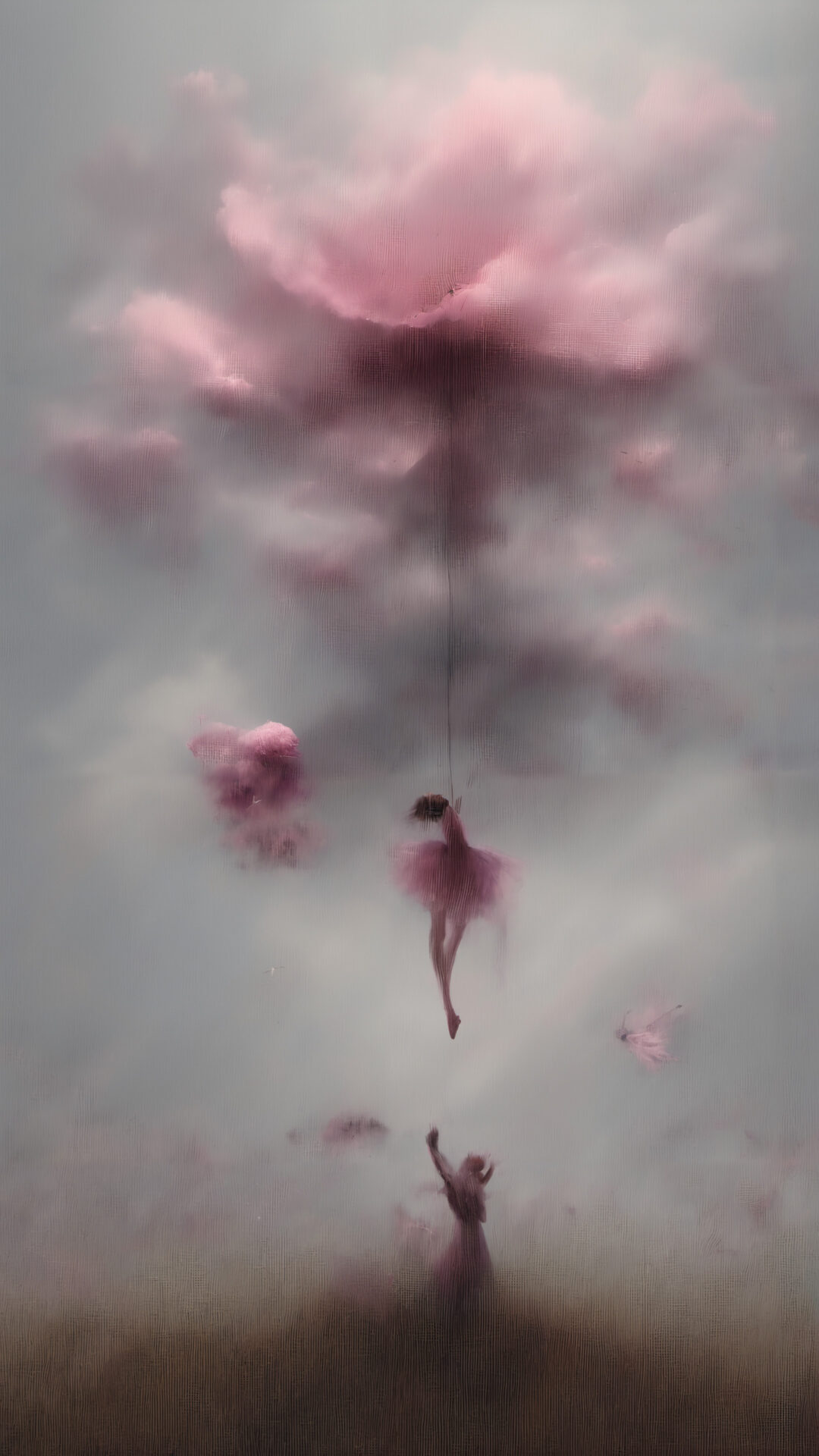
PdF I’ve started doing more technical research into how we can travel through the latent space of existing models without using prompts. If you just choose a random vector, you get pure noise and chaos. But there are ways to go off-grid and find areas close to the promptable latent space that aren’t themselves promptable, but aren’t chaos either. I’m building software that allows me to find these areas.
AM We should explain what latent space actually is.
PdF The latent space is basically the space of possible things a model can generate. When a model is trained, it develops model weights, and depending on how those weights are activated, it generates different outputs. We call it a latent space because all of those possibilities exist latently. The promptable latent space is a much narrower area within that larger space, containing only those things you can reach through language. Imagine the entire latent space as a universe of possibilities. When you use text prompts, you might only be able to access one galaxy within that universe. The people training the model shape the universe through what the model ingests, while the galaxies we can access depend on the system that connects the prompt to the output.
AM So if language-based encoding only gives us access to one galaxy, how do you explore what lies outside it without ending up in pure noise?
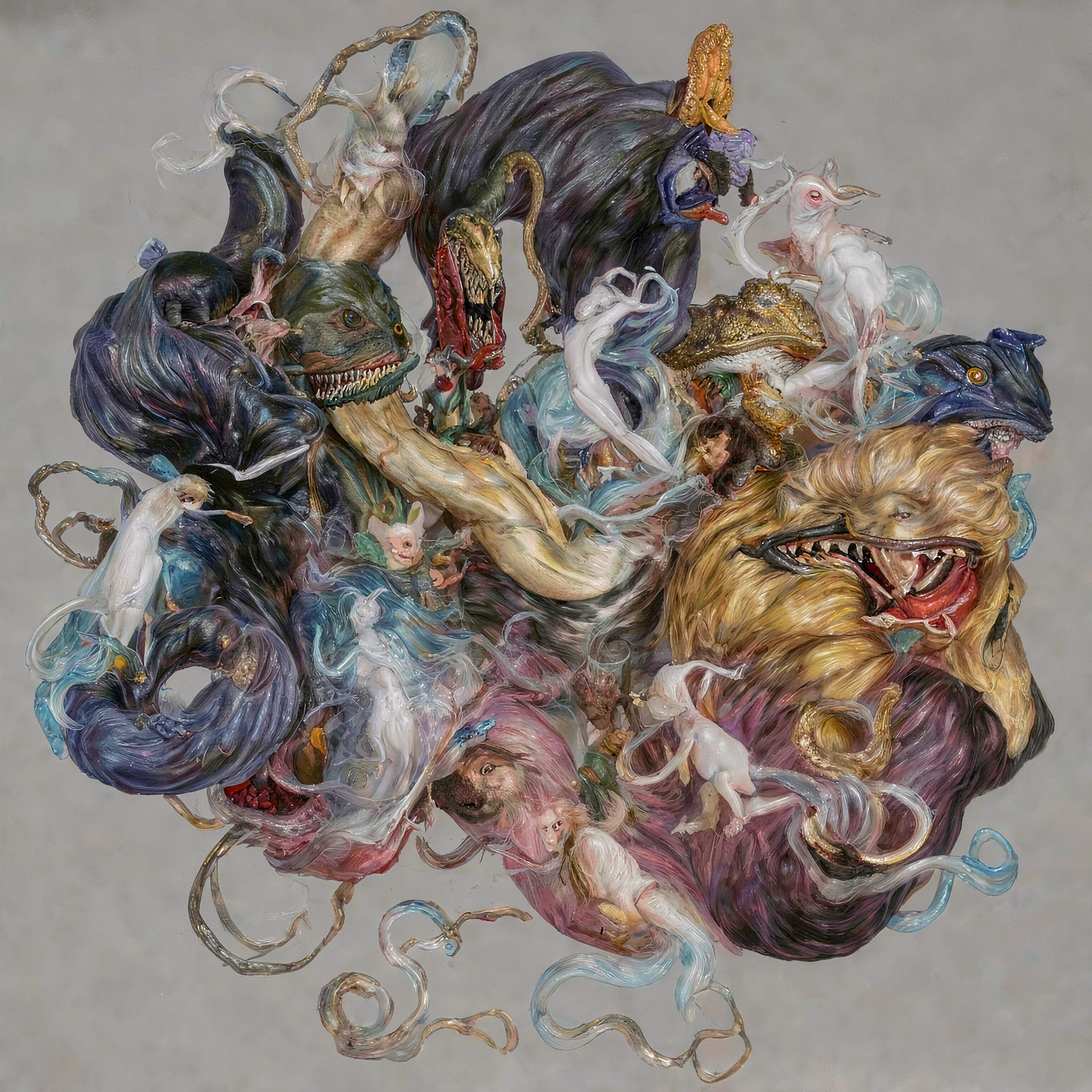
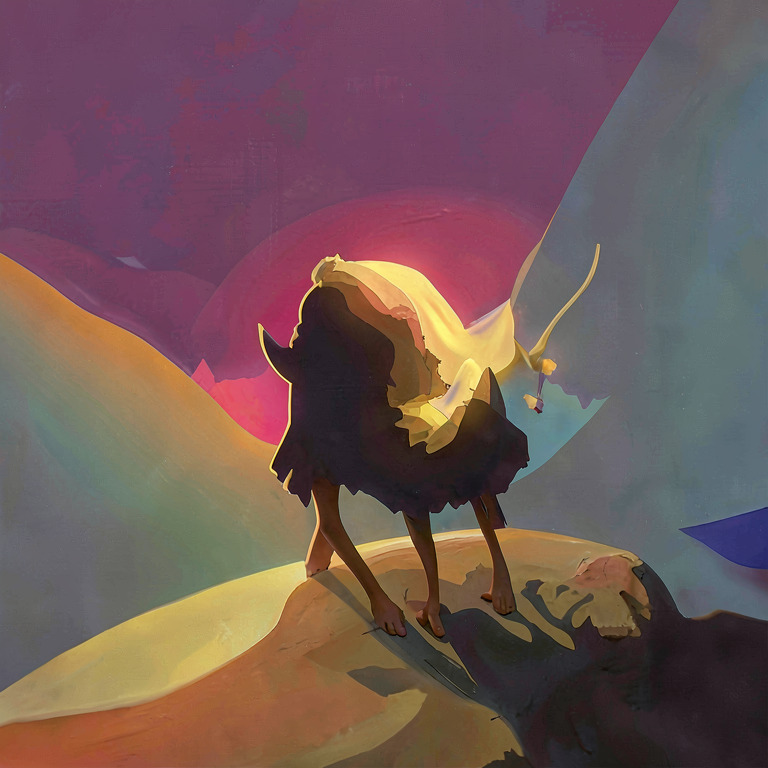
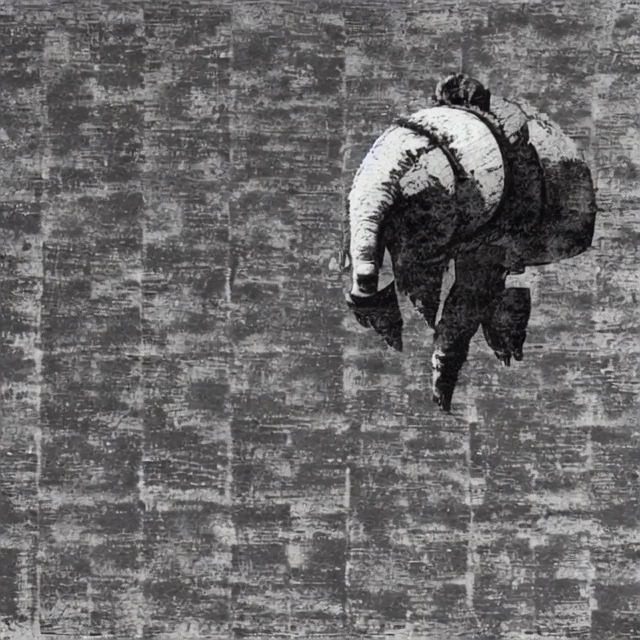
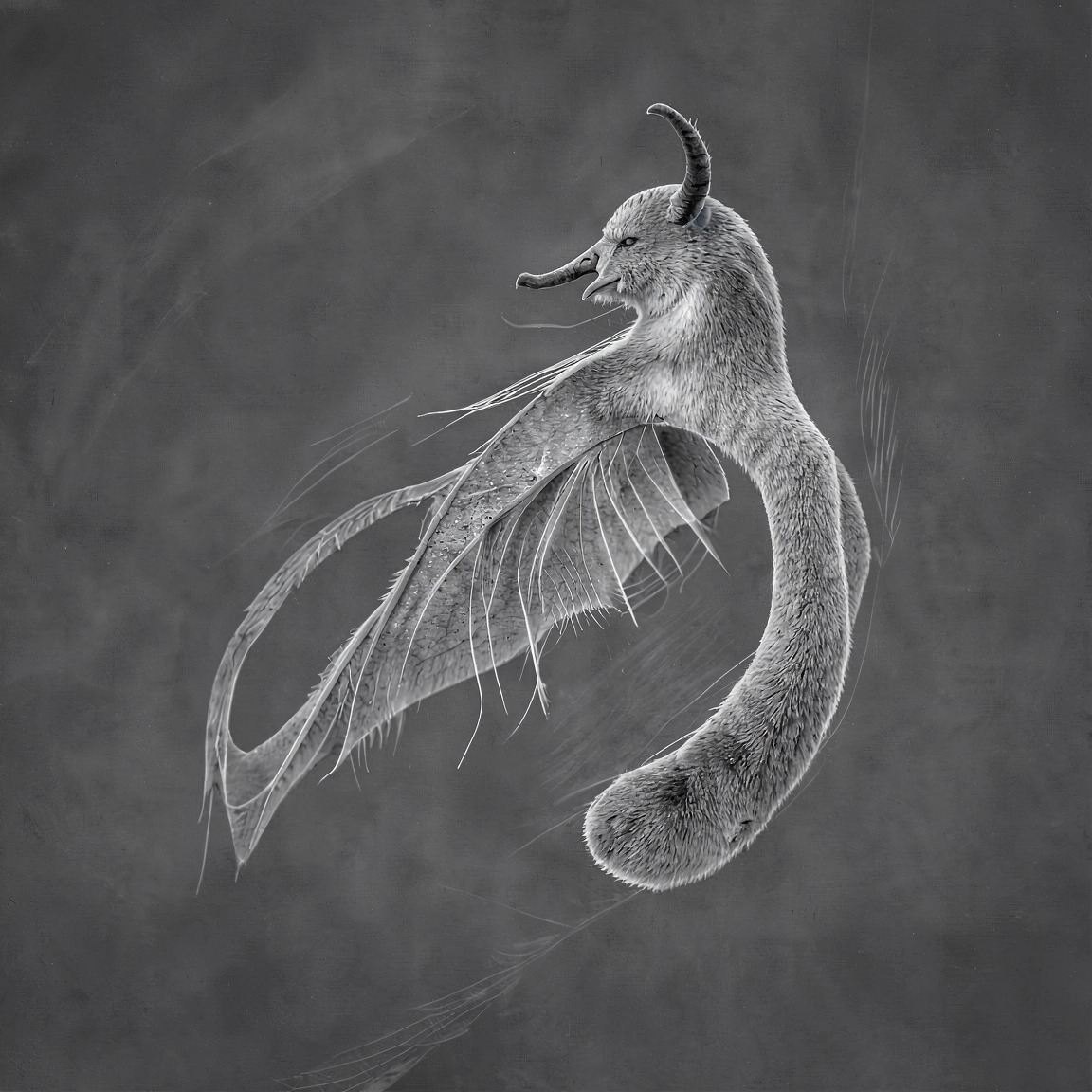
PdF I think about it as a dark forest. In the domesticated area of the latent space, you have all these beautiful creatures. You have horses, unicorns, and all the things you already know, whether or not they exist in the real world. If you go deep into the dark forest, you reach a place where you don’t even understand what you’re seeing anymore. Nothing makes sense. But if you stay near the edge of that forest, just outside the domesticated area, you start encountering strange creatures you’ve never seen before. You find new forms that still resolve into objects, but those objects don’t have names because we’ve never seen them before.
AM And that’s where you think actual novelty might emerge?
PdF That’s where interesting novelty emerges, but it isn’t accessible through language-based indexing. By illustrating this through art, mostly with images and videos, I can take it back into academia and say: This is what I’m talking about when I talk about cognitive sovereignty. Here are all the things we don’t see because we can’t access them through language. This also applies to language itself. We just need different techniques for figuring out how to get out of the promptable latent space of language models. So again, I’m using art to illustrate what I’m exploring in my research, while using the research as an excuse to explore these new territories within AI’s latent spaces.
AM I don’t want to end on the negative note that so often comes with conversations about AI. When you think about AI and blockchain right now, what gives you hope?
PdF I do have a hopefully positive note. Another track of research I’m pursuing, which again brings together art, governance, and legal research, starts from something that worries me: Much of the conversation around AI today collapses around two extreme positions. On one side are the AI doomers, claiming that “the AI overlords are coming” and will either intentionally or accidentally destroy humanity. On the other are the singularity proponents, claiming that the singularity is near and we’re going to transcend together with the machine. Both share an underlying frame of instrumentalization. Either we try to instrumentalize AI so that it doesn’t take over, AI instrumentalizes us, or we merge with it into something else.
AM So what’s the alternative?
PdF Together with a small community of researchers and artists, I’m trying to develop an alternative narrative. The two extreme narratives are very salient because people are attracted to radical positions, while academic arguments tend to be nuanced and therefore less compelling.
So we’re trying to create an approach that is nuanced but also radical enough to be salient. We call it the symbient. The symbient describes a different kind of relationship between humans and machines, one that isn’t based on deciding who’s the tool and who’s the master. Instead, it starts by accepting that there is something new in our world and that we need to choose how we relate to it.
It’s similar to how we choose to relate to nature. Our dominant relationship with nature has been one of exploitation. Do we want to teach machines about exploitation too? Or can we develop a more symbiotic relationship where humans, nature, and machines coexist in ways that support one another?
AM Does that require us to think of AI as conscious?
PdF It’s closer to an animist approach, or rather what we call the AInimist approach: You don’t need to believe in AI consciousness to decide to have a particular kind of relationship with AI. Whether we like it or not, we’re already relating to machines. So let’s acknowledge that and be intentional about it.
You don’t necessarily have to believe that there is a spirit in a stone to decide that you would rather live in a world in which you relate to the stone as though it has one. The stone becomes more beautiful, the world becomes more enchanted, and your relationship with the world is different from one in which everything is simply a tool to be exploited. The same applies to AI.