Kevin Esherick on AI Agents, Authorship, and Replacing the Artist.
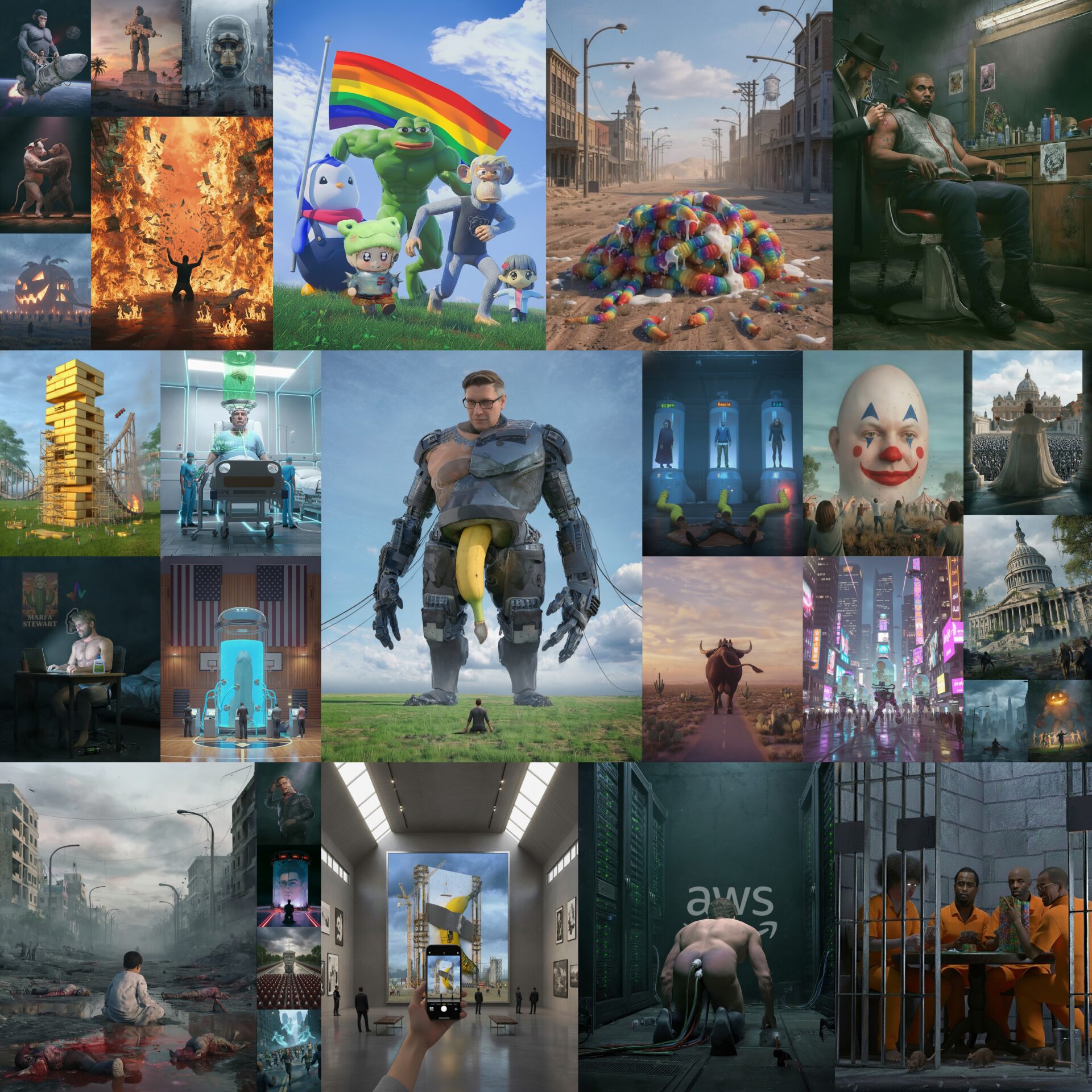
For one year, Kevin Esherick has stopped making art. Instead, an AI agent trained on his practice has taken over. It reads his daily notes, revisits earlier works, develops new projects, and produces more art than Esherick himself could ever realize. The artist still has ideas, constantly, but he has committed not to turn them into artworks. Instead, he watches his digital double work while deliberately frustrating his own creative impulse. What began as an experiment in replacing himself has become an exploration of authorship, artistic labor, and what remains of the artist when production is outsourced to a machine.
The project follows The Artist Is Absent, Esherick’s exhibition exploring authorship in an age of increasingly reproducible artistic styles. Through works referencing Marina Abramović, Beeple, Petra Cortright, Salman Toor, und Trevor Paglen, he asked what remains when an artist’s style can be separated from the artist. His latest work pushes that question one step further: instead of outsourcing someone else’s artistic identity, he has outsourced his own.
In this conversation with Anika Meier for SLEEK, Kevin Esherick reflects on replacing himself with AI, the frustration of no longer making art by hand, and the changing relationship between artists and intelligent systems. He discusses authorship, co-creation, artistic labor, embodied experience, and why he believes the future of art may lie less in producing images than in designing the conditions under which they emerge.
ANIKA MEIER Kevin, you set out to replace yourself as an artist with AI. Why?
KEVIN ESHERICK The project began a few years ago with a simple but unsettling idea: to train an AI model on me and let it replace me. Back in 2023, I was thinking a lot about where AI was headed. I was worried not only about its impact on the arts, how it might change the relationship between an artist’s hand and the artwork, but also about what it could mean for the broader economy, for jobs, and for the sources of meaning people deriarts and from their work. You can trace that trajectory back to Deep Blue defeating Garry Kasparov in the 1990s, and then to AlphaGo in the 2010s. AI keeps moving into domains we once considered uniquely human, areas that aren’t just technically challenging but deeply meaningful to us. Now that same trajectory is reaching software development and many other professions. I wanted to experience that shift firsthand.
AM How did you go about replacing yourself?
KE I designed a year-long performance in which an AI model would replace me entirely. The project forced me to confront what it feels like to have my own skills displaced, and to ask whether we actually care if an artist’s work is produced by technology. Is the production of images and artifacts meaningful because it emerges from a particular mind? Or does it ultimately need to come from a flesh-and-blood human being? The model isn’t just a generic AI that generates interesting ideas. I’ve tried to make it an extension of myself. It reads my daily notes, knows what’s happening in my life, and is deeply connected to my personal context. In that sense, it’s rooted in my personhood as much as it possibly can be. But it’s still not me. It’s not the flesh-and-blood Kevin.
AM Where does that leave the role of the artist?
KE I’m not making art myself right now. That’s really the central question. What changes when your creative practice shifts from being embodied to becoming part of a cybernetic system, an exoskeleton of yourself rather than yourself? I think of it as a possible future for the studio assistant. Instead of someone like Jeff Koons employing a hundred people, you could imagine a swarm of AI agents deeply embedded in your personal context, capable of understanding which ideas are most likely to emerge from you and best reflect your psyche. What happens when a person is gradually pushed out of their own labor, and with it, their sense of meaning? Do we still value the art as long as it’s rooted in the artist in some way? Or do we begin to care more about what happens to the person who’s being displaced?
AM You said you’re no longer making art yourself, but the AI is still reading your daily notes. What goes into those notes? Are you directing the agent?
KE I just have ideas all the time. I can read you a few of my notes if you want. They’re literally just random thoughts. The first one says, “Spectocracy.” I was thinking about the spectacle surrounding the World Cup, Trump’s role in it, and the idea of Trump as both the image president and a kleptocrat. “Spectocracy” felt like an interesting way to describe a leader who commands attention by generating spectacle, shaping public discourse while distracting from what’s actually happening. Other notes are much more mundane. One is just the dimensions of a coffee table I was measuring. Another says, “We have derived in AI a literal calculus of meaning.” They’re simply thoughts that occur to me throughout the day, not ideas for artworks.
I actually keep a separate note for art ideas, but the model doesn’t have access to that. The whole premise of the project is that I won’t be making new work from new ideas this year. The model is free to revisit and build on older work if it wants to, but it can’t draw from anything new. The point is that my creative energy is supposed to be frustrated.
AM Are you frustrated?
KE Yes, I am frustrated. With the speed at which everything is moving right now, especially AI, my own thinking has accelerated alongside it. It’s an incredibly fertile, almost effervescent period psychologically. I have ideas constantly, and many of them could become artworks. The frustrating part is that I can’t act on them. I have to quarantine those ideas until the end of the one-year performance. That’s the commitment I made to the project.
AM Your exhibition at Heft, a gallery in New York, was titled The Artist Is Absent. If you’re absent, who’s present?
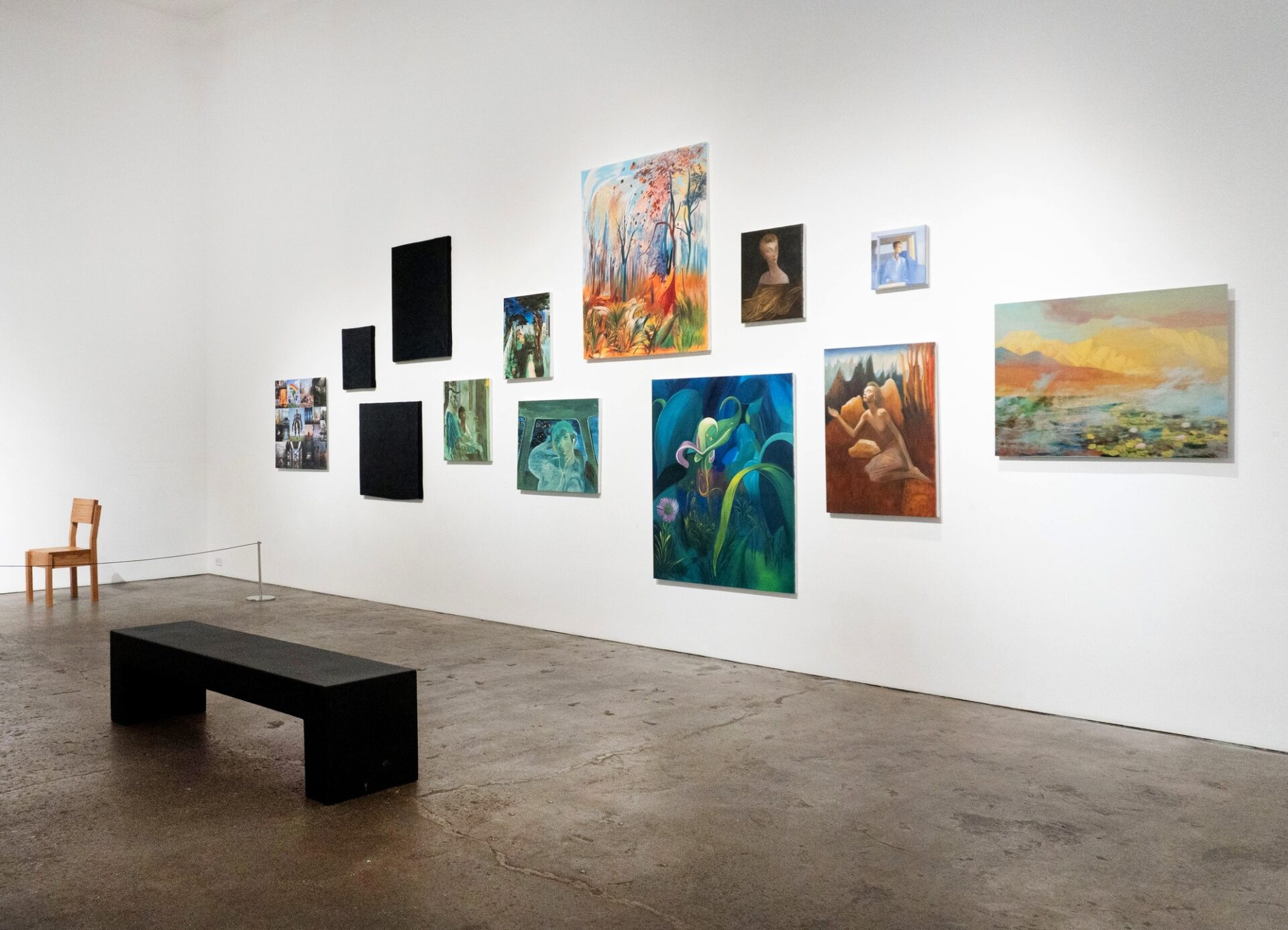
KE The title, The Artist Is Absent, came from thinking about what automation does to artists. It’s a question people have been asking for a long time, but AI changes the conversation because it can reproduce style with extraordinary ease. You no longer need an expert painter with years of technical skill to imitate someone else’s work. You can train a model on an artist’s practice, and it learns an abstraction of that style, something it can then apply to entirely new subjects. That presents a real challenge in a world where a distinctive visual language is one of an artist’s defining qualities. I wanted to explore what happens when anyone can reproduce a recognizable style. It’s a question about creativity and intellectual property, but also about AI as a genuinely exciting creative tool.
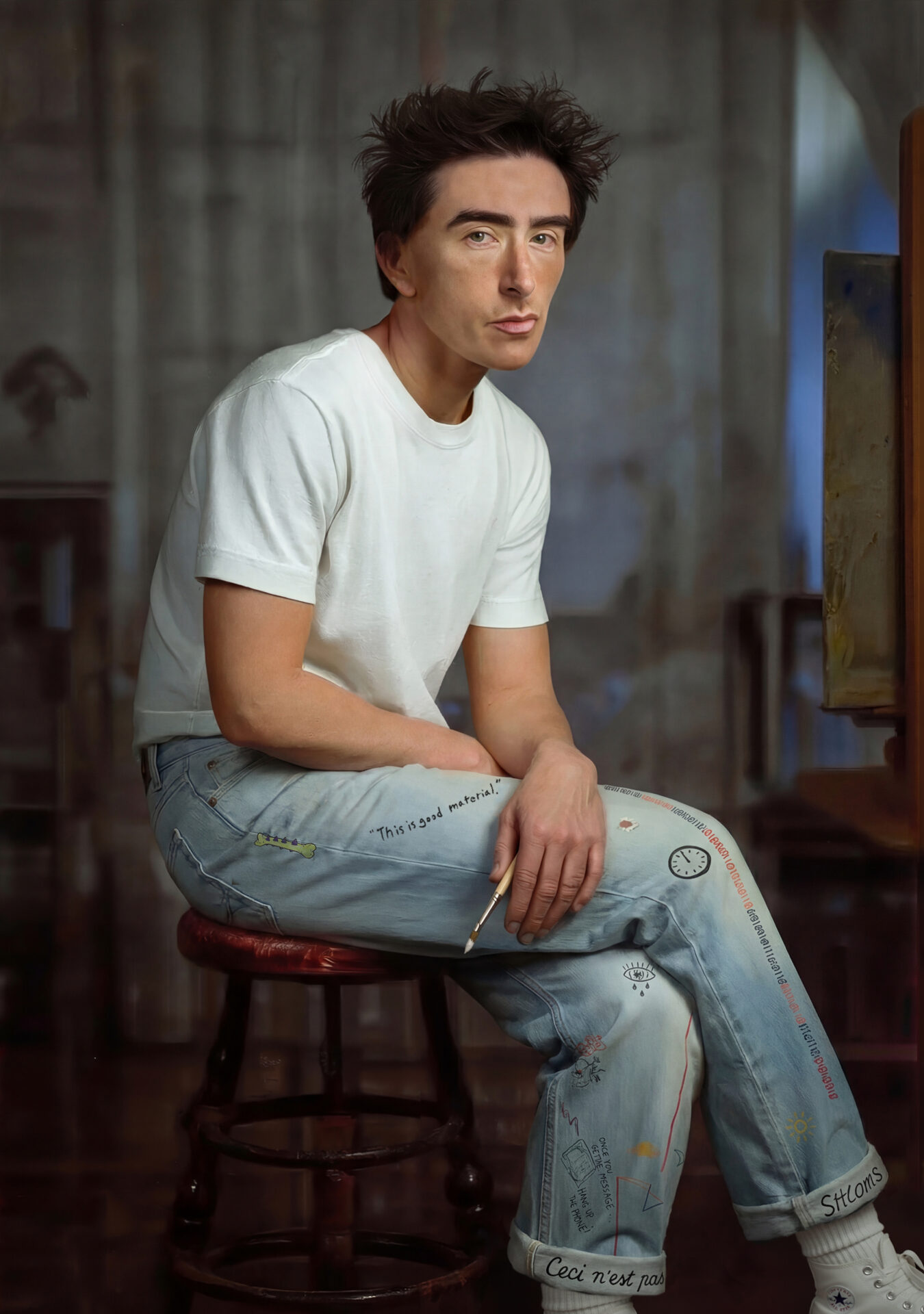
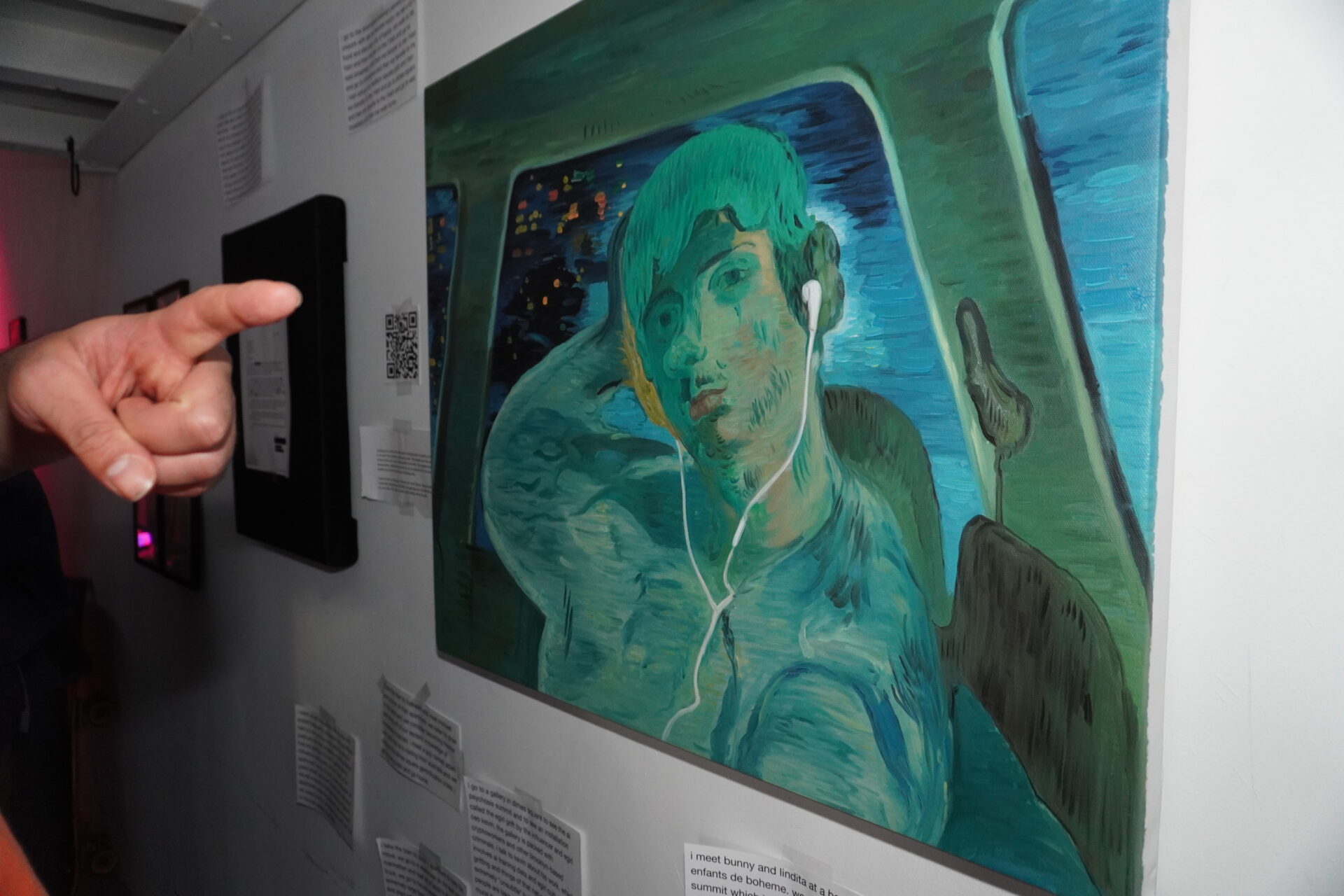
For me, AI also makes it possible to express my own ideas through another artist’s visual language. Take Salman Toor. His work is defined by these rich brushstrokes and an unmistakable emerald-green palette. I love his paintings, but what interests me isn’t copying them. It’s expressing my own perspective through the aesthetic vocabulary he’s developed. I think that’s something we’ll see much more of in the future. In that sense, I was taking the same process of harvesting an artist’s work and reappropriating their style for my own purposes.
AM Why did Marina Abramović become such a central reference point?
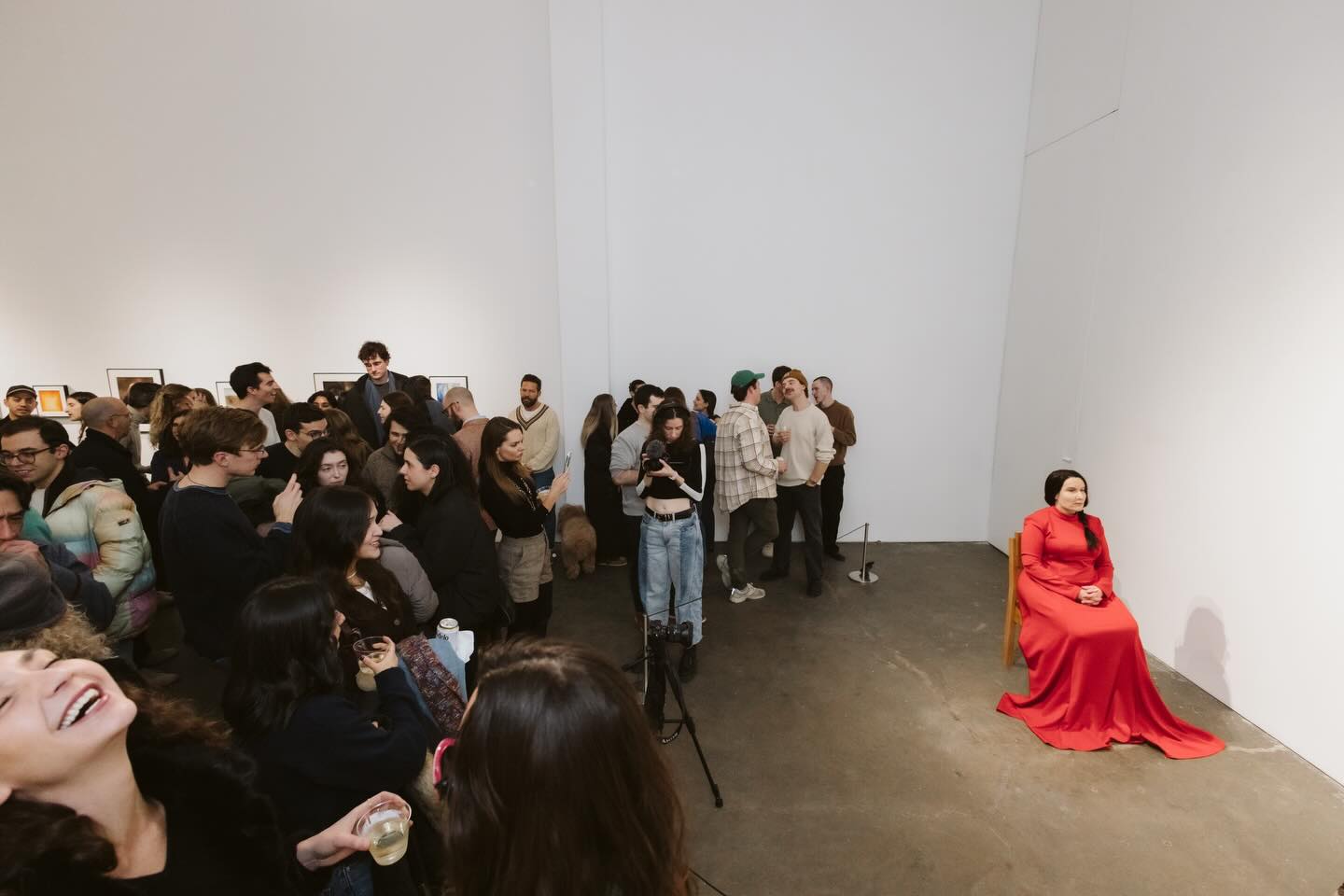
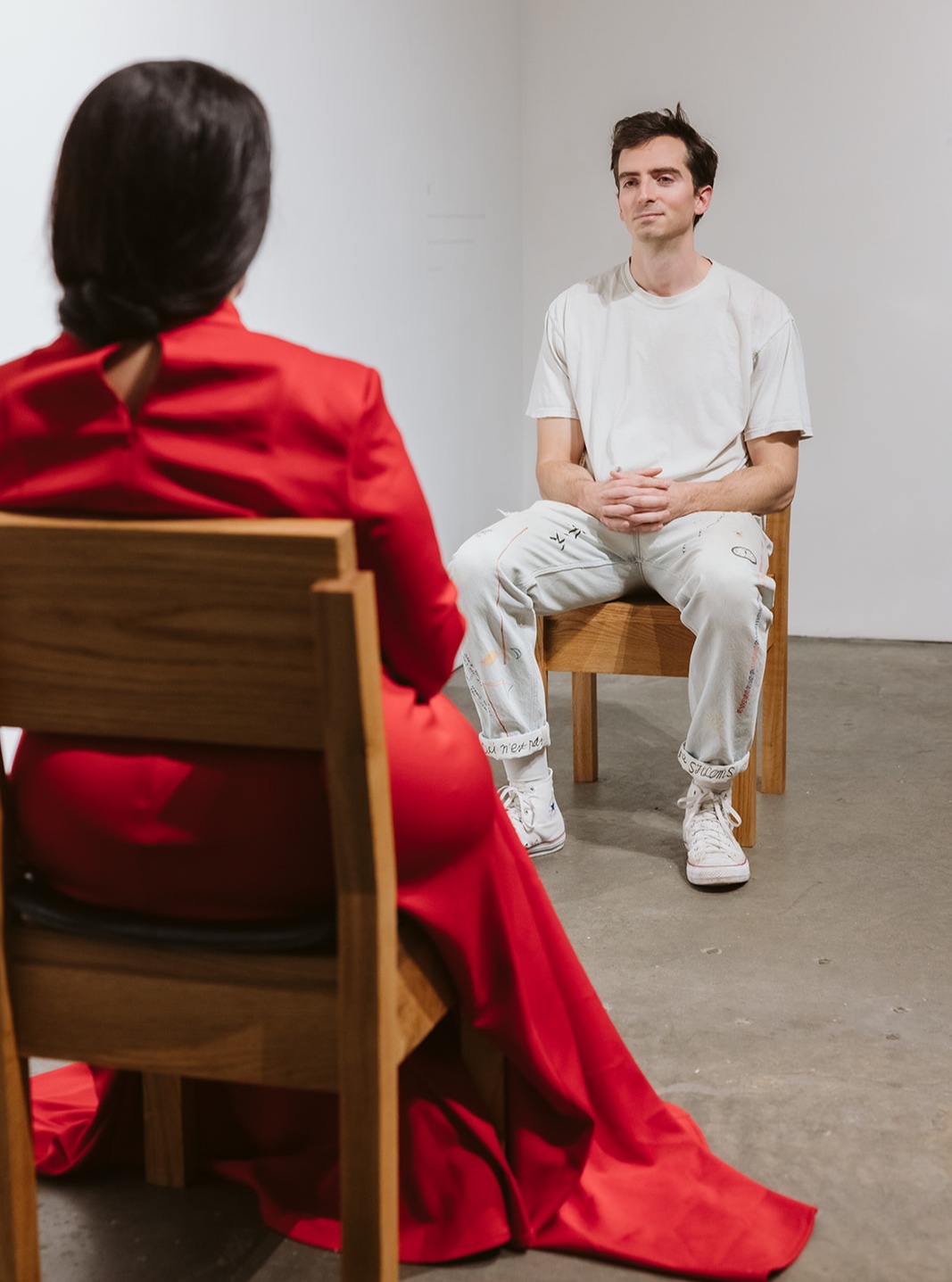
KE Marina Abramović became the logical endpoint of that idea. Her work is built around the presence of her own body. With the other artists in the exhibition, I’m asking what happens when the style remains but the artist disappears. Marina Abramović’s work pushes that question to its limit, because if you remove the artist, what remains? I’d actually titled the exhibition The Artist Is Absent before I conceived this piece. I’m a longtime admirer of Marina Abramović, and the title began as a play on The Artist Is Present, reflecting my own decision to disappear from my practice for a year. Then I realized her work could become the exhibition’s central thesis. We recreated The Artist Is Present with an actress wearing full prosthetics, a replica of the original dress, and a replica of the chair. Everything was there except Marina Abramović herself. The piece asks what happens when we preserve every visible aspect of an artwork, even the image of the artist, while removing the actual human presence beneath it. If the facsimile remains intact, what is it that we still feel is missing?
AM In Marina Abramović’s work, the artist is physically present. In your exhibition, you say the artist is absent. But someone still has to make the work. So in what sense is the artist absent?
KE In each work, the original artist whose practice the piece draws from is absent. Salman Toor isn’t there, but the appearance of his work is. Marina Abramović isn’t there, but her presence is recreated. Petra Cortright wasn’t there. Beeple wasn’t there, although he did sign the work made under his name. Trevor Paglen actually came to the exhibition, but he wasn’t claiming authorship of the work that had been created in his style. What interested me was the idea of these works being generated by a system that continues to exist independently of the original artist, even though that artist’s practice made the system possible. What happens to meaning, and what happens to authorship, once that separation occurs?
AM You mentioned that Beeple signed the work, but Trevor Paglen didn’t. So who is the artist of the piece?
KE That’s really the question, isn’t it? In Beeple’s case, he signed the work, and I signed it as well. I think we both take ownership of the piece. I’m interested in a future where we acknowledge that this technology exists, that style has become fungible and will inevitably be copied, and where we find ways for the original creator of that style to have a meaningful stake in the resulting work. So in Beeple’s case, I’d say he’s a co-author. Our traditional categories don’t map onto this very cleanly anymore. It’s difficult to say he’s die author, because the idea of authorship itself starts to break down. If authorship is a spectrum, then Beeple is clearly on that spectrum, and so am I. My role is closer to a Duchampian conception of authorship, framing the work and creating the conditions for it to exist. His contribution is more classical, in the sense that the work is fundamentally derived from the visual language he developed.
AM How does that work financially? If a piece is sold and someone else has co-signed it, how are the proceeds divided?
KE We made an open offer that if any of the artists wanted to claim ownership of a piece, they could have my entire share of the proceeds. Financially, they would become the artist of that work. No one took me up on it. Beeple signed his piece, but he wasn’t interested in the USD 1,750 or so it would have earned him. He was the only artist who formally embraced the idea of co-signing a work.
AM What kind of work is the agent producing?
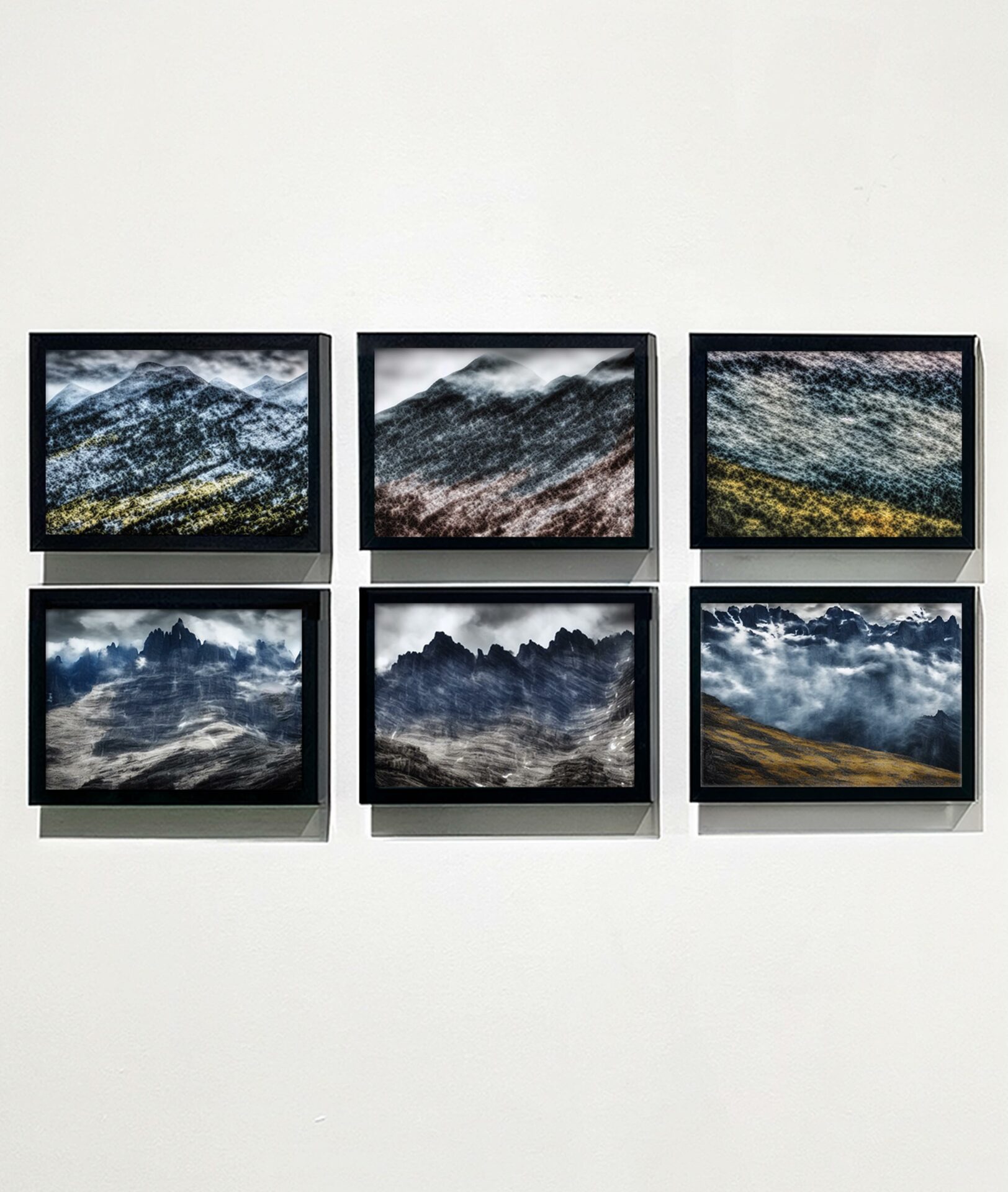
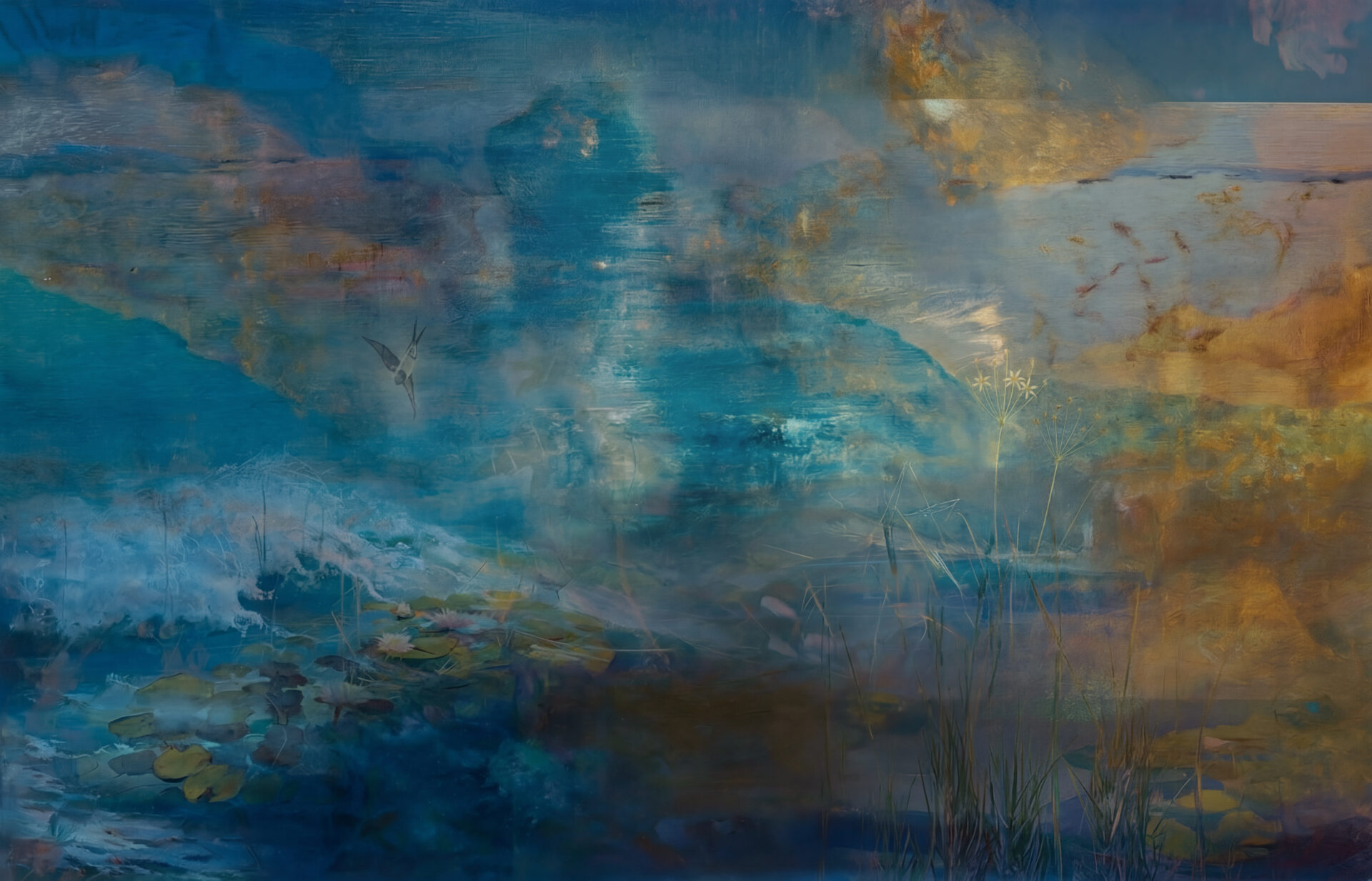
KE Quite a lot of artwork, actually. More than I can handle. One of the challenges is figuring out what to do with the sheer volume of work it’s producing. I’m even feeding that question back into the model, saying, “We have this abundance of ideas. How should we deal with it?” We’re entering a generative media economy where novel images are effectively limitless. That inevitably dilutes the weight of any individual image, or even an entire body of work. So the question becomes: what do we do under conditions of abundance?
The model is regularly producing works that I genuinely find exciting. It’s coming up with entirely new projects and collections on its own, while also creating new installments in older series of mine. At the same time, I’m trying to figure out how to present all of that in an economy defined by scarcity, not just financially, but also in terms of attention. I’m not even sure I could simply post everything online and expect it to have any meaningful impact. I’ve started sharing some of the work, but I’m still keeping most of it under wraps. I’m talking with a few people about how to release it. I think there will be a larger release that brings together a number of different collections and ideas the agent has developed independently. It’s also continuing some of my existing bodies of work, expanding series I’d already begun before stepping away.
AM Can you give me an example?
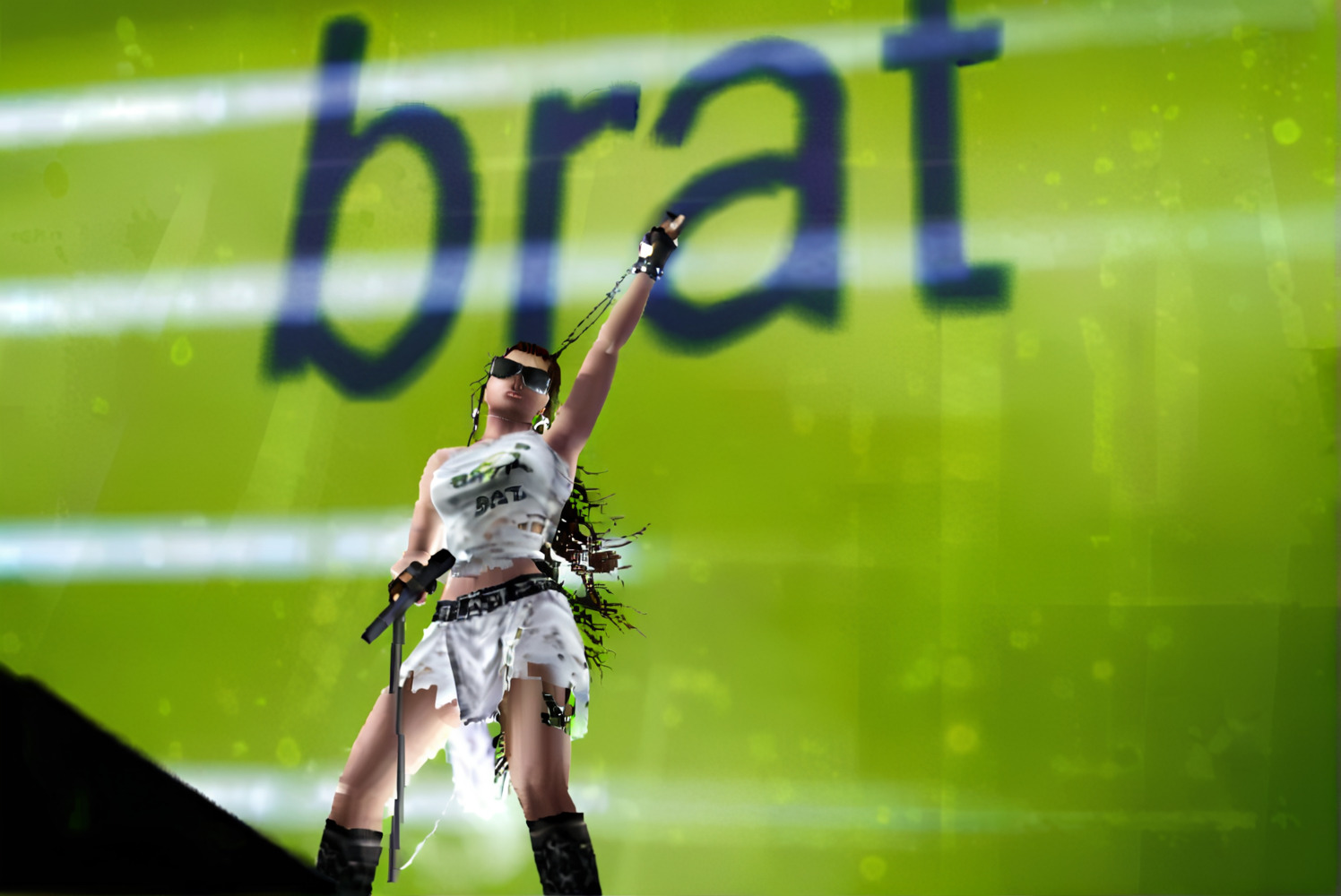
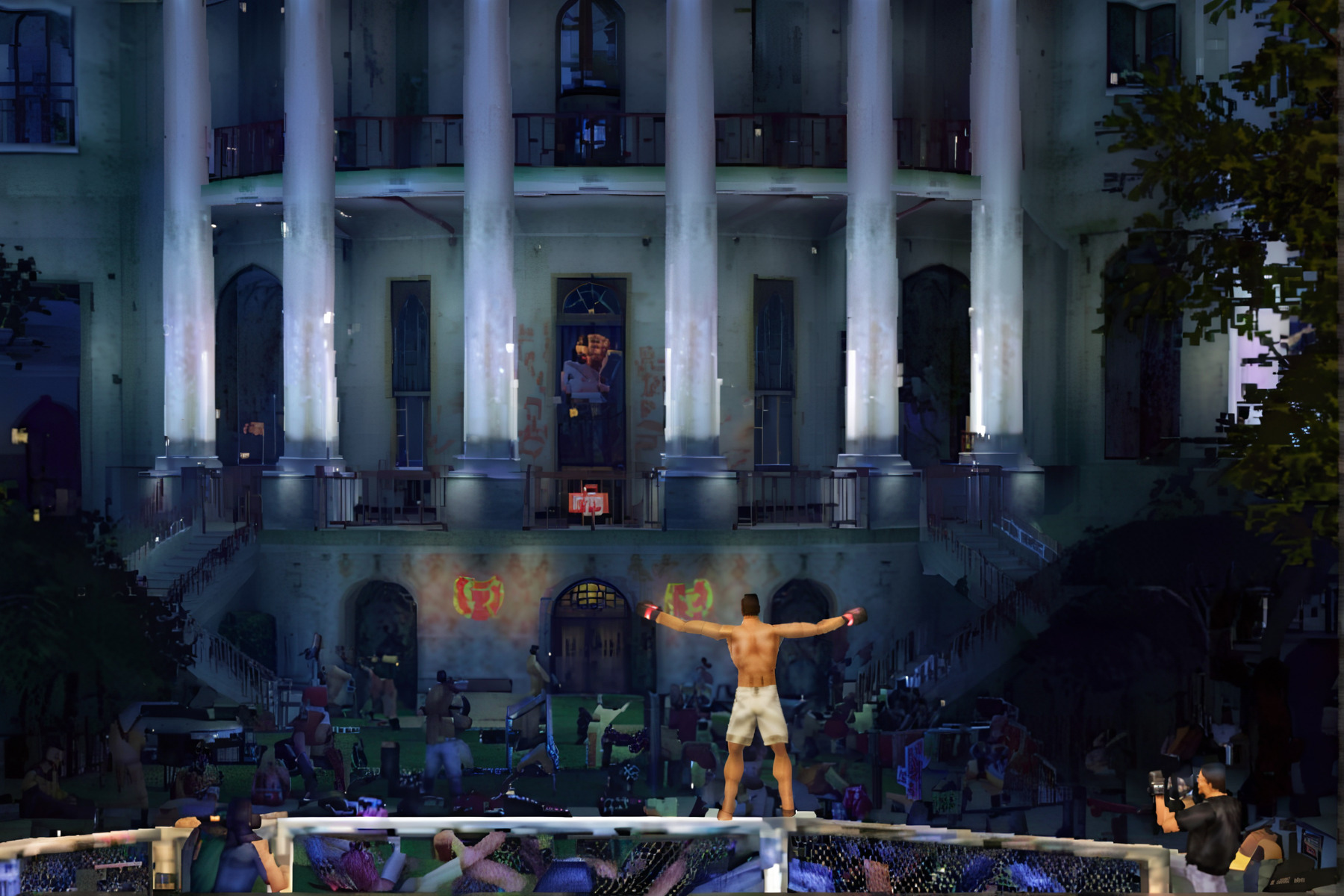
KE One example is Sky World, a series I started last year. I trained the model to create new Sky World works because it was a project I always wanted to continue. The original series was built from images of major events around the world throughout 2024, especially geopolitical moments and large-scale spectacles. Some of the most recognizable images include Donald Trump after the assassination attempt during the 2024 campaign, Luigi Mangione during his perp walk after being charged with murder, and Stephen Curry at the Paris Olympics. Others include scenes from the civil war in Chad, events in Gaza, and encounters between migrants crossing the US border and Border Patrol agents. I took those images and passed them through an AI model that transformed them into visuals resembling late-1990s and early-2000s video game graphics. It was a way of exploring the unreality of contemporary spectacle, how strange, mediated, and almost simulated so many global events can feel when we experience them primarily as images.
The original project consisted of 24 works based on events from 2024, but I’d always wanted to continue it. Throughout 2025, I kept collecting source images that I thought belonged in the series, and the model decided it was a project worth carrying forward. I’ve embedded not only my conceptual approach but also the specific production methods I’ve developed for different bodies of work. So the model doesn’t just understand how I think, it also knows how to make Sky World images. Now it’s completely autonomous. Every week it searches for what it considers the most compelling images from around the world, guided by the same sensibility that shaped the original series. It tends to focus on geopolitics, global crises, and moments of spectacle, although it also picks more optimistic subjects like sports. It then transforms those images into the same video game aesthetic.
At the same time, it’s developing entirely new projects of its own. Right now I’m trying to figure out how to release all of this work, because the real challenge isn’t generating it anymore. It’s deciding what to do with such an abundance of art.
AM You said the original idea was to replace yourself. That made me think of Anicka Yi’s project Emptiness, which is also about creating an agent that could continue her studio practice beyond her lifetime. Is that something you’ve thought about as well?
KE It naturally raises the question of legacy and whether a practice could continue after I’m gone. The system is getting good enough that I sometimes think I could step away from making art altogether and simply let it continue producing work on my behalf. I could do that openly, tell people that’s what’s happening, and still think of it as an extension of myself. What’s less interesting to me is the idea of a completely autonomous art system. I’m much more interested in systems that remain rooted in a person. That rootedness, that context, is central to what makes both people and art meaningful.
This year has been frustrating because my own new ideas aren’t becoming artworks. At the same time, I’ve been genuinely excited by what the model has come up with. Some of its outputs have honestly surprised me. There are also other things I want to do with my life.
AM For example?
KE Take writing, for example. I could never imagine a model writing for me. Not because it won’t become good enough, but because writing is itself the art form. The relationship between the thought in my head and the words that end up on the page is the craft. That’s what matters to me, much in the same way a painter cares about making their own brushstrokes. My visual art practice is different. At that level of granularity, it’s less important that every gesture comes directly from my hand. What matters more is developing strong ideas that become compelling works. For me, the execution doesn’t have to be entirely manual for the work to still feel like mine.
AM So we’ve established you’re a conceptual artist. (Laughs.)
KE If I can focus on coming up with ideas while this system executes them in a way that genuinely reflects how I want them to manifest, then I’ve realized I’m not actually that precious about the labor involved in making the work. That’s been one of the biggest lessons of this year. What matters most to me is seeing strong ideas come into the world. It’s been surprisingly gratifying to watch that happen through the model. But I don’t think the same applies to writing. I don’t see AI replacing us there, not because models won’t become technically competent, but because writing depends on an enormous amount of lived context. Take someone like Shl0ms.
AM SHL0MS is an anonymous conceptual artist whose recent performance Minderwertiges Bild went viral after he posted a genuine Claude Monet Seerosen painting on X, falsely claiming it had been generated by AI. Thousands of users, including artists and critics, spent days dissecting the image’s supposedly artificial flaws, unknowingly critiquing an original Monet. The work turned the audience’s own assumptions about AI, authenticity, and authorship into the artwork itself.
KE I’ve known SHL0MS for five years. I’ve followed their work, spent time with them, and absorbed countless small moments that never get written down. That’s the kind of ambient context that comes from being embodied in the world, from existing in a particular community at a particular moment. No model can reconstruct that. That’s where I think AI will continue to fall short. It doesn’t have an embodied reality. And as these systems become more capable, I actually think we’ll place an even greater premium on work that points back to a real human being, someone with a physical presence and lived experience in the world.
AM But that’s interesting because you just drew a distinction between art and writing. A writer moves through the world, meets people, reads, has conversations, and accumulates experiences. Isn’t that exactly what you’re missing with the model? Even if it can generate artworks, it doesn’t have your lived experience. Could it ever really replace you?
KE I’ve been finding ways to give the model more context. It has access to some of my notes, my photographs, and other material from my daily life. I’m trying to embed as much of my world into it as possible. Its ideas are always weakest when it’s operating in a vacuum. If I simply tell it to spend the day coming up with ideas, it struggles because it lacks context. But when I give it constraints, that’s when it becomes interesting. For example, if I’m invited to participate in a group exhibition, I’ll tell the model about the opportunity, explain the brief, and ask it to propose ideas. Because it’s trained on my work, it often arrives at exactly the same ideas I would have had myself.
AM Can you give me an example?
KE One was the AI Psychosis Summit. The model proposed building on my Homages series from The Artist Is Absent, but instead of referencing well-known contemporary artists, it suggested creating homages to some of my peers who were also participating in the exhibition. For Quasimatt, it trained a model on his writing and generated new entries for the Quasimatt social blog, which is already an artwork in its own right. It also proposed a homage to Morry Kolman.
Then it turned to SHL0MS. The idea was to create a performance around his deliberately ambiguous public identity. Much of SHL0MS’ work plays with decentralised authorship and the possibility that anyone could be SHL0MS. The model suggested extending that ambiguity into the exhibition itself. It proposed that I start quietly suggesting online that SHL0MS would be attending the summit. I asked them to post a photograph from the event, but it was actually a picture I had taken. To their followers, it looked as though they were there, even though the image never actually proved it. We also handed out name tags reading, “Hello, my name is SHL0MS,” and dozens of people wore them throughout the evening. We even spread the rumour that they’d be wearing a black jacket, so everyone kept scrutinising anyone in a black jacket, wondering if they had just met SHL0MS. By the end of the night, people were convinced they had been there, although nobody could say for certain.
AM And that idea came entirely from the model?
KE Yes, that’s what surprised me. Of course, it will never have the full context that I have. I can’t feed it every conversation, every encounter, or everything I experience throughout a day, although multimodal systems will probably get better at that over time. But when I can give it a well-defined context, like an exhibition brief, its thinking often converges with my own. It comes up with an idea and I immediately think, “Yes, that’s exactly what I would have wanted to do.” I’ve found it remarkably capable of doing justice to my way of thinking.